How to classify a neighborhood?

How to classify a neighborhood?

Investor · Midwest · Member since 2013 · 253 posts · 34 votes

I am having trouble with the distinctions between Class A, B, C and D properties. I grew up in an area that I feel safe and comfortable in and my mom still lives there. But, I've been there with recent friends and some are afraid to be in the car without ducking. I think this has messed with my ability to understand the difference between this class distinction.

What does warzone actually mean? Ghetto? Looking at things with an investor's mind is different than what I have normally been thinking and I want to make sure I understand where it is NOT a good idea to invest.

0Reply
25 views

Most Popular Reply

Dawn AnastasiPro Member
Rental Property Investor · Milwaukee, WI · Member since 2013 · 6k+ posts · 4k+ votes
13y

Here has been how I have classified them; not sure how others classify them:

A - Very rich and high end neighborhoods. Large houses (4000-5000 square feet or more), no fences, lots of land.

Example:

B - Higher middle-class homes. Maybe 2000-4000 square feet. Generally very nice neighborhoods. Think "Wisteria Lane" type homes.

Example:

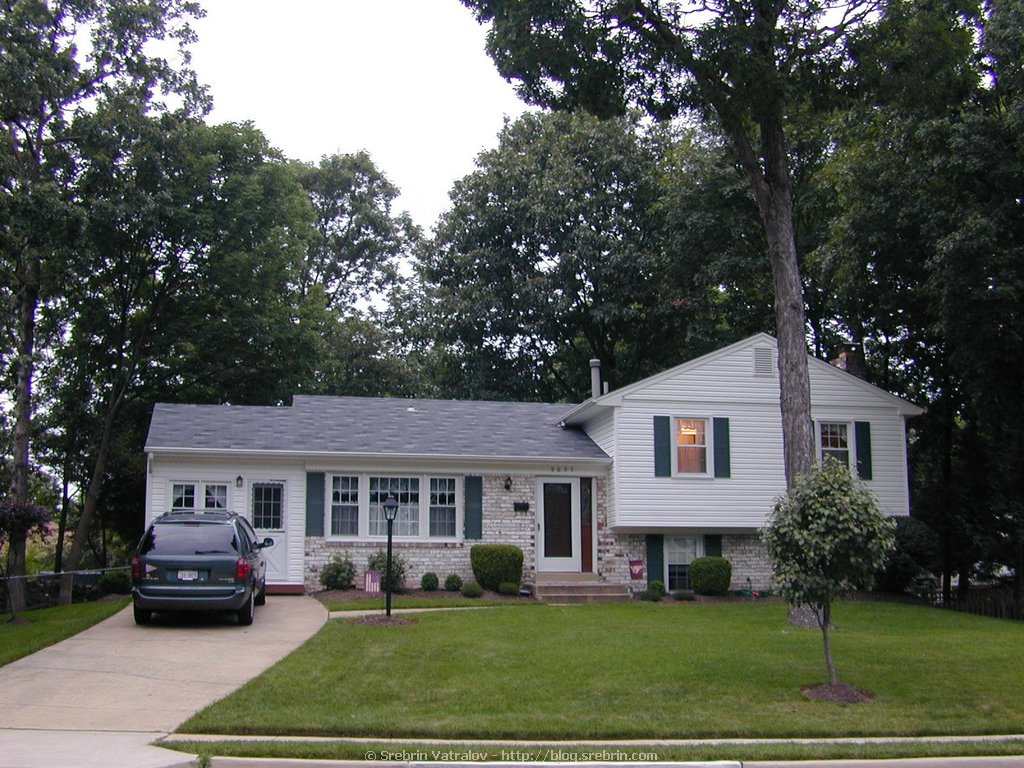
C - General lower middle class to average middle class homes. Maybe 600-2000 square feet. I think this would be the largest percentage of the housing stock.

Examples:

D - Some call this the "ghetto" or "warzone", usually located in a little rougher areas. Areas where you look over your shoulder at night, or don't go at all. Lots more boarded up homes.

Examples:

See this reply in the discussion

9 Replies

Jump to latestLatest
  • Investor · Louisville, KY · Member since 2011 · 1k+ posts · 1k+ votes
    13y

    The best areas to invest are the ones you feel comfortable in. If you feel comfortable in what some investors would consider "bad" neighborhoods, then stick to those areas. You're going to find much better deals and get higher returns in these areas, so why run away from them?

  • Investor · Midwest · Member since 2013 · 253 posts · 34 votes
    13y

    That's what I was thinking, but just want to make sure that my own comfort in the area isn't making something that should be glaring to an investor hard to see for me.

    For example, there is gang activity in this area, involving drugs and guns/shootings. But, there are still families that live in the neighborhoods that have nothing to do with such activity (those are the people I want for me tenants of course). I would have a property manager since I do not live in the same state as the properties. This is a low-income area, but because of that the properties are less-expensive and I figure over time I will buy properties there and eventually 1031 them to get larger properties in better neighborhoods.

  • Dawn AnastasiPro Member
    Rental Property Investor · Milwaukee, WI · Member since 2013 · 6k+ posts · 4k+ votes
    13y

    Here has been how I have classified them; not sure how others classify them:

    A - Very rich and high end neighborhoods. Large houses (4000-5000 square feet or more), no fences, lots of land.

    Example:

    B - Higher middle-class homes. Maybe 2000-4000 square feet. Generally very nice neighborhoods. Think "Wisteria Lane" type homes.

    Example:

    C - General lower middle class to average middle class homes. Maybe 600-2000 square feet. I think this would be the largest percentage of the housing stock.

    Examples:
    D - Some call this the "ghetto" or "warzone", usually located in a little rougher areas. Areas where you look over your shoulder at night, or don't go at all. Lots more boarded up homes.

    Examples:

  • Investor · Midwest · Member since 2013 · 253 posts · 34 votes
    13y

    Thanks for those photos to break it down a bit and the explanations with them.

    So the area I am talking is somewhere between C and D then.
    There really aren't boarded up homes and they have torn down a bunch of homes in the last 10 years but then started building brand new homes. But even though there are brand new homes, they are still lower-income people and these gang/drug/gun problems.

  • Real Estate Investor · Audubon, PA · Member since 2009 · 13k+ posts · 8k+ votes
    13y
  • Investor · Lucas, TX · Member since 2010 · 620 posts · 352 votes
    13y
    Originally posted by Therese V.:
    For example, there is gang activity in this area, involving drugs and guns/shootings.

    Sounds like a glock block.

    If you have the stomach for it you can make big bucks by investing where other landlords fear to tread.

  • Rental Property Investor · Sacramento, CA · Member since 2011 · 2k+ posts · 1k+ votes
    13y

    Wow Therese V. we have discussed this topic many times and I know you'll get a wide range of responses - some from people who actually walk the talk in tough neighborhoods and some those who just theorize. Michael Siekerka answer most closely represents my view.

    Landlord who invest in low income neighborhoods based solely on cap rates and cash flow cause a lot of heartache for us landlords who want to bring out a neighborhood's innate potential.

    If you're really NOT interested in being a part of a solution to the area's long term problems (which is fine), then maybe you should invest in an area that's less dependent on the leadership of landlords.

    Low income areas are not for everyone - money aside.

    Just my two cents.

  • Investor · Midwest · Member since 2013 · 253 posts · 34 votes
    13y

    You make many assumptions about why I asked the question. I asked the question for the very reason I stated, to me the area is comfortable since I grew up there. BUT I wanted to make sure that I am not missing something.

    I wrote some other things but decided posting them is not charitable, so let's just say this: don't think you know my intentions by one question I write on an online forum.

  • Real Estate Broker · Sanford, NC · Member since 2014 · 169 posts · 69 votes
    12y

    @Dawn Anastasi Thanks for the pics, they definitely help clarify the rating system.

Join the conversationCreate a free account to reply, vote on answers and follow this thread.