

The Ins and Outs of Development
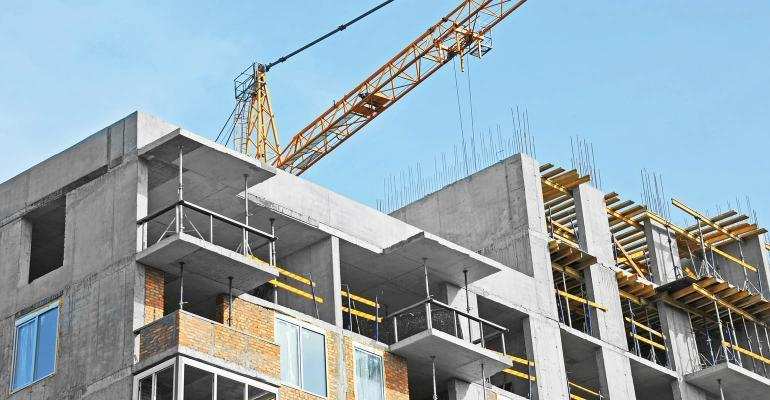
The biggest thing in getting the right team in place, because there’s things that come up that we take for granted as investors and as people that look in real estate is — now you’re putting in a project of 160 units. Is there enough electricity? Is there enough water coming in? Is there enough sewer? If not, how much is it going to cost to change that infrastructure now so that you can actually build those units there? The same thing goes with multifamily. Sometimes, you start remodeling multifamily units. Do you have enough power if you’re adding units, if you’re doing certain things? It’s those things that we take for granted, and you have to dive deep into and try to get the answers to, before you start.
So the architect we use has been in Vegas doing this type of construction for 30 years. The builder we’re using as recently just completed a 200-unit building. Some of the challenges with the building that we’re doing is there’s going to be some underground parking, because it’s so hot in Vegas. So we’re doing some underground parking because of the size limitation. So the structure and how there’s caliche underground. So how much caliche? How deep do you have to go? Caliche. It’s a type of rock that’s very dense, very hard to go through. It has different grades. So depending on the grade, it’s either easy to get out or very difficult to get out. So those are some of the challenges. Also, it’s having the right team that knows, “Okay, this is what we have underground. This is what we can anticipate. This is how far I think we can go down without running into any issues.” So those are all the issues that come up when we are doing a development. It’s a 24-month project, start to finish.
We’re currently in the process with the acquiring the land and going through our due diligence on the land. Due diligence is the most important in every real estate transaction. It’s making sure you get what they say you’re going to get. So part of our due diligence, we’re looking at the land itself, what’s on there? We’re doing this phase one environmental, phase two environmental. Making sure we have the environmental studies that we need. We’re looking at traffic study because that's going to give projects how many entrances and if you have to have any turnouts for that particular subdivision or the condo units. We’re looking at the power grid. We’re looking at water. We’re actually checking with the neighbors, because it is near a residential to make sure that they’re going to not try to block this project. So there’s quite a bit that goes on during the due diligence phase.
Also we hire somebody to do the traffic study. There are several companies that do that here in Vegas. What we’re looking for is — what’s the density makeup of the neighborhood and how many cars travel. How wide is the street going to be? Are there any provisions in the future for the street to get wider to maybe instead of having a two-lane, make it a four-lane street? Because what’s going to happen is we’re going to add with 160 units anywhere from 160 potential to 320 potential vehicles not traveling that road all the time. So what does that do for the rest of the neighborhood? What is the impact on traffic for schools? The need for schools in that area as well. So it does all of that. It encompasses everything that we need to know about the actual demographics of the area.
Listen to full episode: https://lifebridgecapital.com/2019/09/ws341-the-ins-and-out-of-development-with-edward-orasi/
We need to check what power company has already allotted for powering that area. So from the makeup of the land when the power companies are setting up their power for that area, they know how many transformers they’re going to need, what size of transformers, and how much power they’re going to have to have coming into it based on the area. So now, adding 160 units, three pools, some other areas that we’re going to have in the entertainment areas in the complex. How much power are we going to be needing? Do they have enough or do we have to now pay to upgrade the power in the neighborhood so that we can substantiate the power that we’re going to be needing?
So the process of holding town meetings and talking to the neighbors and saying, “Look, we’re going to build this here. We had the permission from the county, but we want to get buy-in from you as the neighbors. We don’t want you to all of a sudden start selling your houses super cheap to get out of the neighborhood. You don’t want this part. So one of the things we did is on the front side that we are actually facing the strip and the new Raiders Stadium out here. That’s going up four stories. Then the 10 penthouses are going to be five stories. On the backside, we got up three stories and we’re going to build up the fence on the other side. So the people on the third floor can’t see into the backyards of the single family home behind us. So it’s kind of reaching a middle ground saying, “Hey, we’re not here just to start building and we don’t care about your opinion. Your opinion is important. What can we do to make you feel comfortable in this development?
Always make sure that you give them the correct information, and be the source of the source. Don’t try to be the smartest guy in the room, which I’d never tried to do. I always make sure I have somebody else that’s advising me that I can say, “Okay, this is what I think. But let’s talk to this person.” If we’re talking about something about structure, let me talk to a structure guy. I’m not going to sit here and give you advice on something that I don’t know. Let me find somebody who’s smarter, better and specialized in that area. So that way we’re all comfortable going forward.
Listen to full episode: https://lifebridgecapital.com/2019/09/ws341-the-ins-and-out-of-development-with-edward-orasi/


Comments