

How to Stress-Test a Construction Project Like a Pro
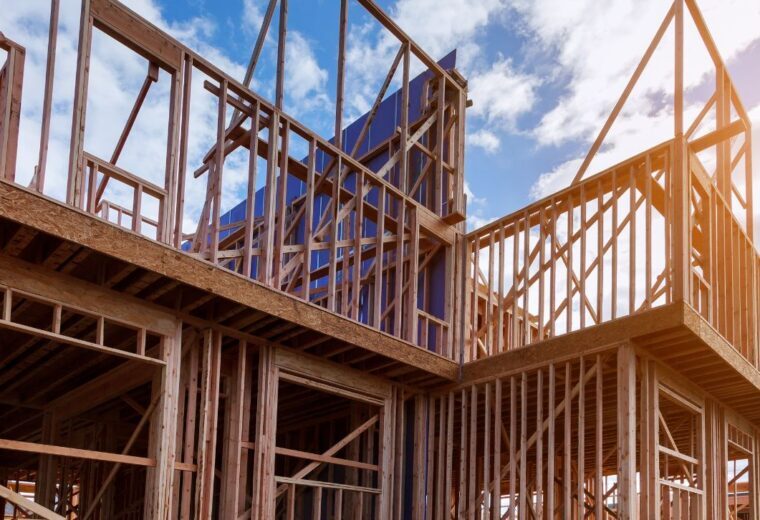
Construction is too unpredictable to rely on perfect scenarios. Before a seasoned investor ever breaks ground, they’ve already tried to break the deal.
Ground-up projects come with moving targets. Material prices fluctuate, timelines slip, and exit conditions shift faster than most first-timers expect. That’s why pros pressure-test every assumption before a single dollar is drawn.
Don’t gamble on best-case outcomes: run these tests to ensure the project still works under real-world pressure.
1. Stress-test the budget
Seasoned investors don’t build budgets for the version of the project where everything goes right. They build budgets that can take a hit and keep the deal alive.
On any construction project, something will push back: a lumber price spike, a contractor who’s suddenly overbooked, a rework order after inspection, a bad weather week, or a permit condition you didn’t see coming.
Pros expect these disruptions, and they price the project with those realities in mind.
Inaccurately estimating expenses is one of the top 5 mistakes to avoid in a ground-up construction project. That’s why a serious construction budget always includes:
- A 10–20% contingency buffer across both hard and soft costs.
- Multiple bids for every significant line item so you know the true range, not just the cheapest number.
- Timeline slippage modeled in advance: including the impact on interest, insurance, and carry costs.
Then comes the most important step: running the numbers under worst-case assumptions.
If the deal only works when materials stay flat, crews stay perfectly on schedule, and market conditions stay sunny, it’s not a deal. That’s why a stress-tested budget isn’t pessimistic, it’s protective.
It’s one of the biggest reasons experienced builders stay profitable across cycles.
2. Run multiple exit scenarios
Experienced builders never rely on a single exit strategy. They know markets move, rates shift, buyers hesitate, and timelines stretch, so they model every realistic path before committing to the deal.
The starting point is simple:
Run the numbers on your ideal outcome, then stress-test everything that could pull you away from it.
Start by modeling these scenarios:
- Selling at the projected ARV, when pricing and demand hold steady.
- Selling at a discounted ARV, when the market softens or days-on-market rise.
- Refi + hold at today’s rates to capture long-term cash flow.
- Refi + hold at higher rates, in case financing conditions tighten mid-build.
- Rent, stabilize, and sell later, if timing the market creates more upside or more safety.
Each scenario tells a different story, and the differences matter. The goal here isn’t to predict the future, it’s to understand where the floor is.
Ask: “If pricing drops, rates climb, and I’m a month behind schedule… do I still survive this deal?”
When the answer is yes across multiple paths, you have a resilient project.
That’s how seasoned investors keep flexibility high and risk low, no matter what surprises are thrown at them.
3. Build operational resilience into the project
In construction, the plan is never the problem. It’s the reality that refuses to follow it. Instead of aiming for a flawless build, aim for a resilient one.
Operational resilience is how you protect your margin when the unavoidable hits, including the economic trends that affect ground-up construction projects.
Pros design their projects so these bumps don’t turn into breakdowns.
Here’s what that looks like in practice:
- Choose reliable crews over the lowest bid. A cheap contractor who can’t maintain schedule discipline is the most expensive mistake you’ll make.
- Use materials with predictable lead times so one backorder doesn’t stall the entire job.
- Sequence trades with breathing room, reducing the ripple effect when one trade runs behind.
- Structure draw schedules strategically, keeping liquidity strong throughout the build.
- Order critical-path items early, especially anything custom, imported, or high-demand.
- Create small redundancies in the timeline so you can absorb surprises without blowing past your projections.
Resilience protects both your budget and your exit, turning unexpected problems into manageable delays instead of profit-killers.
4. Protect liquidity from day one
Construction rewards speed but punishes thin liquidity.
The investors who last aren’t the ones with the most leverage, they’re the ones with cash ready when the project throws a curveball.
Pros know that a small issue becomes an expensive problem the moment you run out of room to maneuver. So before the first draw, they make liquidity a non-negotiable part of the strategy.
That means:
- Setting aside reserves for cost overruns, schedule slips, and inevitable change orders.
- Keeping that cash accessible, not locked inside other deals or speculative opportunities.
- Modeling a longer exit timeline, so you know exactly how much runway you need if the market slows or the build takes an extra month or two.
- Balancing leverage with safety, using financing to move fast without leaving the project exposed.
Strong liquidity keeps you calm, keeps the build moving, and keeps you in control where less-prepared investors would get squeezed.
5. Think like a lender (they’re stress-testing you, too)
Experienced investors know something newer builders often overlook: your lender is running their own stress test on you. They’re looking past the surface numbers to see how you think, how you plan, and how you handle risk.
That’s why pros come prepared with a plan.
Lenders pay close attention to:
- Budget realism: Are your numbers grounded in current market conditions?
- Contingency planning: Have you built buffers into both costs and timeline?
- Exit optionality: Do you have more than one viable path out of the deal?
- Liquidity strength: Can you absorb delays without scrambling for cash?
When you present yourself as someone who has already mitigated risk, you’re positioning yourself as a prepared, low-risk partner. The kind lenders want to work with long-term.
That confidence translates directly into speed, trust, and smoother future deals.
Successful construction projects start with a sturdy plan and a strong lender
Every successful ground-up construction project starts with careful preparation and the right financial partner. By stress-testing your budget, exit strategies, operational resilience, and liquidity, you’re not just protecting your investment; you’re setting the foundation for long-term success. But preparation alone isn’t enough if you don’t have access to reliable funding.
Express Capital Financing’s Ground-Up Construction Loans give you the flexibility to navigate challenges, stay ahead of the curve, and complete your project smoothly. With competitive terms, fast approval, and personalized support, we help you turn complex projects into profitable wins. Apply now to get the financing you need to build with confidence.


Comments