

You're Buying an Operating Business

Nothing about the closing suggested there was a problem.
The seller smiled. The title company shook hands. The lease showed $2,000 a month. The rent roll matched. The inspection came back clean.
The investor drove home convinced they'd just bought a cash-flowing rental.
Six months later, they found something that had been sitting in the file the entire time.
The tenant hadn't actually paid $2,000 a month in over a year. They'd been paying whatever they could, whenever they felt like it. Some months $600. Other months nothing.
The lease wasn't wrong. The rent roll wasn't fake.
The investor simply bought the paperwork instead of the business.
I see this mistake over and over. It's made me realize something uncomfortable.
The biggest misconception I see in rental real estate is that investors think they're buying property.
You're not. You're buying a business that happens to own real estate.
That distinction sounds minor. It isn't. Once you start evaluating rentals like businesses instead of houses, you start asking completely different questions—the ones that actually determine whether the investment survives past closing.
Every Rental Has Two Values
Most investors spend nearly all of their due diligence on the physical asset.
Roof. Windows. HVAC. Electrical. Foundation.
Those things matter. But a second asset changes hands at closing that gets almost no attention: the operating business.
That business has customers, revenue, operating expenses, legal obligations, deferred maintenance, vendor relationships, and a cash-flow history—just like any other business.
Imagine buying a restaurant without reviewing its financial statements. Or a manufacturing company without seeing payroll, customer contracts, or supplier agreements. Most investors would never consider it.
Yet every week, someone buys an occupied rental after reviewing nothing more than a rent roll and a lease.
That's understandable. The building is tangible. You can walk the roof, inspect the furnace, and test the electrical panel. The business isn't as obvious. It lives in ledgers, leases, invoices, and payment history. Ironically, that's the part most likely to determine whether your projected cash flow becomes actual cash flow.
It's not because investors are careless. It's because most due diligence is designed to evaluate a building, not an operating business. The physical asset is visible. The operating system is hidden inside the paperwork.
Businesses Leave Evidence
After reviewing hundreds of tenant ledgers, leases, security deposit files, maintenance records, and operating statements, I've noticed something surprising.
The truth about a property is never in the marketing. It's in the paper trail.
Businesses leave evidence.
Good operators know where to look.
Here's what the evidence eventually showed the investor from the opening story.
The "$2,000-a-month" rental was actually producing something very different. Nobody had hidden the evidence. Nobody destroyed the payment ledger or forged anything. It had been sitting in a file the entire time—$450 one month, $600 another, nothing the month after. Collected income over twelve months came in closer to $14,000, not the $24,000 the lease implied. A 42% gap between the deal that was sold and the deal that actually existed.
Nothing in the paperwork was technically false. The investor just never went looking for the evidence. They read the lease and stopped.
Due Diligence Should Ask Different Questions
Every experienced investor has a checklist. Mine starts with one question:
"What would I ask if I were buying a business instead of a building?"
That reframes everything.
Instead of asking "What's the rent?" — ask "Can I see twelve months of actual payment history?"
Instead of asking "Is there a lease?" — ask "Has this lease actually been enforced?"
Instead of asking "What's the security deposit?" — ask "Where is it held, and how does it transfer at closing?"
Instead of asking "What's the maintenance history?" — ask "What's been postponed because the owner didn't want to spend money before selling?"
Good due diligence follows the evidence, not the marketing.
In one acquisition I was involved with, tenants were already in place. The seller's manager insisted "it's all handled." Nothing about the security deposit was written into the closing documents. Eighteen months later, one of those tenants moved out—and the new owner owed a $1,500 deposit refund that had simply evaporated somewhere between the sale and the move-out date. Nobody stole it. Nobody lied about it. It just wasn't anyone's job to ask, so nobody did. One paragraph at closing would have prevented the entire thing.
Most Investors Underwrite the Best-Case Scenario
Every spreadsheet looks good when nothing goes wrong. Twelve months of rent. No vacancy. No turnover. No delinquency. No major repairs.
That's not how businesses operate, and it's not how tenants behave either.
In one portfolio I managed, a tenant went 23 days without saying a word about rent being late. By the time anyone followed up, that tenant had already paid the electric company, the car lender, and the phone carrier. Rent had quietly settled to the bottom of the list, and nobody noticed until the money was gone.
The question was never whether something unexpected would happen. It's whether your numbers still work when it does—and whether anyone pulled the evidence of how this specific business actually performs before closing.
Investors who survive downturns aren't necessarily the ones who bought the best deals. They're the ones who read the evidence closely enough to build in the margin it demanded.
The Five Documents That Tell the Truth
After reviewing enough of these files, five documents tell me almost everything I need to know about whether I'm buying a rental or buying a problem.
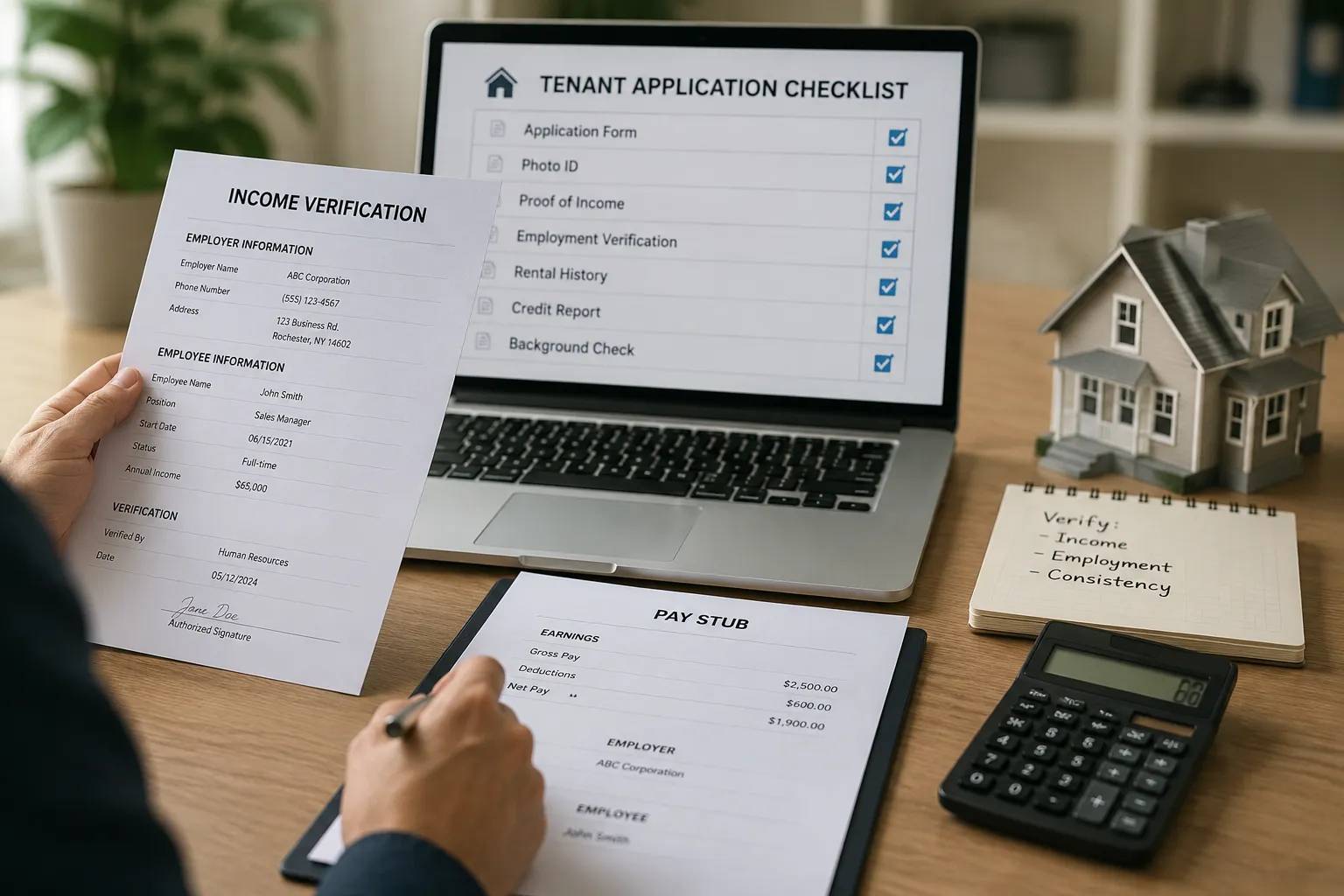
1. Twelve months of actual payment history. Not scheduled rent. Collected rent.
2. Current signed lease. Not a verbal agreement. Not an assumption.
3. Security deposit accounting. Amount collected, where it's held, how it transfers.
4. Maintenance records. Not because repairs scare me—because deferred maintenance is evidence of how the property was actually run.
5. Verified operating expenses. Taxes, insurance, utilities, vendor invoices. Not estimates. Verified numbers.
If one document is missing, I ask why. If several are missing, I stop asking about the building and start asking about the business.
Stop Buying Buildings
The investors who consistently outperform don't necessarily buy better properties. They investigate better businesses.
The more portfolios I've managed, the less time I spend looking at countertops and the more time I spend looking at payment ledgers.
Drywall doesn't produce cash flow. Granite countertops don't produce cash flow. A roof doesn't produce cash flow.
Operating systems produce cash flow. Reliable tenants produce cash flow. Consistent collections produce cash flow. Verified evidence produces confidence.
Most investors spend weeks analyzing neighborhoods.
I spend more time analyzing paperwork.
Because neighborhoods don't write checks. Tenants do.
Roofs don't determine whether rent gets collected. Operating systems do.
The next time you're evaluating a rental, stop asking one question.
"Do I want to own this building?"
Instead ask the question that actually determines whether you'll make money.
"Would I buy this business?"
Six months after closing, that first investor discovered they hadn't bought a $2,000-a-month rental.
They had bought a business producing $14,000 a year.
The paperwork never lied. They just believed the wrong document.
That's the real lesson. Buildings don't produce returns. Businesses do.
Before your next closing, make sure you're buying the right one.
Discussion
- What's the most expensive issue you've discovered after closing that proper due diligence could have caught?
- What's one document you've added to your checklist over the years, after learning the hard way?
- If you could give a first-time investor one piece of advice before buying an occupied rental, what would it be?

Comments