

How to Open a Food Truck in Miami
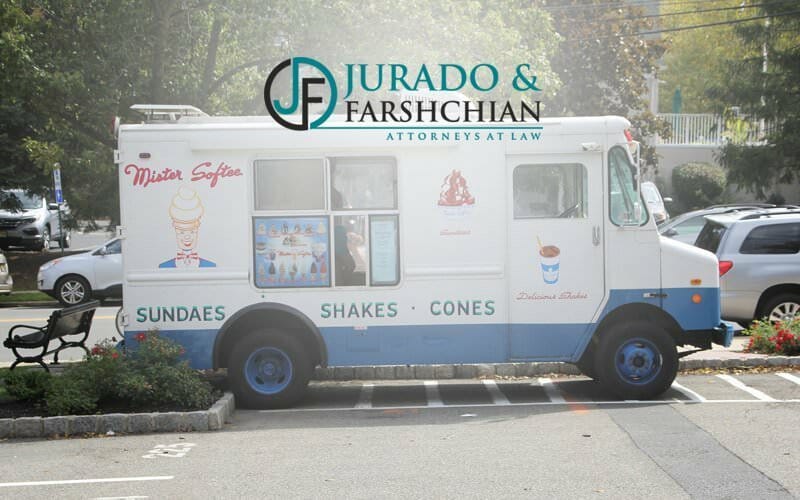
Miami does not suffer from a food problem. Throw a fork in any direction, and you will likely hit a restaurant or at least a plate of delicious food that came from a restaurant. I know, however, that you have the next best food idea that is going to hit Miami like a delicious hurricane. All you need is some encouragement and a little guidance. So, what are you going to do?
You Are Going To Open a Food Truck In Miami
Real estate is expensive, especially commercial real estate. Would-be restauranteurs such as yourself need to be judicious in how you spend your capital to maximize its impact. Paying rent on a large commercial space, including upgrades and renovations, can burn through that cash fairly quickly. A lower cost and arguably more agile alternative is the humble food truck.
Food trucks have been experiencing a renaissance and more than one has been the starting-off point for a now brick-and-mortar restaurant. As the popularity of food trucks have grown, so has their regulation by the localities in which they wind down the streets plying their goods. Miami is no exception.
From Paper to the Road
Of course, given that food and the sale of it are involved, there are going to be regulations. The good news is that Miami recognizes the value of food trucks and does give them some latitude to operate. Miami law defines a food truck as a mobile food service operation wherein there is the preparation and cooking of food, the serving of that food, and/or the sale of the food conducted from a portable stand, vehicle, or trailer.
The first step is to obtain a Certificate of Use (CU) by applying for it and providing information about the nature of the operation and the proposed hours of operations along with a copy of the required State license for food service establishments.
Once you have the Certificate of Use, get out a map. Food trucks are only allowed in specific zoning districts such as business districts, industrial districts, urban center, urban areas, and interim districts where that use has been designated for industrial or business use. Food trucks are allowed in residential zoning districts at properties currently holding a certificate of use and occupancy such as churches, hospitals, and schools.
Shut Eye Hours
Just as you need sleep after your hard day slinging your cuisine, the law requires your food truck to take a break. While you can operate your food truck seven days a week, the hours are not unlimited. You can go from 7 a.m. to 10 p.m. on weekdays and 7 a.m. to 11 p.m. on weekends. That still leaves plenty of time to convert the masses.
Other Considerations
Currently, food trucks are prohibited from selling or serving alcoholic beverages. Also, sound amplification, banners, streamers, or balloons to attract customers are not allowed. Your raving fans will just have to be lured with the delicious smells wafting from your truck as you drive temptingly through the streets. Speaking of streets, you cannot set up shop in the street. While this would attract a lot of attention, the more legal option is out of the public right-of-way including no parking zones, loading zones, or parking lanes. You can park it on improved property such as a parking lot. However, you should find several of these locations as you are limited to using one location only six days within a 30-day period. Just think of all of the new customers you will find!
As a Florida business attorney with experience in helping you open a food truck in Miami, I can help you to put your best fender and fork forward in your new enterprise. Contact me at 305-921-0440, or email me at [email protected].
Read more at How to Open a Food Truck in Miami



Comments