

Organizing a Plan to Save Homes From Floods
Pretend for a moment that in 30 minutes, you will receive a warning that adverse weather conditions are on the way and flooding of your property and home is a likely possibility.
Would you know what to do to protect yourself?
Your home?
Your family?
Your belongings?
Whether the advance warning gives you days to prepare or precious hours, the fundamental truth of the situation is that there is absolutely nothing you can do to stem the tide of onrushing waters.
On the other hand, you might well be surprised at just how much you can lessen the damage of that natural disaster simply by being prepared. Flood preparation begins before the flood waters reach your home, but extends to well after those waters recede.
In addition to saving your life and protecting your loved ones, you've got about two billion other reasons to take the time and make the effort to prepare for the eventuality of devastating floods.
That figure represents how much damage to property is caused by floods every single year. A figure that makes perfect sense once you realize that floods wreak more havoc on homes than any other type of natural disaster.
Which is itself a figure that should make you think twice about not purchasing flood insurance if you happen to live in a high-risk area. Recent events have shown us it is very important to have flood insurance cover
Who Really Needs Flood Insurance?
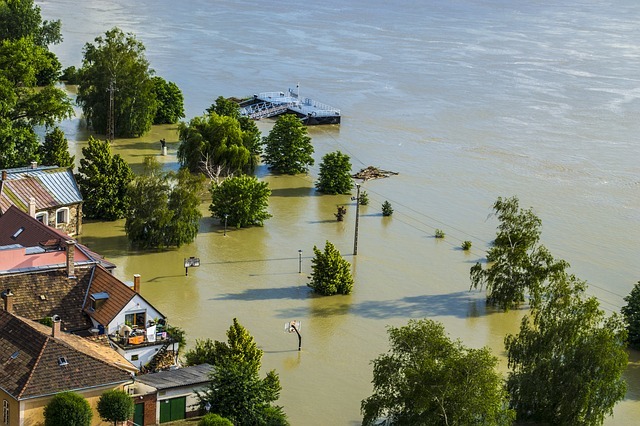
The following fact may surprise some of you. Standard boilerplate homeowner's insurance coverage does not provide coverage against damage caused by flood waters. Wait a minute, you might be saying: what about all those homes and even entire neighbourhoods and towns that were rebuilt after one of those 100-year-floods that lately seem to be happening more frequently.
Well, many of those homeowners who experience such a flood likely had flood insurance. Those that were not fortunate enough to plan ahead by insuring their home likely received federal assistance to rebuild.
So now you're sitting thinking to yourself: why bother with flood insurance if the federal government is just going to step in and help out?
Here are some very good reasons
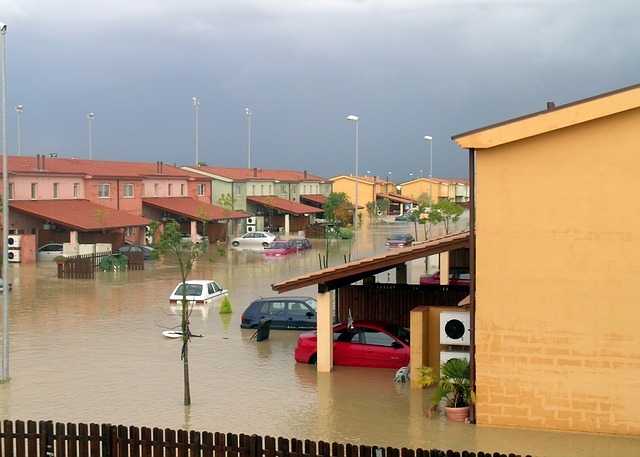
That assistance only arrives if the President officially declares where your water-damaged home sits to be part of a national disaster area. You might want to consider that you are almost certain to get a private insurance payout before government monies arrive.
Then there's the fact that you don't have to pay back anything you get from your insurance company. And, finally, if you remain unconvinced, just find someone who has been through the process of applying for and receiving federal disaster aid. Consult your insurance company for further information on availability and necessity for flood insurance where you live.
Most homeowners have at their disposal a number of options worth considering well before any immediate flood danger.
Flood Preparation as Part of Regular Home Maintenance
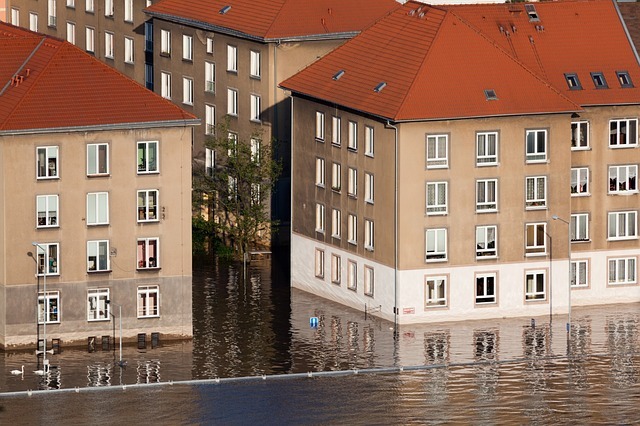
- Take photographs or video of all your most valuable possessions and make copies of all important documents. Most importantly, secure all records of your belongings in a secure and safe location away from you home!
- Prevent sewer lines from backing up installing backflow valves.
- Use waterproofing compounds to seal basement walls.
- Reduce the potential for serious erosion through targeted landscaping
- Install a device that senses rising water and either signals you through an alarm or alerts you through an app downloaded to your phone
- Choose a friend or family who lives out of town and make sure every member of the family actually knows their phone number rather than just the correct contact to press on their speed dial. If anyone gets separated either before or during flood, this will the person they contact to let everyone know they are safe
Flood Preparations When Given Advance Notice
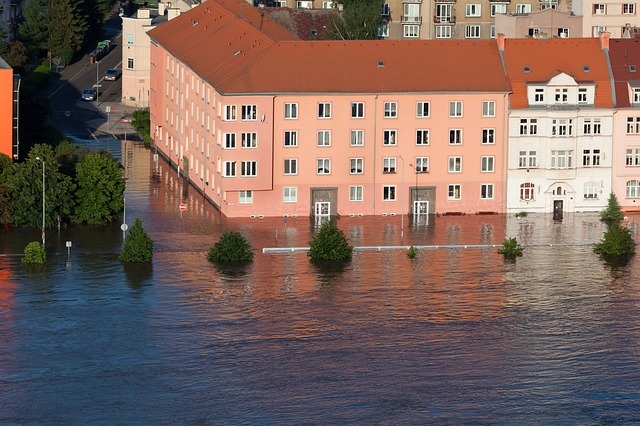
- Install flood barrier shields, construct levies and build berms or floodwalls as a means of obstructing the water's entry into your home
- Create an emergency stockpile of food and water enough to last at least three to seven days in the event your home survives the flood better than local utilities
- Buy a robust supply of batteries to keep battery-operated radios, televisions, games, flashlights and cooking supplies working until power is restored; count on being without power or cable TV for at least a week and celebrate if wildly if communication with the outside world is restored more quickly
- Secure loose furnishings to reduce the risk of damage and board up windows to reduce the risk of flying glass
- If given notice to evacuate, do not hesitate or risk trying to ride out the flood. Pack as any of your belongings as reasonable to take with you and move what you can to the highest points inside your home. Shut off electricity, gas, oil at water at the main control source
- If it's not possible to evacuate with your pets in tow, try to find them shelter at a kennel or the home of friends and family outside the predicted flood zone
Flood Preparations with Emergency Notice
- Give all your bathtubs a thorough cleaning and fill them with a supply of fresh water. Do the same with any empty jars, bottles or cartons you have on hand
- If you haven't yet gotten around to storing copies of your important documents away from your property, secure them in the most waterproof container you have and move to them to higher ground
- Turn off all utilities at the main control panel
- Try to remain calm and resist the panic urging you to escape by car or foot once you realize that the situation is going to be more dangerous than you thought. Instead of increasing the danger to yourself by attempting to drive or walk through flooded streets, continue moving upward through your house to higher ground
- Pack a flashlight, extra batteries and a supply of warm clothes including a hat, gloves and dry shoes at the exit point to your roof in case flood waters rise to the point the roof is your only option for survival
After the Deluge
- If you rode out the flood inside your home--especially if doing so meant you were essentially captive inside for several days--you will likely want to head outside and check out the damage suffered throughout the neighborhood. If you simply can't resist a little post-flood exploration, take care to avoid areas still covered by water that are usually quite dry and don't approach any downed power lines even if the electricity still appears to be out for everyone
- If you evacuated before the flood, always take the time to closely inspect the exterior of your home upon returning before entering. If returning to your home in the dark, use a flashlight for illumination rather than candles to avoid the significant peril of gas leaks
- Get the all clear from your utilities companies before turning on the electricity or gas
- Start taking photos or video of any damage to your home or belongings immediately and in the initial state of disrepair in which you find them. Doing so increases your chances of getting the full restitution you are entitled to as part of your flood insurance agreement
- As soon as you have completed recording the damage, contact your insurance company to file a claim. Resist any temptation to embellish or misrepresent your actual losses or damage as doing so could actually result in not receiving all the benefits to which you are entitled
- Start the clean-up process by separating the totally destroyed from damaged but salvageable. Hand out masks and gloves to everyone involved in the clean-up to reduce the risk of exposure to bacteria and hazardous materials
- If the water damage was severe enough to thoroughly moisten walls, flooring and furniture you will want to give serious consideration to hiring a professional to test your home for dangerous levels of mold that can pose long term health problems if left undetected
- Toss out all food in the refrigerator if electrical power was lost for more than a few hours. Make sure that everyone disinfects their hands if they made any actual contact with flood waters
Even if you can't take every precaution mentioned here or elsewhere to protect against the ravenous danger of uncontrolled water moving through your home, it pays off big to do what you can.
Even the mere act of planning ahead can pay off in dividends you might not expect. Knowing that you thought ahead and realizing that such planning is actually turning out to be useful can go a long way toward reducing the fear and anxiety associated with surviving natural disasters.
During such extraordinary moments of great stress, the single most useful weapon you may possess in the battle to survive Mother Nature's onslaught may well be your ability to remain calm.
Comments