order of home renovations

order of home renovations

Member since 2025 · 81 posts · 19 votes

Hello,

I was planning on retiling a home- it is currently unoccupied
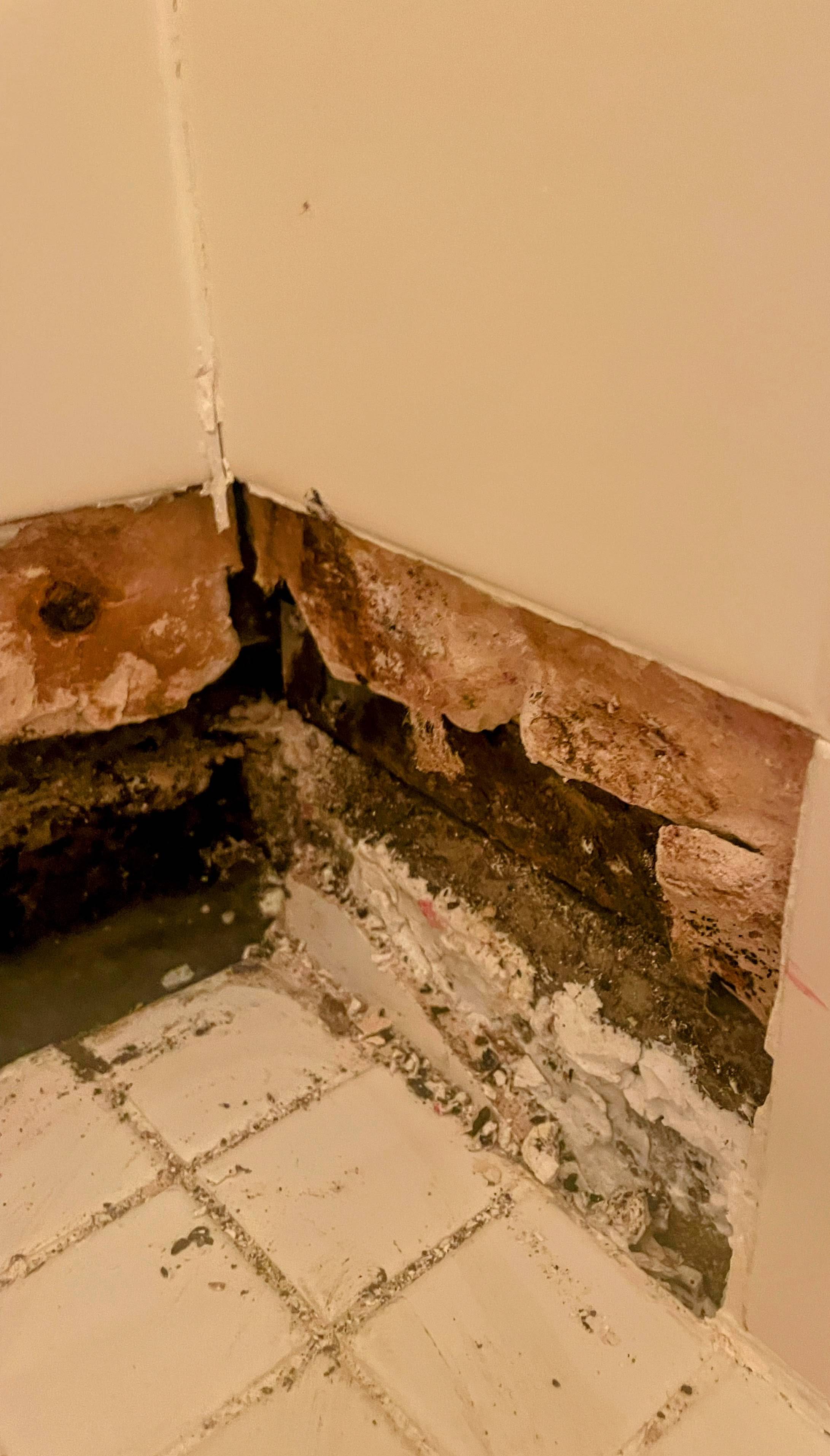
. The current tile is popping off and cracking in many spots all over the home and the tenants just moved out. While tenants were living there tiles were cracking at the bottom of the shower. I wanted to also address this while it's empty. I removed the cracked tile and found it's wet inside, and there is some mold on the inside. The person I spoke to said it's denshield inside- there is mold on the denshield. I imagine the base of the shower has this because tiles are cracking around the base. So instead of a repair, I am assuming I need to completely redo the shower. Does that sound/ look right?

The tile person I am speaking to- asked me about starting the tile work next Monday. Initially I was ok with that- because I thought the shower would be a small repair. But From what I have read online ( since I don't really know myself) you should do the shower re-do before you do the floor tile redo. The tiler told me he just covers his walkways and it's no big deal to do the floor tile before you do a shower re-do?

Anyone have experience with this?

I am hesitant about that- also because I want to get multiple quotes for the shower re-do and if they start the tile demo (of the home) next monday- I would have to wait on getting shower estimates.

And then if I need to re-do the shower I was wondering what good options are- I am assuming retiling it would be the most expensive.

I am looking for durability, good quality/ not leaking again, price, and decent warranty. Any recommendations for what to re-do the shower with? Thanks

0Reply
273 views

Most Popular Reply

Real Estate Broker · Northeast PA · Member since 2017 · 2k+ posts · 2k+ votes
10mo

It's fortunate you found the damage before moving forward.  If you just patch over the existing problem, you'll be back at it again in time, and it will cost much more to correct.

Put the tile install on hold, demo the shower and lower walls, until you find no more water damage, usually about 3 or 4 feet up from the ground.  Treat for mold, and if any wood is seriously damaged, replace that as well.  You'll also need to demo out the flooring to see how far the water affected the floor.

After all the demo is completed, have the bathroom checked by a competent pro, and make sure the moisture/mold remediation is completed.  Make sure the new sheetrock is green/purple water resistant type.  Paint the walls and floor where the new shower will be installed with a waterproof sealer paint. 

Then, and only then, should you install your new shower and wall/floor tiling.  

See this reply in the discussion

8 Replies

Jump to latestLatest
  • Real Estate Broker · Northeast PA · Member since 2017 · 2k+ posts · 2k+ votes
    10mo

    It's fortunate you found the damage before moving forward.  If you just patch over the existing problem, you'll be back at it again in time, and it will cost much more to correct.

    Put the tile install on hold, demo the shower and lower walls, until you find no more water damage, usually about 3 or 4 feet up from the ground.  Treat for mold, and if any wood is seriously damaged, replace that as well.  You'll also need to demo out the flooring to see how far the water affected the floor.

    After all the demo is completed, have the bathroom checked by a competent pro, and make sure the moisture/mold remediation is completed.  Make sure the new sheetrock is green/purple water resistant type.  Paint the walls and floor where the new shower will be installed with a waterproof sealer paint. 

    Then, and only then, should you install your new shower and wall/floor tiling.  

    • Member since 2025 · 81 posts · 19 votes
      10mo
      Quote from @Marc Winter:

      It's fortunate you found the damage before moving forward.  If you just patch over the existing problem, you'll be back at it again in time, and it will cost much more to correct.

      Put the tile install on hold, demo the shower and lower walls, until you find no more water damage, usually about 3 or 4 feet up from the ground.  Treat for mold, and if any wood is seriously damaged, replace that as well.  You'll also need to demo out the flooring to see how far the water affected the floor.

      After all the demo is completed, have the bathroom checked by a competent pro, and make sure the moisture/mold remediation is completed.  Make sure the new sheetrock is green/purple water resistant type.  Paint the walls and floor where the new shower will be installed with a waterproof sealer paint. 

      Then, and only then, should you install your new shower and wall/floor tiling.  


       do you mean I need to remove tiles from the floor in the bathroom? potentially?

    • Real Estate Broker · Northeast PA · Member since 2017 · 2k+ posts · 2k+ votes
      10mo
      Quote from @Sasha Leans:
      Quote from @Marc Winter:

      It's fortunate you found the damage before moving forward.  If you just patch over the existing problem, you'll be back at it again in time, and it will cost much more to correct.

      Put the tile install on hold, demo the shower and lower walls, until you find no more water damage, usually about 3 or 4 feet up from the ground.  Treat for mold, and if any wood is seriously damaged, replace that as well.  You'll also need to demo out the flooring to see how far the water affected the floor.

      After all the demo is completed, have the bathroom checked by a competent pro, and make sure the moisture/mold remediation is completed.  Make sure the new sheetrock is green/purple water resistant type.  Paint the walls and floor where the new shower will be installed with a waterproof sealer paint. 

      Then, and only then, should you install your new shower and wall/floor tiling.  


       do you mean I need to remove tiles from the floor in the bathroom? potentially?

      Yes.

  • James JonesPro Member
    Investor · Collierville, TN 38017 · Member since 2017 · 821 posts · 600 votes
    10mo

    If the shower walls are already showing moisture intrusion and mold behind the tile, you’re not dealing with a cosmetic issue anymore. That’s a full shower rebuild, not a patch. Once water gets past tile and into the backer, the only “fix” that lasts is tearing it down to the studs and rebuilding with a proper waterproofing system.

    On the order of renovations:

    You’re correct. The shower should always be rebuilt before you retile the floors. Demoing a shower will almost always disturb floor tile, and there’s no point installing a brand-new floor just to risk damaging it during the shower tear-out.

    A few guidelines:

    Shower first, floor second.

    Demo the shower, repair or replace any damaged framing, install proper waterproofing, and rebuild the enclosure before touching the rest of the tile in the room.

    Get multiple quotes.

    Shower rebuilds vary a lot in price depending on materials and waterproofing systems. It’s smart to pause the general tile work until you know what the shower is going to require.

    Choose your waterproofing carefully.

    For long-term durability and minimal leaks, most investors go with:

    • Schluter Kerdi system (waterproof membrane)

    • Cement board + liquid waterproofing like RedGard or HydroBan

    Either option is miles better than DensShield once water intrusion has occurred.

    Don’t accept “we can just cover it.”

    Covering walkways doesn’t prevent vibration, dust, or demo impact. A proper shower rebuild will always be messy enough to justify doing it before installing finished tile elsewhere.

    If durability and no-repeat leaks are your priority, a full rebuild using a membrane system is the best investment. It costs more upfront, but the alternative is re-doing it again when the patch fails.

    • Member since 2025 · 81 posts · 19 votes
      10mo
      Quote from @James Jones:

      If the shower walls are already showing moisture intrusion and mold behind the tile, you’re not dealing with a cosmetic issue anymore. That’s a full shower rebuild, not a patch. Once water gets past tile and into the backer, the only “fix” that lasts is tearing it down to the studs and rebuilding with a proper waterproofing system.

      On the order of renovations:

      You’re correct. The shower should always be rebuilt before you retile the floors. Demoing a shower will almost always disturb floor tile, and there’s no point installing a brand-new floor just to risk damaging it during the shower tear-out.

      A few guidelines:

      Shower first, floor second.

      Demo the shower, repair or replace any damaged framing, install proper waterproofing, and rebuild the enclosure before touching the rest of the tile in the room.

      Get multiple quotes.

      Shower rebuilds vary a lot in price depending on materials and waterproofing systems. It’s smart to pause the general tile work until you know what the shower is going to require.

      Choose your waterproofing carefully.

      For long-term durability and minimal leaks, most investors go with:

      • Schluter Kerdi system (waterproof membrane)

      • Cement board + liquid waterproofing like RedGard or HydroBan

      Either option is miles better than DensShield once water intrusion has occurred.

      Don’t accept “we can just cover it.”

      Covering walkways doesn’t prevent vibration, dust, or demo impact. A proper shower rebuild will always be messy enough to justify doing it before installing finished tile elsewhere.

      If durability and no-repeat leaks are your priority, a full rebuild using a membrane system is the best investment. It costs more upfront, but the alternative is re-doing it again when the patch fails.


       the person I was talking to about installing tile wanted to tell me it would be fine to do the floor first and then the shower. Thanks for all the info!

      I received a quote for 6500$ without tile for shower renovation. And then I got another quote for 13,000$ with the schluter system- is the price difference related to the schluter system vs shower pan?

      I live in FL, do you know what i can expect from warranties in regards to the shower? 

      The longest I have heard is 5 years so far.

      Thank you for your help!

  • Real Estate Broker · Northeast PA · Member since 2017 · 2k+ posts · 2k+ votes
    10mo

    Yes, pull up those floor tiles to check for as yet unseen water damage.  Take no chances with the flooring when there is wall damage at the baseboard level.  

  • Member since 2026 · 32 posts · 4 votes
    1mo

    Hold off on the main floor tile for now. Your intuition is 100% right on this one.

    If they start demoing the shower after the floor is already done, they’re going to drop heavy materials, walk back and forth with wet boots, and likely damage your new floor. Shower demo is messy. Always do the wet area tear-out first.

    Also, if you've got mold on the DensShield, the waterproofing is shot. Don't let anyone convince you to just patch a few tiles at the base, because the leak will just come back in a few months.

    If you don't want to deal with grout lines cracking and leaking again down the road, take a look at West Shore Home. We went with a solid surface setup from them in one of our rentals specifically because of the lifetime seal warranty-zero grout lines to break or mold up behind the wall.

    Get a few quotes, but definitely tear out that shower down to the studs before touching the main flooring.

Join the conversationCreate a free account to reply, vote on answers and follow this thread.