Real Estate Consultant · Los Angeles · Member since 2026 · 48 posts · 11 votes
One thing I keep noticing from conversations here:
Most property problems don’t start as major issues—they start as small things that go unnoticed.
An expiring insurance policy.
A missed compliance item.
A maintenance issue that isn’t fully tracked.
Individually, they don’t seem urgent. But over time, they can turn into real financial or operational headaches.
From what I’ve seen, the challenge isn’t lack of tools—it’s that things are spread across different systems, and nothing gives a clear, ongoing picture of risk.
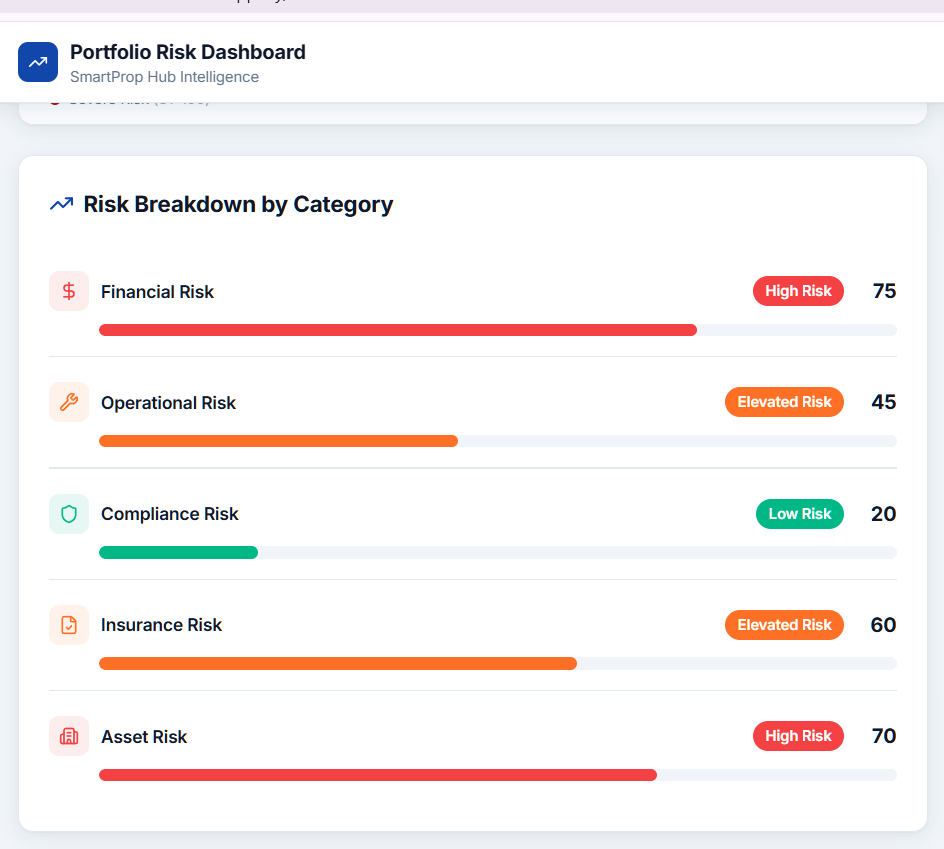
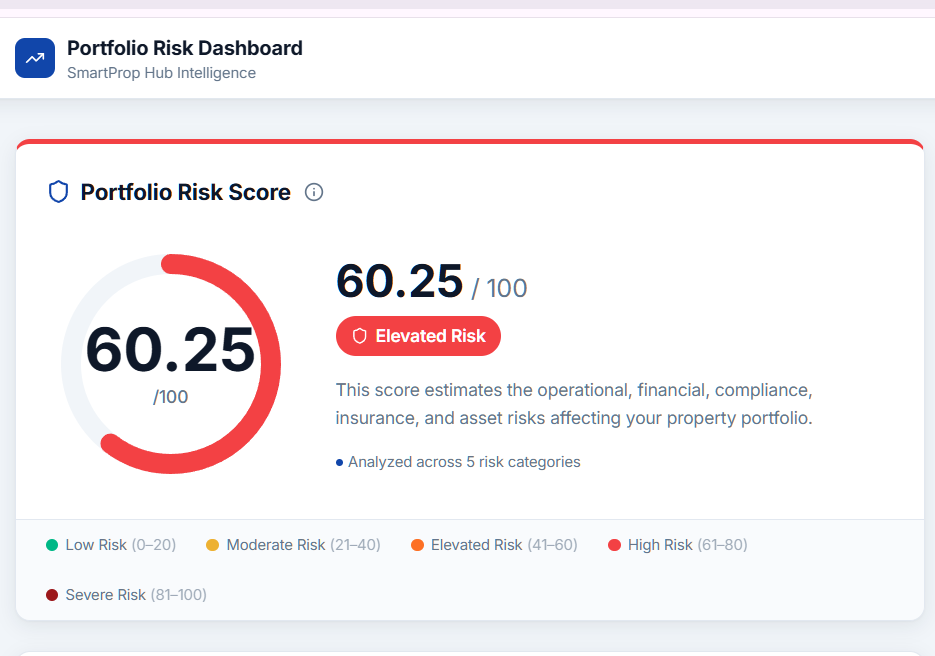
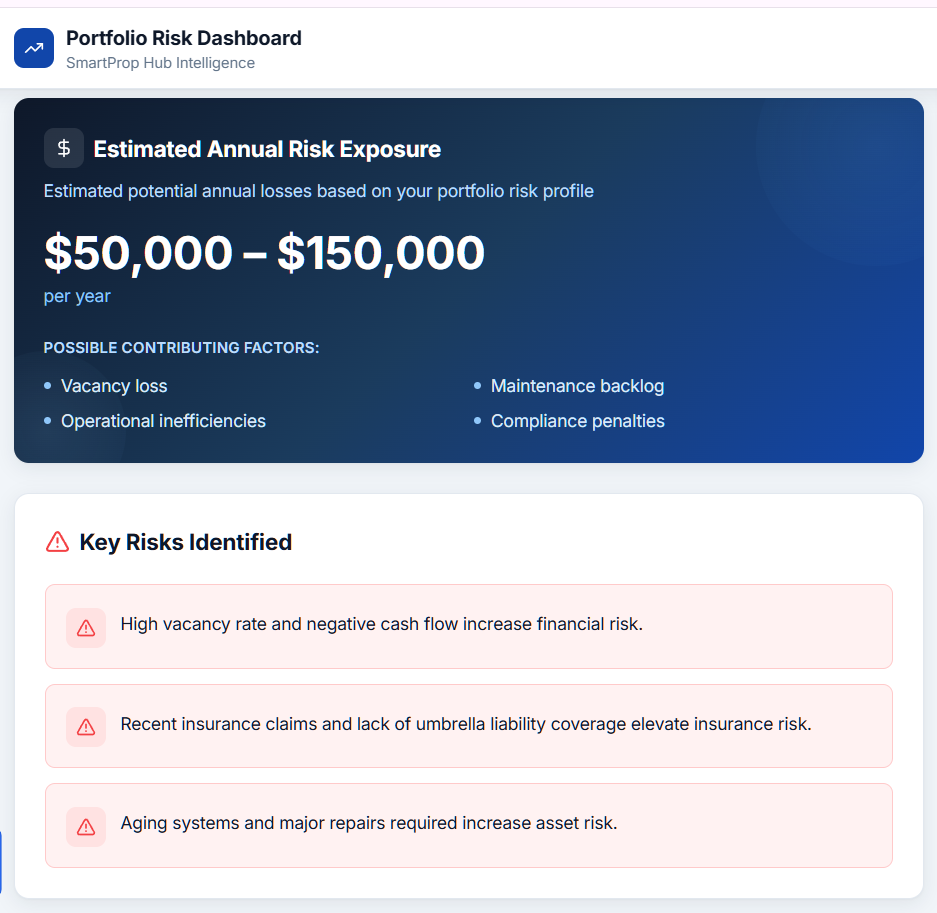
I’ve been exploring this idea and put together a very simple tool to highlight potential gaps and surface risks.
If anyone is open to trying it and sharing honest feedback, I’d really appreciate it:
👉 https://tinyurl.com/ycxwwsm
Curious how others here are currently staying on top of these kinds of issues—especially across multiple properties.
Standards and Solid Processes, and sticking with them. Every oversight, every duplicitous call, email and text, every bit of re-work, takes more of your precious time, and usually money. Do the right things right, the first time.
Exactly — that’s a great way to put it. Most issues come from small breakdowns in process, not big mistakes. The challenge I’ve seen is that even solid processes become hard to follow consistently when everything is spread across emails, texts, and different systems.
That’s actually what led me to build a simple tool — not to replace processes, but to make them more visible and easier to stay on top of.
If you’re open to it, I’d be curious to get your take on it — especially from a “standards and process” perspective.
I am retired now, completely out of RE. I do still like to share some of the knowledge gained over 30 years here in the forums. I'm neither buying or selling anything, including apps. Post some screenshots and we can all give you some input; or DM a pdf.
There are no acceptable small problems...any unresolved problem or one that is not resolved effectively and promptly is a warning sign to investors. You're running a business; you're paying for a professional service. Manage the relationship to the contract; provide feedback; expect resolution and proof of it. When you are proactive, you are demonstrating your professionalism and expertise. You got this.
Great observation — most major issues are usually just small things that weren’t addressed early.
A few that consistently turn into bigger problems:
Minor maintenance delays — a small leak or HVAC issue turns into a much larger repair when it sits
Inconsistent lease enforcement — letting one late payment slide often becomes a pattern
Poor documentation — missing photos, unclear move-in reports, or scattered communication makes disputes harder later
Vendor inconsistency — using different vendors each time leads to uneven quality and pricing
Gaps in communication — tenants not knowing how/when to report issues usually means problems surface late
Most of these aren’t urgent in the moment, which is why they get pushed. The common thread is lack of a clear, repeatable process to track and close things out.
In practice, the difference isn’t usually more tools — it’s having simple, consistent systems that make small issues visible and actionable before they stack up.
One thing I keep noticing from conversations here:
Most property problems don’t start as major issues—they start as small things that go unnoticed.
An expiring insurance policy.
A missed compliance item.
A maintenance issue that isn’t fully tracked.
Individually, they don’t seem urgent. But over time, they can turn into real financial or operational headaches.
From what I’ve seen, the challenge isn’t lack of tools—it’s that things are spread across different systems, and nothing gives a clear, ongoing picture of risk.
I’ve been exploring this idea and put together a very simple tool to highlight potential gaps and surface risks.
If anyone is open to trying it and sharing honest feedback, I’d really appreciate it:
👉 https://tinyurl.com/ycxwwsm
Curious how others here are currently staying on top of these kinds of issues—especially across multiple properties.
Appears you've neglected human-risk!
Looked at your software for a few minutes and the problem I see is that very few people are going to be able to know enough to cover all of it.
That's one big issue in the industry - owners want a single point of contact, but don't realize all the different types of expertise required to manage rentals today.
How many people are experts at all of the following: Accounting Application Screening - complying with Fair Housing + local laws, catching fraud Writing Rental Ads Analyzing Marketing Results Maintenance - understanding all the tasks and associated costs Inspecting Properties - knowing what to look for Evictions - knowing all the laws City Rental Ordinances Tracking EVERYTHING for accountability
That’s a great point — property management really requires multiple areas of expertise, and very few people can cover all of them well.
My goal isn’t to replace that expertise, but to make gaps more visible so nothing slips through the cracks.
Curious — how do you personally manage that complexity today?
A common one I have seen is making one-time exceptions for late payments.
Whether it's placing a tenant on a payment plan, waiving a late fee, or something else, once you grant that first exception to late rent, the tenant then values the importance of paying rent less and you will soon find yourself chasing that tenant for rent every month.
The best practice is to stick to the lease and let the tenant know that the rent payment matters or consequences will follow.
Small problems are usually what turn into big headaches later. A tiny leak or an HVAC issue can quickly become a major repair if ignored. Letting one late rent slide or being inconsistent with lease rules sets a precedent that’s hard to undo. Missing documentation, changing vendors all the time, or poor communication with tenants only makes things worse. The trick is having simple, consistent systems so these small issues don’t get lost and cause bigger problems down the road.
Spot on. In 30 years of doing this, I've learned you don't build businesses, you build people... and you build systems to protect those people from dropping the ball. A missed $50 HVAC filter change turns into a $5,000 compressor replacement real fast. If your PM is still tracking maintenance on sticky notes and text messages, you're already losing money. You need a single source of truth.
Spot on. In 30 years of doing this, I've never seen a "small" leak stay small. It's always the deferred maintenance that kills your cash flow. That's why we don't do maintenance markups at Westrom Group... owners need to fix things fast without feeling nickle and dimed. If you don't have a system to catch the small stuff, you don't have a business, you have a hobby.
The ones that get you are never the dramatic emergencies... it's the slow leaks. An insurance policy nobody tracked. A maintenance ticket that got logged but never closed. A tenant who stopped communicating and nobody followed up. After 30 years managing Class A homes in Fort Worth, I can tell you the fix isn't a better app... it's a system with a real human accountable to it. The properties that run smooth are the ones where nothing falls through the cracks because someone actually owns the process.