

Is energy efficiency the future of real estate?

People are making considerable efforts to use as little energy as possible by means of efficient technology and processes. Power-saving is always brought up in government policies regarding green building design, not only in the United States, but also in the rest of the world. When discussing real estate, it’s very important to address energy efficiency. Energy-conserving features in a property can significantly reduce utility bills. When renting or buying a new home, regular individuals look for features that will help them save money as far as energy bills are concerned.
The new buildings in the world have high efficiency standards when they are constructed, in spite of the fact that they don’t possess an efficiency certification. The good news is that more and more real estate professionals are investing in energy efficiency having understood that it benefits them, as well as society. The process doesn’t necessitate a great deal of attention. Nevertheless, it does present some minor challenges. Unquestionable, these challenges can be overcome with success. There is no risk whatsoever to these kinds of investments, which are so important when it comes to the industry and quality of life.
The value of energy efficiency in real estate
Homes worldwide cut energy costs in half after having spent millions in power-efficient upgrades. In Canada, for instance, there is a great focus on the technical performance of buildings. When a home suffers due to poor quality building materials, improper maintenance or deficient insulation, building envelope consultants are called to identify the problems and recommend solutions. It’s completely understandable why homeowners go through so much effort to make their dwellings energy efficient. They aren’t millionaires, so they can’t afford to pay a high sum of money on utility bills. People have lives and making ends meet isn’t enough for them. The question now is: why should real estate professionals care about energy efficiency?
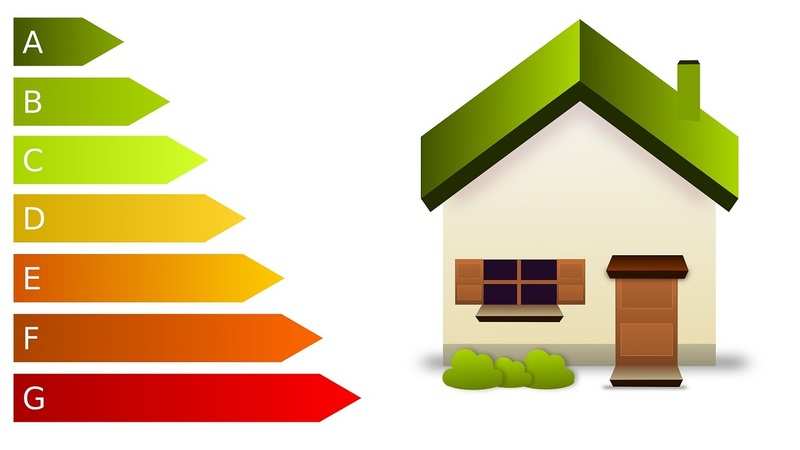
Energy efficiency has an impact on real estate values. To be more precise, they improve property value. The reduction of the utility consumption results in the improvement of the building’s cash flow. If people are able to put money in their pockets each month, then the asset can be considered valuable and it can be included in the valuation process. Higher energy conservation levels correspond to a higher asset value and the possibility to make profit. It’s worth mentioning that there has been a sustained effort to create green practices in real estate, covering building evaluation and construction, investment, and industrial development.
When it comes down to energy efficient buildings, twice as much money is deployed. The fact of the matter is that those who are willing to undertake such projects witness the overall value of their portfolio increase. It’s true that in order to upgrade a property it’s necessary to make a big investment, because each building has unique characteristics. However, it’s essential to not forget that power-saving projects bring a high return on the investment. Some investors don’t even pay attention to these projects, thinking that they aren’t worth their time. With time, all real estate professionals will comprehend the practicality of energy efficiency investments. They will finally get it that boosting financial savings, while at the same time reducing pollution and cutting down on energy consumption, will benefit everyone.
What features can make a home more energy efficient?
The efficient structure has suffered many modifications over the course of time. As mentioned earlier, some of them have high energy conservation standards, although they don’t actually have an energy efficiency certification. The way that thigs are done has changed drastically. In the 90s, for example, being energy-conservative wasn’t a concern and there wasn’t even the threat of climate change. Nowadays, residential and commercial buildings are required to meet strict regulations with regards to energy conservation. The public’s understanding of the significance and implication of using less energy has determined authorities to implement rules for those in the real estate business. The energy performance of a property has to be ensured. What does that mean, in any way?
Improving a property’s energy efficiency can be done with features such as:
Insulation
Better air distribution
Solar systems
There is a close connection between energy efficiency and insulation. Insulation is what makes an asset more energy-conservative, maintaining it cooler in the summer and warmer in the winter. When there is sufficient insulation, it’s possible to save up to 80% on utility bills. Homebuyers and renters take into consideration features like insulation, which is the reason why emphasis should be placed on the act of insulating. The best insulating material includes mineral wool, fiberglass, and vermiculite.
The correct displacement in terms of heat contributes to energy efficiency. Energy consumption takes place when constant volume systems operate at peak air flow. The supplies must be adapted from constant volume to variable volume. Equally important is to take care of air leaks and to reduce drafts. Constructing a building is hard enough without worrying about the HVAC system. However, it’s required to develop air distribution systems that ensure that as little energy as possible is used.
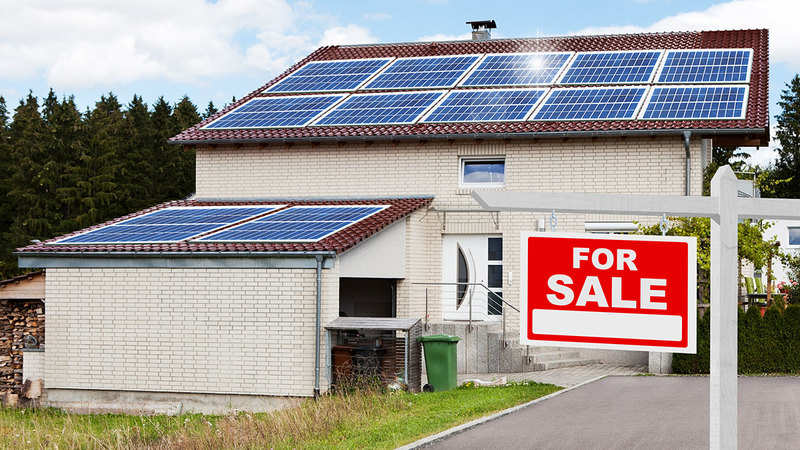
As the name suggests, solar systems are panels that are designed to absorb the rays of the sun and transform them into energy. In the real estate world, solar systems are in the spotlight. The reason for this is that they are capable of harnessing the power of the sun and they are an important component of the real estate revolution. Investors are making experiments with solar panels. Basically, they want to see the energy savings occurring. Most of them have reached the conclusion that no time is wasted when it comes to solar systems. People don’t need to be told that a property featuring solar panels is energy efficient. They know enough to understand that solar power results in tremendous savings. They may want to find out the energy rating of the building, but that’s it.
Final considerations
Whether we like it or not, energy efficiency is the future of real estate. We live in tough times and it’s impossible to ignore climate change and everything that is happening. Making buildings more power-saving isn’t difficult, it just requires a little effort.


Comments