

Bio: Hyperinflation tango
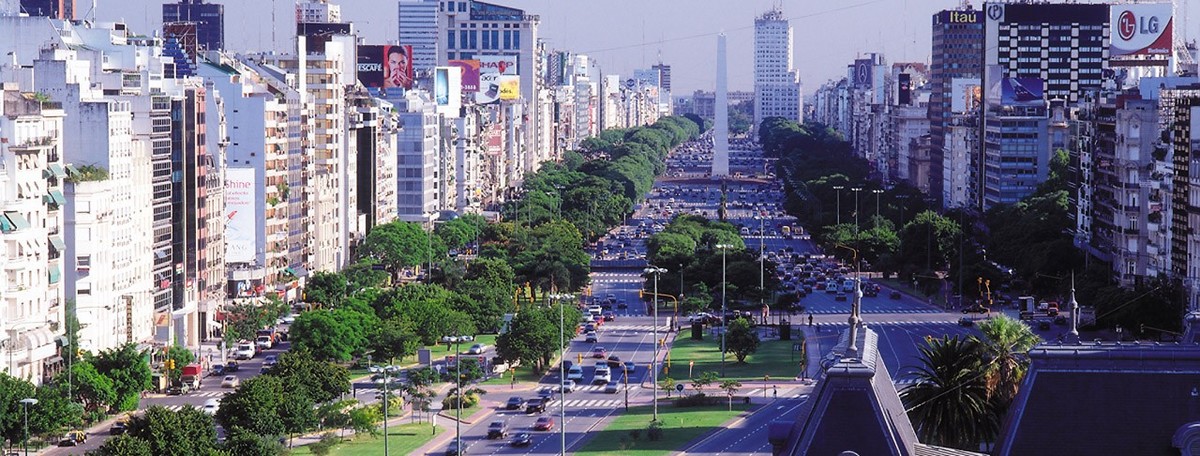
If you're going to fill a suitcase with US $100 bills, it is handy to know that one million dollars weighs about 22 pounds. When our family moved to the dictatorship of Argentina in 1978, it took a suitcase of these bills to buy a house. There was no point in buying a house in a crate of pesos, as it would have taken a crane to lift it. Getting the peso bills to a bank might cost you in devaluation just for the time it took to arrive and get counted. So if you wanted to buy property, you brought dollars to the table.
Now that Forbes reports that Buenos Aires real estate is at an multi-year low, and the dollar is strong, almost forty years later you still bring dollars to transact. Even after the country reverted to civilian rule in 1983, the Argentine economy has never been all that robust. Their currency perpetually suffers for lack of national fiscal responsibility, and consequently devalues on a routine basis.
Apart from experiencing the early 1980s, or when currently carrying a large credit card balance, Americans are not used to high rates of inflation. Our family was not really concerned with US inflation rates of 14% - 18%, when we were routinely experiencing local rates well over 40%. Because dollars lost their value slower than pesos, they made the better inflation hedge. But between the two countries where we worked and visited, currency in either location was losing value fast. You soon learn as a teenager that tangible goods hold better value than money, and no personal property seemed to hold value better than real estate.
The year before moving to Argentina, the family was again living in Joplin, Missouri. I was fortunate enough in public school to find a class teaching the financial issues of life, named "Consumer Economics". Among the various family financial matters that were tought, we were shown how a home mortgage works including how to calculate the amortized payments. In 1977, it was still reasonable to figure a housing payment based on a 9% or 9.5% mortgage rate. We never thought the rate would go much lower than that then, and even the early 2000s rate of 6% would have been for us inconceivably low.
Now in 2015 with owner occupied residences being mortgaged for under 4%, I can not imagine how the rates could ever get better after years of quantitative easing. But what makes me very nervous about the dollar is the rate at which dollars have entered the money supply by the Federal Reserve. Granted, the Argentina has never been a world reserve currency like the pound sterling or the US dollar. But I have seen how time and time again Argentina has tried to control its foreign exchange rate while spending more money than they made. It never ended well for them then, and I can't see in ending well for the USA now.
I would rather be buying a house now when you can do so with a messenger bag of 100 dollar bills, so to speak. If the world wakes up and decides they no longer want Treasury bonds but instead want hard assets for their dollars, I don't want to be transacting for properties with a suitcase of euros, yen, or yuan.
Comments