I started last year and I have 5 units in Phoenix area and couple of primary (bought in 2014) and secondary home (bought in 2021) in Seattle which is where I am based. Phoenix is getting more and more expensive and numbers aren't working very well there anymore.
What about an analytical way to pick an out of state market? You’re really looking for B class areas in the path of progress. So is there a way to find those? Yes, I did this analysis for you so that you don’t need to spend the time trying to research areas. Briefly here is that methodology and the list. Feel free to DM me for a link to the complete article.
Filter for MSAs that have 150k plus people and are within 50 miles of a major airport (1M or more flights per year).
Only look at zip codes that have a least 3k housing units (target rich environment) and a median home value of 100-250k. Rank by number of housing units that meet those criteria.
Here is the list by housing units.
Houston, TX
San Antonio, TX
Las Vegas, NV
Philadelphia, PA
Indianapolis, IN
Jacksonville, FL
Phoenix, AZ
Tucson, AZ
Orlando, FL
Fort Worth, TX
Charlotte, NC
Minneapolis, MN
Columbus, OH
Miami, FL
Louisville, KY
Dallas, TX
Kansas City, MO
Oklahoma City, OK
Omaha, NE
Albuquerque, NM
Why not pick a few areas off this list and then find submarkets that work for you? That is what I did… I invest in Kansas City and it's a great market.
Having a great PM and a great agent is key! I know you can be successful in any of these markets, so get going!
Real Estate Agent · Columbus Cleveland Dayton, OH · Member since 2018 · 2k+ posts · 1k+ votes
5y
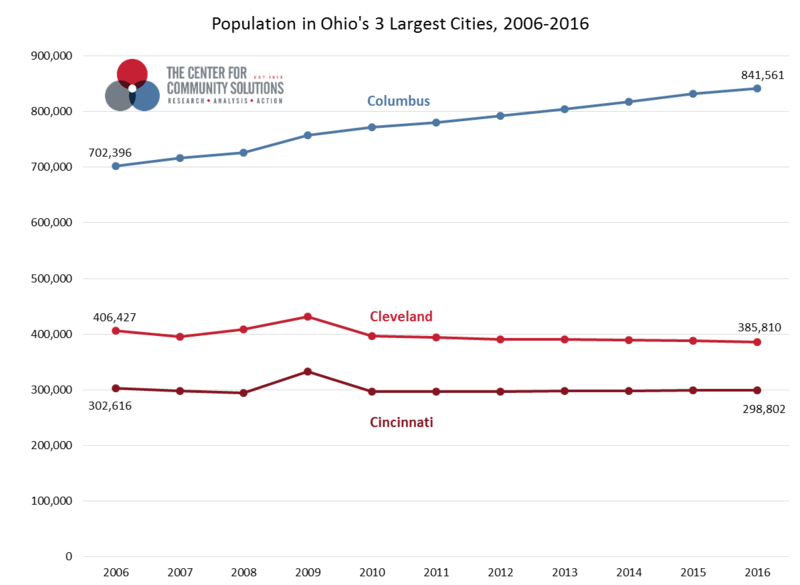
It's best to focus on one market and build up a good team and systems there. I personally invest in Columbus and have heard a lot of good success stories from out of state investors here.
I started last year and I have 5 units in Phoenix area and couple of primary (bought in 2014) and secondary home (bought in 2021) in Seattle which is where I am based. Phoenix is getting more and more expensive and numbers aren't working very well there anymore.
What state should I consider and explore?
Investment goal: 50 Units by 2025
Primary goal: Cash flow
Looking for about ~200 per door.
Any pointers would be super helpful.
Im a big fan of Columbus Ohio, 1 for its affordability 2 for its rent prices and 3 for its growth and appreciation. Since starting a couple years ago Ive been able to build up thousands in cash flow, hundreds of thousands in appreciation, and all on a broke budget.
United States · Member since 2021 · 125 posts · 49 votes
5y
I would look into Georgia, there are several neighborhoods in the Atlanta Metro area that are exceptional markets. I would also look into various parts of TN near the Gatlinburg area, Tampa FL and Ft. Myers is a good spot, some markets in Texas are good.
Property Manager · Kansas City · Member since 2021 · 58 posts · 42 votes
5y
@Jason Mileshko. I would be interested in what Atlanta markets you are seeing as good buys. I am seeing very expensive properties that need extensive work. THX
Instead of a list of potential investment locations, my thoughts on a good investment location's criteria are below. Before discussing the criteria, I want to mention the single biggest threat to long-term income from investment properties. That threat is inflation.
Inflation vs. Appreciation
Many investors select properties based primarily on ROI. ROI, and other such metrics, estimate how the property is likely to perform on day one of a lifetime hold. However, ROI tells you nothing about how the property is likely to perform in the future. How the property performs in the future is what your financial security depends upon. The biggest threat to financial security is inflation.
As you know, the cost of groceries and everything else continues to rise. This is because inflation is constantly eroding the buying power of money, so you have to keep spending more dollars to buy the same items. The only way to counteract the erosion of inflation is appreciation. See the image below.
Appreciation is largely driven by the location, not the individual property. While appreciation only refers to price increases, property prices are the leading indicator for future rents. So, if property prices are rising faster than the inflation rate, your inflation-adjusted rental income will increase. If the location appreciation is less than the inflation rate, then your inflation-adjusted income will decrease.
Key Location Indicators
Below are my key indicators of a good investment location.
Appreciation - The number one criteria in location selection is that prices and rents are rising faster than the inflation rate. If you buy in a location where prices and rents increase faster than the inflation rate, inflation is less of a problem. If you buy in a location where prices and rents are increasing below the inflation rate, your income will be eroded over time by inflation, and you may have no choice but to decrease your standard of living over time. According to the latest Bureau of Labor Statistics report, the U.S. CPI is rising at 5.4% over the last 12 months.
Population Size - Greater than 1 million. Small towns may rely too much on a single business or market segment.
Population Growth - If people are moving into a location, many things have to be right, including jobs, taxes, and cost of doing business. I would not invest in any location where the population is stagnant or declining.
Crime - People and companies will not move to locations perceived as dangerous. One source of cities to avoid is Neighborhood Scout's 100 most dangerous cities. Avoid any city on this list.
Disaster Risk - Some parts of the country are more prone to natural disasters. The best indicator for natural disaster probability is homeowners insurance cost. I would avoid states with high insurance rates. Note, even if insurance pays for all the damage your property suffers, you still lose. When a significant disaster occurs, people and jobs move to locations where they can make money today. The location may take years to recover, or it may never recover. ValuePenguin is a good source for the relative cost of insurance by state.
Based on the above criteria, you should be able to narrow the number of potential locations.
Real Estate Agent · Columbus, OH · Member since 2021 · 98 posts · 101 votes
4y
@Anshul Pandey Personally, I always recommend Columbus, Oh. The return is defiantly there and the market is only growing. People talk about the Columbus market changing or being to expensive, I disagree. Depending on your investment strategy, Columbus can determine your cash flow remarkably. You will defiantly most likely stay around 150-200 a door and always manage at least 1% (sometimes 1.3). STR's are also getting more popular as the years go on as well. People are buying deals in areas such as Southern Orchards and Whitehall with hard money and making 35k in 3 months. If you're looking for cashflow, then I would say buy around Upper Arlington, Hilltop, or Westerville. You will have decent tenants while maintaining that 150-200 a door. If you have any further questions moving forward, reach out to me! Either way, Happy Investing!
I would agree with Columbus, as you can see in this picture the trend is upward!