Investment Info:
Single-family residence buy & hold investment.
Purchase price: $279,000
Cash invested: $25,000
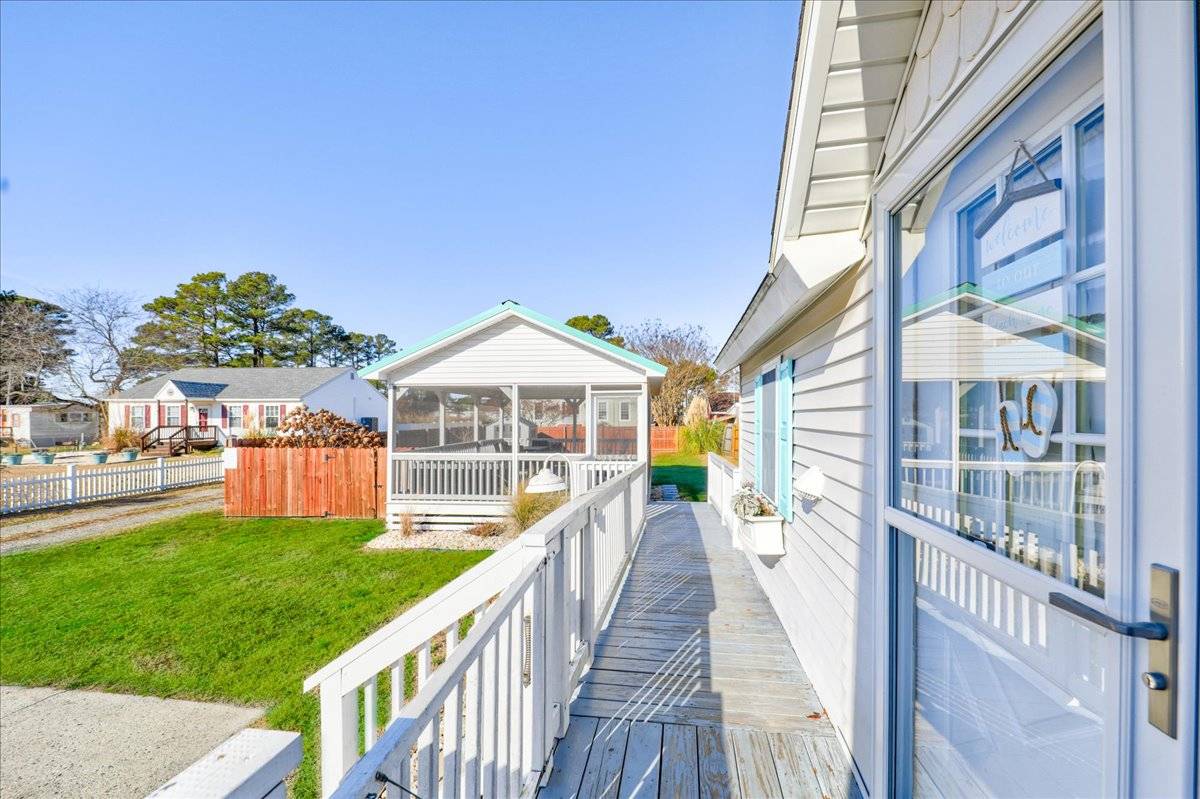
Small 2/1 with a large fenced yard. Additional detached screened porch.
What made you interested in investing in this type of deal?
Our first made good money.
How did you find this deal and how did you negotiate it?
Off market deal through a realtor friend.
How did you finance this deal?
Second home conventional 30 yr. 10-15% dn. rates were a little high at the time.
How did you add value to the deal?
Looking too do that. We can't keep loosing money every year.
Lessons learned? Challenges?
Bought during semi COVID rush when str were in huge demand.
Larry, "popular but loses money" is the most common STR story there is, and it's almost always one of three things stacked: revenue that's seasonal so the annual number is way under the peak-month run rate, gross bookings getting eaten by cleaning/utilities/supplies/fees/furniture replacement (STR usually nets 50-65% of gross, not 90), and a second-home loan at a higher rate doing the rest of the damage.
Before you spend a dollar "adding value," I'd find the floor first: what does this thing rent for as a plain long-term rental, and does that cover PITI? If a boring 12-month tenant covers the payment, then your STR is just upside and you can stop white-knuckling the seasonality. If even LTR rent doesn't cover PITI, the property itself is underwater and the move is exiting, not optimizing, no amount of better photos fixes a bad basis.
To actually run it, three numbers tell the whole story: your real trailing-12 gross revenue (not a good month times 12), your PITI, and the long-term rent comp for a 2/1 in that area.
What's it grossing over a full year, and what would it rent for unfurnished?
Hi if you post more information about what is happening in STR forum the experienced folks there may be able to offer suggestions.
Larry, "popular but loses money" is the most common STR story there is, and it's almost always one of three things stacked: revenue that's seasonal so the annual number is way under the peak-month run rate, gross bookings getting eaten by cleaning/utilities/supplies/fees/furniture replacement (STR usually nets 50-65% of gross, not 90), and a second-home loan at a higher rate doing the rest of the damage.
Before you spend a dollar "adding value," I'd find the floor first: what does this thing rent for as a plain long-term rental, and does that cover PITI? If a boring 12-month tenant covers the payment, then your STR is just upside and you can stop white-knuckling the seasonality. If even LTR rent doesn't cover PITI, the property itself is underwater and the move is exiting, not optimizing, no amount of better photos fixes a bad basis.
To actually run it, three numbers tell the whole story: your real trailing-12 gross revenue (not a good month times 12), your PITI, and the long-term rent comp for a 2/1 in that area.
What's it grossing over a full year, and what would it rent for unfurnished?
@Amir Twig is spot on. This is exactly what I recommend to all clients looking to go through with the STR Loophole/Exception. ALWAYS underwrite with LTR as a backup.
@Jules Aton Agreed. There are tons of regulars over there that can help. Great people!
Amir's framework above is the right way to find your floor before spending anything on "adding value" — I'd just add one piece to it: the financing itself might be part of what's turning "popular but losing money" into an actual loss.
You mentioned this was financed as a second-home conventional loan with a rate that was "a little high at the time" — worth knowing that second-home loans typically carry stricter occupancy expectations than an investment-property loan, and the rate/terms are priced differently too. If the property is functioning as a pure rental now, it might be worth having a lender review whether the current loan structure still fits the way you're actually using it, separate from the rate question.
Once you've got Amir's three numbers (trailing-12 gross, PITI, LTR comp), that'll tell you whether this is a financing/structure problem or a basis problem — and those call for very different fixes.
Happy to talk through the financing side in more detail over DM if it'd help once you've got those numbers.
Wright Sara
I'd agree with finding the floor first before spending more money on improvements. With a seasonal STR, the full-year numbers matter more than how busy the good months feel.
The large yard and screened porch may help the guest experience. I would still start with the trailing 12-month net. Then compare it with the long-term rental comp, if that is a realistic fallback. After that, look at the actual expense load. Cleaning adds up. Utilities add up. Maintenance adds up. Management and replacement costs do too.
If the long-term rental comp does not come close to covering the basics, it may not be an improvement problem. The issue may be the purchase basis, financing, or the use strategy.
Popularity helps, but it does not always mean the property is profitable.