Security Deposit Dispute: Normal Wear & Tear or Excessive Deductions?

Security Deposit Dispute: Normal Wear & Tear or Excessive Deductions?

Rental Property Investor · Charlotte, NC · Member since 2017 · 12 posts · 15 votes

Looking for feedback from experienced landlords/investors on a security deposit dispute and what you would consider ordinary wear and tear versus tenant damage.

I had a 14-month lease on a furnished rental in Charlotte, NC that I used for rental arbitrage. The security deposit was $2,700. I absolutely expect to pay for legitimate tenant-caused damage, but the landlord is now claiming more than $2,000 in deductions, and I believe a significant portion is either normal wear and tear or not sufficiently documented.

The deductions include cleaning, painting, garage pressure washing, an epoxy chip/repair in the garage, garage wall repair, a bathroom door, trash removal, and furniture items.

A few things concern me:

  • The original accounting was sent July 15 with specific dollar amounts. After I disputed the charges and requested receipts/invoices, some amounts changed.
  • Some line items were removed after I challenged them. For example, he initially charged a fee to tighten toilet-seat screws even though he acknowledged the seats were not damaged. His position was that I should have tightened them before move-out and that doing so cost him additional time.
  • One nightstand had a scratched top. He initially charged to replace both nightstands to maintain a matching set. I agreed I should only be responsible for the damaged one, and the price attributed to that single nightstand then increased from $175 to $250. I still have not received proof of the actual cost.
  • The landlord initially assigned relatively modest amounts to repairs he planned to perform himself. After I asked for documentation supporting those costs, he obtained a third-party estimate that was nearly four times the original repair amounts. The estimate was obtained about three weeks after the original accounting and groups multiple repairs together rather than assigning a clear cost to each item.
  • He also said another estimate and photos of completed work would follow, but I have not received them.
  • Several repairs apparently had not been completed when the deductions were originally assessed.

I have dated move-out videos/photos showing the property was generally clean and in good condition. The landlord claimed approximately 20 hours of cleaning were required, but when I asked for photos showing the excessive condition, the photos provided did not appear to support that level of cleaning. I’ll attach the relevant photos, including the bathroom door and garage epoxy chip.

For those who have handled security deposit disputes:

  1. Based on the photos, do these conditions look like ordinary wear and tear or tenant damage?
  2. What documentation do you normally provide or expect a landlord to have before deducting repair/replacement costs—photos, invoices, paid receipts, labor records, estimates, or proof the work was actually completed?
  3. How would you view deductions that increased substantially only after the tenant challenged the original accounting?
  4. For those familiar with small claims court, how strong do you think a tenant’s case is when there is contemporaneous move-out documentation, but the landlord’s pricing and supporting documentation continue to change?

I’m not expecting the full deposit back if there are legitimate deductions. I’m trying to determine whether the conditions actually rise above ordinary wear and tear and whether the landlord has sufficiently supported more than $2,000 in deductions. Below are some photos the landlord provided as justification of some deduction. 

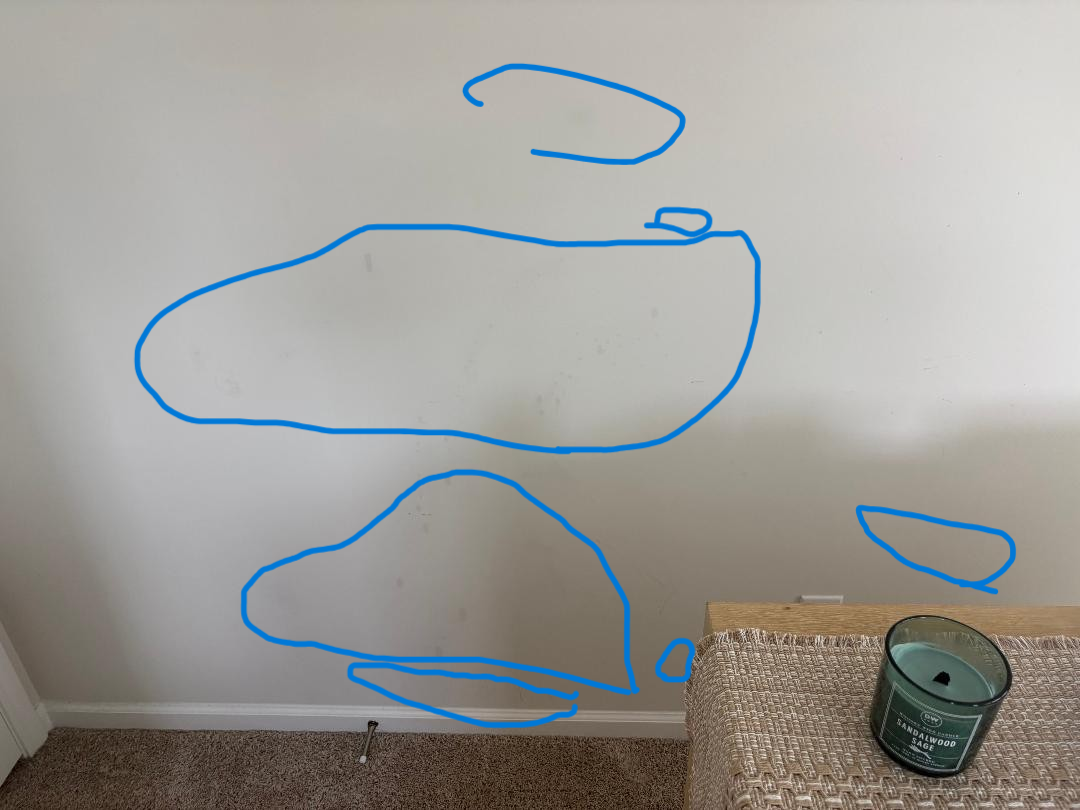
Landlord Photo: wall that required two coats of paint

Landlord Photo: garage floor that required pressure washing
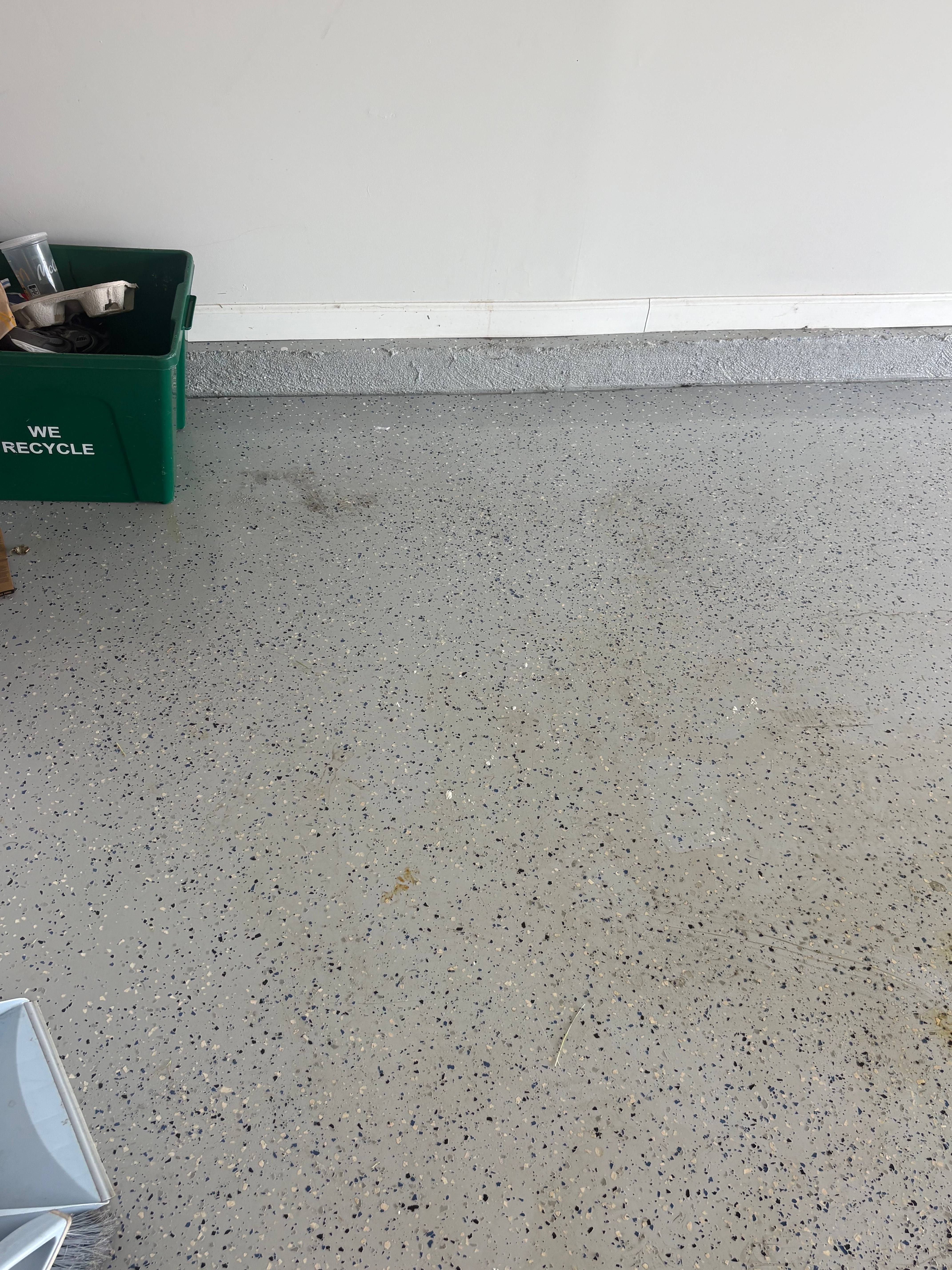
Landlord Photo: ~2 in chip in garage epoxy floor along crack that runs length of garage (home is 3 years old)

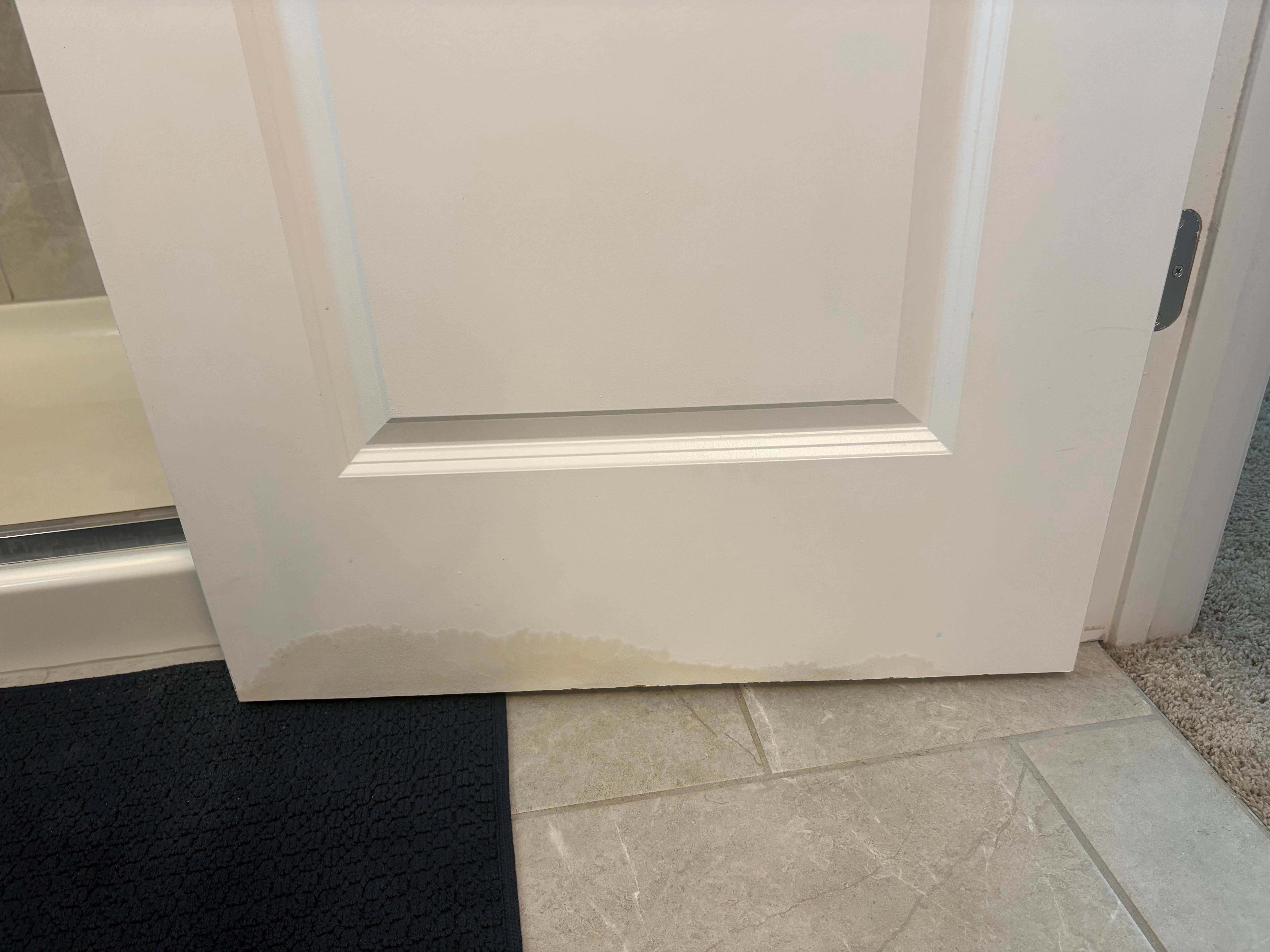
Landlord Photo: water damage on bathroom door that opens directly in front of shower and covers bath mat
4Reply
527 views

Most Popular Reply

Chris SeveneyBusiness Member
Moderator
Investor · VA · Member since 2015 · 21k+ posts · 19k+ votes
1mo

These to me these are normal  wear and tear, concrete cracks as an example - that's not damage. 
I would reach out to someone like legal aid or another non profit groups that assist tenants. They are usually free or low cost and on the flip side the landlord will be forced to get an attorney and spend more in legal fees than the deposit. 

7e investments53 Reviews
See this reply in the discussion

11 Replies

Jump to latestLatest
  • Logan HelmerickPro Member
    New to Real Estate · Denver, CO · Member since 2024 · 18 posts · 19 votes
    1mo

    @Charese Allen I'm currently in a dispute with my landlord as well over a security deposit and what falls in line with "normal wear and tear". 

    My best advice would be to input your lease into ChatGPT or Claude, including your situation and where you might think you are in the right (which you probably are judging on this post), and see if it can formulate a response that isn't too aggressive. Include those same pictures as well. 

    I did this method and it gave me a response that directly pulled from clauses in the lease, came off as "lets work through this together instead of butting heads". Based on what you described and the pictures, that is too high of a cost and it sounds like he's trying to pull a quick one unfortunately. I could be wrong, but I would run it through AI to see what their opinion is. 

    I know that's kind of a silly way to go about it, but it'll at the minimum save some time from sifting through those sections of the lease!

    Good luck!

  • Ashley B.Business Member
    Specialist · Washington, DC · Member since 2026 · 35 posts · 19 votes
    1mo

    This is a really well-documented case, honestly better than most disputes I see people bring to small claims. A few things stand out to me beyond just the wear-and-tear question.

    Wear and tear vs damage, generally speaking (double check NC's specific standard), comes down to this: wear and tear is what happens just from time and normal living, stuff a landlord's supposed to eat the cost of. Damage is tied to negligence or an event, not just the clock ticking. 14 months is a short tenancy, so I'd push back hard on paint needing full replacement unless there's something beyond normal fading going on.

    On documentation: what he should have is dated photos or a move-out condition report, actual paid invoices (not estimates), and proof the work got done if he's charging for it. An estimate pulled three weeks later doesn't carry the same weight as a real receipt.

    Here's the part that actually matters most to me, though, and it's a pattern I see constantly in my work: his numbers kept moving after you pushed back. He dropped charges when challenged, added a third-party estimate that quadrupled his own numbers, and billed for repairs that weren't even done yet. I deal with this exact scenario regularly, a landlord who starts with a number, watches it fall apart under scrutiny, and then scrambles to justify a bigger one instead of just admitting the original charge wasn't solid. That's not someone standing on documentation, that's someone making it up as they go. And it almost always hurts them more than it helps, whether you're negotiating directly or it ends up in front of a judge.

    On small claims, generally a tenant with contemporaneous documentation against a landlord whose numbers keep shifting is in a strong spot. Can't speak to NC procedure specifically or give you odds on your case, but the pattern you're describing isn't a good look for him.

    Before you go the small claims route, I'd actually suggest to try one more round first: a clear, documented demand letter that lays out every gap in his paperwork and asks for a final number. I see this work more often than people expect, once a landlord realizes you've caught every inconsistency and it's in writing, a lot of them fold rather than risk a judge seeing the same pattern you just laid out. As a professional legal and conflict resolution consultant, this is the kind of situation I work through with clients all the time, someone who's already caving under informal pressure just hasn't been formally pinned down yet.

    I hope it works out for you! You've clearly done your homework here.

    A. Blanc International
    • Rental Property Investor · Charlotte, NC · Member since 2017 · 12 posts · 15 votes
      1mo

       @Ashley B. Thanks Ashley! This is certainly helpful. We have gone a few rounds of emails back and forth and I don't feel we're getting closer to a resolution. In line with your suggestion, I sent a final request letter on Friday with all the details. Hopefully we can settle this before going to small claims court. Thank you for your response! 

    • Theresa HarrisPro Member
      Member since 2019 · 15k+ posts · 11k+ votes
      1mo
      Quote from @Ashley B.:

      This is a really well-documented case, honestly better than most disputes I see people bring to small claims. A few things stand out to me beyond just the wear-and-tear question.

      Wear and tear vs damage, generally speaking (double check NC's specific standard), comes down to this: wear and tear is what happens just from time and normal living, stuff a landlord's supposed to eat the cost of. Damage is tied to negligence or an event, not just the clock ticking. 14 months is a short tenancy, so I'd push back hard on paint needing full replacement unless there's something beyond normal fading going on.

      On documentation: what he should have is dated photos or a move-out condition report, actual paid invoices (not estimates), and proof the work got done if he's charging for it. An estimate pulled three weeks later doesn't carry the same weight as a real receipt.

      Here's the part that actually matters most to me, though, and it's a pattern I see constantly in my work: his numbers kept moving after you pushed back. He dropped charges when challenged, added a third-party estimate that quadrupled his own numbers, and billed for repairs that weren't even done yet. I deal with this exact scenario regularly, a landlord who starts with a number, watches it fall apart under scrutiny, and then scrambles to justify a bigger one instead of just admitting the original charge wasn't solid. That's not someone standing on documentation, that's someone making it up as they go. And it almost always hurts them more than it helps, whether you're negotiating directly or it ends up in front of a judge.

      On small claims, generally a tenant with contemporaneous documentation against a landlord whose numbers keep shifting is in a strong spot. Can't speak to NC procedure specifically or give you odds on your case, but the pattern you're describing isn't a good look for him.

      Before you go the small claims route, I'd actually suggest to try one more round first: a clear, documented demand letter that lays out every gap in his paperwork and asks for a final number. I see this work more often than people expect, once a landlord realizes you've caught every inconsistency and it's in writing, a lot of them fold rather than risk a judge seeing the same pattern you just laid out. As a professional legal and conflict resolution consultant, this is the kind of situation I work through with clients all the time, someone who's already caving under informal pressure just hasn't been formally pinned down yet.

      I hope it works out for you! You've clearly done your homework here.


       14 months isn't a lot of time, but it was used as a short term rental by the tenant (ie they rented it out to other people), so there could have been excess wear and tear.

  • Chris SeveneyBusiness Member
    Moderator
    Investor · VA · Member since 2015 · 21k+ posts · 19k+ votes
    1mo

    These to me these are normal  wear and tear, concrete cracks as an example - that's not damage. 
    I would reach out to someone like legal aid or another non profit groups that assist tenants. They are usually free or low cost and on the flip side the landlord will be forced to get an attorney and spend more in legal fees than the deposit. 

    7e investments53 Reviews
  • Rental Property Investor · Charlotte, NC · Member since 2017 · 12 posts · 15 votes
    1mo

    @Logan Helmerick Good luck on your dispute as well! Yes AI has been my best friend with trying to sort all of this out and I think it has me on a solid footing. The landlord and I have gone a few rounds of emails back and forth. I sent a certified letter with my final request on Friday so hopefully we can reach a resolution without small claims court! 

  • Theresa HarrisPro Member
    Member since 2019 · 15k+ posts · 11k+ votes
    1mo

    Some are normal wear and tear, but how did the bathroom door get that much water damage?  That doesn't look good.  If it was a furnished rental, I can see if one night stand of a set was damaged and both have to be replaced, having to pay to replace the set, however, it is would be at the depreciated value.

    Ask for itemized invoices and photos.  When amounts change (specifically increase), ask why.  Some of it is little things you could have dealt with before you turned in the keys (tighten the toilet seat). 20 hours of cleaning seems like a lot if it was clean when you left.  There will be extra cleaning (ie a deep clean) that may take time, but a professional should be able to do that in a few hours.

  • Ashley B.Business Member
    Specialist · Washington, DC · Member since 2026 · 35 posts · 19 votes
    4w

    You're welcome glad I could be of assistance.

    A. Blanc International
  • Chicago, IL · Member since 2026 · 9 posts · 4 votes
    1w

    A useful way to evaluate this is to separate three different questions for each deduction:

    1. 1. Was the condition caused by the tenant rather than ordinary use?

    2. 2. Was the work reasonably necessary to restore the property?

    3. 3. Does the amount charged reflect the actual loss, including the item’s age and remaining useful life?

    For example, saying a wall required two coats of paint establishes that work was performed, but not necessarily that the tenant should be responsible for the full cost. The same applies to pressure washing or repairing an epoxy floor that already had an underlying crack. The documentation should connect the tenant’s actions to the damage and then connect the deduction to a reasonable, supported expense.

    You’ve already gathered more detail than many people do. I’d organize the photos, move-in condition, move-out condition, explanation and supporting invoice for each charge in one side-by-side document. That makes the disputed items - and any gaps in the landlord’s support - much easier to evaluate. North Carolina’s specific deposit rules would still control, but this framework should help keep the discussion focused on evidence rather than competing opinions.

  • Ashley RigsbeePro Member
    Customer Success & Onboarding Specialist at BiggerPockets · Charlotte, NC · Member since 2023 · 52 posts · 22 votes
    23h

    This is such a useful (and frustrating) lesson for anyone doing arbitrage here in Charlotte. The fact that line items changed after you asked for receipts, and the nightstand went from $175 to $250, is exactly why documentation matters so much. For the future you could try doing a timestamped video walkthrough at move-in and move-out and to get the landlord to sign off on the condition report. Hope you get this resolved, and please share how it turns out!

    BiggerPockets
  • Englewood, NJ · Member since 2018 · 461 posts · 74 votes
    23h

    charese the thing that stands out most to me isn't even the wear and tear question - it's that his numbers kept changing after you pushed back. that's the real tell. when a landlord has solid documentation, the numbers don't move. they stay pretty much the same because they're based on actual receipts and actual costs. when they jump around, especially upward after you challenge them, that means he was making it up as he went along.

    i'm a landlord in florida and i've dealt with deposit disputes before. the pattern you're describing - dropping charges when challenged, then getting a third-party estimate that's 4x the original amount weeks later - that's not someone who's organized and prepared. that's someone who realized their initial numbers wouldn't hold up and scrambled to find bigger ones.

    here's what i always tell people: the landlord has the burden of proof, not you. he needs to show actual paid invoices, not estimates. an estimate is just a guess about what something might cost. a paid invoice is proof that the work was actually done and what it actually cost. big difference. and if he's charging for his own labor, he needs to show what his hourly rate is and how many hours each task actually took. "20 hours of cleaning" means nothing without documentation of what was actually done and how long it took.

    the arbitrage angle complicates things a bit like theresa mentioned - short-term rental use does mean more wear than a normal 14-month tenancy. but that doesn't give him carte blanche to charge for everything. concrete cracks are still concrete cracks. a 2-inch chip in an epoxy floor in a 3-year-old home is still normal settling. those aren't tenant damage no matter how many people stayed there.

    the bathroom door is probably your weakest point honestly - if it's got real water damage and it's right in front of the shower, that's harder to argue is normal wear. but even then, he needs to prove it wasn't pre-existing and that the repair/replacement cost is reasonable.

    my advice: keep everything in writing, keep asking for paid invoices (not estimates), and if it goes to small claims, bring your move-out photos and videos. judges tend to side with tenants who have contemporaneous documentation against landlords whose numbers keep shifting. you've already done the hard part by documenting everything as you went.

Join the conversationCreate a free account to reply, vote on answers and follow this thread.