

The process of buying a foreclosed home is like other real estate transactions. But there are some crucial differences that you need to know.
To find foreclosed homes, you have to consult with trusted sources like the Multiple Listing Service (MLS). You also may need unconventional financing or cash to buy a foreclosed home on the same day. You need to educate yourself about the local market, make competitive offers, and prepare to do repairs and renovations.
Whether for personal use or as a real estate investment, here’s what you can expect when you buy a foreclosure property.
What Is a Foreclosed Home?
A foreclosed home is a property seized by a mortgage lender, usually a bank, due to struggling homeowners being unable to pay their monthly mortgage payments. When a home is foreclosed, it’s typically listed for sale at a discounted price through bank-owned listings or foreclosure auctions.
Foreclosed homes can often be acquired for below market value by investors. Most investors who buy a foreclosed home, then renovate, rent, or resell the foreclosed property for profit.
There are some risks to buying a bank-owned property because of the condition of the property and legal complications that can arise. Being informed about the foreclosure process and market conditions is essential for investor success in the buying process.
How to Buy a Foreclosure: The Foreclosure Process
The foreclosure process differs in each state, but it usually begins with numerous notices being given to the property owner, followed by a legal set of steps that lead up to the actual foreclosure.
Generally, there are three times in the foreclosure process where it is possible to buy a property:
- Pre-foreclosure
- At the courthouse steps
- After the foreclosure
When learning how to buy a foreclosure, it’s important to fully understand all three of these parts of the buying process.
1. Buying a house during pre-foreclosure
You can buy a property before the foreclosure is finalized and the former owners vacate during the pre-foreclosure period. This is known as a short sale and is often used by real estate investors to get profitable deals.
Short sales can be an effective way to find motivated homeowners who want to sell quickly at a reduced price (often for less than what’s owed on the mortgage loan).
2. Buying a foreclosure at the courthouse steps
In most states, once the legal foreclosure process has been carried out, the property is sent to the county for a public foreclosure auction on the “courthouse steps” (sometimes figuratively, but often literally on the steps) and sold to the highest bidder. This process is known as the trustee sale.
The bidding generally opens with an automatic starting bid of whatever amount is owed on the property. So it’s typically not possible to only bid a dollar on a property at the courthouse.
For example, if a homeowner owed $80,000 on a mortgage loan secured by the property, bidding would start at $80,000. If no one bids higher, the lien holder is awarded the property and given title.
Keep these critical tips in mind when buying a foreclosure at the courthouse steps:
- Buyer beware: When you buy a foreclosure at the courthouse, it’s sold as is. This means you don’t receive any guarantee that the property is free of liens or encumbrances. You may be buying a foreclosed home that has hidden liens (for example, placed by a contractor, a disgruntled ex-spouse, or any other individuals). For more information on how to find what liens are on a property, visit Property Lien Search: How to Find Out if There are Liens on a Property.
- You likely won’t know the property’s condition: Up to this point, the property is still owned by the homeowner, so you probably won’t get the chance to go inside the property and do a home inspection (unless you go to the property, knock on the door, and ask). There may be hidden defects with the home, and you usually won’t be given the time to uncover them.
- You need cash: Finally, when buying a foreclosure at the courthouse steps, you need to have the entire amount to purchase the property on the same day. Because of this, most lenders don’t offer conventional loans to buy a foreclosed property. There are some hard money lenders who fund these types of foreclosure purchases.
3. Buying during post-foreclosure
After the sale on the courthouse steps, the new owner of the property will have to evict the “tenants” (previous homeowner) who may still reside at the property. If it’s a bank that forecloses, the bank will generally go through the process of evicting the tenant and getting the home listed with a real estate agent to sell.
When a bank takes back foreclosed homes and begins to sell them, the properties are now known as “real estate owned” or REO properties.
How to Find a Foreclosed Home for Sale
There are many useful ways to find foreclosure and pre-foreclosure listings. Here are three effective methods for uncovering foreclosed properties that can fit the numbers you need to make a profit.
1. The MLS
The Multiple Listing Service (MLS) is by far the most trusted source of listings for foreclosed homes. The MLS is a collection compiled by each local real estate agent of all the properties currently for sale.
Previously, paper records of the properties were stored in file cabinets, and each office kept their own private lists. Now every real estate agent freely shares all their property information through the MLS.
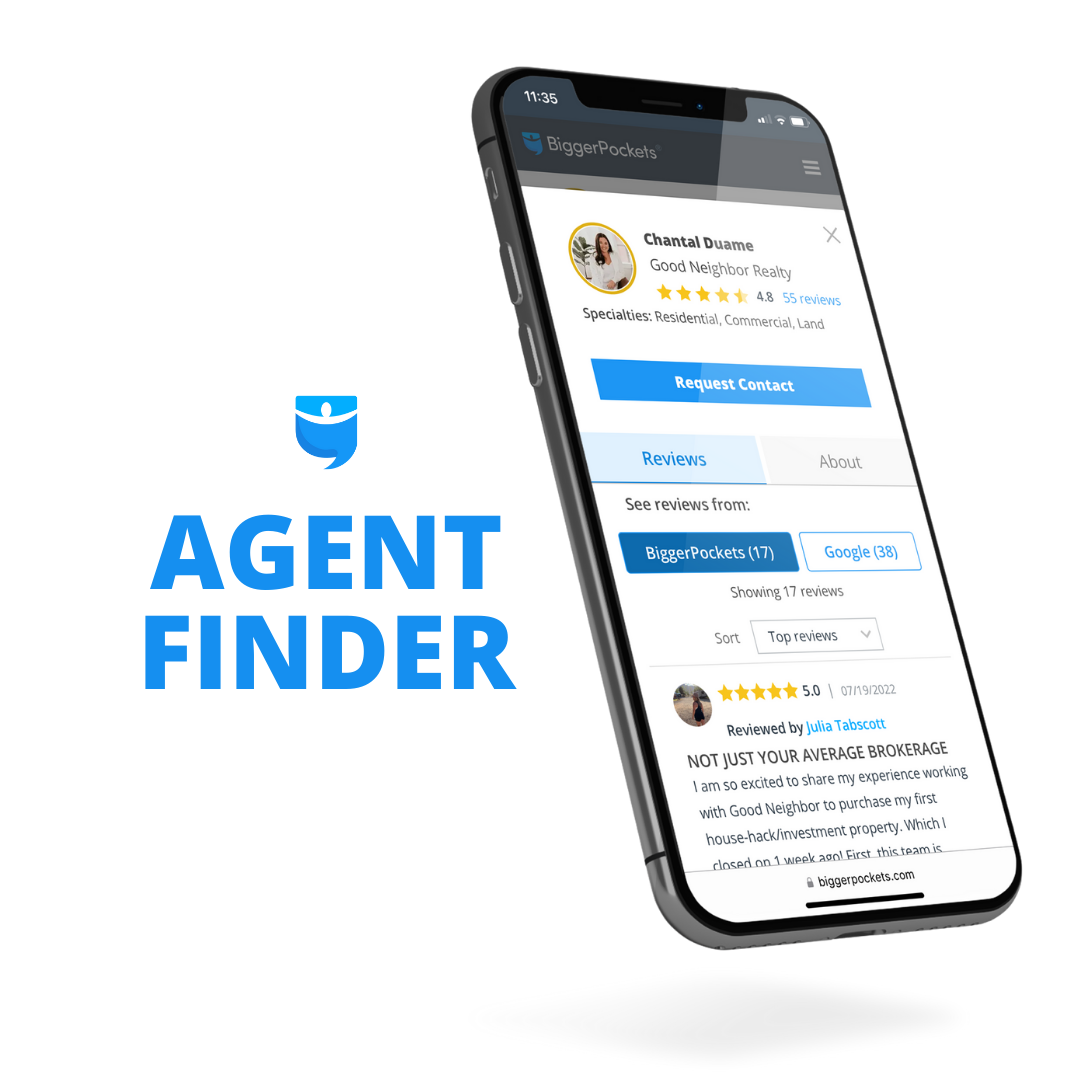
Since the MLS is fully accessible for real estate agents, it’s highly recommended that you get your real estate license or partner with an experienced real estate agent. A real estate agent is usually paid by the seller, so it’s free for you to use their services.
You can also get information online through many different real estate websites such as Realtor.com, Redfin.com, Zillow.com, or Trulia.com. These websites help you filter through listings and give you some property information.
However, keep in mind that updates on these online foreclosure listings can be delayed. So in a hot market, you may miss some deals if you’re only relying on these platforms for buying a foreclosed home.
2. Bank REO departments
Typically, banks have an REO department that’s staffed with people who work with REO properties. Although most REO properties end up on the MLS, you can connect with an REO department.
Ask if you can gain access to properties before they’re on the MLS. This is an especially useful method with local community banks.
3. The HUD Store
Properties that have been foreclosed on by the U.S. Department of Housing and Urban Development (HUD) and other government agencies aren’t publicly listed on the MLS. Government-owned property listings can only be privately accessed on the HUD Home Store.
How to Submit Your Offer
When you find a property you want to buy, it’s time to submit your offer. This is when a good real estate agent comes in handy.
Typically, you’ll meet with your agent and let them know the terms you want to offer. Your agent will submit an offer to the seller.
Then the bank reviews it and makes a decision to:
- Accept it
- Deny it
- Ignore it
- Counter it (most common)
Highest and best offer
If there are multiple offers on a property, often the seller asks you to submit your “highest and best” offer. In other words, the bank is asking you to outbid others to buy a foreclosed home.
Beware of falling into “auction mode” and overpaying because of the thrill of competition. When buying a foreclosed home, be sure to stick to the numbers you need to make a profit.
Why Are Foreclosures Cheaper?
Foreclosed properties are cheaper to purchase than conventional homes for several reasons. These properties are usually distressed, and owners are motivated to sell quickly and for a low list price. Some foreclosure homes may require significant maintenance or repairs, which reduces their market value even further.
The perception of foreclosure properties as higher-risk investments can turn off certain buyers, which further drives down the cost.
For those who know how to buy a foreclosed home and can navigate the complexities of this real estate transaction, foreclosure properties are cheaper because of distressed conditions, motivated sellers, potential repair costs, and reduced demand.
Benefits of Buying a Foreclosed Home
Buying a foreclosed home can offer real estate investors these main benefits:
- Discounted prices: Foreclosed properties are often sold at prices below market value, enabling investors to acquire assets with built-in equity.
- Potential for high returns: The initial lower purchase price of a foreclosed property offers the potential for substantial profits from rental income or resale.
- Diverse inventory: Foreclosed homes allow investors to diversify their portfolios among many property types, from single-family homes to multiunit buildings.
- Negotiation opportunities: Price reductions of the full asking price or favorable terms can be negotiated with motivated lenders or sellers for foreclosed properties.
- Favorable financing: Investors with cash or access to financing can leverage their resources to secure lucrative home sale deals.
- Market insights: Foreclosure investing can deepen an investor’s understanding of local real estate markets and economic trends.
You need to conduct thorough due diligence, address property issues, and navigate legal complexities to maximize the benefits and minimize the risks associated with buying a foreclosed home.
Risks of Buying a Foreclosed Home
Buying a foreclosed home or bank-owned property offers potential rewards, but it also comes with these risks for investors:
- Property condition: Foreclosed homes often require extensive repairs and renovations, increasing upfront costs and potentially affecting profitability.
- Hidden liens and encumbrances: Some properties may have undisclosed liens, tax debts, or other legal issues that can become the investor’s responsibility.
- Competitive bidding: Whether a private or public auction is held, it can be competitive, driving up prices and reducing potential profit margins.
- Limited inspections: Investors may have limited chances to inspect the property thoroughly before purchase, leading to unexpected issues.
- Legal complexities: Foreclosure processes vary by jurisdiction, and investors must navigate legal intricacies, potentially leading to delays and additional expenses.
- Market volatility: Real estate markets fluctuate, and property values can decline, affecting an investor’s potential return on investment.
When considering foreclosure properties, investors must reduce these risks by conducting due diligence, working with an experienced real estate agent, and having a clear investment strategy.
Financing Options for Purchasing a Foreclosed Home
Here are financing options investors have when buying a foreclosed home:
- Cash: If you can pay cash, it offers the advantage of a quick, straightforward transaction. You can often secure better deals due to the absence of mortgage-related contingencies.
- Conventional loans: Investors with strong credit profiles can secure a conventional loan, but they typically require higher down payments and may have stricter eligibility criteria.
- Hard money loans: These short-term, asset-based loans are ideal for investors who need quick access to capital, but they often come with higher interest rates and fees.
- Private lenders: Investors can seek loans from private individuals or enterprises like Rocket Mortgage that are willing to finance real estate transactions. Terms can vary widely, depending on the mortgage lender.
- Home equity line of credit (HELOC): Investors who own other properties can tap into their home equity to fund a foreclosure purchase.
- FHA 203(k) loan: The Federal Housing Administration offers government-backed loans that combine purchase and renovation loan financing. This government agency can help make it suitable for investors looking to finance repairs to fix up foreclosed homes, especially to improve urban development. Home loans from the FHA have lower credit standards than traditional loans that are purchased by Freddie Mac and Fannie Mae.
Each financing option has its pros and cons to buy a foreclosed home, so investors should carefully evaluate their personal finance situation and investment strategy before a home purchase.
You should also evaluate the property taxes, closing costs, and down payment of the specific property you intend to purchase before buying a foreclosed home.
Do Your Due Diligence and Buy the Foreclosure
Once your offer is accepted for the foreclosed house, it’s time to do some meticulous due diligence. This is when you need to hire an inspector to check out the property and get your financing or home loan in place.
In most states, the closing process is handled by a title company, which will prepare the documents and arrange for signing by both parties. In some states, an attorney is responsible for this procedure, but the steps are nearly identical.
The property is officially yours after both parties have signed the documents and the new deed has been recorded with the local county. Congrats!
What questions do you have about the process? Or have you learned any lessons in your experience that can help others with buying a foreclosure? Leave your comments below.
Join the community
Ready to succeed in real estate investing? Create a free BiggerPockets account to learn about investment strategies; ask questions and get answers from our community of +2 million members; connect with investor-friendly agents; and so much more.
