Subject To vs Wraps Similarities and Differences Part 1

Subject To vs Wraps Similarities and Differences Part 1

Investor · Get yourself trained before doing something inadvisable. · Member since 2024 · 3k+ posts · 1k+ votes
Subject To and Wraps are very similar and yet, very different.

Subject To & Wraps share these characteristics

  1. You are taking over payment of the mortgage and transferring the property into your name
  2. You become the owner
  3. The loan does not get paid off
  4. The lender can and sometimes will call the Due on Sale
  5. You have to have money or credit to solve a Due on Sale call
  6. They are used when someone doesn’t have much equity and doesn’t want to pay a real estate agent
  7. They are used when the seller wants to sell fast
  8. They are used when the property isn't really a good candidate for the MLS because of the condition of the property
  9. They are used when It’s a unique property and it’s hard to find comps
  10. They are used when it’s a distressed situation that needs to be resolved
  11. They are used when the monthly payment is below market rate (that means it cash flows)
  12. They are used when the seller wants to avoid the hassles of listing

Subject To & Wraps Differences

  1. In a Subject To, NO new mortgage is created.
  2. In a Wrap you ARE creating a new mortgage that “Wraps” around ( includes) the existing mortgage. (just like a 2nd but shows up as one loan that has two payments each month)
  3. You do these when the seller has a lot of equity and will do a “carry back” instead of requiring cash at closing.
  4. In a Subject To, There is NO safety for the seller. They CAN NOT foreclose if you stop making payments,
  5. In a Wrap There is safety for the seller. They CAN foreclose if you stop making payments,
  6. It Costs a little more ($1500) to do a Wrap because a mortgage has to be created
  7. You become the owner in either situation
  8. In a Subject To you send the payment to the lender (servicer)
  9. In a Wrap, you send the payment to the lender (servicer) AND you send a payment to the seller.
  10. There is a “Mirror” Wrap and there is a “Carry Back” Wrap.
  11. A Mirror Wrap is taking over the exact payment. If the payment is $1,234.56 your payment is $1,234.56.
  12. A Carry back Wrap is taking over the exact payment plus the “Carry Back” amount to the seller. If the payment is $1,234.56 your #1 payment is $1,234.56 to the lender and if you did a Carry back of $50,000 @ 4% your Carry Back payment is $238.71 to the seller

There will be more in Part 2 of

Subject To vs Wraps Similarities and Differences Part 2

0Reply
66 views

2 Replies

Jump to latestLatest
  • Jay HinrichsBusiness Member
    Real Estate Consultant · Summerlin, NV · Member since 2014 · 45k+ posts · 66k+ votes
    4mo

    only way to do these is with a Wrap and use an All inclusive Deed of Trust which is a CA document but probably can be modified to any state.

    whats nice about the AITD is their is a notice of default written into it so for the new buyer if the person your paying does not pay the underlying and a foreclosurse is commenced you will be notified right at the default stage not be surprised and have little time to cure.

    • Investor · Get yourself trained before doing something inadvisable. · Member since 2024 · 3k+ posts · 1k+ votes
      4mo
      Quote from @Jay Hinrichs:

      only way to do these is with a Wrap and use an All inclusive Deed of Trust which is a CA document but probably can be modified to any state.

      whats nice about the AITD is their is a notice of default written into it so for the new buyer if the person your paying does not pay the underlying and a foreclosurse is commenced you will be notified right at the default stage not be surprised and have little time to cure.

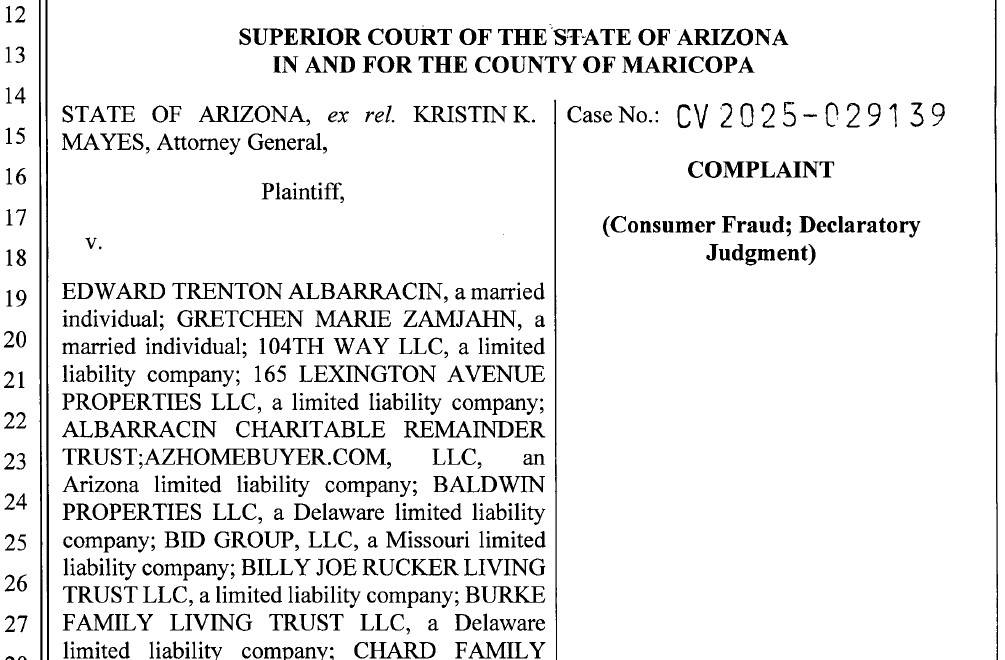
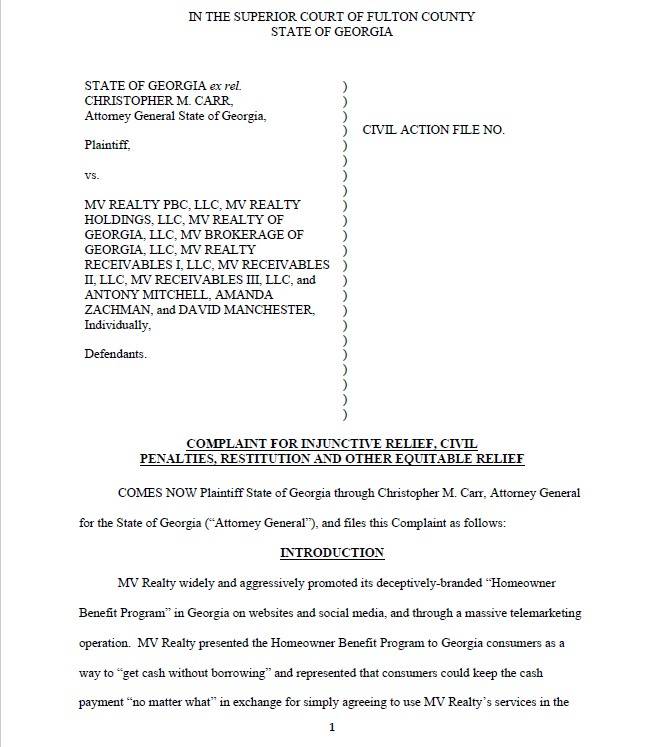
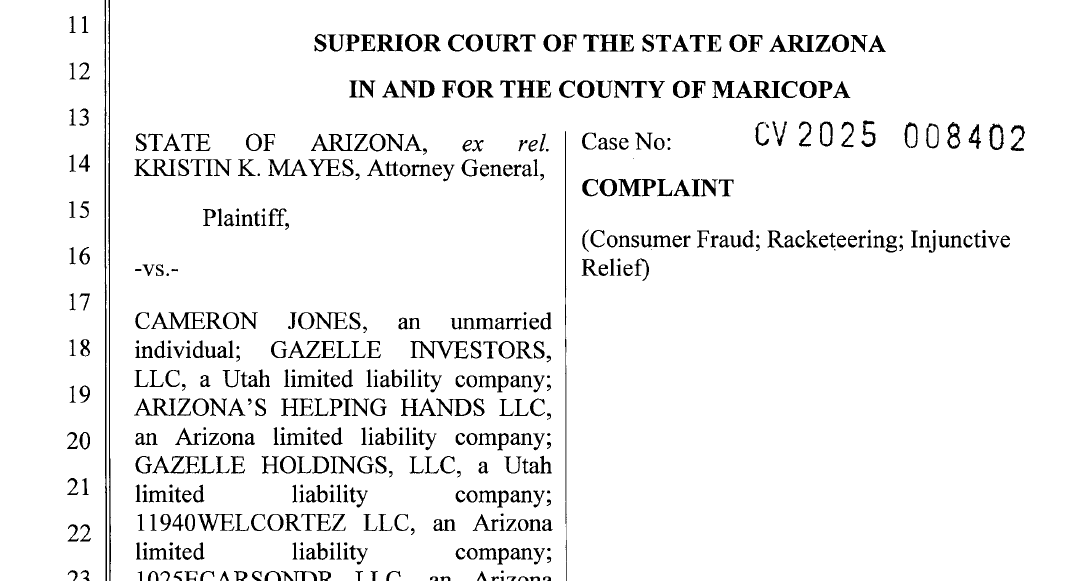
      I prefer Wraps (AITDs) over Subject To as well. So does the attorney general!

      The problem "weak" investors have gotten into is listening to the guru who is all about Subto with no consequences. Well, there are consequences, but it sure sells memberships to say there are none.

      Wraps on the other hand are traceable and definable and public.

      Subto the way it is being taught, is hiding the transaction. (you don't need to record, you can avoid the Due on Sale, you can overpay for a low interest rate, you can do Subtos off of the MLS, you can borrow money to pay the realtor and on and on.) That's all very dangerous game playing.

      Most people just aren't aware and aren't told, that at a minimum, it's 3 years AFTER the transaction is DISCOVERD that they can be sued and prosecuted for wrong doing. That's very different than 3 years after the transaction. 99% of sellers involved in a Subto will want that loan off of their credit at some point, usually with a year or two. And don't EVER miss a payment.

      Getting a letter from an attorney or the Attorney General is not to be taken lightly. They usually allege equity stripping, violation of CPA, violations of Dodd-Frank, Bank fraud, Wire Fraud, you know the usual stuff. It's very serious and you'd better know what you're doing before the letter arrives and you go off to the pokey.

Join the conversationCreate a free account to reply, vote on answers and follow this thread.