Subto affecting seller's credit
Real Estate Broker · Sacramento, CA · Member since 2021 · 517 posts · 408 votes
Real estate broker here — I facilitated a subto transaction in 2023 with a VA loan in California.
The seller of that property now wants to buy a new home. However, the lender is including her payment on the property she sold, because the loan is still in her name.
I was always told that “after 12 months of payments through a third party payment processor, the loan will fall off of the seller’s credit.” Pace Morby himself told me this at a conference.
What am I missing? How do we fix this?
Real estate broker here — I facilitated a subto transaction in 2023 with a VA loan in California.
The seller of that property now wants to buy a new home. However, the lender is including her payment on the property she sold, because the loan is still in her name.
I was always told that “after 12 months of payments through a third party payment processor, the loan will fall off of the seller’s credit.” Pace Morby himself told me this at a conference.
What am I missing? How do we fix this?
This is not accurate at all. A couple moving parts here:
VA Loans, entitlement, and encumberance: as long as the original loan is in existence, it will affect the original veteran's VA entitlement for VA loans. If the loan defaults, this will directly impact the original veteran as well. The only way around this is to have the loan formally assumed by another veteran who has sufficient entitlement (the loan transfers to the new veteran's entitlement). This is also is considered a federal debt and being in default on it will affect the original veteran in other ways as well, such as being ineligible for forbearance and other loss mitigation programs on any other loans.
Credit report: this loan will continue to report on the original borrower's credit report until the creditor reports it paid off. You can try sending the bureaus a copy of the contractual agreement for the subto buyer to show that they are now legally obligated on the debt, but I have not seen any of the four bureaus accept this. This is similar to a divorce situation where one party is awarded the property and debt, but the loan remains as a trade on the other party's credit report. Even though the original party may no longer be responsible for the debt per court order, their credit is still on the line, and nonperformance on the trade in question will wreck the original borrower's credit. I have seen this happen several times, and I have seen it disputed/challenged at the bureaus, and I have seen this dispute fail every time. Anecdotal, but just my experience.
Impacts on future borrowing ability: this will vary by loan type. Fannie/Freddie have provisions for contingent liabilities that allow lenders to disregard debts that are the primary responsibility of other parties after the other party has paid the debt in question for 12 consecutive months. You will need bank statements or copies of the checks to prove this. FHA and VA have different rules. With VA, if there is any chance that you could be held to be obligated on the debt, then it gets included in DTI/residual income. I cant imagine that any competent lender will risk a buyback by allowing a subto agreement to suffice as proof that the original borrower is no longer responsible for the debt.
Guaranties and Insurance: VA and FHA loans are guaranteed/insured by agencies of the federal government. Subto's on these loans give the government standing to file suit against the parties on the loan if/when these go bad. The govt has been asleep at the wheel for a while with respect to this, but that is rapidly changing. The new administration is proactively going after these loans. Pay attention to what Pulte (FHFA director) and the other new directors are saying about fraud in the mortgage market. They're on the hunt for this kind of thing. Furthermore, if a VA or FHA loan has even gone into a workout and has received a partial claim through FHA insurance/VASP, expect the loan to be accelerated in the next 18 months if there has been a change of ownership (like in a subto deal). The servicers/subservicers on these loans are taking the brunt of this and are looking for ways to get bad loans off their books asap. I have heard directly from two different subservicer executives that they are proactively running title scrubs on these loans annually and will use the Due on Sale clause to accelerate these loans.
Newer development with direct lenders: I have seen a couple instances now where lenders are deeming subto transactions as fraudulent and are declining refinances/new loans for the parties involved in these deals. This is more anecdotal and less likely to be widespread, but just know that it is on the radar.
Get an attorney.
An experienced attorney can help advise and provide a solution that meets all laws and regulations.
Real estate broker here — I facilitated a subto transaction in 2023 with a VA loan in California.
The seller of that property now wants to buy a new home. However, the lender is including her payment on the property she sold, because the loan is still in her name.
I was always told that “after 12 months of payments through a third party payment processor, the loan will fall off of the seller’s credit.” Pace Morby himself told me this at a conference.
What am I missing? How do we fix this?
Real estate broker here — I facilitated a subto transaction in 2023 with a VA loan in California.
The seller of that property now wants to buy a new home. However, the lender is including her payment on the property she sold, because the loan is still in her name.
I was always told that “after 12 months of payments through a third party payment processor, the loan will fall off of the seller’s credit.” Pace Morby himself told me this at a conference.
What am I missing? How do we fix this?
.
Your comment "after 12 months of payments through a third party payment processor, the loan will fall off of the seller’s credit.” Pace Morby himself told me this"
Let's just say "he has been known to be absolutely wrong". More often than you realize.
However, I guess the question is, is it intentional in order to get people to sign up for his group or is it lack of integrity or lack or experience? I guess it doesn't matter now, the damage is done.
You know, borrowers sue over false promises like that.
By the way, why ask those kinds of questions here? Why not at his community instead? oh, you've heard you get deleted from the group if you ask those kinds of questions. Yeah, word has gotten out. Sorry you had to learn this way.
Real estate broker here — I facilitated a subto transaction in 2023 with a VA loan in California.
The seller of that property now wants to buy a new home. However, the lender is including her payment on the property she sold, because the loan is still in her name.
I was always told that “after 12 months of payments through a third party payment processor, the loan will fall off of the seller’s credit.” Pace Morby himself told me this at a conference.
What am I missing? How do we fix this?
.
Your comment "after 12 months of payments through a third party payment processor, the loan will fall off of the seller’s credit.” Pace Morby himself told me this"
Let's just say "he has been known to be absolutely wrong". More often than you realize.
However, I guess the question is, is it intentional in order to get people to sign up for his group or is it lack of integrity or lack or experience? I guess it doesn't matter now, the damage is done.
You know, borrowers sue over false promises like that.
By the way, why ask those kinds of questions here? Why not at his community instead? oh, you've heard you get deleted from the group if you ask those kinds of questions. Yeah, word has gotten out. Sorry you had to learn this way.
Negative and unhelpful. I also asked Pace’s community on Facebook.
Real estate broker here — I facilitated a subto transaction in 2023 with a VA loan in California.
The seller of that property now wants to buy a new home. However, the lender is including her payment on the property she sold, because the loan is still in her name.
I was always told that “after 12 months of payments through a third party payment processor, the loan will fall off of the seller’s credit.” Pace Morby himself told me this at a conference.
What am I missing? How do we fix this?
.
Your comment "after 12 months of payments through a third party payment processor, the loan will fall off of the seller’s credit.” Pace Morby himself told me this"
Let's just say "he has been known to be absolutely wrong". More often than you realize.
However, I guess the question is, is it intentional in order to get people to sign up for his group or is it lack of integrity or lack or experience? I guess it doesn't matter now, the damage is done.
You know, borrowers sue over false promises like that.
By the way, why ask those kinds of questions here? Why not at his community instead? oh, you've heard you get deleted from the group if you ask those kinds of questions. Yeah, word has gotten out. Sorry you had to learn this way.
Negative and unhelpful. I also asked Pace’s community on Facebook.
Yeah, you sure got me on that one
Name : Pace Jordan Morby
ADDITIONAL COMPLAINT INFORMATION
| TYPE | COMPLAINT ID | OUTCOME | CLOSED DATE (IF CLOSED) |
|---|---|---|---|
| Disciplined | 2019-04542 | Legal – Revoked | 2019-12-09 |
| Disciplined | 2019-00552 | Legal - Revocation | 2019-07-08 |
| Disciplined | 2019-01410 | Legal – Revoked | 2019-07-26 |
| Disciplined | 2019-01649 | Legal - Revocation | 2019-09-03 |
| Disciplined | 2018-05708 | Legal - Revocation | 2019-04-25 |
| Disciplined | 2018-21 | Legal - Revocation | 2019-04-25 |
| Disciplined | 2018-4172 | Legal - Revocation | 2019-04-26 |
https://www.biggerpockets.com/forums/79/topics/1147286-is-pa...
https://www.biggerpockets.com/forums/50/topics/1225630-due-o...
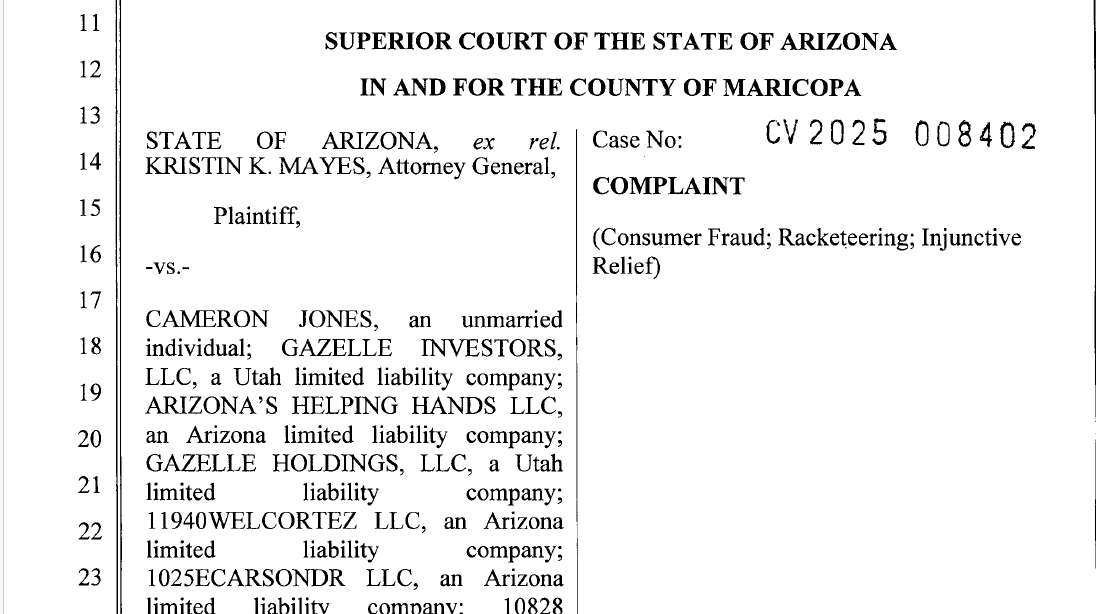
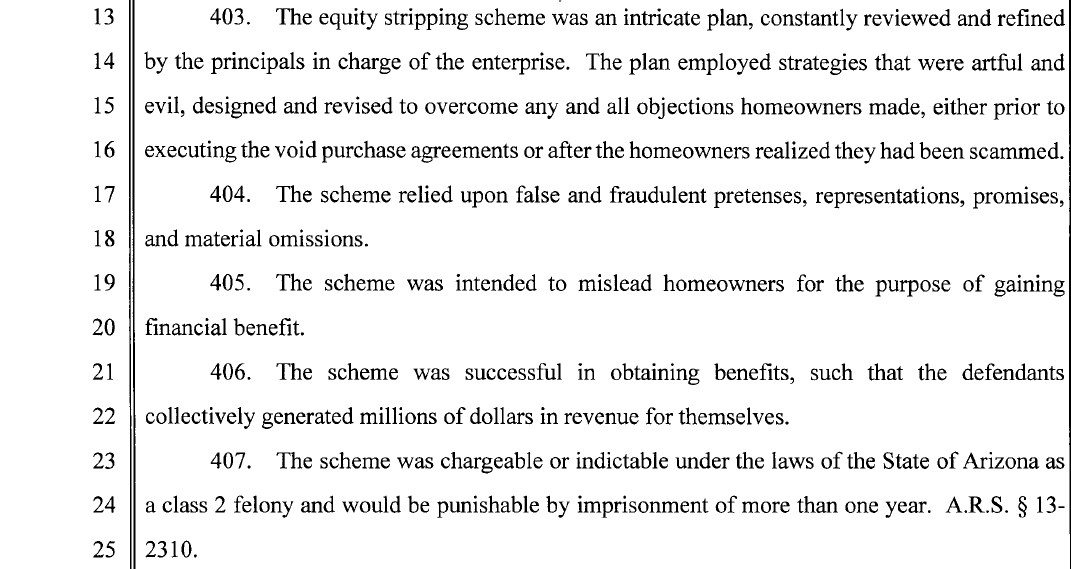
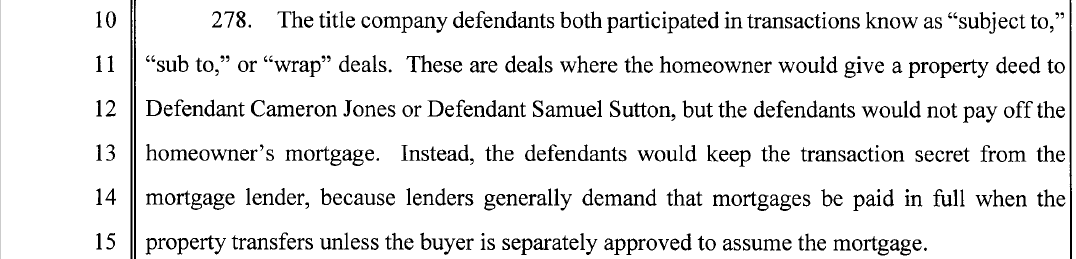

For all of you lurkers
Beware get real training if you are going to do "Subject To". Pace Morby is not the guy, In my humble opinion by what I've seen him publish.
@Jay Thomas: Sorry buddy, your comments "if the seller stops paying, you might be responsible, and you'll take on any existing problems with the property and mortgage. Also, you won't have full ownership rights until the mortgage is completely paid off."
are very, very wrong. You're going to get someone sued with that advice.
Anyway here is what Pace Morby is saying
Click to enlarge
What he is doing isn't working properly. In 30 years I had the Due on Sale called twice. Once in 2008 and once in 2020. But this guy has had it called 10 times recently. Very scary.
"Yes, I've had the Due on sale clause called on me 10 times"
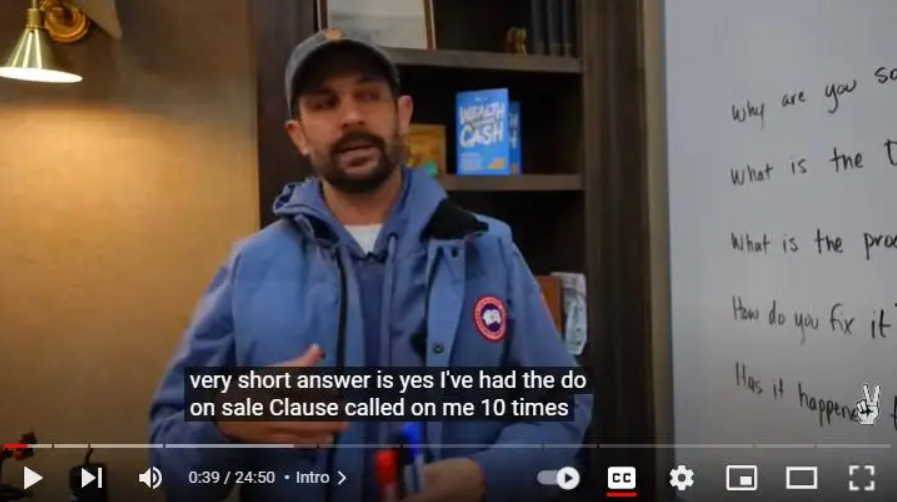
The liability of having the Due on Sale called is that you have 30 days to pay off the loan in full or the foreclosure process can begin.
Once that gets filed, that puts a foreclosure on the seller's credit report and they can sue you. A lawsuit costs between $25,000 and $125,000 and runs about a year and a half and puts you under scrutiny for everything you do and have done for the last 3 years.
Only the foolish take this lightly.
Real estate broker here — I facilitated a subto transaction in 2023 with a VA loan in California.
The seller of that property now wants to buy a new home. However, the lender is including her payment on the property she sold, because the loan is still in her name.
I was always told that “after 12 months of payments through a third party payment processor, the loan will fall off of the seller’s credit.” Pace Morby himself told me this at a conference.
What am I missing? How do we fix this?
.
Your comment "after 12 months of payments through a third party payment processor, the loan will fall off of the seller’s credit.” Pace Morby himself told me this"
Let's just say "he has been known to be absolutely wrong". More often than you realize.
However, I guess the question is, is it intentional in order to get people to sign up for his group or is it lack of integrity or lack or experience? I guess it doesn't matter now, the damage is done.
You know, borrowers sue over false promises like that.
By the way, why ask those kinds of questions here? Why not at his community instead? oh, you've heard you get deleted from the group if you ask those kinds of questions. Yeah, word has gotten out. Sorry you had to learn this way.
Negative and unhelpful. I also asked Pace’s community on Facebook.
I can't believe his biggest complaint is probably not being able to reuse his VA loan until this one is paid off? IF you told him it would come off his credit, or even hinted at it, I would start the refinance process right now. You DO NOT want the federal government looking in to abuse of their soldiers, active or retired.
Whether it somehow becomes a federal crime or they just decide to make an example. You don’t want to be that guy. ESPECIALLY if you paid under market value< god forbid they’re a senior. Please just pay this off before he goes to hai lender and asks why it’s still on his credit when he sold the property a year ago. Refinancing it BEFORE they call it due is waaaay easier. Good luck.
I can't believe his biggest complaint is probably not being able to reuse his VA loan until this one is paid off? IF you told him it would come off his credit, or even hinted at it, I would start the refinance process right now. You DO NOT want the federal government looking in to abuse of their soldiers, active or retired.
Whether it somehow becomes a federal crime or they just decide to make an example. You don’t want to be that guy. ESPECIALLY if you paid under market value< god forbid they’re a senior. Please just pay this off before he goes to hai lender and asks why it’s still on his credit when he sold the property a year ago. Refinancing it BEFORE they call it due is waaaay easier. Good luck.
Real estate broker here — I facilitated a subto transaction in 2023 with a VA loan in California.
The seller of that property now wants to buy a new home. However, the lender is including her payment on the property she sold, because the loan is still in her name.
I was always told that “after 12 months of payments through a third party payment processor, the loan will fall off of the seller’s credit.” Pace Morby himself told me this at a conference.
What am I missing? How do we fix this?
This is not accurate at all. A couple moving parts here:
VA Loans, entitlement, and encumberance: as long as the original loan is in existence, it will affect the original veteran's VA entitlement for VA loans. If the loan defaults, this will directly impact the original veteran as well. The only way around this is to have the loan formally assumed by another veteran who has sufficient entitlement (the loan transfers to the new veteran's entitlement). This is also is considered a federal debt and being in default on it will affect the original veteran in other ways as well, such as being ineligible for forbearance and other loss mitigation programs on any other loans.
Credit report: this loan will continue to report on the original borrower's credit report until the creditor reports it paid off. You can try sending the bureaus a copy of the contractual agreement for the subto buyer to show that they are now legally obligated on the debt, but I have not seen any of the four bureaus accept this. This is similar to a divorce situation where one party is awarded the property and debt, but the loan remains as a trade on the other party's credit report. Even though the original party may no longer be responsible for the debt per court order, their credit is still on the line, and nonperformance on the trade in question will wreck the original borrower's credit. I have seen this happen several times, and I have seen it disputed/challenged at the bureaus, and I have seen this dispute fail every time. Anecdotal, but just my experience.
Impacts on future borrowing ability: this will vary by loan type. Fannie/Freddie have provisions for contingent liabilities that allow lenders to disregard debts that are the primary responsibility of other parties after the other party has paid the debt in question for 12 consecutive months. You will need bank statements or copies of the checks to prove this. FHA and VA have different rules. With VA, if there is any chance that you could be held to be obligated on the debt, then it gets included in DTI/residual income. I cant imagine that any competent lender will risk a buyback by allowing a subto agreement to suffice as proof that the original borrower is no longer responsible for the debt.
Guaranties and Insurance: VA and FHA loans are guaranteed/insured by agencies of the federal government. Subto's on these loans give the government standing to file suit against the parties on the loan if/when these go bad. The govt has been asleep at the wheel for a while with respect to this, but that is rapidly changing. The new administration is proactively going after these loans. Pay attention to what Pulte (FHFA director) and the other new directors are saying about fraud in the mortgage market. They're on the hunt for this kind of thing. Furthermore, if a VA or FHA loan has even gone into a workout and has received a partial claim through FHA insurance/VASP, expect the loan to be accelerated in the next 18 months if there has been a change of ownership (like in a subto deal). The servicers/subservicers on these loans are taking the brunt of this and are looking for ways to get bad loans off their books asap. I have heard directly from two different subservicer executives that they are proactively running title scrubs on these loans annually and will use the Due on Sale clause to accelerate these loans.
Newer development with direct lenders: I have seen a couple instances now where lenders are deeming subto transactions as fraudulent and are declining refinances/new loans for the parties involved in these deals. This is more anecdotal and less likely to be widespread, but just know that it is on the radar.
Real estate broker here — I facilitated a subto transaction in 2023 with a VA loan in California.
The seller of that property now wants to buy a new home. However, the lender is including her payment on the property she sold, because the loan is still in her name.
I was always told that “after 12 months of payments through a third party payment processor, the loan will fall off of the seller’s credit.” Pace Morby himself told me this at a conference.
What am I missing? How do we fix this?
This is not accurate at all. A couple moving parts here:
VA Loans, entitlement, and encumberance: as long as the original loan is in existence, it will affect the original veteran's VA entitlement for VA loans. If the loan defaults, this will directly impact the original veteran as well. The only way around this is to have the loan formally assumed by another veteran who has sufficient entitlement (the loan transfers to the new veteran's entitlement). This is also is considered a federal debt and being in default on it will affect the original veteran in other ways as well, such as being ineligible for forbearance and other loss mitigation programs on any other loans.
Credit report: this loan will continue to report on the original borrower's credit report until the creditor reports it paid off. You can try sending the bureaus a copy of the contractual agreement for the subto buyer to show that they are now legally obligated on the debt, but I have not seen any of the four bureaus accept this. This is similar to a divorce situation where one party is awarded the property and debt, but the loan remains as a trade on the other party's credit report. Even though the original party may no longer be responsible for the debt per court order, their credit is still on the line, and nonperformance on the trade in question will wreck the original borrower's credit. I have seen this happen several times, and I have seen it disputed/challenged at the bureaus, and I have seen this dispute fail every time. Anecdotal, but just my experience.
Impacts on future borrowing ability: this will vary by loan type. Fannie/Freddie have provisions for contingent liabilities that allow lenders to disregard debts that are the primary responsibility of other parties after the other party has paid the debt in question for 12 consecutive months. You will need bank statements or copies of the checks to prove this. FHA and VA have different rules. With VA, if there is any chance that you could be held to be obligated on the debt, then it gets included in DTI/residual income. I cant imagine that any competent lender will risk a buyback by allowing a subto agreement to suffice as proof that the original borrower is no longer responsible for the debt.
Guaranties and Insurance: VA and FHA loans are guaranteed/insured by agencies of the federal government. Subto's on these loans give the government standing to file suit against the parties on the loan if/when these go bad. The govt has been asleep at the wheel for a while with respect to this, but that is rapidly changing. The new administration is proactively going after these loans. Pay attention to what Pulte (FHFA director) and the other new directors are saying about fraud in the mortgage market. They're on the hunt for this kind of thing. Furthermore, if a VA or FHA loan has even gone into a workout and has received a partial claim through FHA insurance/VASP, expect the loan to be accelerated in the next 18 months if there has been a change of ownership (like in a subto deal). The servicers/subservicers on these loans are taking the brunt of this and are looking for ways to get bad loans off their books asap. I have heard directly from two different subservicer executives that they are proactively running title scrubs on these loans annually and will use the Due on Sale clause to accelerate these loans.
Newer development with direct lenders: I have seen a couple instances now where lenders are deeming subto transactions as fraudulent and are declining refinances/new loans for the parties involved in these deals. This is more anecdotal and less likely to be widespread, but just know that it is on the radar.
Real estate broker here — I facilitated a subto transaction in 2023 with a VA loan in California.
The seller of that property now wants to buy a new home. However, the lender is including her payment on the property she sold, because the loan is still in her name.
I was always told that “after 12 months of payments through a third party payment processor, the loan will fall off of the seller’s credit.” Pace Morby himself told me this at a conference.
What am I missing? How do we fix this?
This is not accurate at all. A couple moving parts here:
VA Loans, entitlement, and encumberance: as long as the original loan is in existence, it will affect the original veteran's VA entitlement for VA loans. If the loan defaults, this will directly impact the original veteran as well. The only way around this is to have the loan formally assumed by another veteran who has sufficient entitlement (the loan transfers to the new veteran's entitlement). This is also is considered a federal debt and being in default on it will affect the original veteran in other ways as well, such as being ineligible for forbearance and other loss mitigation programs on any other loans.
Credit report: this loan will continue to report on the original borrower's credit report until the creditor reports it paid off. You can try sending the bureaus a copy of the contractual agreement for the subto buyer to show that they are now legally obligated on the debt, but I have not seen any of the four bureaus accept this. This is similar to a divorce situation where one party is awarded the property and debt, but the loan remains as a trade on the other party's credit report. Even though the original party may no longer be responsible for the debt per court order, their credit is still on the line, and nonperformance on the trade in question will wreck the original borrower's credit. I have seen this happen several times, and I have seen it disputed/challenged at the bureaus, and I have seen this dispute fail every time. Anecdotal, but just my experience.
Impacts on future borrowing ability: this will vary by loan type. Fannie/Freddie have provisions for contingent liabilities that allow lenders to disregard debts that are the primary responsibility of other parties after the other party has paid the debt in question for 12 consecutive months. You will need bank statements or copies of the checks to prove this. FHA and VA have different rules. With VA, if there is any chance that you could be held to be obligated on the debt, then it gets included in DTI/residual income. I cant imagine that any competent lender will risk a buyback by allowing a subto agreement to suffice as proof that the original borrower is no longer responsible for the debt.
Guaranties and Insurance: VA and FHA loans are guaranteed/insured by agencies of the federal government. Subto's on these loans give the government standing to file suit against the parties on the loan if/when these go bad. The govt has been asleep at the wheel for a while with respect to this, but that is rapidly changing. The new administration is proactively going after these loans. Pay attention to what Pulte (FHFA director) and the other new directors are saying about fraud in the mortgage market. They're on the hunt for this kind of thing. Furthermore, if a VA or FHA loan has even gone into a workout and has received a partial claim through FHA insurance/VASP, expect the loan to be accelerated in the next 18 months if there has been a change of ownership (like in a subto deal). The servicers/subservicers on these loans are taking the brunt of this and are looking for ways to get bad loans off their books asap. I have heard directly from two different subservicer executives that they are proactively running title scrubs on these loans annually and will use the Due on Sale clause to accelerate these loans.
Newer development with direct lenders: I have seen a couple instances now where lenders are deeming subto transactions as fraudulent and are declining refinances/new loans for the parties involved in these deals. This is more anecdotal and less likely to be widespread, but just know that it is on the radar.
I agree - subto is likely still viable for fix and flip where the underlying is paid off at sale within a relatively short time period (and probably a win-win for the original borrower, buyer, and lender).
Real estate broker here — I facilitated a subto transaction in 2023 with a VA loan in California.
The seller of that property now wants to buy a new home. However, the lender is including her payment on the property she sold, because the loan is still in her name.
I was always told that “after 12 months of payments through a third party payment processor, the loan will fall off of the seller’s credit.” Pace Morby himself told me this at a conference.
What am I missing? How do we fix this?
This is not accurate at all. A couple moving parts here:
VA Loans, entitlement, and encumberance: as long as the original loan is in existence, it will affect the original veteran's VA entitlement for VA loans. If the loan defaults, this will directly impact the original veteran as well. The only way around this is to have the loan formally assumed by another veteran who has sufficient entitlement (the loan transfers to the new veteran's entitlement). This is also is considered a federal debt and being in default on it will affect the original veteran in other ways as well, such as being ineligible for forbearance and other loss mitigation programs on any other loans.
Credit report: this loan will continue to report on the original borrower's credit report until the creditor reports it paid off. You can try sending the bureaus a copy of the contractual agreement for the subto buyer to show that they are now legally obligated on the debt, but I have not seen any of the four bureaus accept this. This is similar to a divorce situation where one party is awarded the property and debt, but the loan remains as a trade on the other party's credit report. Even though the original party may no longer be responsible for the debt per court order, their credit is still on the line, and nonperformance on the trade in question will wreck the original borrower's credit. I have seen this happen several times, and I have seen it disputed/challenged at the bureaus, and I have seen this dispute fail every time. Anecdotal, but just my experience.
Impacts on future borrowing ability: this will vary by loan type. Fannie/Freddie have provisions for contingent liabilities that allow lenders to disregard debts that are the primary responsibility of other parties after the other party has paid the debt in question for 12 consecutive months. You will need bank statements or copies of the checks to prove this. FHA and VA have different rules. With VA, if there is any chance that you could be held to be obligated on the debt, then it gets included in DTI/residual income. I cant imagine that any competent lender will risk a buyback by allowing a subto agreement to suffice as proof that the original borrower is no longer responsible for the debt.
Guaranties and Insurance: VA and FHA loans are guaranteed/insured by agencies of the federal government. Subto's on these loans give the government standing to file suit against the parties on the loan if/when these go bad. The govt has been asleep at the wheel for a while with respect to this, but that is rapidly changing. The new administration is proactively going after these loans. Pay attention to what Pulte (FHFA director) and the other new directors are saying about fraud in the mortgage market. They're on the hunt for this kind of thing. Furthermore, if a VA or FHA loan has even gone into a workout and has received a partial claim through FHA insurance/VASP, expect the loan to be accelerated in the next 18 months if there has been a change of ownership (like in a subto deal). The servicers/subservicers on these loans are taking the brunt of this and are looking for ways to get bad loans off their books asap. I have heard directly from two different subservicer executives that they are proactively running title scrubs on these loans annually and will use the Due on Sale clause to accelerate these loans.
Newer development with direct lenders: I have seen a couple instances now where lenders are deeming subto transactions as fraudulent and are declining refinances/new loans for the parties involved in these deals. This is more anecdotal and less likely to be widespread, but just know that it is on the radar.
.
1st - Your comment: "I have heard directly from two different subservicer executives that they are proactively running title scrubs on these loans annually and will use the Due on Sale clause to accelerate these loans."
Can't get clearer than that. In fact it's like the city of Walla Walla, a city so nice they say it twice.
Real estate broker here — I facilitated a subto transaction in 2023 with a VA loan in California.
The seller of that property now wants to buy a new home. However, the lender is including her payment on the property she sold, because the loan is still in her name.
I was always told that “after 12 months of payments through a third party payment processor, the loan will fall off of the seller’s credit.” Pace Morby himself told me this at a conference.
What am I missing? How do we fix this?
This is not accurate at all. A couple moving parts here:
VA Loans, entitlement, and encumberance: as long as the original loan is in existence, it will affect the original veteran's VA entitlement for VA loans. If the loan defaults, this will directly impact the original veteran as well. The only way around this is to have the loan formally assumed by another veteran who has sufficient entitlement (the loan transfers to the new veteran's entitlement). This is also is considered a federal debt and being in default on it will affect the original veteran in other ways as well, such as being ineligible for forbearance and other loss mitigation programs on any other loans.
Credit report: this loan will continue to report on the original borrower's credit report until the creditor reports it paid off. You can try sending the bureaus a copy of the contractual agreement for the subto buyer to show that they are now legally obligated on the debt, but I have not seen any of the four bureaus accept this. This is similar to a divorce situation where one party is awarded the property and debt, but the loan remains as a trade on the other party's credit report. Even though the original party may no longer be responsible for the debt per court order, their credit is still on the line, and nonperformance on the trade in question will wreck the original borrower's credit. I have seen this happen several times, and I have seen it disputed/challenged at the bureaus, and I have seen this dispute fail every time. Anecdotal, but just my experience.
Impacts on future borrowing ability: this will vary by loan type. Fannie/Freddie have provisions for contingent liabilities that allow lenders to disregard debts that are the primary responsibility of other parties after the other party has paid the debt in question for 12 consecutive months. You will need bank statements or copies of the checks to prove this. FHA and VA have different rules. With VA, if there is any chance that you could be held to be obligated on the debt, then it gets included in DTI/residual income. I cant imagine that any competent lender will risk a buyback by allowing a subto agreement to suffice as proof that the original borrower is no longer responsible for the debt.
Guaranties and Insurance: VA and FHA loans are guaranteed/insured by agencies of the federal government. Subto's on these loans give the government standing to file suit against the parties on the loan if/when these go bad. The govt has been asleep at the wheel for a while with respect to this, but that is rapidly changing. The new administration is proactively going after these loans. Pay attention to what Pulte (FHFA director) and the other new directors are saying about fraud in the mortgage market. They're on the hunt for this kind of thing. Furthermore, if a VA or FHA loan has even gone into a workout and has received a partial claim through FHA insurance/VASP, expect the loan to be accelerated in the next 18 months if there has been a change of ownership (like in a subto deal). The servicers/subservicers on these loans are taking the brunt of this and are looking for ways to get bad loans off their books asap. I have heard directly from two different subservicer executives that they are proactively running title scrubs on these loans annually and will use the Due on Sale clause to accelerate these loans.
Newer development with direct lenders: I have seen a couple instances now where lenders are deeming subto transactions as fraudulent and are declining refinances/new loans for the parties involved in these deals. This is more anecdotal and less likely to be widespread, but just know that it is on the radar.
.
2nd - Your comment: "I have heard directly from two different subservicer executives that they are proactively running title scrubs on these loans annually and will use the Due on Sale clause to accelerate these loans."
Can't get clearer than that. In fact it's like the city of Walla Walla, a city so nice they say it twice.
Real estate broker here — I facilitated a subto transaction in 2023 with a VA loan in California.
The seller of that property now wants to buy a new home. However, the lender is including her payment on the property she sold, because the loan is still in her name.
I was always told that “after 12 months of payments through a third party payment processor, the loan will fall off of the seller’s credit.” Pace Morby himself told me this at a conference.
What am I missing? How do we fix this?
This is not accurate at all. A couple moving parts here:
VA Loans, entitlement, and encumberance: as long as the original loan is in existence, it will affect the original veteran's VA entitlement for VA loans. If the loan defaults, this will directly impact the original veteran as well. The only way around this is to have the loan formally assumed by another veteran who has sufficient entitlement (the loan transfers to the new veteran's entitlement). This is also is considered a federal debt and being in default on it will affect the original veteran in other ways as well, such as being ineligible for forbearance and other loss mitigation programs on any other loans.
Credit report: this loan will continue to report on the original borrower's credit report until the creditor reports it paid off. You can try sending the bureaus a copy of the contractual agreement for the subto buyer to show that they are now legally obligated on the debt, but I have not seen any of the four bureaus accept this. This is similar to a divorce situation where one party is awarded the property and debt, but the loan remains as a trade on the other party's credit report. Even though the original party may no longer be responsible for the debt per court order, their credit is still on the line, and nonperformance on the trade in question will wreck the original borrower's credit. I have seen this happen several times, and I have seen it disputed/challenged at the bureaus, and I have seen this dispute fail every time. Anecdotal, but just my experience.
Impacts on future borrowing ability: this will vary by loan type. Fannie/Freddie have provisions for contingent liabilities that allow lenders to disregard debts that are the primary responsibility of other parties after the other party has paid the debt in question for 12 consecutive months. You will need bank statements or copies of the checks to prove this. FHA and VA have different rules. With VA, if there is any chance that you could be held to be obligated on the debt, then it gets included in DTI/residual income. I cant imagine that any competent lender will risk a buyback by allowing a subto agreement to suffice as proof that the original borrower is no longer responsible for the debt.
Guaranties and Insurance: VA and FHA loans are guaranteed/insured by agencies of the federal government. Subto's on these loans give the government standing to file suit against the parties on the loan if/when these go bad. The govt has been asleep at the wheel for a while with respect to this, but that is rapidly changing. The new administration is proactively going after these loans. Pay attention to what Pulte (FHFA director) and the other new directors are saying about fraud in the mortgage market. They're on the hunt for this kind of thing. Furthermore, if a VA or FHA loan has even gone into a workout and has received a partial claim through FHA insurance/VASP, expect the loan to be accelerated in the next 18 months if there has been a change of ownership (like in a subto deal). The servicers/subservicers on these loans are taking the brunt of this and are looking for ways to get bad loans off their books asap. I have heard directly from two different subservicer executives that they are proactively running title scrubs on these loans annually and will use the Due on Sale clause to accelerate these loans.
Newer development with direct lenders: I have seen a couple instances now where lenders are deeming subto transactions as fraudulent and are declining refinances/new loans for the parties involved in these deals. This is more anecdotal and less likely to be widespread, but just know that it is on the radar.
FANTASTIC POST - One of the all time BEST!
Allow me to clarify something - it does NOT matter whether it “falls off” your credit report or not - since it remains your LEGAL obligation you are required to disclose the loan as a liability - if not you are committing fraud! Second, you as the original “maker” of the mortgage, having not been released from liability, are NOT holding a “contingent” liability - as you are solely responsible as per your note and mortgage instrument. You can not legally UNILATERALLY change a PRIMARY liability into a CONTINGENT liability - you need the agreement of he lender to do this!
So, you show this liability with the monthly payments - and you show the payments being made by the buyer as an OFFSETTING transaction. Many lender will give you “credit” for 75% of the offset, so your “borrowing power” will be reduced as if your income was less by 25% of the monthly payment amount in question.
Btw, many of us feel negative toward a certain previously named guru; but treating @Noah Laker like he’s a criminal for asking a question or having been to a guru’s seminar is, in my opinion WAY over the top.
Real estate broker here — I facilitated a subto transaction in 2023 with a VA loan in California.
The seller of that property now wants to buy a new home. However, the lender is including her payment on the property she sold, because the loan is still in her name.
I was always told that “after 12 months of payments through a third party payment processor, the loan will fall off of the seller’s credit.” Pace Morby himself told me this at a conference.
What am I missing? How do we fix this?
This is not accurate at all. A couple moving parts here:
VA Loans, entitlement, and encumberance: as long as the original loan is in existence, it will affect the original veteran's VA entitlement for VA loans. If the loan defaults, this will directly impact the original veteran as well. The only way around this is to have the loan formally assumed by another veteran who has sufficient entitlement (the loan transfers to the new veteran's entitlement). This is also is considered a federal debt and being in default on it will affect the original veteran in other ways as well, such as being ineligible for forbearance and other loss mitigation programs on any other loans.
Credit report: this loan will continue to report on the original borrower's credit report until the creditor reports it paid off. You can try sending the bureaus a copy of the contractual agreement for the subto buyer to show that they are now legally obligated on the debt, but I have not seen any of the four bureaus accept this. This is similar to a divorce situation where one party is awarded the property and debt, but the loan remains as a trade on the other party's credit report. Even though the original party may no longer be responsible for the debt per court order, their credit is still on the line, and nonperformance on the trade in question will wreck the original borrower's credit. I have seen this happen several times, and I have seen it disputed/challenged at the bureaus, and I have seen this dispute fail every time. Anecdotal, but just my experience.
Impacts on future borrowing ability: this will vary by loan type. Fannie/Freddie have provisions for contingent liabilities that allow lenders to disregard debts that are the primary responsibility of other parties after the other party has paid the debt in question for 12 consecutive months. You will need bank statements or copies of the checks to prove this. FHA and VA have different rules. With VA, if there is any chance that you could be held to be obligated on the debt, then it gets included in DTI/residual income. I cant imagine that any competent lender will risk a buyback by allowing a subto agreement to suffice as proof that the original borrower is no longer responsible for the debt.
Guaranties and Insurance: VA and FHA loans are guaranteed/insured by agencies of the federal government. Subto's on these loans give the government standing to file suit against the parties on the loan if/when these go bad. The govt has been asleep at the wheel for a while with respect to this, but that is rapidly changing. The new administration is proactively going after these loans. Pay attention to what Pulte (FHFA director) and the other new directors are saying about fraud in the mortgage market. They're on the hunt for this kind of thing. Furthermore, if a VA or FHA loan has even gone into a workout and has received a partial claim through FHA insurance/VASP, expect the loan to be accelerated in the next 18 months if there has been a change of ownership (like in a subto deal). The servicers/subservicers on these loans are taking the brunt of this and are looking for ways to get bad loans off their books asap. I have heard directly from two different subservicer executives that they are proactively running title scrubs on these loans annually and will use the Due on Sale clause to accelerate these loans.
Newer development with direct lenders: I have seen a couple instances now where lenders are deeming subto transactions as fraudulent and are declining refinances/new loans for the parties involved in these deals. This is more anecdotal and less likely to be widespread, but just know that it is on the radar.
FANTASTIC POST - One of the all time BEST!
Allow me to clarify something - it does NOT matter whether it “falls off” your credit report or not - since it remains your LEGAL obligation you are required to disclose the loan as a liability - if not you are committing fraud! Second, you as the original “maker” of the mortgage, having not been released from liability, are NOT holding a “contingent” liability - as you are solely responsible as per your note and mortgage instrument. You can not legally UNILATERALLY change a PRIMARY liability into a CONTINGENT liability - you need the agreement of he lender to do this!
So, you show this liability with the monthly payments - and you show the payments being made by the buyer as an OFFSETTING transaction. Many lender will give you “credit” for 75% of the offset, so your “borrowing power” will be reduced as if your income was less by 25% of the monthly payment amount in question.
Btw, many of us feel negative toward a certain previously named guru; but treating @Noah Laker like he’s a criminal for asking a question or having been to a guru’s seminar is, in my opinion WAY over the top.
Good points!
I honestly can’t believe nobody has started a business where they contact banks about this. Give me a list of all your loans below 3 or 4 or 5%, heck, maybe 6%. We’ll scan them all to make sure they haven’t been “sold”. FOR FREE. You give us 5%-10% of the “profit” from calling them due and re-lending (sp?) the money at a higher rate. Heck, the dream company even says they’ll handle that part for you.
Some of these banks have money lent out at lower rates than they are paying on bank CDs. They’d love to have that money back. Too cheap to hire a company? Hire 5 “computer guys” (DOGE-light). Give them a bonus for how fast they finish the list so they don’t slow walk the process to Ave their jobs.
I honestly can’t believe nobody has started a business where they contact banks about this. Give me a list of all your loans below 3 or 4 or 5%, heck, maybe 6%. We’ll scan them all to make sure they haven’t been “sold”. FOR FREE. You give us 5%-10% of the “profit” from calling them due and re-lending (sp?) the money at a higher rate. Heck, the dream company even says they’ll handle that part for you.
Some of these banks have money lent out at lower rates than they are paying on bank CDs. They’d love to have that money back. Too cheap to hire a company? Hire 5 “computer guys” (DOGE-light). Give them a bonus for how fast they finish the list so they don’t slow walk the process to Ave their jobs.
Nice idea, except most of these lenders borrow at the federal rate, then loan out at a few points higher, then sell the whole package. They make the same spread regardless of where interest rates are sitting on a given day. They really have no incentive to call loans due. It'll end up costing them a lot more than they'll make.
I honestly can’t believe nobody has started a business where they contact banks about this. Give me a list of all your loans below 3 or 4 or 5%, heck, maybe 6%. We’ll scan them all to make sure they haven’t been “sold”. FOR FREE. You give us 5%-10% of the “profit” from calling them due and re-lending (sp?) the money at a higher rate. Heck, the dream company even says they’ll handle that part for you.
Some of these banks have money lent out at lower rates than they are paying on bank CDs. They’d love to have that money back. Too cheap to hire a company? Hire 5 “computer guys” (DOGE-light). Give them a bonus for how fast they finish the list so they don’t slow walk the process to Ave their jobs.
Whoever owns the note can theoretically profit when a lower interest note is paid off, and the money is lent out at a higher rate.
However, the decision to call a note for violation of a covenant in the Mortgage instrument my also include acknowledgement of one or more possible downsides
1. The cost of foreclosing if the borrower can't refinance
2. the cost of legal fees if the borrower files BK
3. Possible loss of "goodwill' in the community
4. Possible loss of "goodwill" with politicians
5. An increase in "delinquent and non performing loans" reported to regulators, resulting in an increase in needed "reserves" and hence less money to lend out.
6. an anticipated of lower interest rates in the future which may render acceleration of existing notes unprofitable
A good deal depends on exactly what entities own the notes. Is the note a note held by a Federal bank as a "portfolio" loan? Is the note holder a private equity fund? Has the note been combined with a couple of thousand other notes and sold to investors in "tranches" with prepayments having very extreme effects on the profit or loss of any particular tranche?
I honestly can’t believe nobody has started a business where they contact banks about this. Give me a list of all your loans below 3 or 4 or 5%, heck, maybe 6%. We’ll scan them all to make sure they haven’t been “sold”. FOR FREE. You give us 5%-10% of the “profit” from calling them due and re-lending (sp?) the money at a higher rate. Heck, the dream company even says they’ll handle that part for you.
Some of these banks have money lent out at lower rates than they are paying on bank CDs. They’d love to have that money back. Too cheap to hire a company? Hire 5 “computer guys” (DOGE-light). Give them a bonus for how fast they finish the list so they don’t slow walk the process to Ave their jobs.
Whoever owns the note can theoretically profit when a lower interest note is paid off, and the money is lent out at a higher rate.
However, the decision to call a note for violation of a covenant in the Mortgage instrument my also include acknowledgement of one or more possible downsides
1. The cost of foreclosing if the borrower can't refinance
2. the cost of legal fees if the borrower files BK
3. Possible loss of "goodwill' in the community
4. Possible loss of "goodwill" with politicians
5. An increase in "delinquent and non performing loans" reported to regulators, resulting in an increase in needed "reserves" and hence less money to lend out.
6. an anticipated of lower interest rates in the future which may render acceleration of existing notes unprofitable
A good deal depends on exactly what entities own the notes. Is the note a note held by a Federal bank as a "portfolio" loan? Is the note holder a private equity fund? Has the note been combined with a couple of thousand other notes and sold to investors in "tranches" with prepayments having very extreme effects on the profit or loss of any particular tranche?
.
Or is there huge fraud in the system that will "need to be cleaned up"
Or is it that low interest notes, now that rates are higher, will be recycling the money into a better deal for the bank?
Or, can there be changes coming tightening up the sloppiness at VA and HUD?
Or can it be that that an Executive Order changes how federally backed loans are treated in compliance with Due on Sale?
Or can it be the shadow foreclosures will finally be brought to sale?
Or, will it be that over leveraged creative financing will crash and burn and create havoc with attorneys general having a field day of "wins" "saving the public" from scoundrels in real estate ?
Lots of exciting times ahead and poorly funded, poorly executed creative finance schemes will be on the radar.
And as I always say, "The court doesn't take "I was told I could do that by the guy who taught me (insert whatever here) . . ." as an excuse.
I can only imagine how full the courts would be if lying on mortgage applications were ever enforced. (oops, didn't mean to spill the beans.)
I honestly can’t believe nobody has started a business where they contact banks about this. Give me a list of all your loans below 3 or 4 or 5%, heck, maybe 6%. We’ll scan them all to make sure they haven’t been “sold”. FOR FREE. You give us 5%-10% of the “profit” from calling them due and re-lending (sp?) the money at a higher rate. Heck, the dream company even says they’ll handle that part for you.
Some of these banks have money lent out at lower rates than they are paying on bank CDs. They’d love to have that money back. Too cheap to hire a company? Hire 5 “computer guys” (DOGE-light). Give them a bonus for how fast they finish the list so they don’t slow walk the process to Ave their jobs.
I honestly can’t believe nobody has started a business where they contact banks about this. Give me a list of all your loans below 3 or 4 or 5%, heck, maybe 6%. We’ll scan them all to make sure they haven’t been “sold”. FOR FREE. You give us 5%-10% of the “profit” from calling them due and re-lending (sp?) the money at a higher rate. Heck, the dream company even says they’ll handle that part for you.
Some of these banks have money lent out at lower rates than they are paying on bank CDs. They’d love to have that money back. Too cheap to hire a company? Hire 5 “computer guys” (DOGE-light). Give them a bonus for how fast they finish the list so they don’t slow walk the process to Ave their jobs.
I honestly can’t believe nobody has started a business where they contact banks about this. Give me a list of all your loans below 3 or 4 or 5%, heck, maybe 6%. We’ll scan them all to make sure they haven’t been “sold”. FOR FREE. You give us 5%-10% of the “profit” from calling them due and re-lending (sp?) the money at a higher rate. Heck, the dream company even says they’ll handle that part for you.
Some of these banks have money lent out at lower rates than they are paying on bank CDs. They’d love to have that money back. Too cheap to hire a company? Hire 5 “computer guys” (DOGE-light). Give them a bonus for how fast they finish the list so they don’t slow walk the process to Ave their jobs.
Whoever owns the note can theoretically profit when a lower interest note is paid off, and the money is lent out at a higher rate.
However, the decision to call a note for violation of a covenant in the Mortgage instrument my also include acknowledgement of one or more possible downsides
1. The cost of foreclosing if the borrower can't refinance
2. the cost of legal fees if the borrower files BK
3. Possible loss of "goodwill' in the community
4. Possible loss of "goodwill" with politicians
5. An increase in "delinquent and non performing loans" reported to regulators, resulting in an increase in needed "reserves" and hence less money to lend out.
6. an anticipated of lower interest rates in the future which may render acceleration of existing notes unprofitable
A good deal depends on exactly what entities own the notes. Is the note a note held by a Federal bank as a "portfolio" loan? Is the note holder a private equity fund? Has the note been combined with a couple of thousand other notes and sold to investors in "tranches" with prepayments having very extreme effects on the profit or loss of any particular tranche?
.
Or is there huge fraud in the system that will "need to be cleaned up"
Or is it that low interest notes, now that rates are higher, will be recycling the money into a better deal for the bank?
Or, can there be changes coming tightening up the sloppiness at VA and HUD?
Or can it be that that an Executive Order changes how federally backed loans are treated in compliance with Due on Sale?
Or can it be the shadow foreclosures will finally be brought to sale?
Or, will it be that over leveraged creative financing will crash and burn and create havoc with attorneys general having a field day of "wins" "saving the public" from scoundrels in real estate ?
Lots of exciting times ahead and poorly funded, poorly executed creative finance schemes will be on the radar.
And as I always say, "The court doesn't take "I was told I could do that by the guy who taught me (insert whatever here) . . ." as an excuse.
I can only imagine how full the courts would be if lying on mortgage applications were ever enforced. (oops, didn't mean to spill the beans.)
I hadn't heard of the guy until a bunch of his followers came on here and spammed the forums with 100's of posts about how great he is (the posts were quickly taken down, thanks mods). So out of curiosity I looked him up and found one of his videos. In the beginning of the video he talked fondly about how he had learned creative financing from his dad as a kid. Very cool! Then about a minute later into the same video, he goes on to say that he wishes he had learned about creative financing earlier in life, so that he might not have wasted so much time doing construction in his 20's... huh? I thought you learned it as a kid though... super blatant self-contradiction. Hard to believe anything he says after that IMO.
Then he commented on one of my posts on here and what he said was BS, and I politely called him out on it by asking him to clarify what he said, and some others called him out on it being BS as well, and he never replied to any of us. He has never posted on here again since then. But probably still teaches the same BS that he got called out on.
“after 12 months of payments through a third party payment processor, the loan will fall off of the seller’s credit” is pure BS.
Apparently his followers either don't know BS when they hear it, or are too enamored with him to call him out or something?
Here is the thread with what I believe was his last comment on here: https://www.biggerpockets.com/forums/921/topics/1139443-due-...
I think he's more comfortable pitching his courses to noobs than he is getting into the finer details of creative financing or answering any hard questions about whether or not what he teaches actually makes any sense. Just my opinion based on our brief interaction and watching part of one video (I couldn't get through the rest of it, my BS meter was going off too loudly).
Real estate broker here — I facilitated a subto transaction in 2023 with a VA loan in California.
The seller of that property now wants to buy a new home. However, the lender is including her payment on the property she sold, because the loan is still in her name.
I was always told that “after 12 months of payments through a third party payment processor, the loan will fall off of the seller’s credit.” Pace Morby himself told me this at a conference.
What am I missing? How do we fix this?
I would assume a skilled loan officer would need to be the one that skillfully packages the new loan for the sub2 seller… ( if it is even possible. )
P.S I would also think a loan officer/ loan broker could fill a niche with this sort of thing and have repeat biz from referrals.🧐

