Does and should climate change factor into home buying and investing?

Does and should climate change factor into home buying and investing?

AJ WongBusiness Member
Real Estate Broker · Oregon & California Coast · Member since 2022 · 834 posts · 696 votes

When it comes to successful real estate investment, insight and foresight are essential components to a profitable portfolio. 

Insight brought me from LA to the Oregon Coast in 2018, partly fueled by a recognition that the world is rapidly changing and there are some environments that would actually benefit from it. (Imagine how valuable our cottage on the coast become during the Pandemic just 3 years later? We left Los Angeles to hike, boat, fish and escape the madness and have not looked back..)

Speak with anyone that has lived on the Oregon Coast for a few decades, and they will tell you the harsh winters, used to be a lot harsher. 

They'll probably mention how the summers are longer, milder and generally year-round the OR Coast is more hospitable. 

In fact, in this recent Yahoo evaluation, Curry county on the southern coast was ranked the #1 county in the entire Pacific Northwest, to benefit from the effects of climate change. 

Considering the pace of change, and the duration of most mortgages, is climate change something that factors into your investment criteria for yourself or clients? 

Having lived and worked in Real Estate in both Florida & California, there are the considerations of fire and water. Florida has one of the most dysfunctional insurance markets in the country (if not the worst) primarily subsidized by a State program as an insurer of last resort. What happens in the next few decades if insurance companies stop (Like State Farm in both States) issuing coverage for oceanfront or waterfront properties due to rising sea levels, higher tides and flooding? They are already raising premiums in 'high risk areas' rapidly, just last week State Farm was approved to raise California policy rates an average of 20%. 

Have you been to South Florida lately? The only beaches that are there, we recently put there, with dredged or trucked in sand. At high tides, some condos are literally splashed with waves. There is not beach, where there was once tens if not hundreds of feet of pristine (natural) sand. In just my time there from 1988-2015, there is a visual change, that eventually will become apparent to banks and insurance companies underwriting the RE assets. In short, if it's not insurable, it's not financeable. 

There are other considerations as well. Let's say, an STR at a ski in ski out. Less snow? Less revenue. Strong wildfire season? Lower tourist activity. Even on the coast, there are some town with limited water access for new development. Can you believe that? Water shortages on the Oregon Coast! The list goes on...

Is a changing and in some cases challenging environment something that factors into your real estate investment decisions or those of your clients? 

Mine certainly are, flood, tsunami and fire concerns at top of mind, Zillow did a survey last year that showed 4/5 buyers factored or considered climate risks. 

Top things to consider: 

- Flood factor

- Connectivity (electrical & internet) 

- Water Source, backup and systems

- Waste & Sewage

- Insulation

- Elevation 

- Trees & Fire 

Please refrain from political discourse :) 

Sesemi | STR Brokers powered by Fathom Realty 516 Reviews
2Reply
474 views

Most Popular Reply

Bruce WoodruffPro Member
Contractor/Investor/Consultant · San Diego / Phoenix · Member since 2021 · 12k+ posts · 15k+ votes
2y

The climate is changing, It always has and always will. This is not a horrible thing as some people agonize over, just is what it is.

In my lifetime I've seen the Global Cooling crisis come and go, the Global Warming crisis get renamed because it's obvious that we get warmer at times. So now Climate Change is the nom de plume because it is accurate - the climate does change - constantly....

So the game-on for we investors is to figure out where to buy/sell and when to do it. Simple as that. If you really think that the sea level is going to rise in area A, then don't buy there. I might take that chance and win out bigtime.....

It's kinda a fun game IMHO....

See this reply in the discussion

72 Replies

Jump to latestLatest
  • Investor · Las Vegas, NV · Member since 2013 · 8k+ posts · 10k+ votes
    2y

    Look!  It’s the topic that doesn’t get talked about enough…AGAIN…

    Until 90% of the population migration isn’t south and to the water has it has been for 100 years I refuse to worry about the next government power and money grab. How many times have they been proved wrong, caught lying, changing numbers, moving dates? All while grabbing more and more money and power. They’ve never found a problem that requires less government and they never will. 

    Your local government will take 100x more room your investments than global warming. I’m sorry, they had to change it to climate change. If you’ve drunk the cool aid and believe the government please just buy all the land in SD/ND I’m sure you’ll make a fortune. While they’ll continue to buy beachfront property and vacation in California and Florida. 

    This is like the old Eddie Murphy joke. You see them with your own eyes and they tell you “No you didn’t.” And people say “Maybe I didn’t.” SMH. 

  • Henry ClarkPro Member
    Developer · Member since 2020 · 4k+ posts · 4k+ votes
    2y

    I do like your idea and considerations. I think it is a legitimate REI strategy.

     On the flip side though.  

    If you know of any cities or areas running out of water have them call me.  Within two years I can show them how to have all the water they want.  If LA or Phoenix want a solution within two years tell them to call me and I will help them solve their water problems.

    If you know of anyones beach that has disappeared and water is against their house. Have them call me.  I can have their beach come back without trucking or bringing in any sand.  This will take about 6 months.  

    If anyone is tired of potential damage by hurricanes or fires, have them call me.  Can help them solve this issue in 3 months.  

    If anyone is concerned or tired of climate change, tell them to call me.  Can fix it in 2 years or at least the part they can impact.  

    If any of these people just want out, tell them to contact me and I will make an offer on their property.  

    If any of them want to move to a place where none of these issues exist tell them I have property I sell them.  

  • AJ WongBusiness Member
    OP
    Real Estate Broker · Oregon & California Coast · Member since 2022 · 834 posts · 696 votes
    2y

    You're a shark Henry. I love it. Let's connect for sure. 

    Sesemi | STR Brokers powered by Fathom Realty 516 Reviews
  • Russell BrazilBusiness Member
    Moderator
    Real Estate Agent · Washington, D.C. · Member since 2012 · 17k+ posts · 30k+ votes
    2y

    Well insurers are pulling out of Florida, California, Colorado and Louisiana left and right. This is causing insurance rates in those states to explode. Very tough for investors and homeowners in these states when they see their yearly insurance jumping from $1,000 a year to $6,000 a year in just a few short years. 

  • Bruce WoodruffPro Member
    Contractor/Investor/Consultant · San Diego / Phoenix · Member since 2021 · 12k+ posts · 15k+ votes
    2y

    The climate is changing, It always has and always will. This is not a horrible thing as some people agonize over, just is what it is.

    In my lifetime I've seen the Global Cooling crisis come and go, the Global Warming crisis get renamed because it's obvious that we get warmer at times. So now Climate Change is the nom de plume because it is accurate - the climate does change - constantly....

    So the game-on for we investors is to figure out where to buy/sell and when to do it. Simple as that. If you really think that the sea level is going to rise in area A, then don't buy there. I might take that chance and win out bigtime.....

    It's kinda a fun game IMHO....

  • Flipper/Rehabber · CA · Member since 2023 · 1k+ posts · 1k+ votes
    2y
    Quote from @Russell Brazil:

    Well insurers are pulling out of Florida, California, Colorado and Louisiana left and right. This is causing insurance rates in those states to explode. Very tough for investors and homeowners in these states when they see their yearly insurance jumping from $1,000 a year to $6,000 a year in just a few short years. 


     A component of California fire crisis is the series of insurance commissioners (going back many years) that created policies that prevented the carriers from raising rates too. Now its come to a head. Look at all Cal-Fire yards & their a perfect picture of vegetation management, the rest of the forest not so much. I live & work in the Sierras & watched Cal-fire "let it burn" (a policy) they went home to bed and Grizzly flats burned to the ground. There's alot of BS going on here.

  • Flipper/Rehabber · CA · Member since 2023 · 1k+ posts · 1k+ votes
    2y
    Quote from @Bruce Woodruff:

    The climate is changing, It always has and always will. This is not a horrible thing as some people agonize over, just is what it is.

    In my lifetime I've seen the Global Cooling crisis come and go, the Global Warming crisis get renamed because it's obvious that we get warmer at times. So now Climate Change is the nom de plume because it is accurate - the climate does change - constantly....

    So the game-on for we investors is to figure out where to buy/sell and when to do it. Simple as that. If you really think that the sea level is going to rise in area A, then don't buy there. I might take that chance and win out bigtime.....

    It's kinda a fun game IMHO....


     Yeah, Larry Ellison buys Lanai, Obama's mansion and the sea wall, Zuckerberg's importing Kobe beef to his island estate & I can't have a gas generator 🙄  Tesla's driving around while during a lake Tahoe cleanup day we pulled 8k lbs of garbage outa the lake. Pffft

    Lots of virtuous talkers and not many doers.

  • Bruce WoodruffPro Member
    Contractor/Investor/Consultant · San Diego / Phoenix · Member since 2021 · 12k+ posts · 15k+ votes
    2y
    Quote from @Alan F.:

    Lots of virtuous talkers and not many doers.

    Phhhht indeed. Talk is cheap.

  • Investor · Corpus Christi, TX · Member since 2012 · 2k+ posts · 1k+ votes
    2y

    For those who believe in global warming, the next ice age or whatever the flavor of the day is when it comes to "climate change", those investors should absolutely take that into account in their investing strategies. For those of us who don't, it is not even on the radar as it relates to our investing. 

  • Bruce WoodruffPro Member
    Contractor/Investor/Consultant · San Diego / Phoenix · Member since 2021 · 12k+ posts · 15k+ votes
    2y
    Quote from @Guy Gimenez:

    For those who believe in global warming, the next ice age or whatever the flavor of the day is when it comes to "climate change", those investors should absolutely take that into account in their investing strategies. For those of us who don't, it is not even on the radar as it relates to our investing. 


    Exactly. I'm looking for the best deal that will make money.

    Now, I'm not going to buy swampland, but I'll take beachfront any day....

  • Colleen F.Pro Member
    Investor · Narragansett, RI · Member since 2013 · 8k+ posts · 4k+ votes
    2y

    @AJ Wong like the economy it is only as good as it is at your house.    So you look locally at the areas you invest in now to judge if it will be impacted. Chances are your investments will be more impacted by climate change policy than by actual climate change. 

  • Flipper/Rehabber · CA · Member since 2023 · 1k+ posts · 1k+ votes
    2y
    Quote from @Colleen F.:

    @AJ Wong like the economy it is only as good as it is at your house.    So you look locally at the areas you invest in now to judge if it will be impacted. Chances are your investments will be more impacted by climate change policy than by actual climate change. 


     THIS! ^

  • Real Estate Agent · Puyallup, WA · Member since 2022 · 551 posts · 379 votes
    2y

    Whatever the climate decides to do over the next 100 years does not in any way shape or form decide how I am going to run my business today. Unless you're telling me that Anchorage Alaska is going to be the new San Diego within the next few years... hahah JK.

    "Control what you can control"

  • AJ WongBusiness Member
    OP
    Real Estate Broker · Oregon & California Coast · Member since 2022 · 834 posts · 696 votes
    2y
    Quote from @Colleen F.:

    @AJ Wong like the economy it is only as good as it is at your house.    So you look locally at the areas you invest in now to judge if it will be impacted. Chances are your investments will be more impacted by climate change policy than by actual climate change. 


    Does climate change 'policy' include insurers raising premiums or not issuing policies due to laws or anticipated losses? Others are referencing ten decades, but there have been notable investment related changes since I've been investing in the past twenty. A buyer just today expressed concerns about Wildfire risk, premiums and insurability in Eastern Oregon. We don't have to call it climate change, but environmental risk factors or severe weather impacts the costs of real estate investment. At least for the other 8/10 property owners. 

    Sesemi | STR Brokers powered by Fathom Realty 516 Reviews
  • Investor · Arizona & Oregon Coast · Member since 2023 · 128 posts · 113 votes
    2y

    @AJ Wong I am right there with you. All of these people that are politicizing it. Regardless of what is causing it, there are still changes happening and you should plan for what is happening. My plans have been partially shaped by what is happening. 4 years ago all of my investments were in Phoenix AZ. We are hot here in the summer and it has been getting hotter. Our water supply is fine, but we have had warnings of it getting low before it got better plus there still are concerns about Colorado River water supplies getting low, which are a major part of our water supply. California has had major water restrictions imposed and electricity issues when it gets hot out. Plus having lived here for more than 50 years I can say that the summers are getting hotter. Some of it is a heat island effect which will not be going away. Will this increased heat over the next 20 years cause problems? I do not know but I don't want to be trying to sell when the bigger problems arise. I still will have properties here but it seemed wise to diversify with weather like we do with other factors. All of these people can say its a racket or blame the politicians but that is not going to change the fact that I am going to have to deal with it. So I can either get into politics (which I am not going to do), or I can mitigate my exposure. Over the last few years I have sold a number of my Phoenix AZ properties to buy properties on the Oregon Coast. When considering where to buy we looked at several things, government regulations (no to CA), environment, location, long term desirability for people to live and work there, and investment profitability. We looked at a few places. Reno, loved the government regulation and seems like Phoenix 50 years ago but is just a little bit cooler. Reno is still a place we want to look at for the future but the numbers were not as good as the Oregon Coast; and with it being a big city it will take us longer to learn the city and we have not spent any time there yet. Idaho, we liked some of it but we don't like places that get super cold and have to deal with those issues of heavy freezes and snow removal since we do not have any experience with those types of issues to even know what to look out for. Oregon, government regulations are more than we like, but not to the point that we can't deal with them, and they are not like CA. We don't do inland because it gets super cold and snowy there and now they are having hot summer days and most places are not set up to deal with it. (Although the heat could be an opportunity?) We settled on the coast like you did because it has a mild climate and unless the ocean catches on fire people are always going to want to go to the coast to vacation or live. It does have some issues such as they are having water supply problems in the summer, but coming from Phoenix that seems to be a relatively easy solution. They currently just rely on the river flow for their water and have no reservoirs to hold their excess winter water for the summer. 

    When it comes to buying there I still mitigate my environmental exposure. I will not buy in any area that is a flood zone. I also do not like to buy in a tsunami zone, although if it is at the tail end of a tsunami zone I am fine with it. We also have concerns about wildfires since they just had one up there on the coast in the last few years. However their giant wildfires do not seem to be the same as the ones in AZ or CA. In AZ it seems like when there is one you can see multiple miles long stretches of forest that are burnt to the ground. When I drove by some areas on the coast there were affected there were areas that were burnt down but they were not as large in all directions. They seem to be large areas but not as big and they still have green forests on both sides. Thus this is not as big of a factor to me. 

    The final factor for the Oregon Coast is that we like spending time there. So when I go up to work on one of our places I am going to a place that I enjoy and we want to start spending summers there. Now if I can just get my tenants to move out in the summer instead of the winter I would enjoy it even more. :)) 

  • Bruce WoodruffPro Member
    Contractor/Investor/Consultant · San Diego / Phoenix · Member since 2021 · 12k+ posts · 15k+ votes
    2y

    @Brian Kloft I'm not going to get into politics either.... But your post assumes and presumes that the weather is only going to get hotter. We do not know this with certainty. It will only get hotter until it gets colder, this has been cyclic since the beginning of time.

    But as you wisely state, this should only concern investors as it affects our investment strategy - during our and maybe our kids lifetime.

  • Investor · Arizona & Oregon Coast · Member since 2023 · 128 posts · 113 votes
    2y

    @Bruce Woodruff The heat island effect isn't going away anytime soon. We would need to make drastic changes to all of the streets and buildings to make that happen and I don't see that happening for at least 50 years. Yes I assume it is going to keep getting hotter. For how long? I do not know and no one else really knows the answer either, but I am going to assume that it will continue for the next 20-50 years. For all we know it could continue for the next 200+ years. All I can go by is what has been happening and is happening. Until something shows me otherwise I need to hedge my bets based on that. If I am wrong and it starts getting cooler then everything I have done to diversify is still good. If it keeps getting hotter and problems arise then I am also good. I may be a little more skewed because we live in one of the hotter places here in Phoenix and that is where all of my investments use to be. I also wouldn't start buying properties in super cold areas assuming it is going to get warmer and make those areas temperate climates.  The environment is not the only factor I look at but it is one of the factors I look at. Oh and yes I agree that the hot to cold to hot to cold has been going on since the beginning of time. The problem is that no one knows when the hot cycle will end and we will shift back to the cold cycle. 

  • Bruce WoodruffPro Member
    Contractor/Investor/Consultant · San Diego / Phoenix · Member since 2021 · 12k+ posts · 15k+ votes
    2y
    Quote from @Brian Kloft:

    @Bruce Woodruff The heat island effect isn't going away anytime soon. We would need to make drastic changes to all of the streets and buildings to make that happen and I don't see that happening for at least 50 years. Yes I assume it is going to keep getting hotter. For how long? I do not know and no one else really knows the answer either, but I am going to assume that it will continue for the next 20-50 years. For all we know it could continue for the next 200+ years. All I can go by is what has been happening and is happening. Until something shows me otherwise I need to hedge my bets based on that. If I am wrong and it starts getting cooler then everything I have done to diversify is still good. If it keeps getting hotter and problems arise then I am also good. I may be a little more skewed because we live in one of the hotter places here in Phoenix and that is where all of my investments use to be. I also wouldn't start buying properties in super cold areas assuming it is going to get warmer and make those areas temperate climates.  The environment is not the only factor I look at but it is one of the factors I look at. Oh and yes I agree that the hot to cold to hot to cold has been going on since the beginning of time. The problem is that no one knows when the hot cycle will end and we will shift back to the cold cycle. 


    Well it seems we agree on most everything... :-)

    Except that I doubt that streets and buildings have much to do with the current warming trend. Is an acre of concrete hotter than an acre of woods? Maybe/probably. Is an acre of concrete hotter than an acre of desert? Probably not.

    But I agree on your general take on this. Nonetheless I still plan on my next RE investments being in the Phoenix area, specifically the retirement areas, as I see that segment growing...plus Phoenix has been one of the hottest (pun intended) RE areas in the country over the past decade.....

  • Flipper/Rehabber · CA · Member since 2023 · 1k+ posts · 1k+ votes
    2y
    Quote from @Bruce Woodruff:
    Quote from @Brian Kloft:

    @Bruce Woodruff The heat island effect isn't going away anytime soon. We would need to make drastic changes to all of the streets and buildings to make that happen and I don't see that happening for at least 50 years. Yes I assume it is going to keep getting hotter. For how long? I do not know and no one else really knows the answer either, but I am going to assume that it will continue for the next 20-50 years. For all we know it could continue for the next 200+ years. All I can go by is what has been happening and is happening. Until something shows me otherwise I need to hedge my bets based on that. If I am wrong and it starts getting cooler then everything I have done to diversify is still good. If it keeps getting hotter and problems arise then I am also good. I may be a little more skewed because we live in one of the hotter places here in Phoenix and that is where all of my investments use to be. I also wouldn't start buying properties in super cold areas assuming it is going to get warmer and make those areas temperate climates.  The environment is not the only factor I look at but it is one of the factors I look at. Oh and yes I agree that the hot to cold to hot to cold has been going on since the beginning of time. The problem is that no one knows when the hot cycle will end and we will shift back to the cold cycle. 


    Well it seems we agree on most everything... :-)

    Except that I doubt that streets and buildings have much to do with the current warming trend. Is an acre of concrete hotter than an acre of woods? Maybe/probably. Is an acre of concrete hotter than an acre of desert? Probably not.

    But I agree on your general take on this. Nonetheless I still plan on my next RE investments being in the Phoenix area, specifically the retirement areas, as I see that segment growing...plus Phoenix has been one of the hottest (pun intended) RE areas in the country over the past decade.....


     Unrelated to investing per se but relative to fundamentally addressing the real world practices of effecient infrastructure in residential buildings as a whole is the extreme and profound unwillingness of individual property owners to actually embrace and implement equipment & methodologies to mitigate the "purported" climate crisis.

    From my myopic perspective having to fight with residential customers who have zero knowledge of thermo dynamic, ohm's law and efficiency measures is highly hypocritical.

    People claim to care but are closed minded to energy saving and efficient operating homes.

    End rant

  • Real Estate Consultant · Cleveland · Member since 2020 · 6k+ posts · 3k+ votes
    2y

    HECK NO, and you are WAAAAAY overthinking, 

  • Flipper/Rehabber · CA · Member since 2023 · 1k+ posts · 1k+ votes
    2y
    Quote from @Bob S.:

    HECK NO, and you are WAAAAAY overthinking, 


    Nope, I'm doing

  • Flipper/Rehabber · CA · Member since 2023 · 1k+ posts · 1k+ votes
    2y
    Quote from @AJ Wong:

    When it comes to successful real estate investment, insight and foresight are essential components to a profitable portfolio. 

    Insight brought me from LA to the Oregon Coast in 2018, partly fueled by a recognition that the world is rapidly changing and there are some environments that would actually benefit from it. (Imagine how valuable our cottage on the coast become during the Pandemic just 3 years later? We left Los Angeles to hike, boat, fish and escape the madness and have not looked back..)

    Speak with anyone that has lived on the Oregon Coast for a few decades, and they will tell you the harsh winters, used to be a lot harsher. 

    They'll probably mention how the summers are longer, milder and generally year-round the OR Coast is more hospitable. 

    In fact, in this recent Yahoo evaluation, Curry county on the southern coast was ranked the #1 county in the entire Pacific Northwest, to benefit from the effects of climate change. 

    Considering the pace of change, and the duration of most mortgages, is climate change something that factors into your investment criteria for yourself or clients? 

    Having lived and worked in Real Estate in both Florida & California, there are the considerations of fire and water. Florida has one of the most dysfunctional insurance markets in the country (if not the worst) primarily subsidized by a State program as an insurer of last resort. What happens in the next few decades if insurance companies stop (Like State Farm in both States) issuing coverage for oceanfront or waterfront properties due to rising sea levels, higher tides and flooding? They are already raising premiums in 'high risk areas' rapidly, just last week State Farm was approved to raise California policy rates an average of 20%. 

    Have you been to South Florida lately? The only beaches that are there, we recently put there, with dredged or trucked in sand. At high tides, some condos are literally splashed with waves. There is not beach, where there was once tens if not hundreds of feet of pristine (natural) sand. In just my time there from 1988-2015, there is a visual change, that eventually will become apparent to banks and insurance companies underwriting the RE assets. In short, if it's not insurable, it's not financeable. 

    There are other considerations as well. Let's say, an STR at a ski in ski out. Less snow? Less revenue. Strong wildfire season? Lower tourist activity. Even on the coast, there are some town with limited water access for new development. Can you believe that? Water shortages on the Oregon Coast! The list goes on...

    Is a changing and in some cases challenging environment something that factors into your real estate investment decisions or those of your clients? 

    Mine certainly are, flood, tsunami and fire concerns at top of mind, Zillow did a survey last year that showed 4/5 buyers factored or considered climate risks. 

    Top things to consider: 

    - Flood factor

    - Connectivity (electrical & internet) 

    - Water Source, backup and systems

    - Waste & Sewage

    - Insulation

    - Elevation 

    - Trees & Fire 

    Please refrain from political discourse :) 
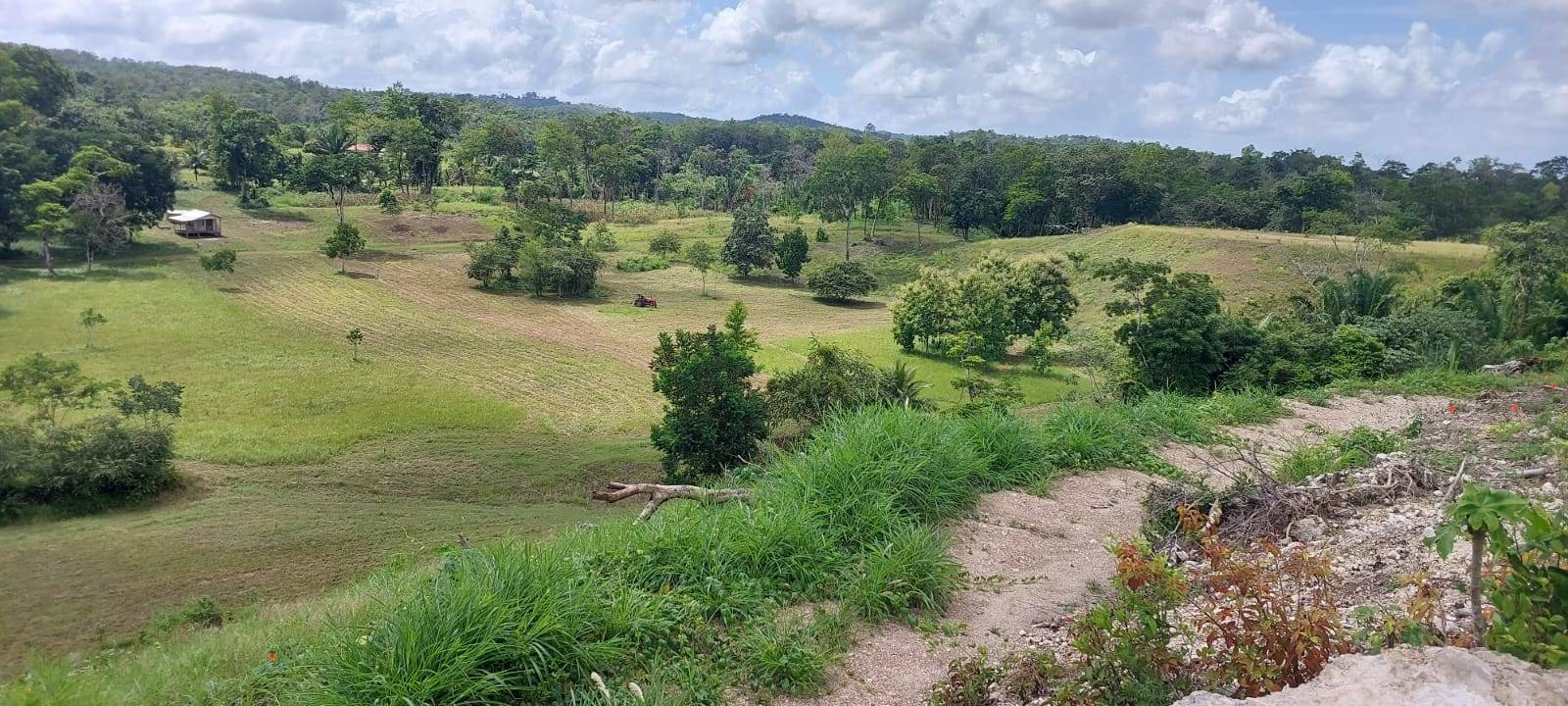

     AJ, what strategies have you implemented in your properties to mitigate climate change?

  • Investor · Arizona & Oregon Coast · Member since 2023 · 128 posts · 113 votes
    2y
    Quote from @Bruce Woodruff:
    Quote from @Brian Kloft:

    @Bruce Woodruff The heat island effect isn't going away anytime soon. We would need to make drastic changes to all of the streets and buildings to make that happen and I don't see that happening for at least 50 years. Yes I assume it is going to keep getting hotter. For how long? I do not know and no one else really knows the answer either, but I am going to assume that it will continue for the next 20-50 years. For all we know it could continue for the next 200+ years. All I can go by is what has been happening and is happening. Until something shows me otherwise I need to hedge my bets based on that. If I am wrong and it starts getting cooler then everything I have done to diversify is still good. If it keeps getting hotter and problems arise then I am also good. I may be a little more skewed because we live in one of the hotter places here in Phoenix and that is where all of my investments use to be. I also wouldn't start buying properties in super cold areas assuming it is going to get warmer and make those areas temperate climates.  The environment is not the only factor I look at but it is one of the factors I look at. Oh and yes I agree that the hot to cold to hot to cold has been going on since the beginning of time. The problem is that no one knows when the hot cycle will end and we will shift back to the cold cycle. 


    Well it seems we agree on most everything... :-)

    Except that I doubt that streets and buildings have much to do with the current warming trend. Is an acre of concrete hotter than an acre of woods? Maybe/probably. Is an acre of concrete hotter than an acre of desert? Probably not.

    But I agree on your general take on this. Nonetheless I still plan on my next RE investments being in the Phoenix area, specifically the retirement areas, as I see that segment growing...plus Phoenix has been one of the hottest (pun intended) RE areas in the country over the past decade.....


     Yes we do seem to agree on most of it. The streets and buildings do seem to have an effect on the cities, just based on my own observations. In the middle of the summer if you go out an hour or two after dark in the city it is one temp and you can feel the heat radiating off of the block walls and asphalt streets still. You go out in the desert 10 miles out of the city after dark and the temps drop much faster and further. Those mesquite trees and saguaros are not radiating heat back at you. Now how much of an affect does that have on the whole planet? Not sure. 

    I am still keeping properties in Phoenix, I just don't want all of my eggs in one basket. I don't need the annual newbie news story of them trying to fry all of my eggs on the sidewalk. :))

  • AJ WongBusiness Member
    OP
    Real Estate Broker · Oregon & California Coast · Member since 2022 · 834 posts · 696 votes
    2y
    Quote from @Alan F.:
    Quote from @AJ Wong:

    When it comes to successful real estate investment, insight and foresight are essential components to a profitable portfolio. 

    Insight brought me from LA to the Oregon Coast in 2018, partly fueled by a recognition that the world is rapidly changing and there are some environments that would actually benefit from it. (Imagine how valuable our cottage on the coast become during the Pandemic just 3 years later? We left Los Angeles to hike, boat, fish and escape the madness and have not looked back..)

    Speak with anyone that has lived on the Oregon Coast for a few decades, and they will tell you the harsh winters, used to be a lot harsher. 

    They'll probably mention how the summers are longer, milder and generally year-round the OR Coast is more hospitable. 

    In fact, in this recent Yahoo evaluation, Curry county on the southern coast was ranked the #1 county in the entire Pacific Northwest, to benefit from the effects of climate change. 

    Considering the pace of change, and the duration of most mortgages, is climate change something that factors into your investment criteria for yourself or clients? 

    Having lived and worked in Real Estate in both Florida & California, there are the considerations of fire and water. Florida has one of the most dysfunctional insurance markets in the country (if not the worst) primarily subsidized by a State program as an insurer of last resort. What happens in the next few decades if insurance companies stop (Like State Farm in both States) issuing coverage for oceanfront or waterfront properties due to rising sea levels, higher tides and flooding? They are already raising premiums in 'high risk areas' rapidly, just last week State Farm was approved to raise California policy rates an average of 20%. 

    Have you been to South Florida lately? The only beaches that are there, we recently put there, with dredged or trucked in sand. At high tides, some condos are literally splashed with waves. There is not beach, where there was once tens if not hundreds of feet of pristine (natural) sand. In just my time there from 1988-2015, there is a visual change, that eventually will become apparent to banks and insurance companies underwriting the RE assets. In short, if it's not insurable, it's not financeable. 

    There are other considerations as well. Let's say, an STR at a ski in ski out. Less snow? Less revenue. Strong wildfire season? Lower tourist activity. Even on the coast, there are some town with limited water access for new development. Can you believe that? Water shortages on the Oregon Coast! The list goes on...

    Is a changing and in some cases challenging environment something that factors into your real estate investment decisions or those of your clients? 

    Mine certainly are, flood, tsunami and fire concerns at top of mind, Zillow did a survey last year that showed 4/5 buyers factored or considered climate risks. 

    Top things to consider: 

    - Flood factor

    - Connectivity (electrical & internet) 

    - Water Source, backup and systems

    - Waste & Sewage

    - Insulation

    - Elevation 

    - Trees & Fire 

    Please refrain from political discourse :) 


     AJ, what strategies have you implemented in your properties to mitigate climate change?


    Part of what brought me to Oregon (Pre Pandemic) initially was/is the remoteness and safety of the coast. It's unspoiled and increasingly sunny and surfable. At our last primary in Coos Bay we installed a metal roof primarily for lower insurance premiums, durability and lower maintenance in the middle of the woods. At each of our properties we installed extra water storage including our current project in Baja Mexico, although more of a personal preference than environmental necessity. 

    Sesemi | STR Brokers powered by Fathom Realty 516 Reviews
  • Flipper/Rehabber · CA · Member since 2023 · 1k+ posts · 1k+ votes
    2y
    Quote from @AJ Wong:
    Quote from @Alan F.:
    Quote from @AJ Wong:

    When it comes to successful real estate investment, insight and foresight are essential components to a profitable portfolio. 

    Insight brought me from LA to the Oregon Coast in 2018, partly fueled by a recognition that the world is rapidly changing and there are some environments that would actually benefit from it. (Imagine how valuable our cottage on the coast become during the Pandemic just 3 years later? We left Los Angeles to hike, boat, fish and escape the madness and have not looked back..)

    Speak with anyone that has lived on the Oregon Coast for a few decades, and they will tell you the harsh winters, used to be a lot harsher. 

    They'll probably mention how the summers are longer, milder and generally year-round the OR Coast is more hospitable. 

    In fact, in this recent Yahoo evaluation, Curry county on the southern coast was ranked the #1 county in the entire Pacific Northwest, to benefit from the effects of climate change. 

    Considering the pace of change, and the duration of most mortgages, is climate change something that factors into your investment criteria for yourself or clients? 

    Having lived and worked in Real Estate in both Florida & California, there are the considerations of fire and water. Florida has one of the most dysfunctional insurance markets in the country (if not the worst) primarily subsidized by a State program as an insurer of last resort. What happens in the next few decades if insurance companies stop (Like State Farm in both States) issuing coverage for oceanfront or waterfront properties due to rising sea levels, higher tides and flooding? They are already raising premiums in 'high risk areas' rapidly, just last week State Farm was approved to raise California policy rates an average of 20%. 

    Have you been to South Florida lately? The only beaches that are there, we recently put there, with dredged or trucked in sand. At high tides, some condos are literally splashed with waves. There is not beach, where there was once tens if not hundreds of feet of pristine (natural) sand. In just my time there from 1988-2015, there is a visual change, that eventually will become apparent to banks and insurance companies underwriting the RE assets. In short, if it's not insurable, it's not financeable. 

    There are other considerations as well. Let's say, an STR at a ski in ski out. Less snow? Less revenue. Strong wildfire season? Lower tourist activity. Even on the coast, there are some town with limited water access for new development. Can you believe that? Water shortages on the Oregon Coast! The list goes on...

    Is a changing and in some cases challenging environment something that factors into your real estate investment decisions or those of your clients? 

    Mine certainly are, flood, tsunami and fire concerns at top of mind, Zillow did a survey last year that showed 4/5 buyers factored or considered climate risks. 

    Top things to consider: 

    - Flood factor

    - Connectivity (electrical & internet) 

    - Water Source, backup and systems

    - Waste & Sewage

    - Insulation

    - Elevation 

    - Trees & Fire 

    Please refrain from political discourse :) 


     AJ, what strategies have you implemented in your properties to mitigate climate change?


    Part of what brought me to Oregon (Pre Pandemic) initially was/is the remoteness and safety of the coast. It's unspoiled and increasingly sunny and surfable. At our last primary in Coos Bay we installed a metal roof primarily for lower insurance premiums, durability and lower maintenance in the middle of the woods. At each of our properties we installed extra water storage including our current project in Baja Mexico, although more of a personal preference than environmental necessity. 


     That's awesome! I really like metal roofs for longevity and fire risk. Unfortunately here in CA some building dept are resistant, on several builds I've only had the choice of tile or comp. Tile roofs while pretty are highly susceptible to debris dams at the battens. Then water (particularly in the valleys) backs up and violates the underlayment. Few people are willing to clean this debris. This debris is also a fire hazard from flying embers.

    I'm also a big fan of rain catch, particularly cisterns. After many years of court battles in 2012 the state allowed homeowners to harvest rainwater from their downspouts. However water districts were granted the power to decide legality in their respective districts. Many water districts still don't allow this, alas my houses are in 1 area, in 2012 the water district canceled our water "use" rights and welded a cap on our well. $13k later we had a water line. We pay $50 a month minimum, i.e. use no water still pay $50 a month.

    Both properties have 100 ft defensible space, with no foliage at all. our only water use is drinking, bathing and laundry.

Join the conversationCreate a free account to reply, vote on answers and follow this thread.