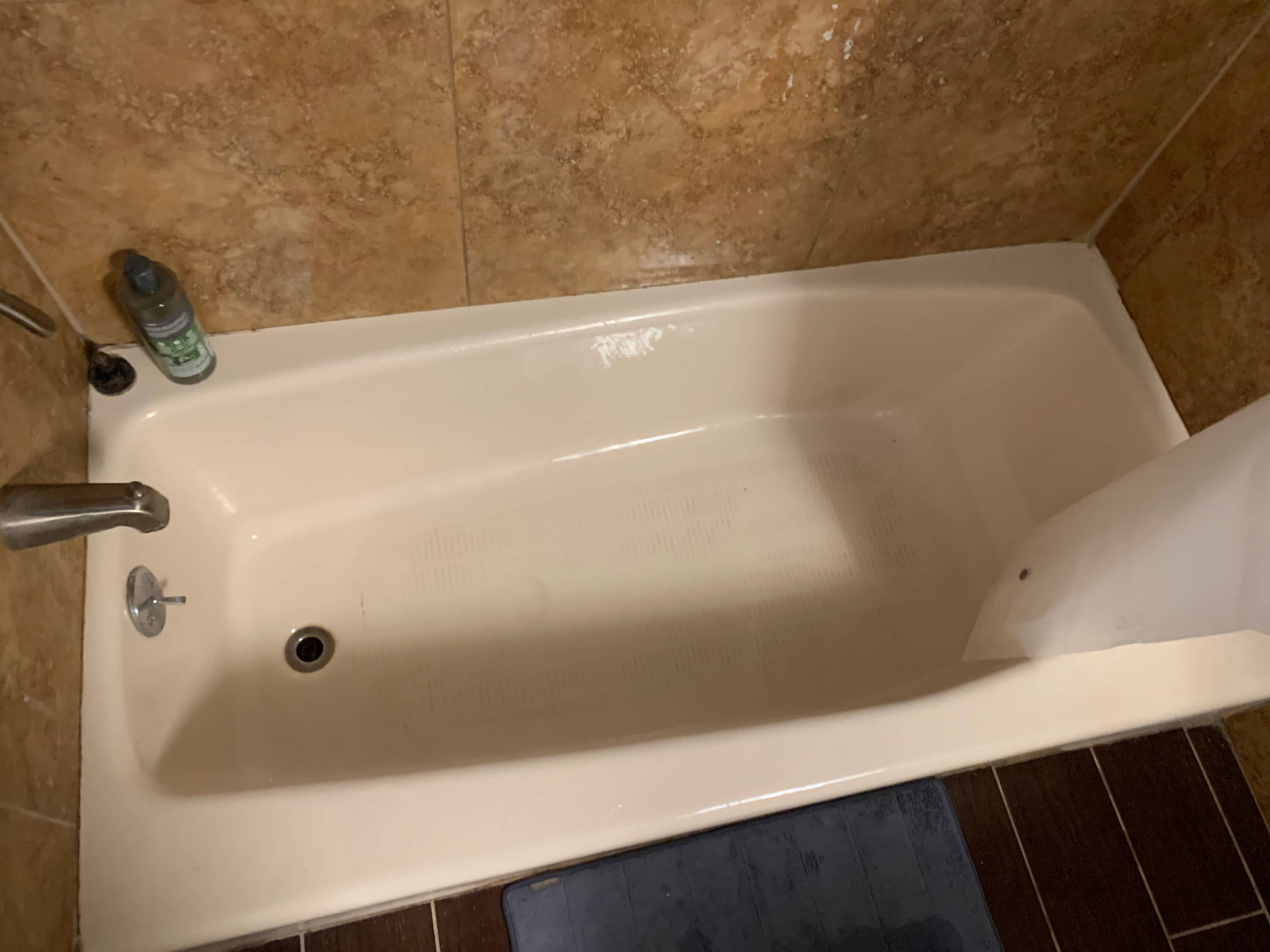
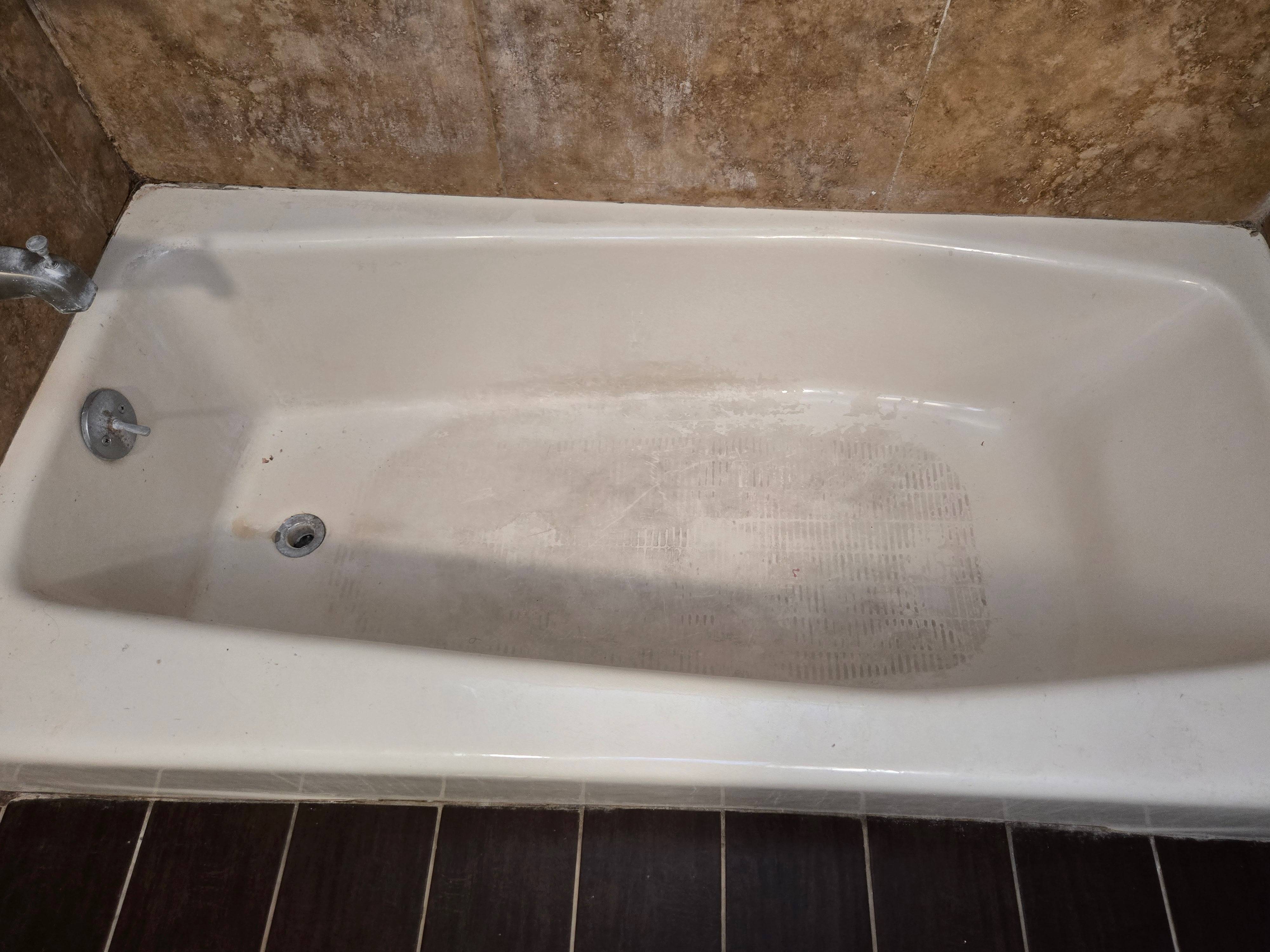
I'm going through my first tenant turnover and trying to determine what constitutes damage beyond normal wear and tear.
One of the bathtubs is heavily stained black with what appears to be rust around the drain. It looks like it may not have been cleaned regularly during the three years the tenants lived there. The tenants mentioned that they tried cleaning it before moving out but couldn't remove the stains.
My contractor confirmed that cleaning alone won't fix it and recommended refinishing the tub at a cost of $500. Unfortunately, I'm out of state, so doing the work myself isn't an option.
For those with more experience, would you deduct the full $500 from the security deposit, a portion of it, or consider this normal wear and tear?
Three years in, I would treat this as a split, not a full charge. A tub finish has a limited life, so staining after a 3 year tenancy leans toward normal wear, while rust from a leak or a harsh cleaner leans toward damage.
What I would do: pull the move-in photos or checklist for that tub, write down the install or last refinish date (mark it as an estimate if you do not know it), and prorate the $500 over the expected life of the finish. The tenant only pays for the life they used up beyond normal wear. Then send an itemized statement inside your state's deadline with the contractor quote and photos attached, and check your state's deposit rules before you deduct anything.
Vacancy days usually cost more than the disputed amount, so book the refinish now instead of waiting on the deduction.
I am with M Property Group LLC, managing rentals in the south and southwest Chicago suburbs, and personally in this business since 1991.
Mike Fisher, Licensed Illinois Real Estate Broker, M Property Group LLC
It is difficult to say for sure from the pics, but obviously the "before" pic was of a tub that was not terribly old, with the traction strips embedded in the original finish. As such, I would be suspect of the larger dark area, as it is possible their tub was clogged at some point, and they used a chemical "drain cleaner" which sat too long, pitting the original surface. If that were the case, I would ask if they had used such cleaners, and if admitted, charge them for the reglaze. Without admission, or a professional reporting the damage as such, I would not expect much from the tenant. The other possibility is that the wrong cleaning agents were used, because it does also look like some of the traction strip material was scrubbed away.
Whatever you decide, a new reglaze rarely lasts over 3 years anyway, but it is critical that the prep process for that is properly performed. Any shortcuts, and it won't last 2 years. You also need to include in your rental agreement or house rules that no abrasive cleaning products of any kind be used on the tub. Soap, water, soft sponge only.
The rust around the drain is a separate issue, suggesting either a near continuous drip from the tub spout, or corrosion working outward from under the drain lip, which could create a minor leak under the tub.
The "after" pic does not appear as though the tub/wall joint is caulked properly, perhaps it just was not done at the time of the pic, but that is critical to perform properly.
On a three-year stay I would not auto-charge the full refinish. Compare move-in photos to the after shots, note the tub age, and prorate if the finish was already partway through its life. Rust at the drain can be damage from a drip or harsh cleaner, but staining alone often reads as wear. General info only. Send an itemized deposit accounting on time with the quote and photos, and book the work so vacancy does not cost more than the deduction.
Compare the bathtub to the signed move-in condition report and dated photos first. If the tub was clean at start, note whether the stain and drain rust look like missed cleaning, a chemical burn, or aging finish. Heavy black staining plus rust after three years is often a mix of wear and possible damage, so avoid an automatic full $500 write-off.
Write an itemized deposit letter that lists: (1) the refinish quote, (2) what the move-in photos show, (3) a prorated share if the finish had remaining life, and (4) any amount you are not charging. Attach the quote and before/after photos. Mail or deliver it inside your state’s accounting window even if you are still deciding the last dollars. Schedule the refinish on the vacancy calendar so days empty do not cost more than the deduction. Put the same note in the unit repair log for the next turnover.