
Best Deal Ever: How a Postcard Gets the Phone Ringing
Learn the strategy a Florida investor has been using to find deals, including buying a property for $95K and selling it for $209K in 4 months.
Learn the strategy a Florida investor has been using to find deals, including buying a property for $95K and selling it for $209K in 4 months.
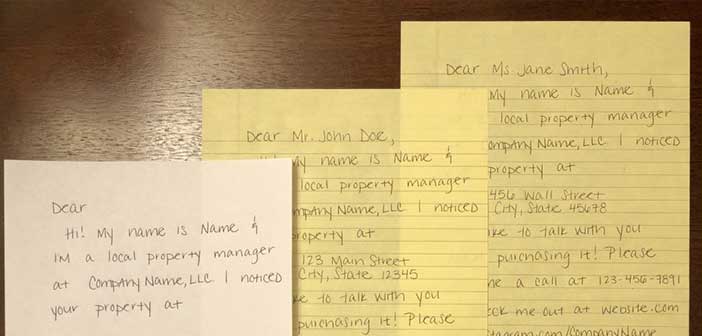
Making small changes to your direct mail campaign might bring big changes to your portfolio. Keeping your letters short but personal and easily mass produced will make your yellow letters…
What can be learned from the world of software development and applied to the business of real estate investing? More effective project management! One of the most overlooked and potentially frustrating areas…
Want to be a successful wholesaler? There is certainly room in the marketplace for wholesalers who understand the need to serve their customers. However, all too often wholesalers misinterpret their role…
Although it seems like yesterday, it was September 1995 when I attempted to purchase my first real estate deal with none of my own money. I had just completed a…
We all enjoy gifts and/or people that “keep-on-giving”; however, in some instances, we want it to be done with as soon as possible. Unfortunately for me, I recently experienced an unfavorable “gift”…
I was shocked when I first heard the news. Overcome with disbelief. How could this happen? Who could have possible seen this coming? The popular tabloid headline (which I read…
Have you ever wondered how Google knows exactly what information you’re looking for after typing 2-3 words in the search box? How did Steve Jobs figure out the American consumer…
In the course of a typical week, I get to see and hear about a lot of properties for sale to rehabbers. Inevitably among them are properties advertised by sellers…
It’s been a relatively tough real estate market for rehabbers/flippers for some time now, and with the home-buyer tax credit getting ready to expire at the end of this week,…
Last week, my blog post discussed my method for determining the maximum purchase price you can offer for a property that you plan to rehab/resell or wholesale. In the formula…
Two weeks ago I wrote a warning about over-improving and last week I told you about a house that I over-improved. I went long last week and I didn’t get…
Rehabbing or flipping is almost 100% art. There are very few hard and fast rules. The goal, like in any business, is to maximize profit. Many times I have quoted…