Buying insurance without an insurance broker

Buying insurance without an insurance broker

Abad MarroquinPro Member
Chatsworth, GA · Member since 2014 · 125 posts · 17 votes

I am curious to know how many Multifamily investors buy insurance for their properties themselves without an insurance broker. I’ve been trying to educate myself and learn what make a good policy and eventually being able to buy my own commercial insurance for my properties myself to save the 10-20% agent commission. Has anyone done it and if so, what company have you used? Any heads up? 

1Reply
233 views

Most Popular Reply

J CastroBusiness Member
Lender · Florida · Member since 2025 · 755 posts · 266 votes
5mo

A lot of experienced multifamily investors still work through insurance brokers, especially as portfolios get larger or more complex. Not necessarily because they can’t obtain policies directly, but because commercial real estate insurance becomes very nuanced once you start dealing with:

  • multiple properties
  • older buildings
  • liability exposure
  • loss runs
  • lender requirements
  • umbrella coverage
  • flood/wind exclusions
  • and replacement cost calculations

One common misconception is that the broker commission is always an “extra” cost. In many cases, carriers build commissions into pricing regardless, and strong brokers can sometimes negotiate better terms, identify coverage gaps, or access markets that individual investors may not easily reach on their own.

That said, educating yourself on policy structure is absolutely one of the smartest things an investor can do. Even when using a broker, understanding:

  • coinsurance clauses
  • vacancy provisions
  • ordinance/law coverage
  • liability limits
  • deductible structures
  • business interruption coverage
  • and replacement cost vs actual cash value

can save you from major problems later.

Where investors sometimes get into trouble buying directly is focusing too heavily on premium cost while underestimating exclusions and claim limitations. A cheap policy that doesn’t respond properly during a claim can become extremely expensive very quickly.

For smaller portfolios, some investors do go direct through carriers or online commercial platforms, but once portfolios scale, many operators prefer having a broker who specializes specifically in multifamily or investment properties because underwriting standards and lender expectations continue evolving.

Personally, I think the best approach is less about eliminating brokers entirely and more about becoming educated enough that you can properly evaluate whether your broker is actually structuring good coverage and advocating for your portfolio effectively.

JCREIG Capital Funding
See this reply in the discussion

8 Replies

Jump to latestLatest
  • Theresa HarrisPro Member
    Member since 2019 · 15k+ posts · 11k+ votes
    5mo

    I don't use brokers.  I have my regular insurance company I deal with.

  • J CastroBusiness Member
    Lender · Florida · Member since 2025 · 755 posts · 266 votes
    5mo

    A lot of experienced multifamily investors still work through insurance brokers, especially as portfolios get larger or more complex. Not necessarily because they can’t obtain policies directly, but because commercial real estate insurance becomes very nuanced once you start dealing with:

    • multiple properties
    • older buildings
    • liability exposure
    • loss runs
    • lender requirements
    • umbrella coverage
    • flood/wind exclusions
    • and replacement cost calculations

    One common misconception is that the broker commission is always an “extra” cost. In many cases, carriers build commissions into pricing regardless, and strong brokers can sometimes negotiate better terms, identify coverage gaps, or access markets that individual investors may not easily reach on their own.

    That said, educating yourself on policy structure is absolutely one of the smartest things an investor can do. Even when using a broker, understanding:

    • coinsurance clauses
    • vacancy provisions
    • ordinance/law coverage
    • liability limits
    • deductible structures
    • business interruption coverage
    • and replacement cost vs actual cash value

    can save you from major problems later.

    Where investors sometimes get into trouble buying directly is focusing too heavily on premium cost while underestimating exclusions and claim limitations. A cheap policy that doesn’t respond properly during a claim can become extremely expensive very quickly.

    For smaller portfolios, some investors do go direct through carriers or online commercial platforms, but once portfolios scale, many operators prefer having a broker who specializes specifically in multifamily or investment properties because underwriting standards and lender expectations continue evolving.

    Personally, I think the best approach is less about eliminating brokers entirely and more about becoming educated enough that you can properly evaluate whether your broker is actually structuring good coverage and advocating for your portfolio effectively.

    JCREIG Capital Funding
  • Owen RosenBusiness Member
    Professional · Clinton Township, MI · Member since 2015 · 691 posts · 260 votes
    5mo
    Quote from @Abad Marroquin:

    I am curious to know how many Multifamily investors buy insurance for their properties themselves without an insurance broker. I’ve been trying to educate myself and learn what make a good policy and eventually being able to buy my own commercial insurance for my properties myself to save the 10-20% agent commission. Has anyone done it and if so, what company have you used? Any heads up? 


     What you're trying to do doesn't really exist. Commission is negligible to most insurance carriers. Most only operate through agents whether they're internal or external, captive or independent. Pricing will never be lower or higher solely because of buying channel.

    The industry is moving more towards the Independent Agent model overall.

    Royal Oath Insurance Group4.9208 Reviews
  • Specialist · Baltimore, MD · Member since 2017 · 418 posts · 126 votes
    5mo
    Quote from @Abad Marroquin:

    I am curious to know how many Multifamily investors buy insurance for their properties themselves without an insurance broker. I’ve been trying to educate myself and learn what make a good policy and eventually being able to buy my own commercial insurance for my properties myself to save the 10-20% agent commission. Has anyone done it and if so, what company have you used? Any heads up? 

    The agent commission comes from the carrier directly for placement- not you. It's not structured like a real estate agent as @Owen Rosen mentioned. 

    @J Castro is spot on - you should know enough to be dangerous but havinga professional who knows the ins and outs of the markets and exclusions is worth more than going "cheap"

  • Real Estate Broker · New York, NY · Member since 2020 · 2k+ posts · 1k+ votes
    5mo

    I think it really depends on the size of the portfolio and how experienced you are with commercial policies. Personally, I’ve seen a lot of investors try to save money upfront on insurance, but sometimes end up underinsured or miss important coverages that only become obvious once there’s a claim.

    Even if you end up using a broker, I still think it’s smart to learn the basics yourself so you actually understand what you’re covered for and where the gaps might be.

    Some of the bigger things investors should pay attention to are liability limits, loss of rental income coverage, deductibles, water or flood exclusions, and whether the policy properly covers older buildings or vacant units. Those details can make a huge difference if you ever have to file a claim.

    In markets like NYC especially, insurance has become a huge underwriting factor because premiums have climbed pretty significantly in recent years. One gap in coverage or misunderstanding can end up costing way more than the commission savings.

    That said, a good broker can sometimes actually save you money by shopping multiple carriers and helping structure the right coverage for the asset. I’d probably look at it less as “avoiding commission” and more as making sure you fully understand what you’re paying for.

  • Henry ClarkPro Member
    Developer · Member since 2020 · 4k+ posts · 4k+ votes
    5mo

    OP I would definitely use a Broker for at least the first 6 years.  The reason 6 years.  You don't want to be shopping your coverage every year.  About every 3 years shop it.  Have the Broker walk you through each of the proposals Pros/Cons.  This will be educational.  Then if you want to shop it yourself in the future, go for it.  But as some have mentioned above, you won't be saving much either by reducing commissions or offset by missing something in your coverage.  

    Also, there are services from your insurance company that your Broker may recommend.  For example, if you have an old building.  You might have them come in with Heat sensors and look for electrical hotspots, or just poor insulation.

    Or they may review your rental contracts and point out issues.  Or the difference between Personal and Real Property coverage.   Or clean-up costs inclusion.

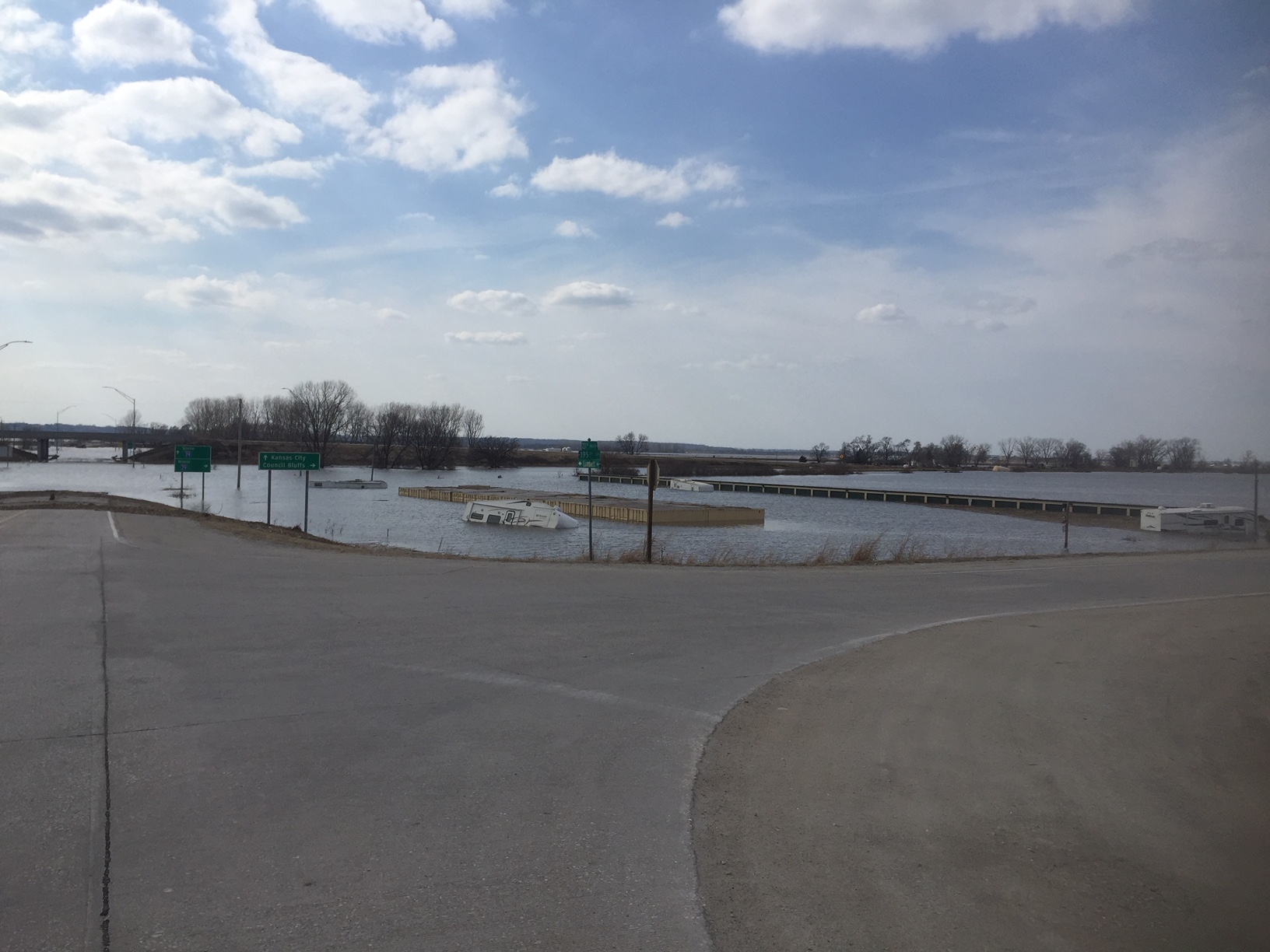
    The picture below is "30 Days After" the flood.  Took 4 months before the ground dried out enough to allow people in.  

    1.  Had 18 months Business interruption coverage.  It takes a while to rent units out again.

    2.  Personal property coverage.  We have several locations.  Luckily I mixed up the Personal property amount to be insured and insured this location heavier than I had planned.  Covered lawn mower, car we had their, security systems, electrical.  If I had insured for the amount I thought we would have not been covered enough.

    3.  Cleanup.  Most renters walk away and don't clean up, especially after a flood.  All of their material had to be pulled out of the units.  Luckily the County both picked up the trash and paid for the dump fees.  This would have been around $50,000 which I did not have covered.
  • Abad MarroquinPro Member
    OP
    Chatsworth, GA · Member since 2014 · 125 posts · 17 votes
    5mo

    Thank you everyone for your input on this thread. Having the right coverage is definitely important and a very experienced comercial insurance brokers can make sure I get the right protection at a competitive price. 

  • Member since 2024 · 144 posts · 28 votes
    4mo

    Bypassing a commercial insurance broker to save a 10% to 20% commission is an operational mistake that will actively increase your asset risk. In commercial real estate (5+ unit multifamily), commissions are built directly into the wholesale carrier's base rates—meaning you cannot pocket the savings by trying to buy directly.

    Furthermore, major commercial surplus lines syndicates (like Lloyd's) legally restrict access exclusively to appointed brokers. If you buy a cheap, direct-to-consumer policy online, you are walking into an underwriting trap.

    To protect your capital, find a premier Independent Commercial Insurance Broker and learn to audit their policies. Demand Replacement Cost Value (RCV) instead of Actual Cash Value (ACV) so depreciation isn't deducted from your claims, verify you are clearing the 80% to 90% Coinsurance thresholds to avoid severe partial claim penalties, and mandate a minimum of 12 to 18 months of Business Income / Rent Interruption coverage so your mortgage is paid if a fire forces tenants out. Having a broker-certified policy stack is also essential for financing; specialized Non-QM commercial lenders require your insurance carrier to hold a verified 'A-' A.M. Best rating before they will approve maximum leverage on a DSCR Loan under your LLC, making a professional broker relationship a baseline requirement to scale.

Join the conversationCreate a free account to reply, vote on answers and follow this thread.