Investor · Woodland Hills, UT · Member since 2016 · 84 posts · 31 votes
I want to specifically start a discussion on the topic of investing ONLY in D neighborhood quality properties.
I have spent a LOT of time here on BP the last 10 days and my horizon has been opened to a lot more possibilities then I ever expected. Living in Utah, I feel the barrier to purchase more and more properties is becoming more difficult for me. I have been reflecting a lot on the different strategies mentioned here on BP.
I see a lot of people say to stay away from D properties (specifically in OH, MI, etc) but I feel like there is little to no barrier to purchase those properties.
Is it a bad strategy to have a consistant purchasing behavior of these types of properties? I feel like if I purchase 10 properties over 2-3 years, 6 would be good experiences, 2 would be home runs and the remainder would be terrible experiences. The law of averages would favor you.
Do you recommend this strategy specifically for the buy & hold rental cashflow investor? Is there a better opportunity you would consider?
Why would anyone buy the one you have for sale when they can buy the one next to yours for less then you paid for yours? It is also in better shape then yours was when you bought yours. This is reality.
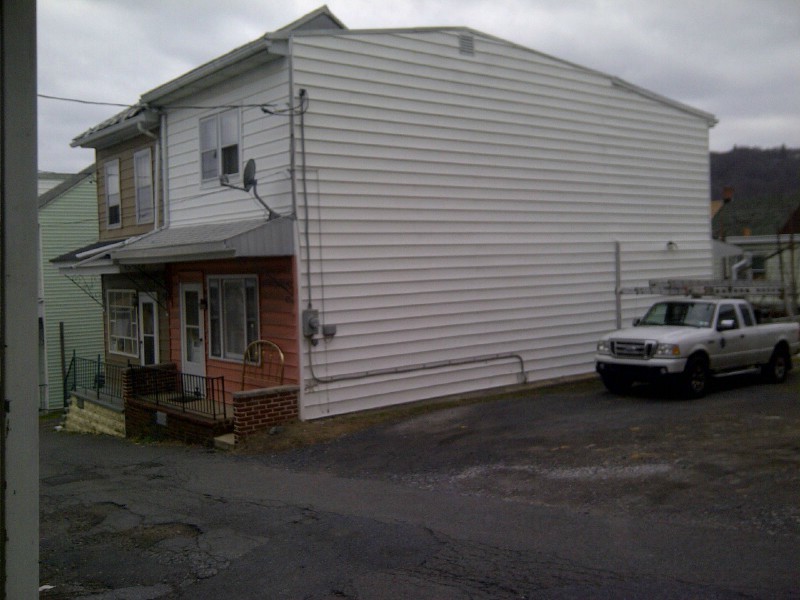
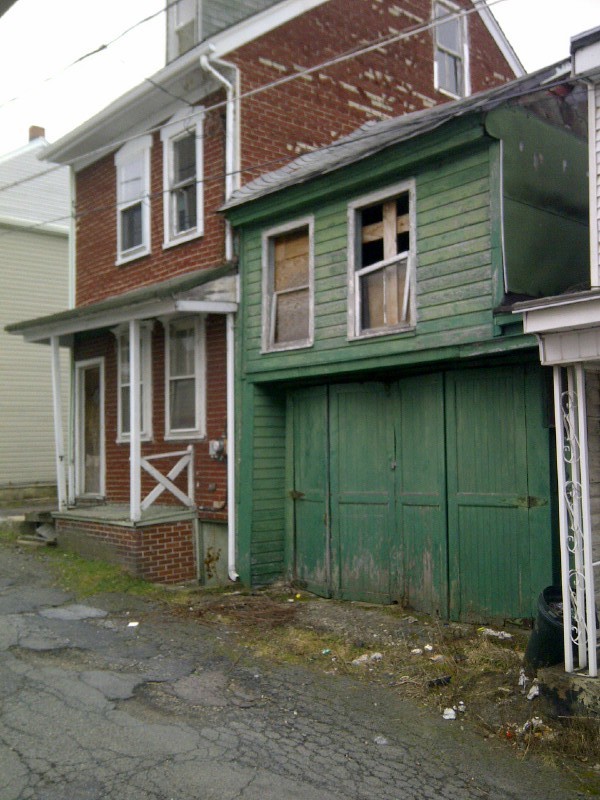
If you do not have someone you trust 100% to judge the home. Judging the home means the one behind it, next to it, across the street, up the block. Here are pictures from one I just rented out.
This is the property behind mine. That is the yard before I cleaned it up.
That is my property.
This the property across the street. You have to understand the mentality of the people and the system that keeps them renters . Anyone of these people could buy this home. I have have an investor that loaned me the money at 8% for 10 years. I fixed the property and rented it for $600 a month. Most rents for this house would be $400 - $500.
I have an investor that wants out and I am buying 5 with long term tennents in better blocks for 1/2 the price.
The streets in the Philippines look a lot more run down, and "ghetto" that what is in those photos. In my three times traveling there (having been to the major cities and more rural areas), never did I not feel safe. I just walk with a smile on my face, and talk to the locals and buy delicious pastries on the street for $0.10/ea. I wonder then, people feel unsafe walking through C-/D areas in the US?
You can not compare the looks of the buildings as having the same people living in them. Different cultures and wealth. Night and day you can not compare the two.
I want to specifically start a discussion on the topic of investing ONLY in D neighborhood quality properties.
Yes and no. Mainly no.
The problem is that they will always be D neighborhoods, unless you have a specific piece of knowledge that something in the area is changing.
For instance, I've been toying with buying a couple of C/Ds. Seller is in no hurry, and I'm not exactly gung-ho for once. She wants $30k a piece. My inside knowledge is that the county is considering buying the 200 unit ghetto opposite and grinding it into dust. Essentially it keeps flooding, which is kinda what happens when you build 200 apartments in a swamp in a floodplain. The swamp even has a name, so you'd think it was kinda known about.
But anyway, if that apartment complex goes, then that subdivision will definitely improve over time.
One of our multi units is in a C/D, but again, that area is slowly gentrifying itself. The more stuff built downtown, the better that area becomes.
So unless you have some inside knowledge, or know that changes are a foot you could do well.
But.
If you want cheap houses, when you come to sell them in 20 years, what you will have is lots of cheap houses. These houses actually become more of a liability than an asset. Telling people that you own 30 units sounds impressive, but when your bus fare cost more than your portfolio, the glow is short lived.
I know a bunch of slumlords, they are not wealthy people.
Investor/Developer · Salt Lake City, UT · Member since 2015 · 207 posts · 106 votes
10y
@Nik Krohn why do you feel like you can't purchase properties here in Utah?
Also, if your strategy turned out the way you project (10 properties over 2-3 years, 6 would be good experiences, 2 would be home runs and the remainder would be terrible experiences), then it's a no-brainer. But it's not that simple. For instance, what if the 2 terrible experiences were your 2 FIRST deals? That would eat your bankroll pretty fast.
Also, I don't know what type of "home runs" you are hoping for in D areas... huge pockets of oil being discovered underground?
I wouldn't base your strategy off of some hopeful projections you come up with.
My advice is to invest in your back yard. Begin to create value by generating quality leads, negotiating well, and making financial partners.
Please reach out to me if you want to chat about some strategies!
Investor · Hilliard, OH · Member since 2014 · 60 posts · 25 votes
10y
Coming in late on the discussion, a lot of good points in the discussion. I met a couple of PMs in the Central Ohio area a few years ago and they specifically told me that they do NOT manage rentals in the D areas. And if you look at the numbers, it makes sense. Say average rent is $600 - 10% PM fees is $60. The D tenants are not going to send payments automatically using ACH, heck they might not have a checking account to mail a check either. You're going to need to go there to pick up rent in cash. And you'll have to stop by a couple of times at least. Unless you manage the entire block you are losing money managing a few here and there in that area. $60 is too little. We're not even talking about crime. If you are investing out of state, you better have a great PM company - probably more important than the "deal" itself. Your chances of finding a good PM in a D area goes down quite a bit.
That being said, I do know an investor here who does his own handyman work and has lived in the D all his life. He is a part time investor and is doing pretty good with the few properties he has. He is successful for obvious reasons, not every one has the same skills/background.