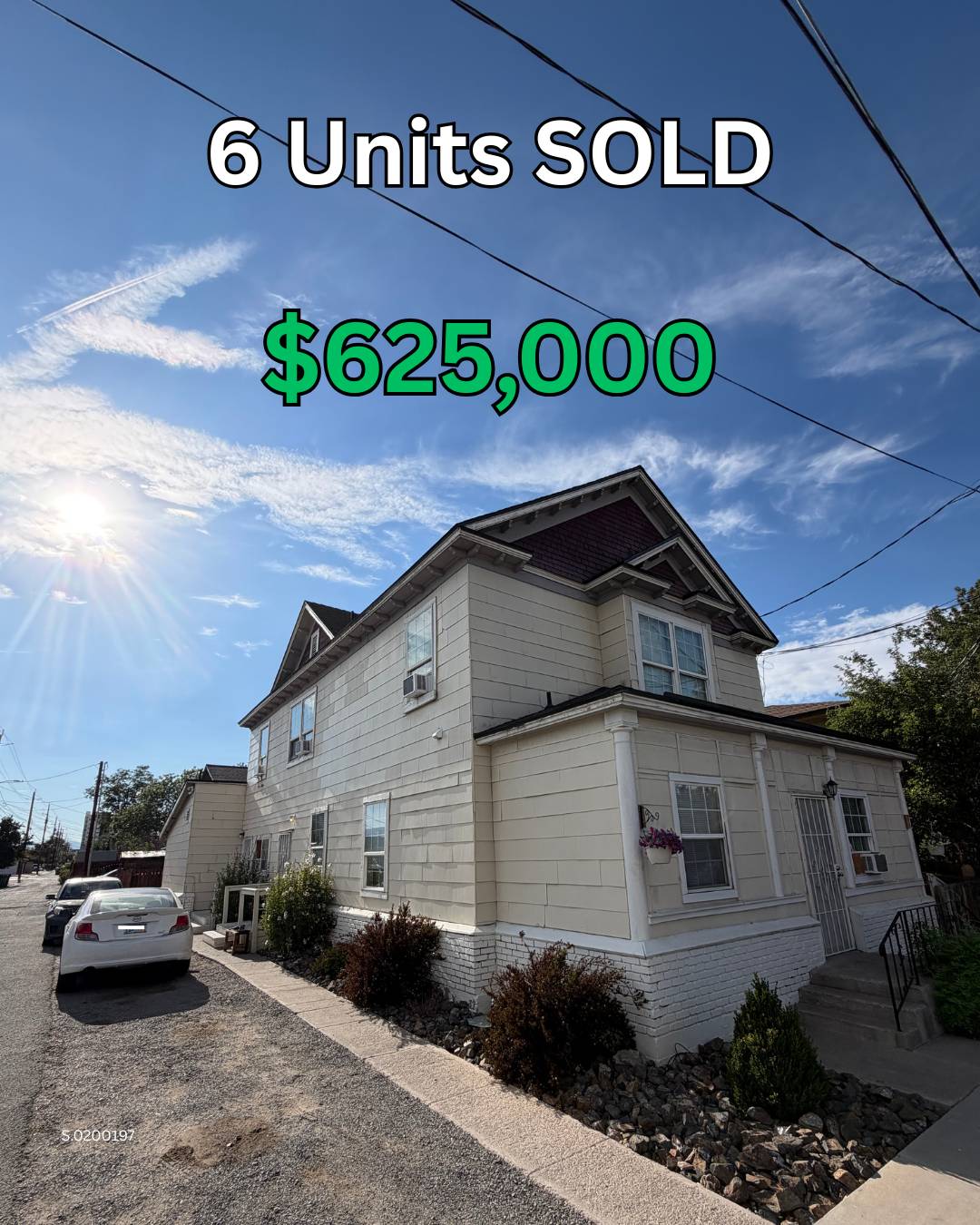
This is exactly the kind of gap we’ve been designing around.
We're not building an MLS replacement. The MLS, public portals, county records, broker sites, direct seller information, etc. are all different source layers with different rights, timing, and visibility.
What we’re building is the layer above those sources.
We keep a rolling record of the property and preserve what each authorized/public source said over time: when it appeared, disappeared, changed price, changed status, was relisted, showed up in one system but not another, and what the underlying deal economics looked like at each point.
That means a situation like this becomes interesting for a different reason.
It’s not just:
"This property was in the MLS."
It’s:
“This opportunity existed in one information environment while being effectively invisible in the environments most investors were watching.”
That divergence is a signal.
So instead of treating Zillow, Crexi, LoopNet, MLS access, public records, etc. as separate places somebody has to manually remember to search, we can query the accumulated market record and ask things like:
Show us multifamily opportunities that appeared in one source but never propagated to the others.
Or:
Show us properties where price, financing structure, status, or seller behavior drifted enough to create a new investment thesis.
That’s much more interesting to us than trying to build another listing portal.
The listing is the current snapshot.
We care about the path the property took to get there — and the gaps between the systems along the way.