If it ain't broke, don't fix it

If it ain't broke, don't fix it

Investor · Chattanooga, TN · Member since 2023 · 176 posts · 109 votes

Deferred maintenance can become expensive, if we kick the can down the road long enough..

Ever heard the phrase, "If it ain't broke, don't fix it."

Sounds okay on the surface, right? Then we start to peel back the layers to learn.. Most things don't magically break down overnight...

They started to deteriorate long before the repair/ replacement was actually needed.

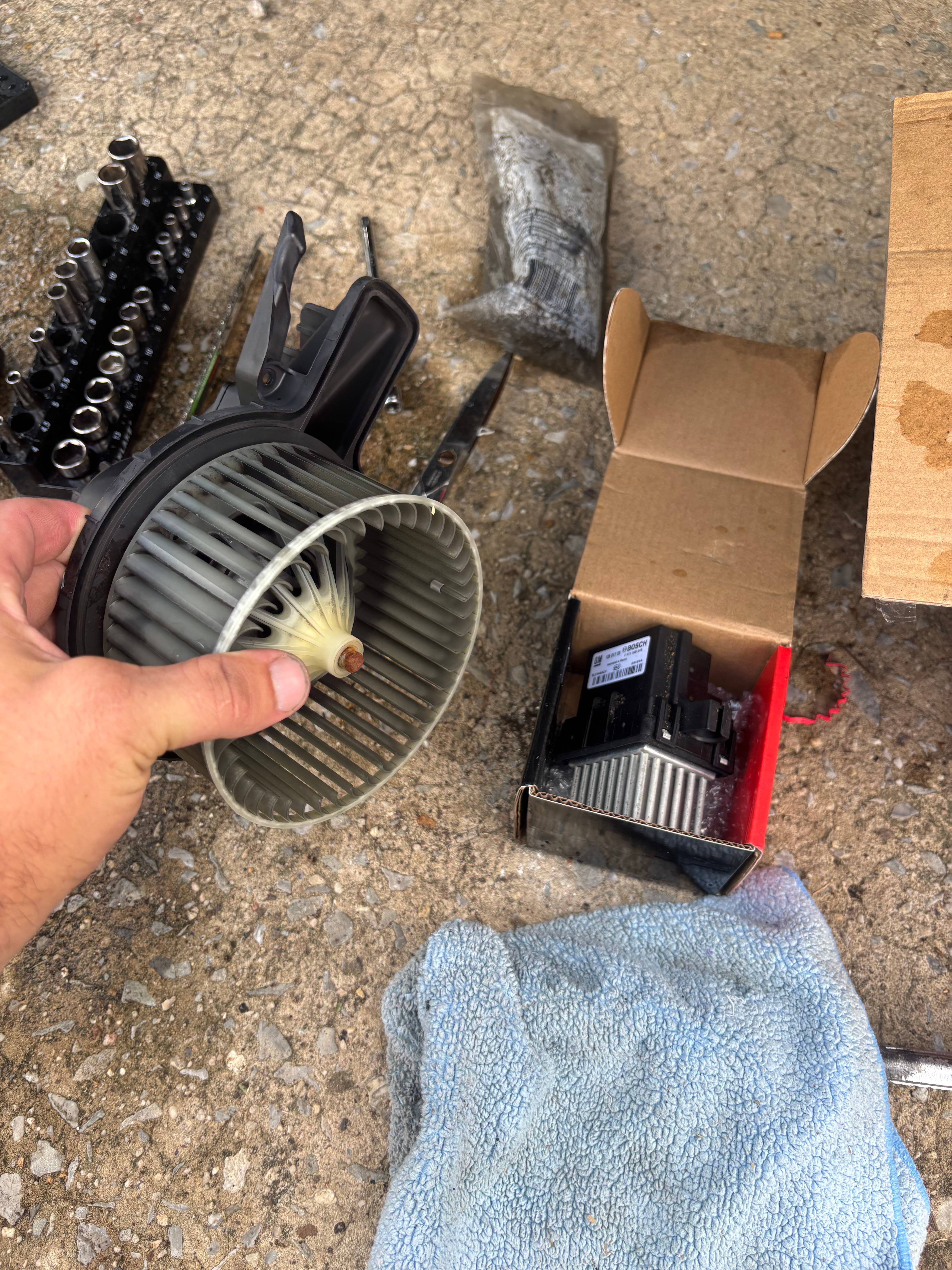
Squeaky bearings.

Unresolved conflict.

Temperatures shifting higher.

Tenants feeling as if they're left in the dark.

That's when small issues become larger problems than they really need to be.

We don't have to solve the next 20 steps.

Not even the next year.

Or even the whole problem all at once..

Just the next step forward.

In the Army, they say, "Shoot, move and communicate."

Shared direction.

Steady movement.

Continuing to discover and rediscover, together.

It's not always hype, glam or exciting.

It's actually quite the opposite and that can feel as if we've fallen behind..

Actually though, that's the cost of growth, success and learning
2Reply
340 views

Most Popular Reply

Jordan RayBusiness Member
Real Estate Agent · Memphis, TN · Member since 2023 · 630 posts · 328 votes
3w
Quote from @Joshua Hardin:

Deferred maintenance can become expensive, if we kick the can down the road long enough..

Ever heard the phrase, "If it ain't broke, don't fix it."

Sounds okay on the surface, right? Then we start to peel back the layers to learn.. Most things don't magically break down overnight...

They started to deteriorate long before the repair/ replacement was actually needed.

Squeaky bearings.

Unresolved conflict.

Temperatures shifting higher.

Tenants feeling as if they're left in the dark.

That's when small issues become larger problems than they really need to be.

We don't have to solve the next 20 steps.

Not even the next year.

Or even the whole problem all at once..

Just the next step forward.

In the Army, they say, "Shoot, move and communicate."

Shared direction.

Steady movement.

Continuing to discover and rediscover, together.

It's not always hype, glam or exciting.

It's actually quite the opposite and that can feel as if we've fallen behind..

Actually though, that's the cost of growth, success and learning


Real estate investing is never as simple as it looks on a spreadsheet. The real education begins after you buy—the deferred maintenance, unexpected repairs, tenant communication, and operational decisions that force you to improve. That’s also why I tell people not to stop at one property. Buy responsibly, but keep buying and scale as quickly as your finances and systems safely allow. The more properties you own, the more you learn how to optimize: which repairs prevent larger expenses, where you can save money, what should be handled immediately, and what actually works for your portfolio. There is no one-size-fits-all formula. After 10 years in the Army National Guard, including a year-long deployment, “shoot, move, and communicate” makes perfect sense to me here. You don’t have to solve the next 20 problems today—you identify the next priority, take action, communicate, and keep moving forward. If you stay in the game and continue buying intelligently, experience will teach you lessons that no spreadsheet ever could.

See this reply in the discussion

6 Replies

Jump to latestLatest
  • Investor · Chattanooga, TN · Member since 2023 · 176 posts · 109 votes
    3w

    "Don't cry over spilled milk, just find the closest cloth or use your shirt to clean it up."

    -The old man, who doesn't know anything

  • Investor · Pacific Northwest · Member since 2026 · 538 posts · 302 votes
    3w

    Deferred maintenance is usually deferred decision-making.

    The expensive failure almost never starts on the day something finally breaks. The signal was there earlier — a leak that kept returning, HVAC performance drifting, a tenant complaint that became a pattern, small exterior movement, an operating expense creeping upward. The real advantage is having a system for catching those changes while the range of cheap options is still large.

    That’s how we look at it operationally: don’t try to predict and solve the next 20 moves. Preserve what changed, understand what it affects, assign the next action, and make sure it doesn’t disappear between people or systems.

    “Shoot, move and communicate” is actually a pretty good operating model for real estate.

    If you ever want to compare notes on how you’re tracking this stuff across properties, feel free to connect.

  • Honolulu, HI · Member since 2008 · 3k+ posts · 2k+ votes
    3w

    Prevention is always less costly than remediation.

  • Diana KhanPro Member
    Attorney · 10451 Mill Run Cir #755 Owings Mills, MD 21117 · Member since 2024 · 403 posts · 160 votes
    3w
    Quote from @Joshua Hardin:

    Deferred maintenance can become expensive, if we kick the can down the road long enough..

    Ever heard the phrase, "If it ain't broke, don't fix it."

    Sounds okay on the surface, right? Then we start to peel back the layers to learn.. Most things don't magically break down overnight...

    They started to deteriorate long before the repair/ replacement was actually needed.

    Squeaky bearings.

    Unresolved conflict.

    Temperatures shifting higher.

    Tenants feeling as if they're left in the dark.

    That's when small issues become larger problems than they really need to be.

    We don't have to solve the next 20 steps.

    Not even the next year.

    Or even the whole problem all at once..

    Just the next step forward.

    In the Army, they say, "Shoot, move and communicate."

    Shared direction.

    Steady movement.

    Continuing to discover and rediscover, together.

    It's not always hype, glam or exciting.

    It's actually quite the opposite and that can feel as if we've fallen behind..

    Actually though, that's the cost of growth, success and learning

    @Joshua Hardin, I’ve seen this play out a lot with property owners. A small problem is usually much easier to deal with when it first shows up. A leak, a strange noise, a tenant mentioning the same issue twice, or even a repair that keeps getting pushed back can become a much bigger problem if nobody acts on it.

    What I’ve learned is that the repair itself is only part of it. Communication matters too. If a tenant reports something, I want it documented, I want to know who is handling it, and I want some kind of follow-up. Even if the repair cannot happen that same day, people usually handle the situation much better when they know they have not been ignored.

    The same thing happens in business. Small problems are usually cheaper and easier to solve before they become emergencies. I like your point about not needing to solve the next 20 steps. Sometimes the best thing you can do is deal with the small warning in front of you before it becomes the expensive one.

  • Jordan RayBusiness Member
    Real Estate Agent · Memphis, TN · Member since 2023 · 630 posts · 328 votes
    3w
    Quote from @Joshua Hardin:

    Deferred maintenance can become expensive, if we kick the can down the road long enough..

    Ever heard the phrase, "If it ain't broke, don't fix it."

    Sounds okay on the surface, right? Then we start to peel back the layers to learn.. Most things don't magically break down overnight...

    They started to deteriorate long before the repair/ replacement was actually needed.

    Squeaky bearings.

    Unresolved conflict.

    Temperatures shifting higher.

    Tenants feeling as if they're left in the dark.

    That's when small issues become larger problems than they really need to be.

    We don't have to solve the next 20 steps.

    Not even the next year.

    Or even the whole problem all at once..

    Just the next step forward.

    In the Army, they say, "Shoot, move and communicate."

    Shared direction.

    Steady movement.

    Continuing to discover and rediscover, together.

    It's not always hype, glam or exciting.

    It's actually quite the opposite and that can feel as if we've fallen behind..

    Actually though, that's the cost of growth, success and learning


    Real estate investing is never as simple as it looks on a spreadsheet. The real education begins after you buy—the deferred maintenance, unexpected repairs, tenant communication, and operational decisions that force you to improve. That’s also why I tell people not to stop at one property. Buy responsibly, but keep buying and scale as quickly as your finances and systems safely allow. The more properties you own, the more you learn how to optimize: which repairs prevent larger expenses, where you can save money, what should be handled immediately, and what actually works for your portfolio. There is no one-size-fits-all formula. After 10 years in the Army National Guard, including a year-long deployment, “shoot, move, and communicate” makes perfect sense to me here. You don’t have to solve the next 20 problems today—you identify the next priority, take action, communicate, and keep moving forward. If you stay in the game and continue buying intelligently, experience will teach you lessons that no spreadsheet ever could.

  • Ashish AcharyaBusiness Member
    CPA, CFP®, PFS · FL · Member since 2017 · 5k+ posts · 3k+ votes
    3w

    Joshua, this is a good reminder that deferred maintenance usually costs more than proactive maintenance, especially once the problem starts affecting tenants, operations, or larger building systems.

    From the tax side, I’d add one thing landlords sometimes miss: not every maintenance dollar is treated the same. Routine repairs and maintenance may be deductible currently, while work that materially improves, restores, or adapts the property may need to be capitalized and depreciated.

    That’s why I like keeping maintenance records detailed from the beginning. If a contractor replaces several components at once, I’d rather see the invoice broken out by roof, HVAC, plumbing, flooring, electrical, etc. than one generic “property rehab” line.

    And when an old component is actually removed and replaced, there can sometimes be a partial-disposition opportunity so you’re not continuing to depreciate something that no longer exists.

    So operationally, fixing problems early can save money. Tax-wise, documenting exactly what was repaired or replaced can save money too.

    Feel free to DM me, I’d be happy to send over a few resources that might be helpful.

    INVESTOR FRIENDLY CPA®5241 Reviews
    TaxMD® | AI-Powered Tax Planning
Join the conversationCreate a free account to reply, vote on answers and follow this thread.