Real Estate Investing News
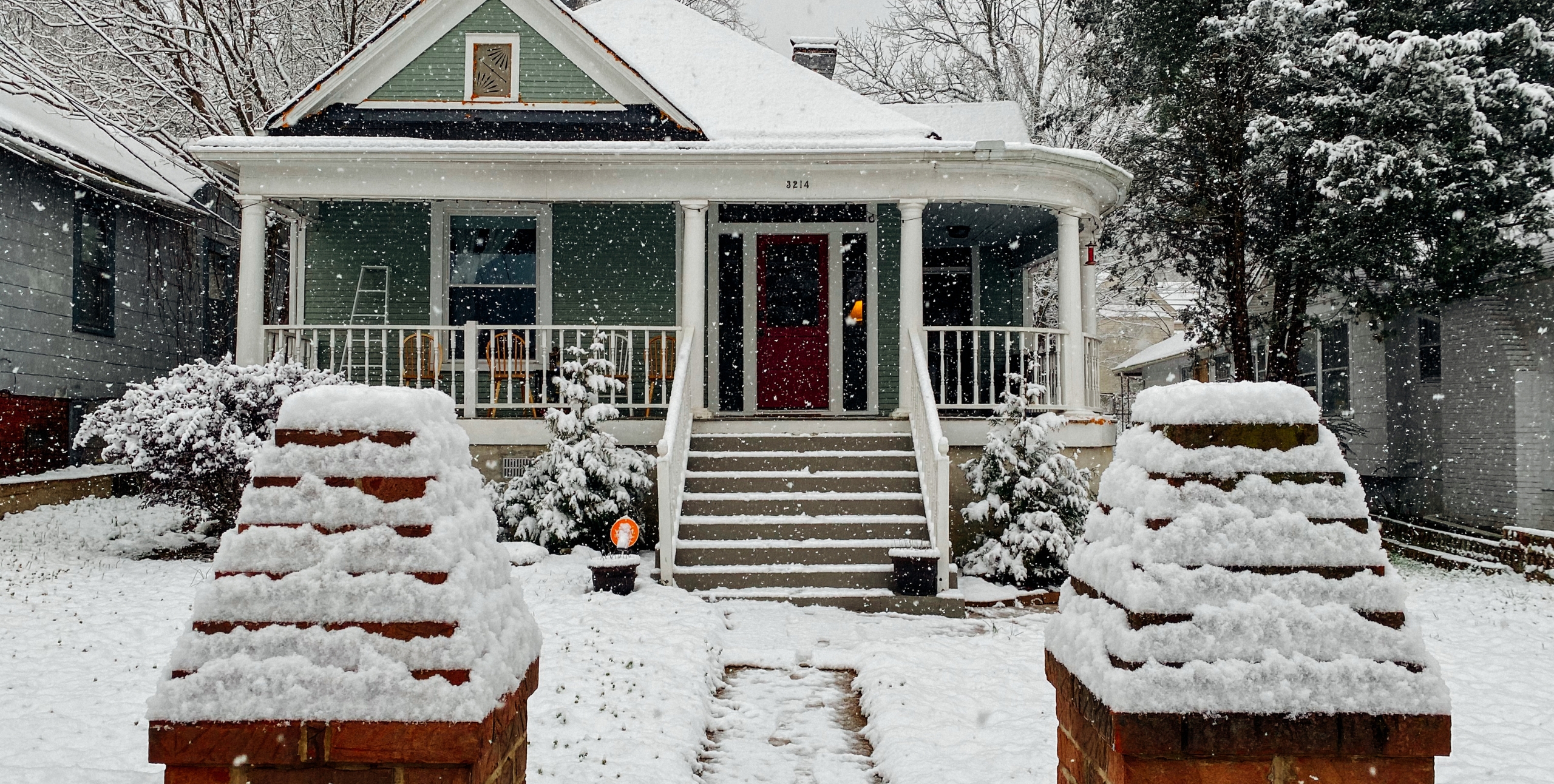

Property Winterization for Landlords: How to Keep a Frozen Pipe From Becoming a Denied Claim
Right now, frozen pipes probably aren’t on your radar. But your insurance company is already thinking about them. Cold snaps don’t follow your calendar. One hard freeze on a night…
Trending Articles


Comparing Short-Term Rental Insurance? 5 Questions That Reveal What You’re Actually Looking At
A screwdriver, a hammer, a saw, and a wrench come from the same toolbox but are for different jobs. You wouldn’t grab one at random and expect it to do…

You Don’t Need Dozens of Rentals to Reach Financial Freedom (He Tried It)
You don’t need to buy dozens of rental properties to have financial freedom. And if you ask today’s guest, less is usually more. For over a decade, John Crutchfield was…


From Accidental Landlord to 40+ Apartment Units (While Working Full-Time)
Buying rentals one house at a time works, but what happens when you do the math and realize it’ll take 20 years to change your life? That’s the exact wall…
Recent Articles

 Posted 18 minutes ago On The Market Podcast Presented by Fundrise
 If You’re Making More Money Than Ever But Still Feel Broke, Hear This
The affordability crisis isn’t improving. Gas is above $4 per gallon, inflation just hit 3.7%, and paychecks aren’t keeping pace. This is a tough spot for the American economy, but…
 Posted 2 days ago On The Market Podcast Presented by Fundrise
 The “2nd Wave” of the Commercial Real Estate Crash Is Close
Commercial real estate prices have fallen 20%-50% from their peaks just a few years ago—but the slide may not be over yet. A “second wave” of the commercial real estate…

A Housing Market “Recovery” Is Further Away Than We Thought
The housing market isn’t going back to “normal” anytime soon. In fact, it could take significantly longer than many of us thought. Rates are around 7.5%, median home prices hover…
Join the Community
Our massive community of over 2+ million members makes BiggerPockets the largest online community of real estate investors, ever. Learn about investment strategies, analyze properties, and connect with a community that will help you achieve your goals. Join FREE. What are you waiting for?

Real Estate Trends

Rental Demand Shifts to More Affordable Markets as Tenants Seek Relief
Just as prospective car buyers test-drive a new vehicle before purchasing, renters are test-driving new cities online before they commit, offering a key indicator of future rental-hub growth. Zillow’s August…


7 Real Estate Investments to Capitalize on “the Silver Tsunami” as America Ages
A popular statistic thrown around over the last decade noted that 10,000 Americans turned 65 every single day. From 2025 to 2027, however, that number is projected to peak at…

Investors Beware: HOA Foreclosures Are on the Rise and Increasingly Difficult to Stop
If you own a rental condo in a development overseen by a homeowners association (HOA), be on your guard. One missed bill could land you in a heap of trouble.…
Opinion

Most Mom-and-Pop Landlords Lose Money—Here’s Why, and What to Do Instead
According to the media and average Americans, landlords are all rich, lazy leeches growing fat off of honest workers. It’s an easy narrative to spin. Too bad the numbers prove…

If I Had to Start Over in Real Estate Today, I’d Do This
At 22, I went to work for a hard money lender doing purchase-rehab loans. I bought my first rental property at 24, which kicked off a decade of active real…

Cash Flow Isn’t Everything: What Smart Investors Look For Before They Buy
Many years ago, I bought a rental property that passed the “2% Rule,” where the rent was over 2% of the purchase price. I lost money on that property. Even…
BiggerPockets Real Estate Podcast
 Posted 1 day ago The BiggerPockets Podcast
 Was Dave Ramsey Right About Rentals? (Don’t Use Debt)
You want to buy a rental property, so you put 20% down and get a mortgage to cover the rest. This is how most investors buy real estate, but some…
 Posted 3 days ago The BiggerPockets Podcast
 3 Paid-Off Rentals: The “Boring” (But Proven) Path to Financial Freedom
Financial freedom with three rental properties? It almost sounds too easy, but it’s reality for today’s guest, who went from making roughly $11 an hour to having more than enough…

20% of Homes See Price Cuts (Sellers Face Reality) | Oct. 2026 Housing Market Update
Seller desperation just hit a recent peak, creating a major buying opportunity in the housing market. Over 20% of properties saw a price cut in the past four weeks, and…