Rental Property Investor · Charlottesville, VA · Member since 2014 · 44 posts · 12 votes
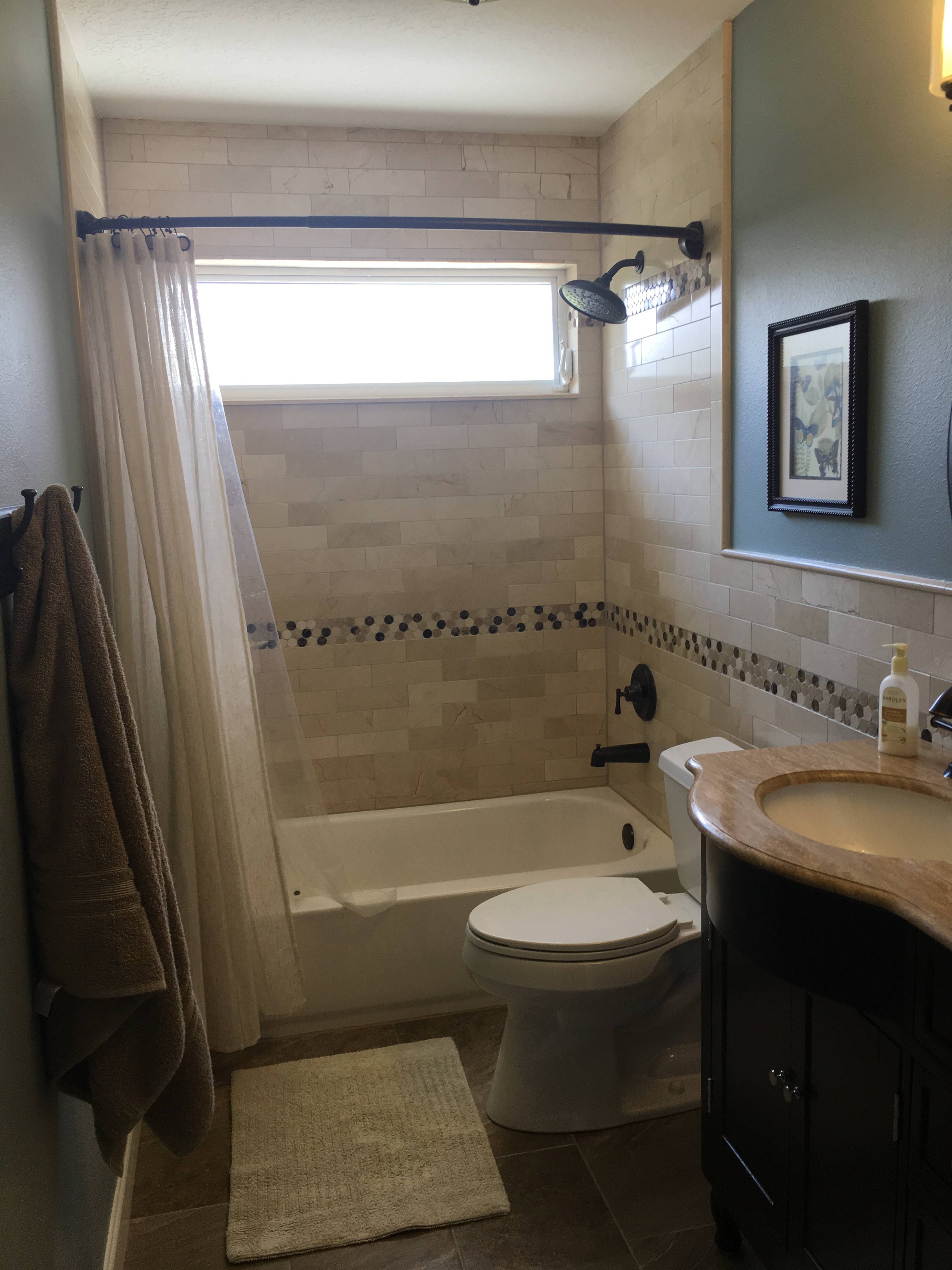
A bathtub in an upstairs bathroom has begun leaking through the downstairs ceiling. This is in a single family house I renovated in 2016 and turned into a rental. The bathtub was installed new at that time, and we had about $10,000 of custom tile work done around the tub. I've had 2 separate plumbers out to look at it, and they cut a hole in the downstairs ceiling to access the underside of the tub. According to both of them, the plumbing connections to the tub are in good shape but the tub itself is rusting internally around the drain area. From above, the tub looks fine. From underneath, you can see water stains and rust forming around the drain area. Removing and replacing the tub would be a nightmare because it would require redoing the tilework. Is there any possible way to patch or seal this tub, so that it wouldn't have to be replaced?
Real Estate Agent · Boise, ID · Member since 2017 · 566 posts · 377 votes
1y
That's a frustrating situation, especially after investing in custom tile work! Based on the plumbers' assessment that the tub itself is rusting internally around the drain, and seeing the water stains and rust from underneath in your provided image, here's the reality and some potential options:
The Unfortunate Reality:
If the tub itself is rusting internally around the drain, especially if it's a metal tub (like cast iron or steel with an enamel coating), it means the protective coating has failed, and the metal is corroding. This is a structural issue with the tub's integrity.
Patching/Sealing from Below: While you can see the rust and stains from below, effectively sealing the tub from the underside to stop a leak originating from the internal rust around the drain is highly unlikely to be a permanent or reliable solution. Any patch from below would be trying to seal against a surface that is actively corroding and constantly exposed to water from above. It would likely fail, leading to more water damage and frustration.
Patching/Sealing from Above (Drain Area):
You might consider drain repair kits or epoxy coatings, but these are generally for minor chips, cracks, or surface rust. If the rust is internal and causing a leak through the tub material itself, these surface-level patches are unlikely to hold back the water long-term, especially with the pressure and movement around a drain.
Why Replacement is Almost Always the Best Solution (Even if Painful):
1. Long-Term Reliability: A patch on internal rust is a temporary fix at best. The rust will continue to spread, and the leak will almost certainly return, potentially causing more extensive and costly damage to the subfloor, joists, and downstairs ceiling over time.
2. Tenant Satisfaction: For a rental property, you need a reliable, leak-free bathroom. Frequent leaks and repairs are a major headache for both you and your tenants.
3. Preventing Further Damage: Water leaks can lead to mold growth, rot in structural wood, and damage to electrical systems, all of which are far more expensive and dangerous to fix than replacing a tub.
4. Insurance Implications: Insurers may not cover damage from ongoing, known issues that weren't properly addressed. A failed patch could complicate future claims.
Addressing the Tile Work Challenge:
You're right, redoing custom tile work is expensive and a major deterrent. However, consider these points:
Strategic Demolition: A skilled contractor might be able to remove only the necessary rows of tile immediately surrounding the tub, minimizing the amount of tile that needs to be replaced. This would require finding matching tile, which can be a challenge for a 2016 renovation.
Tub Re-lining: This is an option where a new acrylic liner is custom-fitted over the existing tub. However, if the existing tub itself is leaking internally, a liner will not stop that leak. The water would still get between the old tub and the liner, and continue to leak through the rust hole. Tub re-lining is primarily for cosmetic improvements or surface cracks, not structural leaks.
Tub Cut-Out/Walk-In Conversion: Some companies can cut out a section of the tub side to create a walk-in shower, which might involve less tile disruption, but this is for accessibility, not necessarily leak repair.
Recommendation:
Given that two plumbers have identified the internal rust as the source, the most responsible and cost-effective long-term solution, unfortunately, is to replace the bathtub.
While it's a significant upfront cost due to the tile work, it will prevent recurring leaks, potential structural damage, mold, and tenant headaches. It's an investment in the longevity and value of your rental property.
When you get quotes for the replacement, explicitly ask contractors about strategies to minimize tile removal and whether they can source matching or complementary tile. You might also consider a tub material less prone to internal rust if it was a steel tub (e.g., fiberglass/acrylic or a new cast iron tub if budget allows).
Real Estate Agent · Boise, ID · Member since 2017 · 566 posts · 377 votes
1y
That's a frustrating situation, especially after investing in custom tile work! Based on the plumbers' assessment that the tub itself is rusting internally around the drain, and seeing the water stains and rust from underneath in your provided image, here's the reality and some potential options:
The Unfortunate Reality:
If the tub itself is rusting internally around the drain, especially if it's a metal tub (like cast iron or steel with an enamel coating), it means the protective coating has failed, and the metal is corroding. This is a structural issue with the tub's integrity.
Patching/Sealing from Below: While you can see the rust and stains from below, effectively sealing the tub from the underside to stop a leak originating from the internal rust around the drain is highly unlikely to be a permanent or reliable solution. Any patch from below would be trying to seal against a surface that is actively corroding and constantly exposed to water from above. It would likely fail, leading to more water damage and frustration.
Patching/Sealing from Above (Drain Area):
You might consider drain repair kits or epoxy coatings, but these are generally for minor chips, cracks, or surface rust. If the rust is internal and causing a leak through the tub material itself, these surface-level patches are unlikely to hold back the water long-term, especially with the pressure and movement around a drain.
Why Replacement is Almost Always the Best Solution (Even if Painful):
1. Long-Term Reliability: A patch on internal rust is a temporary fix at best. The rust will continue to spread, and the leak will almost certainly return, potentially causing more extensive and costly damage to the subfloor, joists, and downstairs ceiling over time.
2. Tenant Satisfaction: For a rental property, you need a reliable, leak-free bathroom. Frequent leaks and repairs are a major headache for both you and your tenants.
3. Preventing Further Damage: Water leaks can lead to mold growth, rot in structural wood, and damage to electrical systems, all of which are far more expensive and dangerous to fix than replacing a tub.
4. Insurance Implications: Insurers may not cover damage from ongoing, known issues that weren't properly addressed. A failed patch could complicate future claims.
Addressing the Tile Work Challenge:
You're right, redoing custom tile work is expensive and a major deterrent. However, consider these points:
Strategic Demolition: A skilled contractor might be able to remove only the necessary rows of tile immediately surrounding the tub, minimizing the amount of tile that needs to be replaced. This would require finding matching tile, which can be a challenge for a 2016 renovation.
Tub Re-lining: This is an option where a new acrylic liner is custom-fitted over the existing tub. However, if the existing tub itself is leaking internally, a liner will not stop that leak. The water would still get between the old tub and the liner, and continue to leak through the rust hole. Tub re-lining is primarily for cosmetic improvements or surface cracks, not structural leaks.
Tub Cut-Out/Walk-In Conversion: Some companies can cut out a section of the tub side to create a walk-in shower, which might involve less tile disruption, but this is for accessibility, not necessarily leak repair.
Recommendation:
Given that two plumbers have identified the internal rust as the source, the most responsible and cost-effective long-term solution, unfortunately, is to replace the bathtub.
While it's a significant upfront cost due to the tile work, it will prevent recurring leaks, potential structural damage, mold, and tenant headaches. It's an investment in the longevity and value of your rental property.
When you get quotes for the replacement, explicitly ask contractors about strategies to minimize tile removal and whether they can source matching or complementary tile. You might also consider a tub material less prone to internal rust if it was a steel tub (e.g., fiberglass/acrylic or a new cast iron tub if budget allows).
Investor · Jackson, MS · Member since 2021 · 660 posts · 561 votes
1y
As Ryan said, band-aid fixes are just that, temporary in nature and likely to get worse requiring more work in the future. The unfirtunate aspect is that the tile work will need to be removed - at least up enough to get the lip of the old tub free and removed.
You might see if you can find a tradesperson that can remove just enough tile to get the tub out and then replace it with either the tile you used (not likely to match) or another color / style to give an accent along the bottom.
When we use tile in a property that will be a rental (not or first choice), we stick with plain tiles and usually pick up some extras that can be stashed in the property in the event we need replacements - we have had a tenant find a way to crack a tile in the shower wall so having that option to remove the damaged tile and replace it is a plus.
Good luck but you really need to look for the replacement options and not kick the leak down the road and find a bigger issue at that time.
Best is to replace the tub. See if you can find a tile that matches so you can perhaps only replace the bottom row of tiles. Tiles look great, but are not great in bathrooms.
Investor · Clairemont, CA · Member since 2011 · 3k+ posts · 2k+ votes
1y
I'm not sure I agree...it's hard to say with a single picture, but the entire premise doesn't add up...
The tub is cast/steel which is then enameled or epoxied etc, and since you say there's no visible indication on the surface of the tub then it is highly unlikely that the coating itself has failed. So if the coating is good, and the pipe is good then the cast/steel will never be in contact with water. It's a continuous barrier of epoxy/enamel to the drain, which is connected to the tub shoe with a gasket between that stops water from ever getting under the epoxy/enamel.
So my two thoughts are first that the drain gasket is offset, worn, or otherwise damaged...but looking in the photo I don't think this is the culprit...but I'd check anyway...it looks like it's just plumber's putty so it should be easy enough to pull it and reset it just in case.
Second, looking in the photo there are two a leak 'lines' on the right side of the drain and just under the overflow drain line itself where it drips down from just out of the photo and then drips at the tub shoe. That to me says the 'leak' is from above most likely from the gasket underneath the tub overflow cover. So before I rip anything out I would 100% replace that gasket or at minimum check it and reseat it. Other options would be a poor seal under the escutcheon for the handle set or shower head...those are less likely but also possible.
At the end of the day it may still need a demo if there is an improper install causing the leak from above, but I'd absolutely check all those other items and see if I could correct the issue first.
Rental Property Investor · Charlottesville, VA · Member since 2014 · 44 posts · 12 votes
1y
Thank you everyone, I really appreciate the thoughtful comments. I'm going to look into replacing the drain overflow and drain gaskets and putty, and then if that doesn't do the trick, bite the bullet and replace the whole tub.
If it is the tub leaking and not the plumbing, you might want to talk to a tub refinisher for an opinion. They might have a good way to patch it either from the top or bottom. If you go the repair option, I would put an access panel so if it leaks again hopefully you won't need to do more drywall work. I know access panels are ugly.
Rock Star Extraordinaire · Northeast, TN · Member since 2015 · 10k+ posts · 16k+ votes
1y
I think you're going to have to replace the tub based on the picture. However, anyone with even decent skills should be able to save your tile job no problem. They should use a grinding wheel/angle grinder and cut straight through the grout line just above your cut tiles that abut the tub, all the way through the cement/backer board. Then those tiles can be removed (and should be numbered or otherwise marked for reinstallation) and that will free the tub lip from the rest of the tile & backer board. I assume the tub is porcelain/enamel on steel, in which case you can use the angle grinder to cut it in half straight down the middle and pull it out. If perchance it's cast iron, even better - just get a big sledge (make sure it's cut free from the floor tiles) and break it into pieces. Then all you really need is the name/color of the grout you used, and the same size tub, and reinstall.
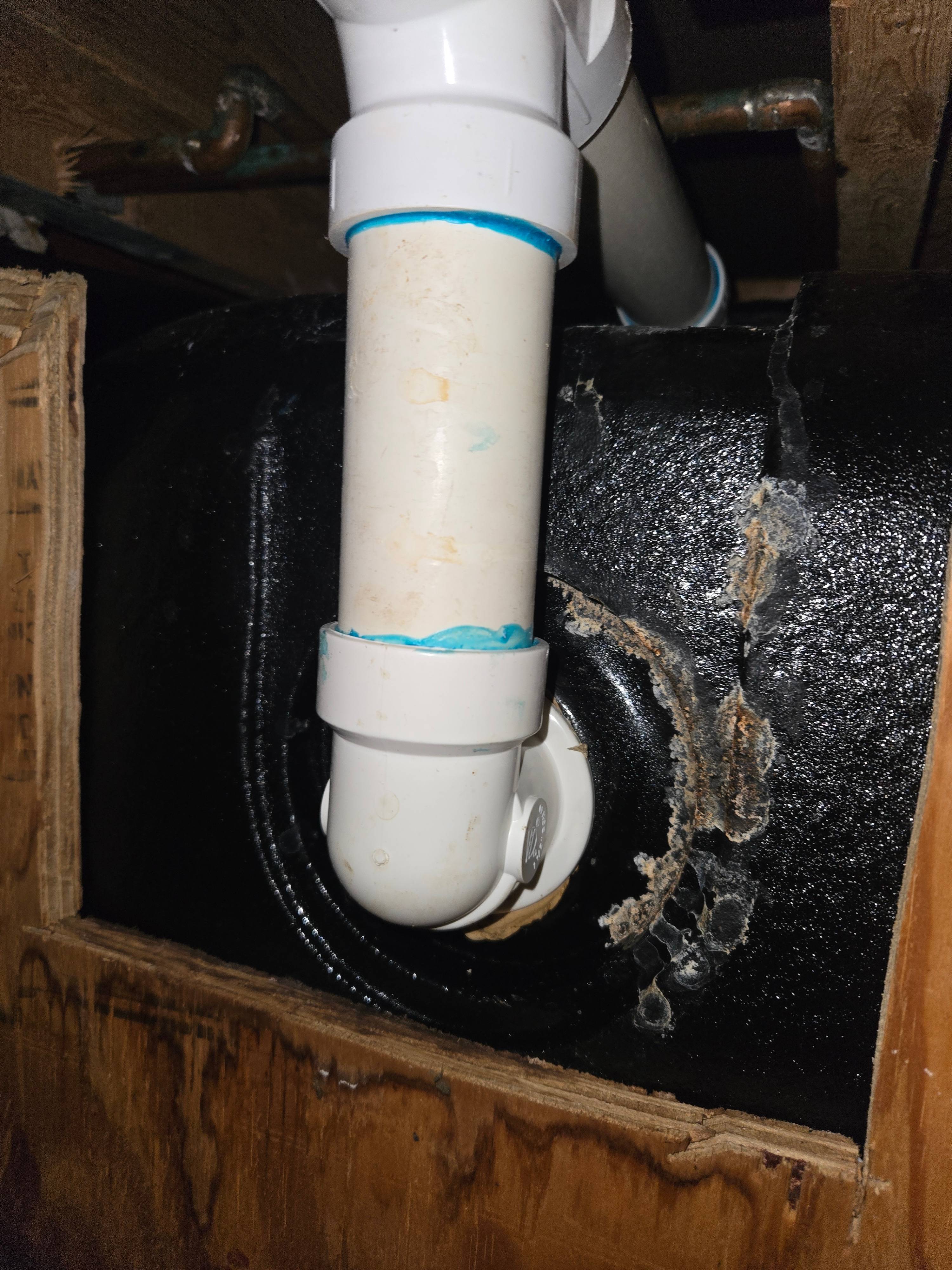 Underside of bathtub