Investor · Narragansett, RI · Member since 2013 · 8k+ posts · 4k+ votes
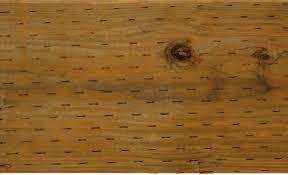
Ok so in RI we use pressure treated wood a lot outdoors for decking and such, but here in AZ desert area you seem to use dimensional lumber for everything. I know you don't need pressure treated in the dry areas. However, the wood for decking and stairs etc has these little dash marks in it. They obviously put them there for something but I have been looking and can't find an explanation for what this is called and why they do it. I think it may have something to do with drying but just throwing it out there for the construction experts. Anybody have an explanation?
When you buy pressure-treated dimensional lumber in Arizona, although it might come out of the same mill (it doesn't, usually), it is typically not the same wood species and it is typically not kiln-dried to the same moisture level as it is in Little Rhody.
The wood species that deal best with the higher levels of dryness are more resistant to the pressure-treatment process compared with others. The most common way to get the solution in on those species is to punch, or incise, those little slits in the lumber.
The stuff they use to pressure treat the wood was historically also different in the incised timber. Not too long ago, the two main solutions were CCA (chromated copper arsenate) and ACZA (ammoniacal copper zinc arsenate). The CCA produced the familiar green tint we know all about in the Northeast. It didn't penetrate some species well, so the ACZA solution was used instead on that wood. ACZA tends to turn the wood more yellowish with blue spots and only a hint of copper green. So a lot of the ACZA (western) wood was further dyed brown, liked Erik B.'s picture. This situation lasted for many years. The CCA typically worked better than the ACZA, the ACZA was widely considered safer than the CCA.
Fast forward to 2004, when the EPA banned CCA. There are other chemicals that are used, but it's mostly ACZA now. But since it doesn't produce the same pronounced green tint, there are a number of mills that are now adding a green dye to AZCA-treated PT wood sold in the northeast.
Just like Florida oranges ripen green and are soaked in Citrus Red No. 2 to be able to better compete with California oranges in the marketplace.
@Erik B. @Jay Hinrichs, yes those, in the east the pressure treated I have used is always green and doesn't have those marks.
Its just another form of treated lumber. The dashes are how they inject the chemicals into the lumber. It offers a better appearance then green lumber. I'm in the northeast also and have never seen it around here so dont have too much info on it.
When you buy pressure-treated dimensional lumber in Arizona, although it might come out of the same mill (it doesn't, usually), it is typically not the same wood species and it is typically not kiln-dried to the same moisture level as it is in Little Rhody.
The wood species that deal best with the higher levels of dryness are more resistant to the pressure-treatment process compared with others. The most common way to get the solution in on those species is to punch, or incise, those little slits in the lumber.
The stuff they use to pressure treat the wood was historically also different in the incised timber. Not too long ago, the two main solutions were CCA (chromated copper arsenate) and ACZA (ammoniacal copper zinc arsenate). The CCA produced the familiar green tint we know all about in the Northeast. It didn't penetrate some species well, so the ACZA solution was used instead on that wood. ACZA tends to turn the wood more yellowish with blue spots and only a hint of copper green. So a lot of the ACZA (western) wood was further dyed brown, liked Erik B.'s picture. This situation lasted for many years. The CCA typically worked better than the ACZA, the ACZA was widely considered safer than the CCA.
Fast forward to 2004, when the EPA banned CCA. There are other chemicals that are used, but it's mostly ACZA now. But since it doesn't produce the same pronounced green tint, there are a number of mills that are now adding a green dye to AZCA-treated PT wood sold in the northeast.
Just like Florida oranges ripen green and are soaked in Citrus Red No. 2 to be able to better compete with California oranges in the marketplace.
@Erik B.@Jim K. thanks for the explanation! I just couldn't find an explanation and it was one of those differences that bugged me and I had to understand. The green dye seems a little unnecessary but I guess it sells.
The lumber with the "dashes" in it is really only sold at home depot and tends to be pretty low in quality. As a builder when we order a lumber package from a lumber yard all "treated" lumber comes green. A treated product is required to be used in all applications where wood touches the concrete. When building a deck or exterior stairs i would lean towards redwood or a synthetic product such as Trex depending on the application.