Wholesaling in a small market

Wholesaling in a small market

Real Estate Agent · CA · Member since 2026 · 33 posts · 8 votes

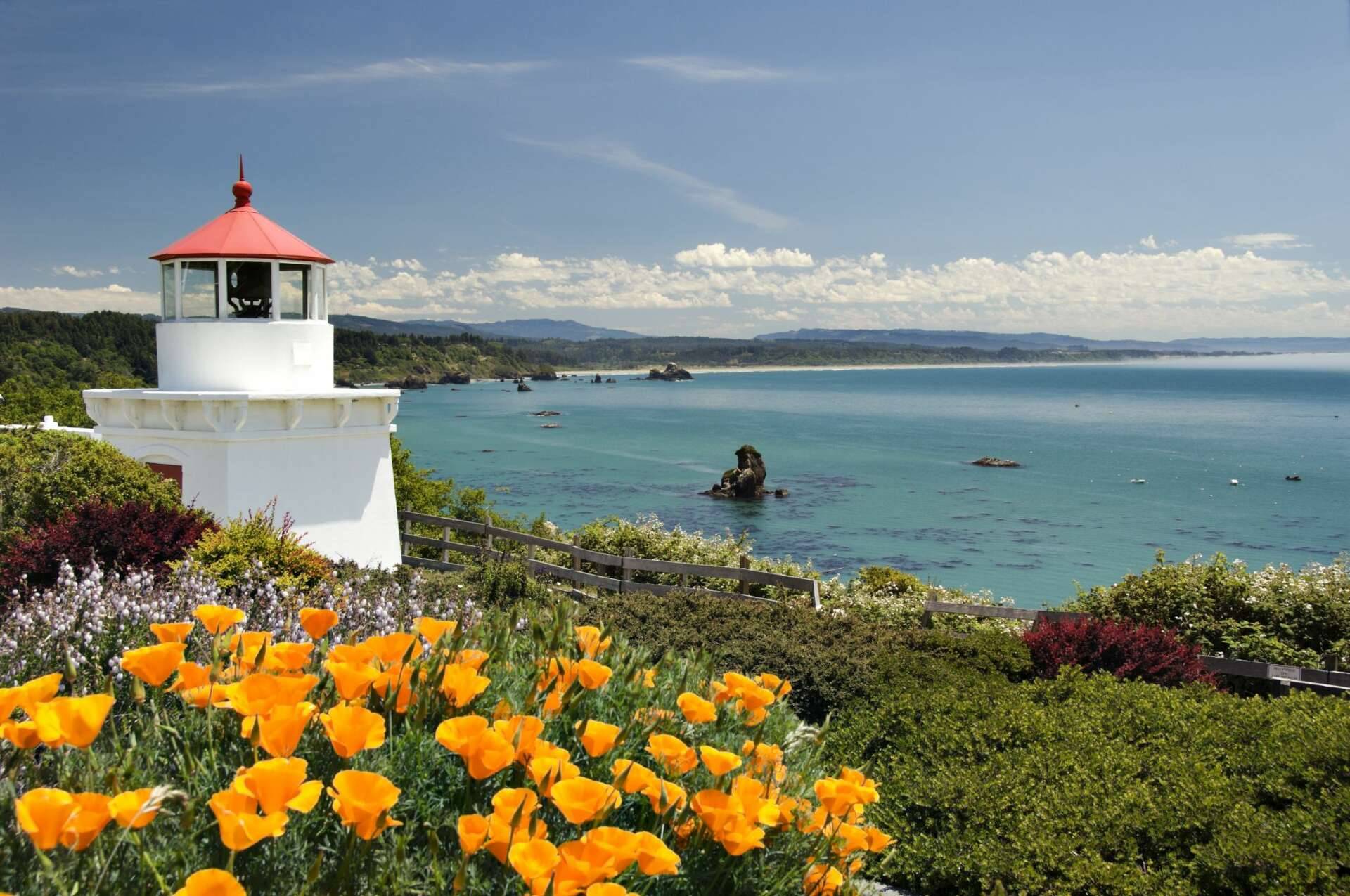
I'm currently based in a small town of ~15,000 people in Humboldt County, Northern California (think ginormous redwood trees and beautiful pacific coast - that pic is Trinidad). The total number of people in my county is approximately 100,000. 

What tips do you have for people starting out in wholesaling like me? 

Should I prioritize reaching out to out-of-county investors? or stick to local ones, though much fewer compared to the larger cities. 

Any advice would be great.

0Reply
385 views

4 Replies

Jump to latestLatest
  • Wholesaler · Charleston WV · Member since 2026 · 246 posts · 137 votes
    1mo

    Honestly, I wouldn’t choose one or the other. I would start by building relationships with the local investors who are already buying there, but I would also reach out to investors in surrounding counties and larger cities who are willing to buy in your area.

    In a smaller market, you don’t need a list of thousands of buyers. You need five or ten real buyers who will answer the phone, look at your deals, and tell you the truth about what they would pay.

    I would start talking to local landlords, flippers, agents, contractors, property managers, and anyone who has recently purchased a property with cash. Find out exactly what they buy, where they buy, and what kind of numbers they need.

    Your biggest advantage is going to be knowing your area better than somebody sitting in a larger city looking at numbers online. In a rural market, one road can make a huge difference. You have to understand access, septic systems, wells, utilities, zoning, fire risk, insurance, and how far the property is from everything.

    I would also be careful about putting properties under an agreement before you understand what your buyers will actually pay. Something can look like a great deal on paper and still be difficult to move.

    Start small. Pick one or two areas. Learn the sales. Build relationships with real buyers. Then focus on the basics.

    Find an opportunity. Start a conversation. Make an offer. Follow up.

    Small markets can be great because there is usually less competition. You just have to know the market and build real relationships. That is where your advantage will come from.
    • Real Estate Agent · CA · Member since 2026 · 33 posts · 8 votes
      1mo
      Quote from @Travis Goodwin:

      Honestly, I wouldn’t choose one or the other. I would start by building relationships with the local investors who are already buying there, but I would also reach out to investors in surrounding counties and larger cities who are willing to buy in your area.

      In a smaller market, you don’t need a list of thousands of buyers. You need five or ten real buyers who will answer the phone, look at your deals, and tell you the truth about what they would pay.

      I would start talking to local landlords, flippers, agents, contractors, property managers, and anyone who has recently purchased a property with cash. Find out exactly what they buy, where they buy, and what kind of numbers they need.

      Your biggest advantage is going to be knowing your area better than somebody sitting in a larger city looking at numbers online. In a rural market, one road can make a huge difference. You have to understand access, septic systems, wells, utilities, zoning, fire risk, insurance, and how far the property is from everything.

      I would also be careful about putting properties under an agreement before you understand what your buyers will actually pay. Something can look like a great deal on paper and still be difficult to move.

      Start small. Pick one or two areas. Learn the sales. Build relationships with real buyers. Then focus on the basics.

      Find an opportunity. Start a conversation. Make an offer. Follow up.

      Small markets can be great because there is usually less competition. You just have to know the market and build real relationships. That is where your advantage will come from.


       Thanks Travis for the advice. Appreciate it. Starting where local buyers are and being an expert locally is what I'm leaning towards since I'm closer to where the action happens. 

  • Coral Springs, FL · Member since 2018 · 495 posts · 113 votes
    1mo

    Travis nailed the local knowledge advantage — in Humboldt County, knowing which roads are paved, which parcels have well/septic access, and which areas have fire risk issues is worth more than any software subscription. That's exactly why starting local makes sense.

    Here's a specific lead source that plays perfectly into your local advantage: Humboldt County tax deed sales.

    California is a tax deed state. When property owners fall 5+ years behind on taxes, the county can sell the actual deed at public auction. Humboldt County Tax Collector publishes the list of properties — and in a small market like yours, this list is almost certainly being ignored by most investors.

    Why this is perfect for a small-market wholesaler:

    • Zero competition on the list. In Sacramento or LA, hundreds of investors might pull the same tax deed list. In Humboldt County? You might be one of three people who even knows it exists.
    • Your local knowledge IS the moat. Travis mentioned understanding access, septic, wells, fire risk, insurance — you can physically drive these properties. An investor in San Francisco looking at numbers online can't do that.
    • Free leads. The county already did the work: identified owners who haven't paid taxes in 5+ years, sent legal notices, set the auction date. The list is public record.
    • Motivated sellers are pre-identified. These owners have been falling behind for half a decade. That's not a cold call guess — that's documented financial distress.

    Check the Humboldt County Tax Collector's website for tax-defaulted property lists and auction information. You can also visit the Humboldt County Recorder's office to research specific parcels.

    The model: research the tax deed list → drive the properties (your local advantage) → identify the ones with the biggest spreads → find cash buyers (Travis's 5-10 real buyers) → assign your bidder position or bid yourself.

    In a market of 100K people, being the person who knows the tax deed inventory better than anyone else is a serious competitive advantage.

  • Real Estate Agent · CA · Member since 2026 · 33 posts · 8 votes
    1mo

    Thanks Igor, this is an insightful approach. I'm taking a deeper dive into this. Appreciate it!

Join the conversationCreate a free account to reply, vote on answers and follow this thread.