Getting started with finding seller financing?

Getting started with finding seller financing?

Member since 2025 · 7 posts · 12 votes

I just intro-ed myself yesterday and the DMs went crazy thank you y'all!  Here is the context: I'm an investor out in California and have $30k to get started. The goal is to build a rental portfolio overtime. Folks have suggested finding seller financing so to that end, I will have to go out there and hunt for deals. The $30k should basically be going towards the property, so I don't have a lot left for whatever tooling. Here is what I have seen so far wondering what everyone else's experience has been with them.

1. PropStream + Excel Sheet:  $199/mo basically seems like the smallest plan to include phone numbers. I can dial from my personal cell, seems like a good starting point, but I am concerned I might not be able to keep track of all the dials I am making?
2. XLeads + Go High Level: $97 + $97 = $194/mo. I'm pretty sure XLeads also have skip tracing, but I heard the quality is not as good? And Go High level seems like a CRM most folks use.
3. Goliath Data: $99 or $299/mo - It could be the cheapest or the most expensive option. Seems like it has owner data and CRM built in for both plans. It definitely looks the best, but I am not sure if the $299 to have an AI pick up missed calls or have an AI receptionist is worth it or not.

I want to find my first creative financing deal Ideally in Fresno CA before March of next year. I want to save as much money as possible while making sure I have the tooling necessary to reach that goal. What would you guys do?
2Reply
479 views

Most Popular Reply

Realtor · Boulder, CO · Member since 2016 · 3k+ posts · 5k+ votes
10mo
Quote from @Ken M.:
Quote from @Steve K.:
Quote from @Account Closed:
Quote from @Alex Tsor:

I just intro-ed myself yesterday and the DMs went crazy thank you y'all!  Here is the context: I'm an investor out in California and have $30k to get started. The goal is to build a rental portfolio overtime. Folks have suggested finding seller financing so to that end, I will have to go out there and hunt for deals. The $30k should basically be going towards the property, so I don't have a lot left for whatever tooling. Here is what I have seen so far wondering what everyone else's experience has been with them.

1. PropStream + Excel Sheet:  $199/mo basically seems like the smallest plan to include phone numbers. I can dial from my personal cell, seems like a good starting point, but I am concerned I might not be able to keep track of all the dials I am making?
2. XLeads + Go High Level: $97 + $97 = $194/mo. I'm pretty sure XLeads also have skip tracing, but I heard the quality is not as good? And Go High level seems like a CRM most folks use.
3. Goliath Data: $99 or $299/mo - It could be the cheapest or the most expensive option. Seems like it has owner data and CRM built in for both plans. It definitely looks the best, but I am not sure if the $299 to have an AI pick up missed calls or have an AI receptionist is worth it or not.

I want to find my first creative financing deal Ideally in Fresno CA before March of next year. I want to save as much money as possible while making sure I have the tooling necessary to reach that goal. What would you guys do?
Well, you can proceed as you've stated or you can use tis guy's list

Learn 10 Low Cost Ways To Buy A House.

https://www.biggerpockets.com/forums/517/topics/1267338-how-...


 Haha this is too funny Ken. Roger references your list. You guys don't know each other?

See, @Steve K.: That's why it's so fun to respond you your clueless posts. You don't read what people have written and you misquote them.  That is not the fault of the poster.

Of course we know each other, he's a student. 
Did you not read:?


"So, Good Job @Roger Hobbes: You did that well. Now, we will train on sourcing off market opportunities that show why being a little different, is being a lot richer. Meet me at the Rally Site and we'll set up there."


I can help people who need help, (not that you asked for help) but I can't help people who won't read the material, online or offline. Oh well, that part has always been and will always be true I suppose. People will be people. 

This is supposed to be a “gotcha”? I’m not the only one who called you out for being both Roger and Ken pal, and given that there were questions about you being both Mike and Ken for awhile previously, I’m not sure why you expect anyone to just take you for your word that Roger is your “student” and not your second shill account. Sorry, not buying it at all but carry on, I don’t really care it’s just kinda funny that you actually linked to your own article and didn’t think anyone would notice. 
See this reply in the discussion

41 Replies

Jump to latestLatest
  • Nicholas L.Pro Member
    Flipper/Rehabber · Pittsburgh · Member since 2018 · 6k+ posts · 5k+ votes
    10mo

    @Alex Tsor

    hi Alex.  I read your other thread as well.  it sounds like you already have a primary, and so aren't necessarily looking to house hack again, is that accurate?

    i have bought a couple deals on seller finance, and they were very, very difficult to find.  and... not to be discouraging, but i just don't think 30K is enough to buy something in Fresno.  say you find one, and the seller wants a small down payment.  in that case your 30K is going to be entirely consumed by down payment, closing costs and rent ready costs.  

    most properties that are sold off market just aren't pristine and move-in ready - even if they aren't distressed, they need to be spruced up.  and so then you're at zero, and you're probably breaking even or even slightly negative on rent.

    contrary to the hype i am in the camp that thinks you need to be very well capitalized and prepared to spend money for a few years to start a portfolio.  there's no 'cash flow' in the short term on a plain LTR - none.  they take money to get up and running.  like a rocket ship.  takes fuel.  then gets going after a while and really takes off.

    that's my reaction. if you have other questions i am happy to help. i've done a bit of everything - flipping, seller finance, BRRRR.

  • Bradley BuxtonBusiness Member
    Real Estate Agent · NV · Member since 2023 · 1k+ posts · 710 votes
    10mo

    @Alex Tsor

    You can do a keyword search on Zillow and find seller finance deals. There are also VA assumable loans. You will have to make up the difference between the loan and the purchase price. There are a few lenders that will take a second position to make the difference up.

    • Member since 2025 · 7 posts · 12 votes
      10mo
      Quote from @Bradley Buxton:

      @Alex Tsor

      You can do a keyword search on Zillow and find seller finance deals. There are also VA assumable loans. You will have to make up the difference between the loan and the purchase price. There are a few lenders that will take a second position to make the difference up.


      How does one find VA assumable loans? I feel like those could be really interesting!
    • Bradley BuxtonBusiness Member
      Real Estate Agent · NV · Member since 2023 · 1k+ posts · 710 votes
      10mo

      @Alex Tsor

      One way is to use the keyword search in Zillow and type in VA or assumable. The other is if you have access to the MLS, you can see what type of loan was used to purchase the property. You'd have to approach the sellers if they want to let someone assume the loan. For VA loans, the Veteran would lose their eligibility to get another VA loan if a non-Veteran assumed the loan until the loan was paid off.

    • Member since 2025 · 7 posts · 12 votes
      10mo
      Quote from @Bradley Buxton:

      @Alex Tsor

      One way is to use the keyword search in Zillow and type in VA or assumable. The other is if you have access to the MLS, you can see what type of loan was used to purchase the property. You'd have to approach the sellers if they want to let someone assume the loan. For VA loans, the Veteran would lose their eligibility to get another VA loan if a non-Veteran assumed the loan until the loan was paid off.

      Thanks @Bradley Buxton! I will take a look

  • Real Estate Agent · Fresno, CA · Member since 2014 · 367 posts · 174 votes
    10mo

    whats up Alex. I like what Nicholas said about wanting to be well capitalized starting out. You can look for a creative financing deal but $30k may not be enough to do seller financing. It would probably be enough to do a lease option where you can agree on a price and a future purchase date, 1-5 years out. Then lease the property with a NNN type lease from the seller at a below market rate so that you can rent it to someone else (or be the tenant yourself and rent out your current primary). Then when you go to purchase the property in a few years the price will likely be way under market value, because you agreed to it early on.

    And, if you are able to do it with a property that needs some love and repairs its a great opportunity for you get a low price on the purchase along with a low price for monthly rent due to condition.  Then when the purchase date comes you will be buying WAY under value due to the work you already put into the property.  That 30k will go a decent way in getting that property fixed up. 

    and if you want to go the traditional route, $21k is enough for a down payment and closing costs for a conventional or FHA loan at either 3.5% down or 3% down if the purchase price is about $300,000. There would be easily $50-75k in potential equity after some work on a deal like that.

    hopefully that all makes sense, good luck! 

  • Member since 2025 · 7 posts · 12 votes
    10mo

    Thank you all for the response.

    I heard most of the training are scams. I'm sure it is not completely true, but feels like $15k to learn how to ask people to buy their homes seems pretty crazy. 

    @Jeff Zimmerman I've also heard about lease options! I don't know much about it but if I got it correctly it is leasing the property from the owners and having the option to buy? Assuming you just try to find someone to lease it from you / have them buy the option from you instead?

    • Real Estate Agent · Fresno, CA · Member since 2014 · 367 posts · 174 votes
      10mo
      Quote from @Alex Tsor:

      Thank you all for the response.

      I heard most of the training are scams. I'm sure it is not completely true, but feels like $15k to learn how to ask people to buy their homes seems pretty crazy. 

      @Jeff Zimmerman I've also heard about lease options! I don't know much about it but if I got it correctly it is leasing the property from the owners and having the option to buy? Assuming you just try to find someone to lease it from you / have them buy the option from you instead?


       Hey Alex, yes that's basically right.  You'd have 2 separate deals happening at once.  The first is just a lease.  You can rent and occupy the property yourself or you can sub-let the property to another tenant, but that has to be with the owners permission and needs to be written into your lease ahead of time.   
      The second is an option.  With this deal you have until a specific date to initiate a purchase of the property with a pre-determined price.  You can let the property go or you can go ahead and purchase it by that date.  The advantage is that if you negotiate a purchase price that makes sense today but then purchase the property in a year or more, that property may have risen in value by then and you get a pretty sweet deal. 

      you can potentially sell the option to someone else but I'd think that's a last resort, it'd be better to purchase it yourself. 

    • Real Estate Agent · Charleston, SC · Member since 2013 · 424 posts · 99 votes
      8mo
      Quote from @Jeff Zimmerman:
      Quote from @Alex Tsor:

      Thank you all for the response.

      I heard most of the training are scams. I'm sure it is not completely true, but feels like $15k to learn how to ask people to buy their homes seems pretty crazy. 

      @Jeff Zimmerman I've also heard about lease options! I don't know much about it but if I got it correctly it is leasing the property from the owners and having the option to buy? Assuming you just try to find someone to lease it from you / have them buy the option from you instead?


       Hey Alex, yes that's basically right.  You'd have 2 separate deals happening at once.  The first is just a lease.  You can rent and occupy the property yourself or you can sub-let the property to another tenant, but that has to be with the owners permission and needs to be written into your lease ahead of time.   
      The second is an option.  With this deal you have until a specific date to initiate a purchase of the property with a pre-determined price.  You can let the property go or you can go ahead and purchase it by that date.  The advantage is that if you negotiate a purchase price that makes sense today but then purchase the property in a year or more, that property may have risen in value by then and you get a pretty sweet deal. 

      you can potentially sell the option to someone else but I'd think that's a last resort, it'd be better to purchase it yourself. 


       This sounds like a better structured subject to - am I missing something? Only I don't have risk here as the seller, heirs, estate if seller dies are still subject to that lease. So, if they lease it to me at the current mortgage rate with option to buy within ten years at the time of mortgage balance when I elect the option... I've done the same thing. 

      Difficulty here would be if I leased for $160k and found a buyer for $200k, I can't buy it and sell it. 

  • Member since 2025 · 7 posts · 12 votes
    10mo

    @Max Yuan I chatted with a decent amount of experienced investors and ended up choosing Goliath already. Seemed the best place to start with the all in one software. Down to chat if you want to help me out and give me a discount through.

  • Realtor · Boulder, CO · Member since 2016 · 3k+ posts · 5k+ votes
    10mo

    1. DO NOT get suckered into paying $15k for “training”. Seller finance deals are not that complicated. I did my first one with the help of my buyers agent, the title company who supplied the promissory note for free, and a few hundred bucks for my lawyer to review the docs prior to closing. It’s not that complicated. 

    2. Although not that complicated, seller finance deals can be a needle in a haystack to find and you will usually need a big down payment in order to make it appealing to a seller, and if you are under-capitalized you ca. get into trouble, so it may not be the best strategy given your cash position.  

    3. Be careful not to get over-extended as it’s unwise to buy property without sufficient capital reserves to CYA if something expensive comes up. 

    4. The best strategy for you with this in mind might be converting your current primary to a rental and buying another property to house-hack. That way you can do an owner-occupied loan with as little as 3 or 3.5% down and a better interest rate than you will get from either conventional or seller finance (most likely, most sellers want a higher rate than a bank would for obvious reasons), you’ll offset your living expenses by having a housemate or two, you can live in the property while making value-add improvements to force appreciation etc. It will certainly be easier than finding a good seller finance deal as they are rare. Buy the worst property in the best location you can afford and fix it up to the quality of the surrounding properties, best way to gain equity fast. If you’re able to gain enough equity, consider a cash-out refi especially if rates have come down. Make your improvements with “tenant-proofing” in mind so that it will make a good low maintenance rental when you move out.  Rinse and repeat every year and within a few years you’ll have a nice portfolio of quality properties in good locations. I have dabbled in other strategies including seller finance deals but doing the above has had the best results for me by far. My former primaries are my most lucrative rentals over time because they are in the best locations. 

    • Realtor · Boulder, CO · Member since 2016 · 3k+ posts · 5k+ votes
      10mo
      Quote from @Account Closed:
      Quote from @Steve K.:

      1. DO NOT get suckered into paying $15k for “training”. Seller finance deals are not that complicated. I did my first one with the help of my buyers agent, the title company who supplied the promissory note for free, and a few hundred bucks for my lawyer to review the docs prior to closing. It’s not that complicated. 

      2. Although not that complicated, seller finance deals can be a needle in a haystack to find and you will usually need a big down payment in order to make it appealing to a seller, and if you are under-capitalized you ca. get into trouble, so it may not be the best strategy given your cash position.  

      3. Be careful not to get over-extended as it’s unwise to buy property without sufficient capital reserves to CYA if something expensive comes up. 

      4. The best strategy for you with this in mind might be converting your current primary to a rental and buying another property to house-hack. That way you can do an owner-occupied loan with as little as 3 or 3.5% down and a better interest rate than you will get from either conventional or seller finance (most likely, most sellers want a higher rate than a bank would for obvious reasons), you’ll offset your living expenses by having a housemate or two, you can live in the property while making value-add improvements to force appreciation etc. It will certainly be easier than finding a good seller finance deal as they are rare. Buy the worst property in the best location you can afford and fix it up to the quality of the surrounding properties, best way to gain equity fast. If you’re able to gain enough equity, consider a cash-out refi especially if rates have come down. Make your improvements with “tenant-proofing” in mind so that it will make a good low maintenance rental when you move out.  Rinse and repeat every year and within a few years you’ll have a nice portfolio of quality properties in good locations. I have dabbled in other strategies including seller finance deals but doing the above has had the best results for me by far. My former primaries are my most lucrative rentals over time because they are in the best locations. 

      Your Comment: "Seller finance deals are not that complicated." 

      Can you say "Lawsuit" anybody?

      Okay, so you did one successfully. Congratulations.
      That means of course that everybody can do everyone successfully, right?


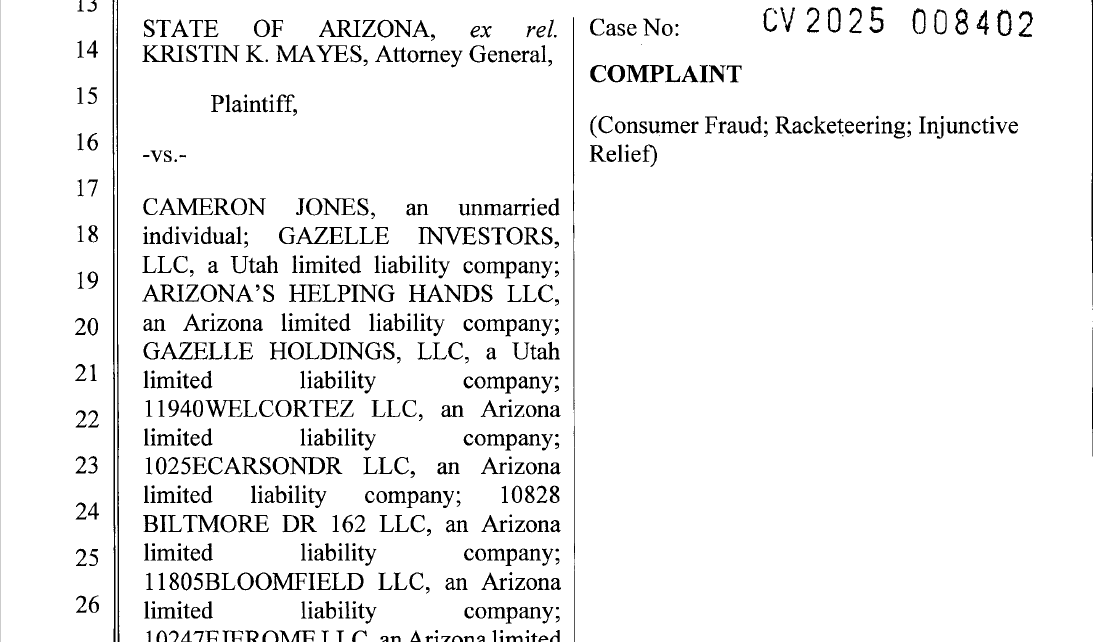
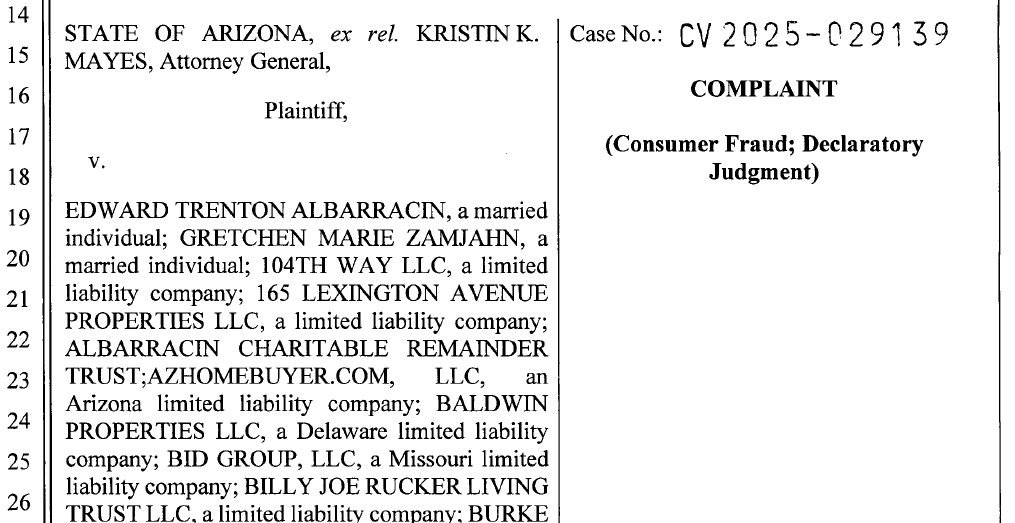
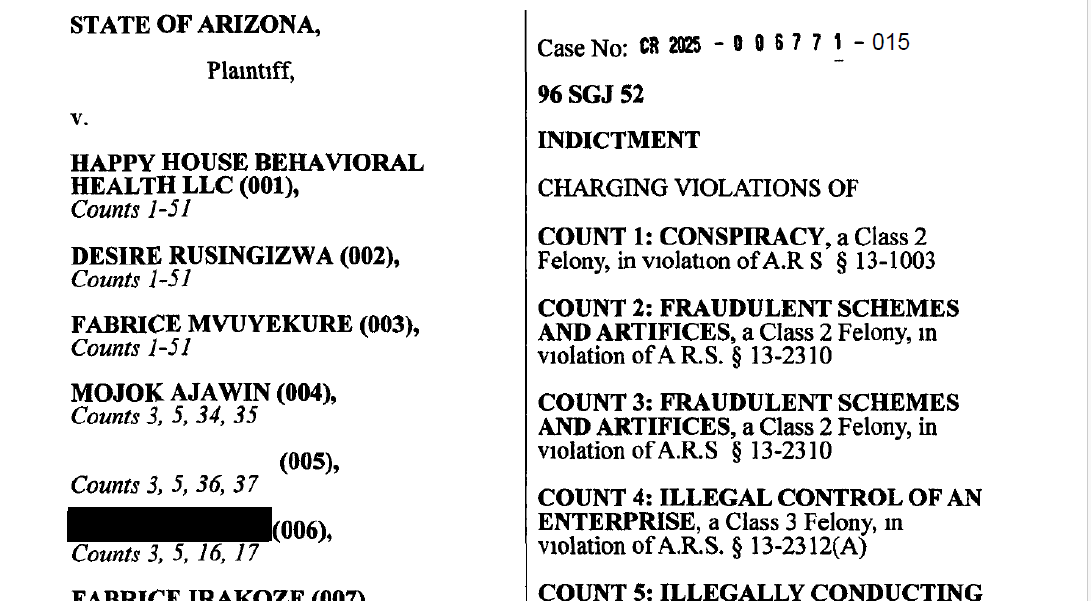
      Well, tell that to these folks


      Click on image to enlarge


      and to these folks

      and let's not forget these folks


      Then there is Due on Sale, Insurance issues and heirs to worry about. Usually, after seven years, you won't be sued.


      You're talking about "Subject To" here, not seller financing. Sub2 is a way a buyer can take over a property with an existing mortgage, which is different from seller financing where the seller acts as the lender. Due on Sale, Insurance issues, heirs to worry about would be risks specific to Sub2, not seller financing. OP is asking about seller financing here, not sub2, and my reply was about seller financing, not Sub2. Sub2 is more complicated and much higher risk than seller financing, but still doesn't require $15k in "training" when the info on it is available for free and like the OP said, most of the trainings are scams. And nobody offering $15k in training can guarantee that their students won't be sued, so there's that.

    • Realtor · Boulder, CO · Member since 2016 · 3k+ posts · 5k+ votes
      10mo
      Quote from @Account Closed:
      Quote from @Steve K.:
      Quote from @Account Closed:
      Quote from @Steve K.:

      1. DO NOT get suckered into paying $15k for “training”. Seller finance deals are not that complicated. I did my first one with the help of my buyers agent, the title company who supplied the promissory note for free, and a few hundred bucks for my lawyer to review the docs prior to closing. It’s not that complicated. 

      2. Although not that complicated, seller finance deals can be a needle in a haystack to find and you will usually need a big down payment in order to make it appealing to a seller, and if you are under-capitalized you ca. get into trouble, so it may not be the best strategy given your cash position.  

      3. Be careful not to get over-extended as it’s unwise to buy property without sufficient capital reserves to CYA if something expensive comes up. 

      4. The best strategy for you with this in mind might be converting your current primary to a rental and buying another property to house-hack. That way you can do an owner-occupied loan with as little as 3 or 3.5% down and a better interest rate than you will get from either conventional or seller finance (most likely, most sellers want a higher rate than a bank would for obvious reasons), you’ll offset your living expenses by having a housemate or two, you can live in the property while making value-add improvements to force appreciation etc. It will certainly be easier than finding a good seller finance deal as they are rare. Buy the worst property in the best location you can afford and fix it up to the quality of the surrounding properties, best way to gain equity fast. If you’re able to gain enough equity, consider a cash-out refi especially if rates have come down. Make your improvements with “tenant-proofing” in mind so that it will make a good low maintenance rental when you move out.  Rinse and repeat every year and within a few years you’ll have a nice portfolio of quality properties in good locations. I have dabbled in other strategies including seller finance deals but doing the above has had the best results for me by far. My former primaries are my most lucrative rentals over time because they are in the best locations. 

      Your Comment: "Seller finance deals are not that complicated." 

      Can you say "Lawsuit" anybody?

      Okay, so you did one successfully. Congratulations.
      That means of course that everybody can do everyone successfully, right?


      Well, tell that to these folks


      Click on image to enlarge


      and to these folks

      and let's not forget these folks


      Then there is Due on Sale, Insurance issues and heirs to worry about. Usually, after seven years, you won't be sued.


      You're talking about "Subject To" here, not seller financing. Sub2 is a way a buyer can take over a property with an existing mortgage, which is different from seller financing where the seller acts as the lender. Due on Sale, Insurance issues, heirs to worry about would be risks specific to Sub2, not seller financing. OP is asking about seller financing here, not sub2, and my reply was about seller financing, not Sub2. Sub2 is more complicated and much higher risk than seller financing, but still doesn't require $15k in "training" when the info on it is available for free and like the OP said, most of the trainings are scams. And nobody offering $15k in training can guarantee that their students won't be sued, so there's that.

      Creative Financing involves all sorts of options.
      If you are defining "Seller financing" as an unencumbered transaction (No underlying mortgage, no liens) between a qualified buyer and a fully enlightened seller. That might work. 

      However, Most people mistaken "Seller financing" for a seller with a mortgage, selling to a buyer.

      If someone does a "Seller financing" one time, using either definition, within a controlled environment, they may be fine. But the term of the agreement determines the danger period.

      Right now, there is a very popular individual on Youtube and Facebook, and apparently appears at Bigger Pockets events, who published his book, that advocates these techniques for buying for full price off of the MLS and borrowing closing costs. I can't construct a more dangerous method of "buying" properties.

      Sure, it will work until they get caught, or Due on Sale is called or the economy turns worse, or the individual gets fired and has no money to make the payments, or the seller wants out of the loan in order to buy a new house and a dozen other caveats. These are ticking timebombs times a hundred. They have not been trained properly, to buy or to deal with the problem when it arises.

      If someone smokes dope one time, within a controlled environment, they may be fine. But research shows that some people become addicted, some people have a reaction, some people find it is a "gateway" drug. To say all people are safe using dope or seller financing is foolish at best and someone needs to monitor the situation for them.

      Or, we could just let every child have a handgun and bullets and tell them to go learn in the marketplace.

      The info is available for free to learn to be a knife juggler, too.

      Will you commit to paying for the legal expenses of anyone that follows your advice?
      No, I didn't think so. When the rubber hits the road, people who don't know
      what they are taking about, take a hike.


       Let's be clear with our definitions: Seller financing is when the seller "becomes the bank"/ acts as the lender and provides a loan to the buyer, bypassing a traditional financial institution. Instead of a bank mortgage, the buyer makes direct payments to the seller, with all terms like the interest rate and repayment amortization schedule negotiated between the two parties. This arrangement can be attractive to buyers who have trouble getting conventional loans and to sellers who want to sell a property that may be difficult to finance through traditional means. Another big plus for the seller is the additional profit earned through the interest payments the buyer will make to them. Sellers may also see tax advantages such as spreading out their capital gains tax hit. Some sellers may also see a benefit to collecting money from the property without having to manage it anymore. In my opinion, this is not that complicated of an arrangement and it's absurd for anyone to claim a buyer would need $15k worth of training to structure this kind of deal. I'd recommend some key paperwork and a lawyer review: purchase agreement that includes a seller financing addendum, promissory note, deed of trust or mortgage that secures the loan with the property, warranty deed that transfers ownership to the buyer. Set the payments up via ACH from buyers bank to sellers bank and you are good to go. Hire a loan servicing company to manage the payments for a small fee if you want to get fancy. No $15k training needed. 

      Subto is a horse of a different color. It is not seller financing by definition because the seller is not financing anything, their lender stays in place while the deed transfers to the buyer, possibly violating the terms of the loan and potentially triggering the due on sale clause, or causing insurance issues, potential problems with heirs, etc. I agree with what you said about sub2 being high risk and share your opinion about the youtuber dude. The dope-smoking analogy is so antiquated it sounds like something from reefer madness (1936). I don't believe any amount of "training" reduces the risk to an acceptable level for me personally. It is much higher-risk than seller financing no matter how you do the paperwork or how good your intentions are. No trainer is going to guarantee their students won't get sued, have the loan called due, have heirs to the property come after them, have issues with insurance, or have the deal blow up spectacularly in various other ways.   

      As an aside, you sound A LOT like @Ken M. who also sells his training on here and references these same lawsuits in AZ on here all the time. Are you guys the same person, working together, or just really similar?  

    • Realtor · Boulder, CO · Member since 2016 · 3k+ posts · 5k+ votes
      10mo
      Quote from @Account Closed:
      Quote from @Steve K.:
      Quote from @Account Closed:
      Quote from @Steve K.:
      Quote from @Account Closed:
      Quote from @Steve K.:

      1. DO NOT get suckered into paying $15k for “training”. Seller finance deals are not that complicated. I did my first one with the help of my buyers agent, the title company who supplied the promissory note for free, and a few hundred bucks for my lawyer to review the docs prior to closing. It’s not that complicated. 

      2. Although not that complicated, seller finance deals can be a needle in a haystack to find and you will usually need a big down payment in order to make it appealing to a seller, and if you are under-capitalized you ca. get into trouble, so it may not be the best strategy given your cash position.  

      3. Be careful not to get over-extended as it’s unwise to buy property without sufficient capital reserves to CYA if something expensive comes up. 

      4. The best strategy for you with this in mind might be converting your current primary to a rental and buying another property to house-hack. That way you can do an owner-occupied loan with as little as 3 or 3.5% down and a better interest rate than you will get from either conventional or seller finance (most likely, most sellers want a higher rate than a bank would for obvious reasons), you’ll offset your living expenses by having a housemate or two, you can live in the property while making value-add improvements to force appreciation etc. It will certainly be easier than finding a good seller finance deal as they are rare. Buy the worst property in the best location you can afford and fix it up to the quality of the surrounding properties, best way to gain equity fast. If you’re able to gain enough equity, consider a cash-out refi especially if rates have come down. Make your improvements with “tenant-proofing” in mind so that it will make a good low maintenance rental when you move out.  Rinse and repeat every year and within a few years you’ll have a nice portfolio of quality properties in good locations. I have dabbled in other strategies including seller finance deals but doing the above has had the best results for me by far. My former primaries are my most lucrative rentals over time because they are in the best locations. 

      Your Comment: "Seller finance deals are not that complicated." 

      Can you say "Lawsuit" anybody?

      Okay, so you did one successfully. Congratulations.
      That means of course that everybody can do everyone successfully, right?


      Well, tell that to these folks


      Click on image to enlarge


      and to these folks

      and let's not forget these folks


      Then there is Due on Sale, Insurance issues and heirs to worry about. Usually, after seven years, you won't be sued.


      You're talking about "Subject To" here, not seller financing. Sub2 is a way a buyer can take over a property with an existing mortgage, which is different from seller financing where the seller acts as the lender. Due on Sale, Insurance issues, heirs to worry about would be risks specific to Sub2, not seller financing. OP is asking about seller financing here, not sub2, and my reply was about seller financing, not Sub2. Sub2 is more complicated and much higher risk than seller financing, but still doesn't require $15k in "training" when the info on it is available for free and like the OP said, most of the trainings are scams. And nobody offering $15k in training can guarantee that their students won't be sued, so there's that.

      Creative Financing involves all sorts of options.
      If you are defining "Seller financing" as an unencumbered transaction (No underlying mortgage, no liens) between a qualified buyer and a fully enlightened seller. That might work. 

      However, Most people mistaken "Seller financing" for a seller with a mortgage, selling to a buyer.

      If someone does a "Seller financing" one time, using either definition, within a controlled environment, they may be fine. But the term of the agreement determines the danger period.

      Right now, there is a very popular individual on Youtube and Facebook, and apparently appears at Bigger Pockets events, who published his book, that advocates these techniques for buying for full price off of the MLS and borrowing closing costs. I can't construct a more dangerous method of "buying" properties.

      Sure, it will work until they get caught, or Due on Sale is called or the economy turns worse, or the individual gets fired and has no money to make the payments, or the seller wants out of the loan in order to buy a new house and a dozen other caveats. These are ticking timebombs times a hundred. They have not been trained properly, to buy or to deal with the problem when it arises.

      If someone smokes dope one time, within a controlled environment, they may be fine. But research shows that some people become addicted, some people have a reaction, some people find it is a "gateway" drug. To say all people are safe using dope or seller financing is foolish at best and someone needs to monitor the situation for them.

      Or, we could just let every child have a handgun and bullets and tell them to go learn in the marketplace.

      The info is available for free to learn to be a knife juggler, too.

      Will you commit to paying for the legal expenses of anyone that follows your advice?
      No, I didn't think so. When the rubber hits the road, people who don't know
      what they are taking about, take a hike.


       Let's be clear with our definitions: Seller financing is when the seller "becomes the bank"/ acts as the lender and provides a loan to the buyer, bypassing a traditional financial institution. Instead of a bank mortgage, the buyer makes direct payments to the seller, with all terms like the interest rate and repayment amortization schedule negotiated between the two parties. This arrangement can be attractive to buyers who have trouble getting conventional loans and to sellers who want to sell a property that may be difficult to finance through traditional means. Another big plus for the seller is the additional profit earned through the interest payments the buyer will make to them. Sellers may also see tax advantages such as spreading out their capital gains tax hit. Some sellers may also see a benefit to collecting money from the property without having to manage it anymore. In my opinion, this is not that complicated of an arrangement and it's absurd for anyone to claim a buyer would need $15k worth of training to structure this kind of deal. I'd recommend some key paperwork and a lawyer review: purchase agreement that includes a seller financing addendum, promissory note, deed of trust or mortgage that secures the loan with the property, warranty deed that transfers ownership to the buyer. Set the payments up via ACH from buyers bank to sellers bank and you are good to go. Hire a loan servicing company to manage the payments for a small fee if you want to get fancy. No $15k training needed. 

      Subto is a horse of a different color. It is not seller financing by definition because the seller is not financing anything, their lender stays in place while the deed transfers to the buyer, possibly violating the terms of the loan and potentially triggering the due on sale clause, or causing insurance issues, potential problems with heirs, etc. I agree with what you said about sub2 being high risk and share your opinion about the youtuber dude. The dope-smoking analogy is so antiquated it sounds like something from reefer madness (1936). I don't believe any amount of "training" reduces the risk to an acceptable level for me personally. It is much higher-risk than seller financing no matter how you do the paperwork or how good your intentions are. No trainer is going to guarantee their students won't get sued, have the loan called due, have heirs to the property come after them, have issues with insurance, or have the deal blow up spectacularly in various other ways.   

      As an aside, you sound A LOT like @Ken M. who also sells his training on here and references these same lawsuits in AZ on here all the time. Are you guys the same person, working together, or just really similar?  

      Someone has similar thoughts to me? Great minds think alike.

      However, more seriously, You make it sound like there is no risk in doing things your way.
      In your definition of Seller Financing, does the seller have a mortgage or not. It wasn't clear

       The seller does not have an existing mortgage in a typical vanilla seller financing transaction. It's inherent in the name "seller financing". If the seller has a mortgage it would be what's called a wrap-around mortgage where the buyer pays the seller (typically a higher amount than their existing mortgage) and the seller continues making payments on their original loan. Ideally the existing mortgage does not have a due on sale clause because if it does there is a risk that the lender will accelerate the loan. Contract for Deed or Land Contract are other options for creative finance. The key difference in these types of deal structures is the timing of title transfer: immediately in typical seller financing or sub2, but only at the end of the payments for other forms of "creative financing" like contract for deed or land contract.  

      There is always risk with any seller finance or creative finance deal, so good point there Roger/Ken. I was remiss in my earlier comments if that was your only take-away. I did not mean to insinuate that there is no risk, just that spending $15k on training would be a waste of money in my humble opinion because while it is not that complicated, there is always risk and $15k in training does little to eliminate that risk.

      The main risk in a typical seller finance deal is that the buyer will default on the loan payments and the seller will have to foreclose on the property to get it back. Sometimes the foreclosure process can be long and expensive, and sometimes the property comes back in worse condition than when it was sold. This is much still less risk than Sub2 in my opinion.

      Any time legal action is required to remedy a situation, that is an additional risk over your typical purchase/sale because you're basically married to the other party of the transaction. Due diligence on the buyer or seller is highly recommended just like a bank qualifies a buyer before approving a loan.  

      What is your address so I can send you a bill for $15k for training you? ;) 

    • Jay HinrichsBusiness Member
      Real Estate Consultant · Summerlin, NV · Member since 2014 · 45k+ posts · 66k+ votes
      10mo
      Quote from @Steve K.:
      Quote from @Account Closed:
      Quote from @Steve K.:

      1. DO NOT get suckered into paying $15k for “training”. Seller finance deals are not that complicated. I did my first one with the help of my buyers agent, the title company who supplied the promissory note for free, and a few hundred bucks for my lawyer to review the docs prior to closing. It’s not that complicated. 

      2. Although not that complicated, seller finance deals can be a needle in a haystack to find and you will usually need a big down payment in order to make it appealing to a seller, and if you are under-capitalized you ca. get into trouble, so it may not be the best strategy given your cash position.  

      3. Be careful not to get over-extended as it’s unwise to buy property without sufficient capital reserves to CYA if something expensive comes up. 

      4. The best strategy for you with this in mind might be converting your current primary to a rental and buying another property to house-hack. That way you can do an owner-occupied loan with as little as 3 or 3.5% down and a better interest rate than you will get from either conventional or seller finance (most likely, most sellers want a higher rate than a bank would for obvious reasons), you’ll offset your living expenses by having a housemate or two, you can live in the property while making value-add improvements to force appreciation etc. It will certainly be easier than finding a good seller finance deal as they are rare. Buy the worst property in the best location you can afford and fix it up to the quality of the surrounding properties, best way to gain equity fast. If you’re able to gain enough equity, consider a cash-out refi especially if rates have come down. Make your improvements with “tenant-proofing” in mind so that it will make a good low maintenance rental when you move out.  Rinse and repeat every year and within a few years you’ll have a nice portfolio of quality properties in good locations. I have dabbled in other strategies including seller finance deals but doing the above has had the best results for me by far. My former primaries are my most lucrative rentals over time because they are in the best locations. 

      Your Comment: "Seller finance deals are not that complicated." 

      Can you say "Lawsuit" anybody?

      Okay, so you did one successfully. Congratulations.
      That means of course that everybody can do everyone successfully, right?


      Well, tell that to these folks


      Click on image to enlarge


      and to these folks

      and let's not forget these folks


      Then there is Due on Sale, Insurance issues and heirs to worry about. Usually, after seven years, you won't be sued.


      You're talking about "Subject To" here, not seller financing. Sub2 is a way a buyer can take over a property with an existing mortgage, which is different from seller financing where the seller acts as the lender. Due on Sale, Insurance issues, heirs to worry about would be risks specific to Sub2, not seller financing. OP is asking about seller financing here, not sub2, and my reply was about seller financing, not Sub2. Sub2 is more complicated and much higher risk than seller financing, but still doesn't require $15k in "training" when the info on it is available for free and like the OP said, most of the trainings are scams. And nobody offering $15k in training can guarantee that their students won't be sued, so there's that.


       Steve this must be a Ken M student or Ken M himself as these are the same scarry pleadings he posts in his sub to posts.. Just sayin. 

    • Jay HinrichsBusiness Member
      Real Estate Consultant · Summerlin, NV · Member since 2014 · 45k+ posts · 66k+ votes
      10mo
      Quote from @Steve K.:
      Quote from @Account Closed:
      Quote from @Steve K.:
      Quote from @Account Closed:
      Quote from @Steve K.:
      Quote from @Account Closed:
      Quote from @Steve K.:

      1. DO NOT get suckered into paying $15k for “training”. Seller finance deals are not that complicated. I did my first one with the help of my buyers agent, the title company who supplied the promissory note for free, and a few hundred bucks for my lawyer to review the docs prior to closing. It’s not that complicated. 

      2. Although not that complicated, seller finance deals can be a needle in a haystack to find and you will usually need a big down payment in order to make it appealing to a seller, and if you are under-capitalized you ca. get into trouble, so it may not be the best strategy given your cash position.  

      3. Be careful not to get over-extended as it’s unwise to buy property without sufficient capital reserves to CYA if something expensive comes up. 

      4. The best strategy for you with this in mind might be converting your current primary to a rental and buying another property to house-hack. That way you can do an owner-occupied loan with as little as 3 or 3.5% down and a better interest rate than you will get from either conventional or seller finance (most likely, most sellers want a higher rate than a bank would for obvious reasons), you’ll offset your living expenses by having a housemate or two, you can live in the property while making value-add improvements to force appreciation etc. It will certainly be easier than finding a good seller finance deal as they are rare. Buy the worst property in the best location you can afford and fix it up to the quality of the surrounding properties, best way to gain equity fast. If you’re able to gain enough equity, consider a cash-out refi especially if rates have come down. Make your improvements with “tenant-proofing” in mind so that it will make a good low maintenance rental when you move out.  Rinse and repeat every year and within a few years you’ll have a nice portfolio of quality properties in good locations. I have dabbled in other strategies including seller finance deals but doing the above has had the best results for me by far. My former primaries are my most lucrative rentals over time because they are in the best locations. 

      Your Comment: "Seller finance deals are not that complicated." 

      Can you say "Lawsuit" anybody?

      Okay, so you did one successfully. Congratulations.
      That means of course that everybody can do everyone successfully, right?


      Well, tell that to these folks


      Click on image to enlarge


      and to these folks

      and let's not forget these folks


      Then there is Due on Sale, Insurance issues and heirs to worry about. Usually, after seven years, you won't be sued.


      You're talking about "Subject To" here, not seller financing. Sub2 is a way a buyer can take over a property with an existing mortgage, which is different from seller financing where the seller acts as the lender. Due on Sale, Insurance issues, heirs to worry about would be risks specific to Sub2, not seller financing. OP is asking about seller financing here, not sub2, and my reply was about seller financing, not Sub2. Sub2 is more complicated and much higher risk than seller financing, but still doesn't require $15k in "training" when the info on it is available for free and like the OP said, most of the trainings are scams. And nobody offering $15k in training can guarantee that their students won't be sued, so there's that.

      Creative Financing involves all sorts of options.
      If you are defining "Seller financing" as an unencumbered transaction (No underlying mortgage, no liens) between a qualified buyer and a fully enlightened seller. That might work. 

      However, Most people mistaken "Seller financing" for a seller with a mortgage, selling to a buyer.

      If someone does a "Seller financing" one time, using either definition, within a controlled environment, they may be fine. But the term of the agreement determines the danger period.

      Right now, there is a very popular individual on Youtube and Facebook, and apparently appears at Bigger Pockets events, who published his book, that advocates these techniques for buying for full price off of the MLS and borrowing closing costs. I can't construct a more dangerous method of "buying" properties.

      Sure, it will work until they get caught, or Due on Sale is called or the economy turns worse, or the individual gets fired and has no money to make the payments, or the seller wants out of the loan in order to buy a new house and a dozen other caveats. These are ticking timebombs times a hundred. They have not been trained properly, to buy or to deal with the problem when it arises.

      If someone smokes dope one time, within a controlled environment, they may be fine. But research shows that some people become addicted, some people have a reaction, some people find it is a "gateway" drug. To say all people are safe using dope or seller financing is foolish at best and someone needs to monitor the situation for them.

      Or, we could just let every child have a handgun and bullets and tell them to go learn in the marketplace.

      The info is available for free to learn to be a knife juggler, too.

      Will you commit to paying for the legal expenses of anyone that follows your advice?
      No, I didn't think so. When the rubber hits the road, people who don't know
      what they are taking about, take a hike.


       Let's be clear with our definitions: Seller financing is when the seller "becomes the bank"/ acts as the lender and provides a loan to the buyer, bypassing a traditional financial institution. Instead of a bank mortgage, the buyer makes direct payments to the seller, with all terms like the interest rate and repayment amortization schedule negotiated between the two parties. This arrangement can be attractive to buyers who have trouble getting conventional loans and to sellers who want to sell a property that may be difficult to finance through traditional means. Another big plus for the seller is the additional profit earned through the interest payments the buyer will make to them. Sellers may also see tax advantages such as spreading out their capital gains tax hit. Some sellers may also see a benefit to collecting money from the property without having to manage it anymore. In my opinion, this is not that complicated of an arrangement and it's absurd for anyone to claim a buyer would need $15k worth of training to structure this kind of deal. I'd recommend some key paperwork and a lawyer review: purchase agreement that includes a seller financing addendum, promissory note, deed of trust or mortgage that secures the loan with the property, warranty deed that transfers ownership to the buyer. Set the payments up via ACH from buyers bank to sellers bank and you are good to go. Hire a loan servicing company to manage the payments for a small fee if you want to get fancy. No $15k training needed. 

      Subto is a horse of a different color. It is not seller financing by definition because the seller is not financing anything, their lender stays in place while the deed transfers to the buyer, possibly violating the terms of the loan and potentially triggering the due on sale clause, or causing insurance issues, potential problems with heirs, etc. I agree with what you said about sub2 being high risk and share your opinion about the youtuber dude. The dope-smoking analogy is so antiquated it sounds like something from reefer madness (1936). I don't believe any amount of "training" reduces the risk to an acceptable level for me personally. It is much higher-risk than seller financing no matter how you do the paperwork or how good your intentions are. No trainer is going to guarantee their students won't get sued, have the loan called due, have heirs to the property come after them, have issues with insurance, or have the deal blow up spectacularly in various other ways.   

      As an aside, you sound A LOT like @Ken M. who also sells his training on here and references these same lawsuits in AZ on here all the time. Are you guys the same person, working together, or just really similar?  

      Someone has similar thoughts to me? Great minds think alike.

      However, more seriously, You make it sound like there is no risk in doing things your way.
      In your definition of Seller Financing, does the seller have a mortgage or not. It wasn't clear

       The seller does not have an existing mortgage in a typical vanilla seller financing transaction. It's inherent in the name "seller financing". If the seller has a mortgage it would be what's called a wrap-around mortgage where the buyer pays the seller (typically a higher amount than their existing mortgage) and the seller continues making payments on their original loan. Ideally the existing mortgage does not have a due on sale clause because if it does there is a risk that the lender will accelerate the loan. Contract for Deed or Land Contract are other options for creative finance. The key difference in these types of deal structures is the timing of title transfer: immediately in typical seller financing or sub2, but only at the end of the payments for other forms of "creative financing" like contract for deed or land contract.  

      There is always risk with any seller finance or creative finance deal, so good point there Roger/Ken. I was remiss in my earlier comments if that was your only take-away. I did not mean to insinuate that there is no risk, just that spending $15k on training would be a waste of money in my humble opinion because while it is not that complicated, there is always risk and $15k in training does little to eliminate that risk.

      The main risk in a typical seller finance deal is that the buyer will default on the loan payments and the seller will have to foreclose on the property to get it back. Sometimes the foreclosure process can be long and expensive, and sometimes the property comes back in worse condition than when it was sold. This is much still less risk than Sub2 in my opinion.

      Any time legal action is required to remedy a situation, that is an additional risk over your typical purchase/sale because you're basically married to the other party of the transaction. Due diligence on the buyer or seller is highly recommended just like a bank qualifies a buyer before approving a loan.  

      What is your address so I can send you a bill for $15k for training you? ;) 


      maybe this buy is Hi Jacking Ken Ms content as its basically ver batim. 
    • Realtor · Boulder, CO · Member since 2016 · 3k+ posts · 5k+ votes
      10mo
      Quote from @Jay Hinrichs:
      Quote from @Steve K.:
      Quote from @Account Closed:
      Quote from @Steve K.:
      Quote from @Account Closed:
      Quote from @Steve K.:
      Quote from @Account Closed:
      Quote from @Steve K.:

      1. DO NOT get suckered into paying $15k for “training”. Seller finance deals are not that complicated. I did my first one with the help of my buyers agent, the title company who supplied the promissory note for free, and a few hundred bucks for my lawyer to review the docs prior to closing. It’s not that complicated. 

      2. Although not that complicated, seller finance deals can be a needle in a haystack to find and you will usually need a big down payment in order to make it appealing to a seller, and if you are under-capitalized you ca. get into trouble, so it may not be the best strategy given your cash position.  

      3. Be careful not to get over-extended as it’s unwise to buy property without sufficient capital reserves to CYA if something expensive comes up. 

      4. The best strategy for you with this in mind might be converting your current primary to a rental and buying another property to house-hack. That way you can do an owner-occupied loan with as little as 3 or 3.5% down and a better interest rate than you will get from either conventional or seller finance (most likely, most sellers want a higher rate than a bank would for obvious reasons), you’ll offset your living expenses by having a housemate or two, you can live in the property while making value-add improvements to force appreciation etc. It will certainly be easier than finding a good seller finance deal as they are rare. Buy the worst property in the best location you can afford and fix it up to the quality of the surrounding properties, best way to gain equity fast. If you’re able to gain enough equity, consider a cash-out refi especially if rates have come down. Make your improvements with “tenant-proofing” in mind so that it will make a good low maintenance rental when you move out.  Rinse and repeat every year and within a few years you’ll have a nice portfolio of quality properties in good locations. I have dabbled in other strategies including seller finance deals but doing the above has had the best results for me by far. My former primaries are my most lucrative rentals over time because they are in the best locations. 

      Your Comment: "Seller finance deals are not that complicated." 

      Can you say "Lawsuit" anybody?

      Okay, so you did one successfully. Congratulations.
      That means of course that everybody can do everyone successfully, right?


      Well, tell that to these folks


      Click on image to enlarge


      and to these folks

      and let's not forget these folks


      Then there is Due on Sale, Insurance issues and heirs to worry about. Usually, after seven years, you won't be sued.


      You're talking about "Subject To" here, not seller financing. Sub2 is a way a buyer can take over a property with an existing mortgage, which is different from seller financing where the seller acts as the lender. Due on Sale, Insurance issues, heirs to worry about would be risks specific to Sub2, not seller financing. OP is asking about seller financing here, not sub2, and my reply was about seller financing, not Sub2. Sub2 is more complicated and much higher risk than seller financing, but still doesn't require $15k in "training" when the info on it is available for free and like the OP said, most of the trainings are scams. And nobody offering $15k in training can guarantee that their students won't be sued, so there's that.

      Creative Financing involves all sorts of options.
      If you are defining "Seller financing" as an unencumbered transaction (No underlying mortgage, no liens) between a qualified buyer and a fully enlightened seller. That might work. 

      However, Most people mistaken "Seller financing" for a seller with a mortgage, selling to a buyer.

      If someone does a "Seller financing" one time, using either definition, within a controlled environment, they may be fine. But the term of the agreement determines the danger period.

      Right now, there is a very popular individual on Youtube and Facebook, and apparently appears at Bigger Pockets events, who published his book, that advocates these techniques for buying for full price off of the MLS and borrowing closing costs. I can't construct a more dangerous method of "buying" properties.

      Sure, it will work until they get caught, or Due on Sale is called or the economy turns worse, or the individual gets fired and has no money to make the payments, or the seller wants out of the loan in order to buy a new house and a dozen other caveats. These are ticking timebombs times a hundred. They have not been trained properly, to buy or to deal with the problem when it arises.

      If someone smokes dope one time, within a controlled environment, they may be fine. But research shows that some people become addicted, some people have a reaction, some people find it is a "gateway" drug. To say all people are safe using dope or seller financing is foolish at best and someone needs to monitor the situation for them.

      Or, we could just let every child have a handgun and bullets and tell them to go learn in the marketplace.

      The info is available for free to learn to be a knife juggler, too.

      Will you commit to paying for the legal expenses of anyone that follows your advice?
      No, I didn't think so. When the rubber hits the road, people who don't know
      what they are taking about, take a hike.


       Let's be clear with our definitions: Seller financing is when the seller "becomes the bank"/ acts as the lender and provides a loan to the buyer, bypassing a traditional financial institution. Instead of a bank mortgage, the buyer makes direct payments to the seller, with all terms like the interest rate and repayment amortization schedule negotiated between the two parties. This arrangement can be attractive to buyers who have trouble getting conventional loans and to sellers who want to sell a property that may be difficult to finance through traditional means. Another big plus for the seller is the additional profit earned through the interest payments the buyer will make to them. Sellers may also see tax advantages such as spreading out their capital gains tax hit. Some sellers may also see a benefit to collecting money from the property without having to manage it anymore. In my opinion, this is not that complicated of an arrangement and it's absurd for anyone to claim a buyer would need $15k worth of training to structure this kind of deal. I'd recommend some key paperwork and a lawyer review: purchase agreement that includes a seller financing addendum, promissory note, deed of trust or mortgage that secures the loan with the property, warranty deed that transfers ownership to the buyer. Set the payments up via ACH from buyers bank to sellers bank and you are good to go. Hire a loan servicing company to manage the payments for a small fee if you want to get fancy. No $15k training needed. 

      Subto is a horse of a different color. It is not seller financing by definition because the seller is not financing anything, their lender stays in place while the deed transfers to the buyer, possibly violating the terms of the loan and potentially triggering the due on sale clause, or causing insurance issues, potential problems with heirs, etc. I agree with what you said about sub2 being high risk and share your opinion about the youtuber dude. The dope-smoking analogy is so antiquated it sounds like something from reefer madness (1936). I don't believe any amount of "training" reduces the risk to an acceptable level for me personally. It is much higher-risk than seller financing no matter how you do the paperwork or how good your intentions are. No trainer is going to guarantee their students won't get sued, have the loan called due, have heirs to the property come after them, have issues with insurance, or have the deal blow up spectacularly in various other ways.   

      As an aside, you sound A LOT like @Ken M. who also sells his training on here and references these same lawsuits in AZ on here all the time. Are you guys the same person, working together, or just really similar?  

      Someone has similar thoughts to me? Great minds think alike.

      However, more seriously, You make it sound like there is no risk in doing things your way.
      In your definition of Seller Financing, does the seller have a mortgage or not. It wasn't clear

       The seller does not have an existing mortgage in a typical vanilla seller financing transaction. It's inherent in the name "seller financing". If the seller has a mortgage it would be what's called a wrap-around mortgage where the buyer pays the seller (typically a higher amount than their existing mortgage) and the seller continues making payments on their original loan. Ideally the existing mortgage does not have a due on sale clause because if it does there is a risk that the lender will accelerate the loan. Contract for Deed or Land Contract are other options for creative finance. The key difference in these types of deal structures is the timing of title transfer: immediately in typical seller financing or sub2, but only at the end of the payments for other forms of "creative financing" like contract for deed or land contract.  

      There is always risk with any seller finance or creative finance deal, so good point there Roger/Ken. I was remiss in my earlier comments if that was your only take-away. I did not mean to insinuate that there is no risk, just that spending $15k on training would be a waste of money in my humble opinion because while it is not that complicated, there is always risk and $15k in training does little to eliminate that risk.

      The main risk in a typical seller finance deal is that the buyer will default on the loan payments and the seller will have to foreclose on the property to get it back. Sometimes the foreclosure process can be long and expensive, and sometimes the property comes back in worse condition than when it was sold. This is much still less risk than Sub2 in my opinion.

      Any time legal action is required to remedy a situation, that is an additional risk over your typical purchase/sale because you're basically married to the other party of the transaction. Due diligence on the buyer or seller is highly recommended just like a bank qualifies a buyer before approving a loan.  

      What is your address so I can send you a bill for $15k for training you? ;) 


      maybe this buy is Hi Jacking Ken Ms content as its basically ver batim. 

       Yup the writing style is exactly the same and those links to the AZ lawsuits that Ken always posts as a scare tactic to get people to sign up for his training are a dead give away! I think these guys got kicked off of here once previously for something like this as well? I like some of their posts though, even though we disagree sometimes.  

    • Jay HinrichsBusiness Member
      Real Estate Consultant · Summerlin, NV · Member since 2014 · 45k+ posts · 66k+ votes
      10mo
      Quote from @Steve K.:
      Quote from @Jay Hinrichs:
      Quote from @Steve K.:
      Quote from @Account Closed:
      Quote from @Steve K.:
      Quote from @Account Closed:
      Quote from @Steve K.:
      Quote from @Account Closed:
      Quote from @Steve K.:

      1. DO NOT get suckered into paying $15k for “training”. Seller finance deals are not that complicated. I did my first one with the help of my buyers agent, the title company who supplied the promissory note for free, and a few hundred bucks for my lawyer to review the docs prior to closing. It’s not that complicated. 

      2. Although not that complicated, seller finance deals can be a needle in a haystack to find and you will usually need a big down payment in order to make it appealing to a seller, and if you are under-capitalized you ca. get into trouble, so it may not be the best strategy given your cash position.  

      3. Be careful not to get over-extended as it’s unwise to buy property without sufficient capital reserves to CYA if something expensive comes up. 

      4. The best strategy for you with this in mind might be converting your current primary to a rental and buying another property to house-hack. That way you can do an owner-occupied loan with as little as 3 or 3.5% down and a better interest rate than you will get from either conventional or seller finance (most likely, most sellers want a higher rate than a bank would for obvious reasons), you’ll offset your living expenses by having a housemate or two, you can live in the property while making value-add improvements to force appreciation etc. It will certainly be easier than finding a good seller finance deal as they are rare. Buy the worst property in the best location you can afford and fix it up to the quality of the surrounding properties, best way to gain equity fast. If you’re able to gain enough equity, consider a cash-out refi especially if rates have come down. Make your improvements with “tenant-proofing” in mind so that it will make a good low maintenance rental when you move out.  Rinse and repeat every year and within a few years you’ll have a nice portfolio of quality properties in good locations. I have dabbled in other strategies including seller finance deals but doing the above has had the best results for me by far. My former primaries are my most lucrative rentals over time because they are in the best locations. 

      Your Comment: "Seller finance deals are not that complicated." 

      Can you say "Lawsuit" anybody?

      Okay, so you did one successfully. Congratulations.
      That means of course that everybody can do everyone successfully, right?


      Well, tell that to these folks


      Click on image to enlarge


      and to these folks

      and let's not forget these folks


      Then there is Due on Sale, Insurance issues and heirs to worry about. Usually, after seven years, you won't be sued.


      You're talking about "Subject To" here, not seller financing. Sub2 is a way a buyer can take over a property with an existing mortgage, which is different from seller financing where the seller acts as the lender. Due on Sale, Insurance issues, heirs to worry about would be risks specific to Sub2, not seller financing. OP is asking about seller financing here, not sub2, and my reply was about seller financing, not Sub2. Sub2 is more complicated and much higher risk than seller financing, but still doesn't require $15k in "training" when the info on it is available for free and like the OP said, most of the trainings are scams. And nobody offering $15k in training can guarantee that their students won't be sued, so there's that.

      Creative Financing involves all sorts of options.
      If you are defining "Seller financing" as an unencumbered transaction (No underlying mortgage, no liens) between a qualified buyer and a fully enlightened seller. That might work. 

      However, Most people mistaken "Seller financing" for a seller with a mortgage, selling to a buyer.

      If someone does a "Seller financing" one time, using either definition, within a controlled environment, they may be fine. But the term of the agreement determines the danger period.

      Right now, there is a very popular individual on Youtube and Facebook, and apparently appears at Bigger Pockets events, who published his book, that advocates these techniques for buying for full price off of the MLS and borrowing closing costs. I can't construct a more dangerous method of "buying" properties.

      Sure, it will work until they get caught, or Due on Sale is called or the economy turns worse, or the individual gets fired and has no money to make the payments, or the seller wants out of the loan in order to buy a new house and a dozen other caveats. These are ticking timebombs times a hundred. They have not been trained properly, to buy or to deal with the problem when it arises.

      If someone smokes dope one time, within a controlled environment, they may be fine. But research shows that some people become addicted, some people have a reaction, some people find it is a "gateway" drug. To say all people are safe using dope or seller financing is foolish at best and someone needs to monitor the situation for them.

      Or, we could just let every child have a handgun and bullets and tell them to go learn in the marketplace.

      The info is available for free to learn to be a knife juggler, too.

      Will you commit to paying for the legal expenses of anyone that follows your advice?
      No, I didn't think so. When the rubber hits the road, people who don't know
      what they are taking about, take a hike.


       Let's be clear with our definitions: Seller financing is when the seller "becomes the bank"/ acts as the lender and provides a loan to the buyer, bypassing a traditional financial institution. Instead of a bank mortgage, the buyer makes direct payments to the seller, with all terms like the interest rate and repayment amortization schedule negotiated between the two parties. This arrangement can be attractive to buyers who have trouble getting conventional loans and to sellers who want to sell a property that may be difficult to finance through traditional means. Another big plus for the seller is the additional profit earned through the interest payments the buyer will make to them. Sellers may also see tax advantages such as spreading out their capital gains tax hit. Some sellers may also see a benefit to collecting money from the property without having to manage it anymore. In my opinion, this is not that complicated of an arrangement and it's absurd for anyone to claim a buyer would need $15k worth of training to structure this kind of deal. I'd recommend some key paperwork and a lawyer review: purchase agreement that includes a seller financing addendum, promissory note, deed of trust or mortgage that secures the loan with the property, warranty deed that transfers ownership to the buyer. Set the payments up via ACH from buyers bank to sellers bank and you are good to go. Hire a loan servicing company to manage the payments for a small fee if you want to get fancy. No $15k training needed. 

      Subto is a horse of a different color. It is not seller financing by definition because the seller is not financing anything, their lender stays in place while the deed transfers to the buyer, possibly violating the terms of the loan and potentially triggering the due on sale clause, or causing insurance issues, potential problems with heirs, etc. I agree with what you said about sub2 being high risk and share your opinion about the youtuber dude. The dope-smoking analogy is so antiquated it sounds like something from reefer madness (1936). I don't believe any amount of "training" reduces the risk to an acceptable level for me personally. It is much higher-risk than seller financing no matter how you do the paperwork or how good your intentions are. No trainer is going to guarantee their students won't get sued, have the loan called due, have heirs to the property come after them, have issues with insurance, or have the deal blow up spectacularly in various other ways.   

      As an aside, you sound A LOT like @Ken M. who also sells his training on here and references these same lawsuits in AZ on here all the time. Are you guys the same person, working together, or just really similar?  

      Someone has similar thoughts to me? Great minds think alike.

      However, more seriously, You make it sound like there is no risk in doing things your way.
      In your definition of Seller Financing, does the seller have a mortgage or not. It wasn't clear

       The seller does not have an existing mortgage in a typical vanilla seller financing transaction. It's inherent in the name "seller financing". If the seller has a mortgage it would be what's called a wrap-around mortgage where the buyer pays the seller (typically a higher amount than their existing mortgage) and the seller continues making payments on their original loan. Ideally the existing mortgage does not have a due on sale clause because if it does there is a risk that the lender will accelerate the loan. Contract for Deed or Land Contract are other options for creative finance. The key difference in these types of deal structures is the timing of title transfer: immediately in typical seller financing or sub2, but only at the end of the payments for other forms of "creative financing" like contract for deed or land contract.  

      There is always risk with any seller finance or creative finance deal, so good point there Roger/Ken. I was remiss in my earlier comments if that was your only take-away. I did not mean to insinuate that there is no risk, just that spending $15k on training would be a waste of money in my humble opinion because while it is not that complicated, there is always risk and $15k in training does little to eliminate that risk.

      The main risk in a typical seller finance deal is that the buyer will default on the loan payments and the seller will have to foreclose on the property to get it back. Sometimes the foreclosure process can be long and expensive, and sometimes the property comes back in worse condition than when it was sold. This is much still less risk than Sub2 in my opinion.

      Any time legal action is required to remedy a situation, that is an additional risk over your typical purchase/sale because you're basically married to the other party of the transaction. Due diligence on the buyer or seller is highly recommended just like a bank qualifies a buyer before approving a loan.  

      What is your address so I can send you a bill for $15k for training you? ;) 


      maybe this buy is Hi Jacking Ken Ms content as its basically ver batim. 

       Yup the writing style is exactly the same and those links to the AZ lawsuits that Ken always posts as a scare tactic to get people to sign up for his training are a dead give away! I think these guys got kicked off of here once previously for something like this as well? I like some of their posts though, even though we disagree sometimes.  


      no question they know the bizz.. not sure why they just dont pay to advertise but as long as the mods let them get away with it then all is fair here on BP. 
    • Real Estate Broker · Minneapolis, MN · Member since 2011 · 5k+ posts · 6k+ votes
      10mo
      Quote from @Jay Hinrichs:
      Quote from @Steve K.:
      Quote from @Account Closed:
      Quote from @Steve K.:

      1. DO NOT get suckered into paying $15k for “training”. Seller finance deals are not that complicated. I did my first one with the help of my buyers agent, the title company who supplied the promissory note for free, and a few hundred bucks for my lawyer to review the docs prior to closing. It’s not that complicated. 

      2. Although not that complicated, seller finance deals can be a needle in a haystack to find and you will usually need a big down payment in order to make it appealing to a seller, and if you are under-capitalized you ca. get into trouble, so it may not be the best strategy given your cash position.  

      3. Be careful not to get over-extended as it’s unwise to buy property without sufficient capital reserves to CYA if something expensive comes up. 

      4. The best strategy for you with this in mind might be converting your current primary to a rental and buying another property to house-hack. That way you can do an owner-occupied loan with as little as 3 or 3.5% down and a better interest rate than you will get from either conventional or seller finance (most likely, most sellers want a higher rate than a bank would for obvious reasons), you’ll offset your living expenses by having a housemate or two, you can live in the property while making value-add improvements to force appreciation etc. It will certainly be easier than finding a good seller finance deal as they are rare. Buy the worst property in the best location you can afford and fix it up to the quality of the surrounding properties, best way to gain equity fast. If you’re able to gain enough equity, consider a cash-out refi especially if rates have come down. Make your improvements with “tenant-proofing” in mind so that it will make a good low maintenance rental when you move out.  Rinse and repeat every year and within a few years you’ll have a nice portfolio of quality properties in good locations. I have dabbled in other strategies including seller finance deals but doing the above has had the best results for me by far. My former primaries are my most lucrative rentals over time because they are in the best locations. 

      Your Comment: "Seller finance deals are not that complicated." 

      Can you say "Lawsuit" anybody?

      Okay, so you did one successfully. Congratulations.
      That means of course that everybody can do everyone successfully, right?


      Well, tell that to these folks


      Click on image to enlarge


      and to these folks

      and let's not forget these folks


      Then there is Due on Sale, Insurance issues and heirs to worry about. Usually, after seven years, you won't be sued.


      You're talking about "Subject To" here, not seller financing. Sub2 is a way a buyer can take over a property with an existing mortgage, which is different from seller financing where the seller acts as the lender. Due on Sale, Insurance issues, heirs to worry about would be risks specific to Sub2, not seller financing. OP is asking about seller financing here, not sub2, and my reply was about seller financing, not Sub2. Sub2 is more complicated and much higher risk than seller financing, but still doesn't require $15k in "training" when the info on it is available for free and like the OP said, most of the trainings are scams. And nobody offering $15k in training can guarantee that their students won't be sued, so there's that.


       Steve this must be a Ken M student or Ken M himself as these are the same scarry pleadings he posts in his sub to posts.. Just sayin. 


      It's Ken. 

      Now using a fake account/name to pump things..... 

      Ugh.... 

    • Investor · Get yourself trained before doing something inadvisable. · Member since 2024 · 3k+ posts · 1k+ votes
      10mo
      Quote from @James Hamling:
      Quote from @Jay Hinrichs:
      Quote from @Steve K.:
      Quote from @Account Closed:
      Quote from @Steve K.:

      1. DO NOT get suckered into paying $15k for “training”. Seller finance deals are not that complicated. I did my first one with the help of my buyers agent, the title company who supplied the promissory note for free, and a few hundred bucks for my lawyer to review the docs prior to closing. It’s not that complicated. 

      2. Although not that complicated, seller finance deals can be a needle in a haystack to find and you will usually need a big down payment in order to make it appealing to a seller, and if you are under-capitalized you ca. get into trouble, so it may not be the best strategy given your cash position.  

      3. Be careful not to get over-extended as it’s unwise to buy property without sufficient capital reserves to CYA if something expensive comes up. 

      4. The best strategy for you with this in mind might be converting your current primary to a rental and buying another property to house-hack. That way you can do an owner-occupied loan with as little as 3 or 3.5% down and a better interest rate than you will get from either conventional or seller finance (most likely, most sellers want a higher rate than a bank would for obvious reasons), you’ll offset your living expenses by having a housemate or two, you can live in the property while making value-add improvements to force appreciation etc. It will certainly be easier than finding a good seller finance deal as they are rare. Buy the worst property in the best location you can afford and fix it up to the quality of the surrounding properties, best way to gain equity fast. If you’re able to gain enough equity, consider a cash-out refi especially if rates have come down. Make your improvements with “tenant-proofing” in mind so that it will make a good low maintenance rental when you move out.  Rinse and repeat every year and within a few years you’ll have a nice portfolio of quality properties in good locations. I have dabbled in other strategies including seller finance deals but doing the above has had the best results for me by far. My former primaries are my most lucrative rentals over time because they are in the best locations. 

      Your Comment: "Seller finance deals are not that complicated." 

      Can you say "Lawsuit" anybody?

      Okay, so you did one successfully. Congratulations.
      That means of course that everybody can do everyone successfully, right?


      Well, tell that to these folks


      Click on image to enlarge


      and to these folks

      and let's not forget these folks


      Then there is Due on Sale, Insurance issues and heirs to worry about. Usually, after seven years, you won't be sued.


      You're talking about "Subject To" here, not seller financing. Sub2 is a way a buyer can take over a property with an existing mortgage, which is different from seller financing where the seller acts as the lender. Due on Sale, Insurance issues, heirs to worry about would be risks specific to Sub2, not seller financing. OP is asking about seller financing here, not sub2, and my reply was about seller financing, not Sub2. Sub2 is more complicated and much higher risk than seller financing, but still doesn't require $15k in "training" when the info on it is available for free and like the OP said, most of the trainings are scams. And nobody offering $15k in training can guarantee that their students won't be sued, so there's that.


       Steve this must be a Ken M student or Ken M himself as these are the same scarry pleadings he posts in his sub to posts.. Just sayin. 


      It's Ken. 

      Now using a fake account/name to pump things..... 

      Ugh.... 

      I love living "Rent Free" in your head @James Hamling:. It's most amusing. The others head's as well. Always remember Roger, that haters don't hate you, they hate that they Aren't you.

      So, Good Job @Roger Hobbes: You did that well. Now, we will train on sourcing off market opportunities that show why being a little different, is being a lot richer. Meet me at the Rally Site and we'll set up there.


    • Realtor · Boulder, CO · Member since 2016 · 3k+ posts · 5k+ votes
      10mo
      Quote from @Ken M.:
      Quote from @James Hamling:
      Quote from @Jay Hinrichs:
      Quote from @Steve K.:
      Quote from @Account Closed:
      Quote from @Steve K.:

      1. DO NOT get suckered into paying $15k for “training”. Seller finance deals are not that complicated. I did my first one with the help of my buyers agent, the title company who supplied the promissory note for free, and a few hundred bucks for my lawyer to review the docs prior to closing. It’s not that complicated. 

      2. Although not that complicated, seller finance deals can be a needle in a haystack to find and you will usually need a big down payment in order to make it appealing to a seller, and if you are under-capitalized you ca. get into trouble, so it may not be the best strategy given your cash position.  

      3. Be careful not to get over-extended as it’s unwise to buy property without sufficient capital reserves to CYA if something expensive comes up. 

      4. The best strategy for you with this in mind might be converting your current primary to a rental and buying another property to house-hack. That way you can do an owner-occupied loan with as little as 3 or 3.5% down and a better interest rate than you will get from either conventional or seller finance (most likely, most sellers want a higher rate than a bank would for obvious reasons), you’ll offset your living expenses by having a housemate or two, you can live in the property while making value-add improvements to force appreciation etc. It will certainly be easier than finding a good seller finance deal as they are rare. Buy the worst property in the best location you can afford and fix it up to the quality of the surrounding properties, best way to gain equity fast. If you’re able to gain enough equity, consider a cash-out refi especially if rates have come down. Make your improvements with “tenant-proofing” in mind so that it will make a good low maintenance rental when you move out.  Rinse and repeat every year and within a few years you’ll have a nice portfolio of quality properties in good locations. I have dabbled in other strategies including seller finance deals but doing the above has had the best results for me by far. My former primaries are my most lucrative rentals over time because they are in the best locations. 

      Your Comment: "Seller finance deals are not that complicated." 

      Can you say "Lawsuit" anybody?

      Okay, so you did one successfully. Congratulations.
      That means of course that everybody can do everyone successfully, right?


      Well, tell that to these folks


      Click on image to enlarge


      and to these folks

      and let's not forget these folks


      Then there is Due on Sale, Insurance issues and heirs to worry about. Usually, after seven years, you won't be sued.


      You're talking about "Subject To" here, not seller financing. Sub2 is a way a buyer can take over a property with an existing mortgage, which is different from seller financing where the seller acts as the lender. Due on Sale, Insurance issues, heirs to worry about would be risks specific to Sub2, not seller financing. OP is asking about seller financing here, not sub2, and my reply was about seller financing, not Sub2. Sub2 is more complicated and much higher risk than seller financing, but still doesn't require $15k in "training" when the info on it is available for free and like the OP said, most of the trainings are scams. And nobody offering $15k in training can guarantee that their students won't be sued, so there's that.


       Steve this must be a Ken M student or Ken M himself as these are the same scarry pleadings he posts in his sub to posts.. Just sayin. 


      It's Ken. 

      Now using a fake account/name to pump things..... 

      Ugh.... 

      I love living "Rent Free" in your head @James Hamling:. It's most amusing. The others head's as well. Always remember Roger, that haters don't hate you, they hate that they Aren't you.

      So, Good Job @Roger Hobbes: You did that well. Now, we will train on sourcing off market opportunities that show why being a little different, is being a lot richer. Meet me at the Rally Site and we'll set up there.


        How many doppelgangers do you have on BP Ken? Mike from Scottsdale/ Austin/ Tuktoyaktuk sounded a lot like you also. It's super crazy that this new guy Roger writes exactly like you too and references the same obscure subto lawsuits in AZ that you always reference! Crazy coincidence. 

  • Investor · Member since 2024 · 181 posts · 63 votes
    10mo

    Just be sure if you are doing seller finance notes, and the borrower will live in the property, you MUST underwrite the borrower to ensure they have the ability to repay.  Most investors ignore this.  We talk about this on our podcast all the time and all the lawsuits that will be pending soon.  You also must know all your possible exits, be it being paid back until maturity, Encouraging the borrower to refinance, Foreclosure as well as (our favorite) selling the note.  you can also create a 70/20/10 structure and sell the 1st lien for less of a discount as compared to only creating 1 note at 90%. There is a  ton more into what makes a note legal and valuable, reach out if you want more specifics. 

  • Real Estate Broker · Minneapolis, MN · Member since 2011 · 5k+ posts · 6k+ votes
    10mo

    @Alex Tsor I suggest to re-read @Nicholas L. 3,4 times, soak it in, it's the reality and only reality is actionable. 

    Now as for the $15k EDU, how about this, I'll give you $10k off the $10k short-short version of the quick-start "break-in" program. 

    The answer to short on capitol is all but never to lever-up..... It's to scale DOWN. How do you get to the top of 50 flights of stairs? 1 step at a time. 

    Dig into the Camper market. Find what's renting, for what. 

    Next, dig into auto auctions, namely the ones auctioning campers. 

    Start running free ad's for "I buy campers". Do the same stuff the "we buy houses" do but for campers, a far less saturated market. 

    The barrier for entry is far lower than for real estate, and every principle you learn and master directly correlates over. You can wholesale, flip, buy renovate refinance and rent, all the same strategies just applied a tad differently. 

    Your actions of renting out units will well prep you for future landlording and STR, a great cross education to have.

    It's very possible to get into and complete a deal for literally $1,500. 

    Sure, it may be an old manky pop-up that you spend a week of scrubbing but guess what, it will rent and your cash-flow % can readily be a multiple of many landlords. 

    Nobody goes from receiving their DL too driving Nascar. It's not only ok to start micro-small, it's just dang smart. 

    There ya go.

  • Realtor · Boulder, CO · Member since 2016 · 3k+ posts · 5k+ votes
    10mo
    Quote from @Account Closed:
    Quote from @Alex Tsor:

    I just intro-ed myself yesterday and the DMs went crazy thank you y'all!  Here is the context: I'm an investor out in California and have $30k to get started. The goal is to build a rental portfolio overtime. Folks have suggested finding seller financing so to that end, I will have to go out there and hunt for deals. The $30k should basically be going towards the property, so I don't have a lot left for whatever tooling. Here is what I have seen so far wondering what everyone else's experience has been with them.

    1. PropStream + Excel Sheet:  $199/mo basically seems like the smallest plan to include phone numbers. I can dial from my personal cell, seems like a good starting point, but I am concerned I might not be able to keep track of all the dials I am making?
    2. XLeads + Go High Level: $97 + $97 = $194/mo. I'm pretty sure XLeads also have skip tracing, but I heard the quality is not as good? And Go High level seems like a CRM most folks use.
    3. Goliath Data: $99 or $299/mo - It could be the cheapest or the most expensive option. Seems like it has owner data and CRM built in for both plans. It definitely looks the best, but I am not sure if the $299 to have an AI pick up missed calls or have an AI receptionist is worth it or not.

    I want to find my first creative financing deal Ideally in Fresno CA before March of next year. I want to save as much money as possible while making sure I have the tooling necessary to reach that goal. What would you guys do?

    Well, you can proceed as you've stated or you can use tis guy's list

    Learn 10 Low Cost Ways To Buy A House.

    https://www.biggerpockets.com/forums/517/topics/1267338-how-...


     Haha this is too funny Ken. Roger references your list. You guys don't know each other?

  • Investor · Get yourself trained before doing something inadvisable. · Member since 2024 · 3k+ posts · 1k+ votes
    10mo
    Quote from @Steve K.:
    Quote from @Account Closed:
    Quote from @Alex Tsor:

    I just intro-ed myself yesterday and the DMs went crazy thank you y'all!  Here is the context: I'm an investor out in California and have $30k to get started. The goal is to build a rental portfolio overtime. Folks have suggested finding seller financing so to that end, I will have to go out there and hunt for deals. The $30k should basically be going towards the property, so I don't have a lot left for whatever tooling. Here is what I have seen so far wondering what everyone else's experience has been with them.

    1. PropStream + Excel Sheet:  $199/mo basically seems like the smallest plan to include phone numbers. I can dial from my personal cell, seems like a good starting point, but I am concerned I might not be able to keep track of all the dials I am making?
    2. XLeads + Go High Level: $97 + $97 = $194/mo. I'm pretty sure XLeads also have skip tracing, but I heard the quality is not as good? And Go High level seems like a CRM most folks use.
    3. Goliath Data: $99 or $299/mo - It could be the cheapest or the most expensive option. Seems like it has owner data and CRM built in for both plans. It definitely looks the best, but I am not sure if the $299 to have an AI pick up missed calls or have an AI receptionist is worth it or not.

    I want to find my first creative financing deal Ideally in Fresno CA before March of next year. I want to save as much money as possible while making sure I have the tooling necessary to reach that goal. What would you guys do?

    Well, you can proceed as you've stated or you can use tis guy's list

    Learn 10 Low Cost Ways To Buy A House.

    https://www.biggerpockets.com/forums/517/topics/1267338-how-...


     Haha this is too funny Ken. Roger references your list. You guys don't know each other?

    See, @Steve K.: That's why it's so fun to respond you your clueless posts. You don't read what people have written and you misquote them.  That is not the fault of the poster.

    Of course we know each other, he's a student. 
    Did you not read:?


    "So, Good Job @Roger Hobbes: You did that well. Now, we will train on sourcing off market opportunities that show why being a little different, is being a lot richer. Meet me at the Rally Site and we'll set up there."


    I can help people who need help, (not that you asked for help) but I can't help people who won't read the material, online or offline. Oh well, that part has always been and will always be true I suppose. People will be people. 

  • Realtor · Boulder, CO · Member since 2016 · 3k+ posts · 5k+ votes
    10mo
    Quote from @Ken M.:
    Quote from @Steve K.:
    Quote from @Account Closed:
    Quote from @Alex Tsor:

    I just intro-ed myself yesterday and the DMs went crazy thank you y'all!  Here is the context: I'm an investor out in California and have $30k to get started. The goal is to build a rental portfolio overtime. Folks have suggested finding seller financing so to that end, I will have to go out there and hunt for deals. The $30k should basically be going towards the property, so I don't have a lot left for whatever tooling. Here is what I have seen so far wondering what everyone else's experience has been with them.

    1. PropStream + Excel Sheet:  $199/mo basically seems like the smallest plan to include phone numbers. I can dial from my personal cell, seems like a good starting point, but I am concerned I might not be able to keep track of all the dials I am making?
    2. XLeads + Go High Level: $97 + $97 = $194/mo. I'm pretty sure XLeads also have skip tracing, but I heard the quality is not as good? And Go High level seems like a CRM most folks use.
    3. Goliath Data: $99 or $299/mo - It could be the cheapest or the most expensive option. Seems like it has owner data and CRM built in for both plans. It definitely looks the best, but I am not sure if the $299 to have an AI pick up missed calls or have an AI receptionist is worth it or not.

    I want to find my first creative financing deal Ideally in Fresno CA before March of next year. I want to save as much money as possible while making sure I have the tooling necessary to reach that goal. What would you guys do?

    Well, you can proceed as you've stated or you can use tis guy's list

    Learn 10 Low Cost Ways To Buy A House.

    https://www.biggerpockets.com/forums/517/topics/1267338-how-...


     Haha this is too funny Ken. Roger references your list. You guys don't know each other?

    See, @Steve K.: That's why it's so fun to respond you your clueless posts. You don't read what people have written and you misquote them.  That is not the fault of the poster.

    Of course we know each other, he's a student. 
    Did you not read:?


    "So, Good Job @Roger Hobbes: You did that well. Now, we will train on sourcing off market opportunities that show why being a little different, is being a lot richer. Meet me at the Rally Site and we'll set up there."


    I can help people who need help, (not that you asked for help) but I can't help people who won't read the material, online or offline. Oh well, that part has always been and will always be true I suppose. People will be people. 

    This is supposed to be a “gotcha”? I’m not the only one who called you out for being both Roger and Ken pal, and given that there were questions about you being both Mike and Ken for awhile previously, I’m not sure why you expect anyone to just take you for your word that Roger is your “student” and not your second shill account. Sorry, not buying it at all but carry on, I don’t really care it’s just kinda funny that you actually linked to your own article and didn’t think anyone would notice. 
  • Investor · Member since 2024 · 181 posts · 63 votes
    10mo

    odd

  • Real Estate Broker · Minneapolis, MN · Member since 2011 · 5k+ posts · 6k+ votes
    10mo
    Quote from @Ken M.:
    Quote from @Steve K.:
    Quote from @Account Closed:
    Quote from @Alex Tsor:

    I just intro-ed myself yesterday and the DMs went crazy thank you y'all!  Here is the context: I'm an investor out in California and have $30k to get started. The goal is to build a rental portfolio overtime. Folks have suggested finding seller financing so to that end, I will have to go out there and hunt for deals. The $30k should basically be going towards the property, so I don't have a lot left for whatever tooling. Here is what I have seen so far wondering what everyone else's experience has been with them.

    1. PropStream + Excel Sheet:  $199/mo basically seems like the smallest plan to include phone numbers. I can dial from my personal cell, seems like a good starting point, but I am concerned I might not be able to keep track of all the dials I am making?
    2. XLeads + Go High Level: $97 + $97 = $194/mo. I'm pretty sure XLeads also have skip tracing, but I heard the quality is not as good? And Go High level seems like a CRM most folks use.
    3. Goliath Data: $99 or $299/mo - It could be the cheapest or the most expensive option. Seems like it has owner data and CRM built in for both plans. It definitely looks the best, but I am not sure if the $299 to have an AI pick up missed calls or have an AI receptionist is worth it or not.

    I want to find my first creative financing deal Ideally in Fresno CA before March of next year. I want to save as much money as possible while making sure I have the tooling necessary to reach that goal. What would you guys do?

    Well, you can proceed as you've stated or you can use tis guy's list

    Learn 10 Low Cost Ways To Buy A House.

    https://www.biggerpockets.com/forums/517/topics/1267338-how-...


     Haha this is too funny Ken. Roger references your list. You guys don't know each other?

    See, @Steve K.: That's why it's so fun to respond you your clueless posts. You don't read what people have written and you misquote them.  That is not the fault of the poster.

    Of course we know each other, he's a student. 
    Did you not read:?


    "So, Good Job @Roger Hobbes: You did that well. Now, we will train on sourcing off market opportunities that show why being a little different, is being a lot richer. Meet me at the Rally Site and we'll set up there."


    I can help people who need help, (not that you asked for help) but I can't help people who won't read the material, online or offline. Oh well, that part has always been and will always be true I suppose. People will be people. 


    Ken.... Look, I'm not gonna go deep in the weed's with you on this, I'm just gonna make it VERY clear and VERY simple for you, ok. 

    And honestly, I'm being way overly friendly with this, much more then you've earned Ken, by a long shot. 

    Look Ken, there is tech ways informed persons, persons who know this tech side of things, can readily see it is the 1 same person. 

    I know, I get it Ken, but you used different e-mails and yada-yada, yeah I know all that jazz. It doesn't matter. Tech, devices, how a person accesses the internet, photos, all these things have a whole array of digital fingerprints. You'd honestly 💩 yourself if you had any insight into how not private things are.

    Make it simple Ken, just stop it please. I asked politely, this isn't baseball, I only ask once. 

  • Investor · Get yourself trained before doing something inadvisable. · Member since 2024 · 3k+ posts · 1k+ votes
    10mo
    Quote from @James Hamling:
    Quote from @Ken M.:
    Quote from @Steve K.:
    Quote from @Account Closed:
    Quote from @Alex Tsor:

    I just intro-ed myself yesterday and the DMs went crazy thank you y'all!  Here is the context: I'm an investor out in California and have $30k to get started. The goal is to build a rental portfolio overtime. Folks have suggested finding seller financing so to that end, I will have to go out there and hunt for deals. The $30k should basically be going towards the property, so I don't have a lot left for whatever tooling. Here is what I have seen so far wondering what everyone else's experience has been with them.

    1. PropStream + Excel Sheet:  $199/mo basically seems like the smallest plan to include phone numbers. I can dial from my personal cell, seems like a good starting point, but I am concerned I might not be able to keep track of all the dials I am making?
    2. XLeads + Go High Level: $97 + $97 = $194/mo. I'm pretty sure XLeads also have skip tracing, but I heard the quality is not as good? And Go High level seems like a CRM most folks use.
    3. Goliath Data: $99 or $299/mo - It could be the cheapest or the most expensive option. Seems like it has owner data and CRM built in for both plans. It definitely looks the best, but I am not sure if the $299 to have an AI pick up missed calls or have an AI receptionist is worth it or not.

    I want to find my first creative financing deal Ideally in Fresno CA before March of next year. I want to save as much money as possible while making sure I have the tooling necessary to reach that goal. What would you guys do?

    Well, you can proceed as you've stated or you can use tis guy's list

    Learn 10 Low Cost Ways To Buy A House.

    https://www.biggerpockets.com/forums/517/topics/1267338-how-...


     Haha this is too funny Ken. Roger references your list. You guys don't know each other?

    See, @Steve K.: That's why it's so fun to respond you your clueless posts. You don't read what people have written and you misquote them.  That is not the fault of the poster.

    Of course we know each other, he's a student. 
    Did you not read:?


    "So, Good Job @Roger Hobbes: You did that well. Now, we will train on sourcing off market opportunities that show why being a little different, is being a lot richer. Meet me at the Rally Site and we'll set up there."


    I can help people who need help, (not that you asked for help) but I can't help people who won't read the material, online or offline. Oh well, that part has always been and will always be true I suppose. People will be people. 


    Ken.... Look, I'm not gonna go deep in the weed's with you on this, I'm just gonna make it VERY clear and VERY simple for you, ok. 

    And honestly, I'm being way overly friendly with this, much more then you've earned Ken, by a long shot. 

    Look Ken, there is tech ways informed persons, persons who know this tech side of things, can readily see it is the 1 same person. 

    I know, I get it Ken, but you used different e-mails and yada-yada, yeah I know all that jazz. It doesn't matter. Tech, devices, how a person accesses the internet, photos, all these things have a whole array of digital fingerprints. You'd honestly 💩 yourself if you had any insight into how not private things are.

    Make it simple Ken, just stop it please. I asked politely, this isn't baseball, I only ask once. 

    You ought to get checked @James Hamling: you're losing it.

     
  • James JonesPro Member
    Investor · Collierville, TN 38017 · Member since 2017 · 585 posts · 443 votes
    10mo

    If you’re just getting started and trying to stretch your $30k toward the actual deal, the biggest mistake right out of the gate is overspending on tools and thinking the software does the heavy lifting. The truth is: your consistency with outreach matters way more than which platform you pick.

    Here’s how I’d break it down:

    1. PropStream + Google Sheet is the simplest, leanest path.
    You get solid data, skip tracing built in, and you’re not overpaying for features you won’t use yet. Dialing from your cell is fine in the beginning, your bottleneck won’t be the dialing, it’ll be staying consistent long enough to actually hit motivated sellers.

    2. XLeads + Go High Level is decent but you’re stacking two tools before you’ve even validated your workflow.
    People only get value from Go High Level once they’re doing volume, have automations built, and can actually manage pipelines. Otherwise it just turns into another monthly bill.

    3. Goliath is great once you’re already running a real outbound machine.
    But right now, paying $299/mo for AI answering or a full CRM is overkill. That money is better used on actual skip tracing + gas + offers.

    If your goal is your first creative finance deal by March, you don’t need complexity, you need reps and follow-up.

    What I’d do in your shoes:

    • PropStream

    • Simple Google Sheet or Notion tracker

    • Call 200–300 sellers per week

    • Follow up like crazy (most deals happen on the 7th–12th touch)

    • Learn to recognize pain and structure the offer

    Once you lock your first couple deals and your pipeline grows, then upgrade your tools. But don’t build a Ferrari when you haven’t even learned the track yet.

    You’re on the right path, keep it lean, stay consistent, and stack conversations. That’s how you actually land that first seller-financed deal.

  • Investor · Get yourself trained before doing something inadvisable. · Member since 2024 · 3k+ posts · 1k+ votes
    10mo
    Quote from @Alex Tsor:

    I just intro-ed myself yesterday and the DMs went crazy thank you y'all!  Here is the context: I'm an investor out in California and have $30k to get started. The goal is to build a rental portfolio overtime. Folks have suggested finding seller financing so to that end, I will have to go out there and hunt for deals. The $30k should basically be going towards the property, so I don't have a lot left for whatever tooling. Here is what I have seen so far wondering what everyone else's experience has been with them.

    1. PropStream + Excel Sheet:  $199/mo basically seems like the smallest plan to include phone numbers. I can dial from my personal cell, seems like a good starting point, but I am concerned I might not be able to keep track of all the dials I am making?
    2. XLeads + Go High Level: $97 + $97 = $194/mo. I'm pretty sure XLeads also have skip tracing, but I heard the quality is not as good? And Go High level seems like a CRM most folks use.
    3. Goliath Data: $99 or $299/mo - It could be the cheapest or the most expensive option. Seems like it has owner data and CRM built in for both plans. It definitely looks the best, but I am not sure if the $299 to have an AI pick up missed calls or have an AI receptionist is worth it or not.

    I want to find my first creative financing deal Ideally in Fresno CA before March of next year. I want to save as much money as possible while making sure I have the tooling necessary to reach that goal. What would you guys do?

    Let's suppose you find a seller with seller financing. That part is doable. I've often done that. I prefer other creative financing, but let's assume you find one. Here are you considerations:

    1. The average flip takes 6 months from buying, to rehab, to selling to closing. You are making payments to the seller during that time.
    2. With seller financing you still have closing costs
    3. You have to buy supplies (this is what you probably are thinking about most). Generally you can add up what needs to be done. But, there will be surprises. So add a contingency.
    4. You have utilities.
    5. You'll make mistakes that need to be "undone" fixed, which takes time & money.
    6. Depending on the flip, it may need new electrical service, or new plumbing, or new roof,  or new AC, or any of a dozen other things. These are things you are likely to hire out to a professional. That costs money.
    7. Unknowns - contractors don't show, tools get stolen, you find something you didn't know about and so on

    So, $30 grand goes pretty fast. 

    Now, NAR, National Association of Realtors, says the average (we know you're not average, but let's use their numbers) flip takes 6 months and clears $15,000. That money is taxed at the highest level. So, if you can work for a year and make $30,000 taxable, if everything goes in your favor, you've got your money back. Or, you can consider doing lease/options and getting your money back in a month and getting a few hundred a month cash flow. They are both viable options within your reach.

    The key is to decide what you want to be in life. Flipping is fun. I do some myself on better numbers than you're faced with, but I made my money buying with creative financing and selling on lease option. Both are options for you. With $30 grand you could also do mid term rentals.


  • Lindsay DavisBusiness Member
    Real Estate Broker · Birmingham, AL · Member since 2019 · 322 posts · 200 votes
    9mo

    @Alex Tsor,

    You don’t have to go off-market to find seller financing deals.

    A lot of the time, seller financing isn't advertised in the listing description for MLS-listed properties, either because (1) the seller hasn't considered it, or (2) they don't know it's an option.

    In my opinion, it’s even more difficult to convince a seller to agree to finance the property to do an off-market deal. That’s because you have to convince them to both want to sell and want to finance the sale for you.

    Meanwhile, an owner of an MLS-listed property is probably set on selling their home, so at least you have that first hurdle already out of the way.

    • Jay HinrichsBusiness Member
      Real Estate Consultant · Summerlin, NV · Member since 2014 · 45k+ posts · 66k+ votes
      8mo
      Quote from @Lindsay Davis:

      @Alex Tsor,

      You don’t have to go off-market to find seller financing deals.

      A lot of the time, seller financing isn't advertised in the listing description for MLS-listed properties, either because (1) the seller hasn't considered it, or (2) they don't know it's an option.

      In my opinion, it’s even more difficult to convince a seller to agree to finance the property to do an off-market deal. That’s because you have to convince them to both want to sell and want to finance the sale for you.

      Meanwhile, an owner of an MLS-listed property is probably set on selling their home, so at least you have that first hurdle already out of the way.


      also you can set up MLS searchs to only show listings that seller will consider owner finance boom one click you have all the sellers that are entertaining seller finance.. Keep in mind though even if they list their homes that way rarely do they come together as the sellers version of seller finance and the buy that wants max leverage rarely meet eye to eye.
  • Real Estate Agent · Charleston, SC · Member since 2013 · 424 posts · 99 votes
    8mo

    Fwiw, I just glanced one of those lawsuits and it references a home health company. In Vegas, we called them PHOPs. Phillipina House of Pain. They take regular SFHs, make them commercial compliant sprinkler system all that, put long term care patients in there, maybe a nurse and a CNA, bill the hell out of medicaid, buy another house repeat. Looking at the complaint I'm not sure the fact that it was subject to had anything to do with it. I could dig further but I'm too lazy. I feel pretty good about sub2 given that the long term folks in it have mentioned over decades being called due 0-2 times. Tolerable risk IMHO. 

Join the conversationCreate a free account to reply, vote on answers and follow this thread.