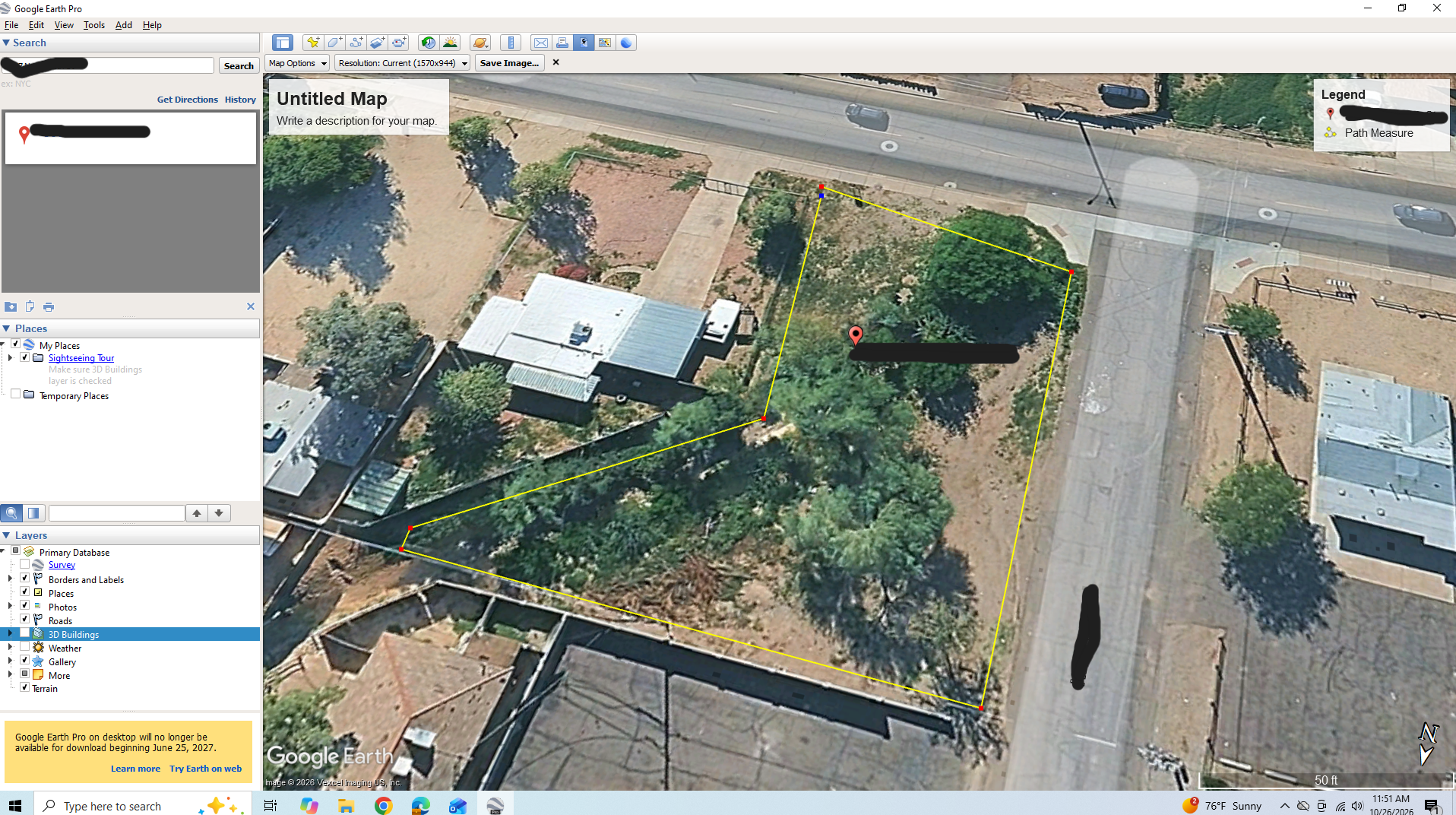
I found a empty lot in Phx,az, its 10k sqft , literally minutes from downtown, what stands out it has a sort of canal passing by it , could be dry, I never purchased empty land , seller is a big investment company and had it sitting for over a year, looks like they just want to recoup the money they purchased it for at $60k , lot is empty they did nothing to it, i was thinking offering them $30k cash.
Specialist · I give advice - [email protected] - I focus on states where investing is profitable, reasonably safe & secure · Member since 2026 · 159 posts · 54 votes
I found a empty lot in Phx,az, its 10k sqft , literally minutes from downtown, what stands out it has a sort of canal passing by it , could be dry, I never purchased empty land , seller is a big investment company and had it sitting for over a year, looks like they just want to recoup the money they purchased it for at $60k , lot is empty they did nothing to it, i was thinking offering them $30k cash.
The first thing you do when buying a lot downtown is check the EPA list for toxic waste (oil dump, chemicals, etc) then you check with the county for zoning. Once both of those are clear, you figure out your reason for buying the land, run your numbers, then decide.
Does it matter that its a good 15-20min drive to downtown, im more concerned with that dried canal on the side of the property, i called about the zoning its all good.
If you're genuinely planning to live in one of the units as your primary residence, owning another property that's now operating as a rental doesn't automatically rule out owner-occupied financing.
The key is documenting your current living situation, intended occupancy, and how the new property fits your family's needs. Different loan programs and lenders may evaluate that differently.
Have the lenders actually submitted your scenario to underwriting, or are they declining it during the initial conversation?
If they do accept this offer i can pay cash, its an empty lot an a area where current homes sold from $300k +m . If i buy it at that price i have some options.
On the canal, the big things to check are whether it's a flood control channel or an irrigation ditch, and whether there's an easement or setback along it. Ask the county and the title company for any recorded easements, because a 10 to 20 foot strip you can't build on cuts into a 10k sqft lot fast.
Also pull the FEMA flood map for that parcel. If it sits in a flood zone, insurance and building costs go up, and that is a fair reason to go lower on price.
Before you offer 30k, look at what vacant lots nearby actually sold for in the last year, not just what houses sell for. A seller who has held it a year at 60k may take 40 to 45k, so I'd leave room to negotiate up. Also check that water, sewer and power are at the street, since bringing them in can run 15 to 30k.
Jimmy — the part I would not skip is backing into the land price from the finished deal, instead of anchoring on the seller's $60K or on the $300K+ house sales.
Run it backwards: what can you actually build on that lot, what would that house sell or rent for, and what is all-in build cost today — hard costs, permits, tap and impact fees, insurance, interest / carrying costs, and selling costs. What is left is what the dirt is worth to you. On a 10K sq ft lot that math gets tight fast, and it is why a lot can sit for a year even in a decent area.
A few diligence items before you make the $30K firm:
- Get zoning and lot status confirmed in writing: legal lot, minimum width / frontage, setbacks, and legal access from a public street. A lot that looks fine on a map can be a problem if access or frontage is short.
- Order the title commitment and a survey early in your diligence period, not after. You want to see easements, maintenance access, and any neighbor encroachments before your money goes hard.
- Price the utility connections specifically for this parcel — not just "at the street." Unpaid tap fees or a long sewer run can change a $30K lot into a $50K lot before you pour anything.
- Check what has actually been permitted and built nearby in the last year or two, not just what sold. That tells you if builders are really active on that street.
And cash does not mean no diligence period. I would offer with a real inspection / feasibility window and a modest earnest deposit. A seller who has held it a year understands time — a clean cash offer with a short, defined diligence period is stronger than waiving everything and hoping the canal, zoning, and utilities all check out.
Before you offer, I'd check what that canal is. A lot of the Valley's laterals belong to SRP or an irrigation district, and they often come with an easement and setbacks that can take a real bite out of the buildable area. Pull the parcel on the Maricopa County Assessor site, check the zoning and flood zone, and confirm water, sewer and power are actually at the lot line, because bringing utilities in can cost more than the land. A seller who's held it a year with nothing done may take a low number, but put a feasibility period in the contract and get a title commitment so any recorded easements show up before you close. Paying cash also keeps it simple, since land loans usually need a much bigger down payment than houses. Disclosure: I'm a loan officer in AZ and TX.
@Jimmy Rojas Since you're paying cash and no lender will require it, order a title search before you close anyway. A lot that's sat for a while can carry unpaid back taxes, a lien, or an old easement nobody mentioned. The county treasurer's site will usually show whether taxes are current. With a big investment company as the seller, a clean written offer with a short close and a short inspection period for the canal and utility questions tends to get attention, even when the price is low.