Scaling vs. Paying Off Rentals: Has Anyone Chosen Cash Flow Over Growth?

Scaling vs. Paying Off Rentals: Has Anyone Chosen Cash Flow Over Growth?

Garrett KeithPro Member
New to Real Estate · Dubuque, Dubuque Iowa · Member since 2026 · 37 posts · 19 votes

Hey everyone, my name is Garrett and I’m located in eastern Iowa. I’m 21 and have been working full-time for the past three years. I’m very focused on cash flow, similar to many people here. I also strongly dislike debt, and that mindset has started to affect how I think about real estate investing. I currently own a home (I had the privilege of buying my childhood home from my parents last October), so I’m already building equity there. Last year I made about $80k before taxes, and my main goal this year is to save $25,000 toward my first investment property. My longer-term goal is to reach $50,000 for a down payment.

PREFACE: I understand that is everyones goal to create cash flow and pay down debt, but everyone has different levels of comfort and people get there in very different ways and so I am just trying to think out loud.

My goal isn’t to build a huge portfolio or manage hundreds of properties. I’m not trying to become a massive real estate owner and manager. My primary goal is freedom both financially and in other areas of life. For example I want the flexibility to give and serve my local church well, invest in my family if the Lord blesses me with one, explore the world, and spend time learning meaningful skills and hobbies.

All of that said, I’m curious how others approach mortgages and cash flow once they start acquiring properties. I understand that the common strategy is to keep rolling equity and cash flow into additional properties to scale as quickly as possible. However, my mindset is less about scaling to a large portfolio that eventually creates massive cash flow, but rather maximizing stable, debt-free cash flow.

For example, has anyone here built a smaller portfolio (say around 3–5 properties) and then shifted strategy to aggressively paying them off? In other words, taking the combined cash flow from the properties plus extra savings from a day job and snowballing that toward the lowest mortgage until it’s paid off, then repeating the process with the remaining loans.

The idea in my mind would be that eventually you end up with several fully paid-off rentals producing reliable cash flow. At that point the properties function more like income assets than growth assets, and the cash flow could then be used to fund future investments or lifestyle flexibility.

I realize this may not be the mathematically “optimal” strategy compared to continuous leverage and scaling, but I’m interested in hearing from people who value cash flow stability and lower debt exposure.

Has anyone here actually taken this kind of approach or something different? If so, what worked, what didn’t, and what would you do differently?

2Reply
858 views

Most Popular Reply

Ryan SpathBusiness Member
Real Estate Agent · Boise, ID · Member since 2017 · 609 posts · 387 votes
8mo
Quote from @Garrett Keith:

Hey everyone, my name is Garrett and I’m located in eastern Iowa. I’m 21 and have been working full-time for the past three years. I’m very focused on cash flow, similar to many people here. I also strongly dislike debt, and that mindset has started to affect how I think about real estate investing. I currently own a home (I had the privilege of buying my childhood home from my parents last October), so I’m already building equity there. Last year I made about $80k before taxes, and my main goal this year is to save $25,000 toward my first investment property. My longer-term goal is to reach $50,000 for a down payment.

PREFACE: I understand that is everyones goal to create cash flow and pay down debt, but everyone has different levels of comfort and people get there in very different ways and so I am just trying to think out loud.

My goal isn’t to build a huge portfolio or manage hundreds of properties. I’m not trying to become a massive real estate owner and manager. My primary goal is freedom both financially and in other areas of life. For example I want the flexibility to give and serve my local church well, invest in my family if the Lord blesses me with one, explore the world, and spend time learning meaningful skills and hobbies.

All of that said, I’m curious how others approach mortgages and cash flow once they start acquiring properties. I understand that the common strategy is to keep rolling equity and cash flow into additional properties to scale as quickly as possible. However, my mindset is less about scaling to a large portfolio that eventually creates massive cash flow, but rather maximizing stable, debt-free cash flow.

For example, has anyone here built a smaller portfolio (say around 3–5 properties) and then shifted strategy to aggressively paying them off? In other words, taking the combined cash flow from the properties plus extra savings from a day job and snowballing that toward the lowest mortgage until it’s paid off, then repeating the process with the remaining loans.

The idea in my mind would be that eventually you end up with several fully paid-off rentals producing reliable cash flow. At that point the properties function more like income assets than growth assets, and the cash flow could then be used to fund future investments or lifestyle flexibility.

I realize this may not be the mathematically “optimal” strategy compared to continuous leverage and scaling, but I’m interested in hearing from people who value cash flow stability and lower debt exposure.

Has anyone here actually taken this kind of approach or something different? If so, what worked, what didn’t, and what would you do differently?


Garrett, first off I want to say you’re asking the right questions at a very young age. The fact that you’re 21, already own a home, and are thinking intentionally about strategy and lifestyle design puts you far ahead of most people.

One thing I’ve learned over the years is that there isn’t one “correct” way to build a real estate portfolio. There’s the mathematically optimized path, and then there’s the path that actually aligns with your values and lets you sleep well at night. Those are not always the same thing. Personally, I like sleep. In fact, I like to fall asleep fast!

When I started investing, my mindset was very similar to what you’re describing. My goal wasn’t hundreds of doors. We wanted ten single family homes that we profited $500 a month. I had the privilege of being around older folks that had friends that lost everything in 2008 time frame. I’m not sure if this had any influence on our decision, but it just felt realistic and doable!

The strategy you described building a small portfolio and then aggressively paying down the debt, is absolutely something people do, you should check out Chad Carson he is a firm believer of the “small and mighty investor” he has a YouTube channel you may find of value.

A few thoughts that might help as you think about this:

First, leverage is a tool, not the goal. Debt can accelerate growth, but it also introduces risk. When your young and your income is strong, using reasonable leverage to acquire good assets can make a lot of sense. At some point you may want to shift from growth mode to de-leverage mode.

Second, the snowball approach you mentioned is very real. My current plan is just that. We are going to pay off our primary, and then start snowballing all the income to aggressively pay everything off. I believe in “Enough” and if we pay all our debts off we will have plenty, we can give even more freely, save better, and have less financial concerns.

Third, your time horizon is your biggest advantage right now. At 21, you have decades for assets to appreciate, rents to rise, and debt to amortize. Using the rule of 72, assuming a 4% appreciation your real estate will double every 18 years.

If I could give one piece of advice from my own journey, it would be this: focus first on buying quality assets in good locations that produce solid cash flow. If the property is good, you’ll always have options later. You can pay it off faster, refinance it, or redeploy equity depending on what stage of life you’re in. Stay away from old tired assets, and if you must go this route. Fix everything, and soon. Update all the major systems, and be prepared financially to care for this business!

Your strategy may evolve over time. Mine certainly did. But the key is that you’re already thinking about what kind of life you want real estate to support. That is the most important thing, you want to create something that serves you, not the other way around!

See this reply in the discussion

36 Replies

Jump to latestLatest
  • Tim KirkPro Member
    Member since 2026 · 88 posts · 53 votes
    8mo
    I have 5 properties and 4 are paid off. Yes cash flow is good but I’m currently stuck in a rut as far as acquiring more properties because we’re out of cash for additional down payments. I set aside money for property taxes, maintenance and capex each month so it will likely take us 12’ish months to save up for our next down payment
  • Garrett KeithPro Member
    OP
    New to Real Estate · Dubuque, Dubuque Iowa · Member since 2026 · 37 posts · 19 votes
    8mo

    Thanks for the response @Tim Kirk

    Do you recommend then not putting all of say the W-2 dollars towards mortgage pay down, but having some of it contribute towards the next property down payment.

    Obviously that would slow down progress on paying it down, but at least keeps the savings moving in the right direction.

  • Tim KirkPro Member
    Member since 2026 · 88 posts · 53 votes
    8mo

    1) in the BP podcasts, I highly recommend searching for and listening to two particular episodes. Search the term "DION". Following Dion's path may be right up your alley. 

    2) until you find your first property, I recommend living as cheap as possible...no extras, no new cars, etc and save every extra dollar you can. Once you find your first property, I would focus on continuing to save money rather than rapid pay down. Save your cash in case you need it. You wouldn't believe how quickly and frequently **** seems to break. Once you get your second, third, fourth properties...use that income snowball to either begin to pay down a property or continue to save 

  • Garrett KeithPro Member
    OP
    New to Real Estate · Dubuque, Dubuque Iowa · Member since 2026 · 37 posts · 19 votes
    8mo

    @Tim Kirk

    I will definitely listen to that! Just found it on Spotify.

    Will do. It's difficult not to spend, but that seems like a common theme on this forum as far as I can see is that low expenses and aggressive saving pay off big time.

    Thanks again for your thoughts!

    • Tim KirkPro Member
      Member since 2026 · 88 posts · 53 votes
      8mo

      @Garrett Keith I'd says it's either spend little & save big and grow at your pace or leverage big and grow with more risk

  • Ryan SpathBusiness Member
    Real Estate Agent · Boise, ID · Member since 2017 · 609 posts · 387 votes
    8mo
    Quote from @Garrett Keith:

    Hey everyone, my name is Garrett and I’m located in eastern Iowa. I’m 21 and have been working full-time for the past three years. I’m very focused on cash flow, similar to many people here. I also strongly dislike debt, and that mindset has started to affect how I think about real estate investing. I currently own a home (I had the privilege of buying my childhood home from my parents last October), so I’m already building equity there. Last year I made about $80k before taxes, and my main goal this year is to save $25,000 toward my first investment property. My longer-term goal is to reach $50,000 for a down payment.

    PREFACE: I understand that is everyones goal to create cash flow and pay down debt, but everyone has different levels of comfort and people get there in very different ways and so I am just trying to think out loud.

    My goal isn’t to build a huge portfolio or manage hundreds of properties. I’m not trying to become a massive real estate owner and manager. My primary goal is freedom both financially and in other areas of life. For example I want the flexibility to give and serve my local church well, invest in my family if the Lord blesses me with one, explore the world, and spend time learning meaningful skills and hobbies.

    All of that said, I’m curious how others approach mortgages and cash flow once they start acquiring properties. I understand that the common strategy is to keep rolling equity and cash flow into additional properties to scale as quickly as possible. However, my mindset is less about scaling to a large portfolio that eventually creates massive cash flow, but rather maximizing stable, debt-free cash flow.

    For example, has anyone here built a smaller portfolio (say around 3–5 properties) and then shifted strategy to aggressively paying them off? In other words, taking the combined cash flow from the properties plus extra savings from a day job and snowballing that toward the lowest mortgage until it’s paid off, then repeating the process with the remaining loans.

    The idea in my mind would be that eventually you end up with several fully paid-off rentals producing reliable cash flow. At that point the properties function more like income assets than growth assets, and the cash flow could then be used to fund future investments or lifestyle flexibility.

    I realize this may not be the mathematically “optimal” strategy compared to continuous leverage and scaling, but I’m interested in hearing from people who value cash flow stability and lower debt exposure.

    Has anyone here actually taken this kind of approach or something different? If so, what worked, what didn’t, and what would you do differently?


    Garrett, first off I want to say you’re asking the right questions at a very young age. The fact that you’re 21, already own a home, and are thinking intentionally about strategy and lifestyle design puts you far ahead of most people.

    One thing I’ve learned over the years is that there isn’t one “correct” way to build a real estate portfolio. There’s the mathematically optimized path, and then there’s the path that actually aligns with your values and lets you sleep well at night. Those are not always the same thing. Personally, I like sleep. In fact, I like to fall asleep fast!

    When I started investing, my mindset was very similar to what you’re describing. My goal wasn’t hundreds of doors. We wanted ten single family homes that we profited $500 a month. I had the privilege of being around older folks that had friends that lost everything in 2008 time frame. I’m not sure if this had any influence on our decision, but it just felt realistic and doable!

    The strategy you described building a small portfolio and then aggressively paying down the debt, is absolutely something people do, you should check out Chad Carson he is a firm believer of the “small and mighty investor” he has a YouTube channel you may find of value.

    A few thoughts that might help as you think about this:

    First, leverage is a tool, not the goal. Debt can accelerate growth, but it also introduces risk. When your young and your income is strong, using reasonable leverage to acquire good assets can make a lot of sense. At some point you may want to shift from growth mode to de-leverage mode.

    Second, the snowball approach you mentioned is very real. My current plan is just that. We are going to pay off our primary, and then start snowballing all the income to aggressively pay everything off. I believe in “Enough” and if we pay all our debts off we will have plenty, we can give even more freely, save better, and have less financial concerns.

    Third, your time horizon is your biggest advantage right now. At 21, you have decades for assets to appreciate, rents to rise, and debt to amortize. Using the rule of 72, assuming a 4% appreciation your real estate will double every 18 years.

    If I could give one piece of advice from my own journey, it would be this: focus first on buying quality assets in good locations that produce solid cash flow. If the property is good, you’ll always have options later. You can pay it off faster, refinance it, or redeploy equity depending on what stage of life you’re in. Stay away from old tired assets, and if you must go this route. Fix everything, and soon. Update all the major systems, and be prepared financially to care for this business!

    Your strategy may evolve over time. Mine certainly did. But the key is that you’re already thinking about what kind of life you want real estate to support. That is the most important thing, you want to create something that serves you, not the other way around!

  • Honolulu, HI · Member since 2008 · 3k+ posts · 2k+ votes
    8mo

    For any long term hold strategy, you need to be sure you build a reserve fund for the large expenses that you will face. Every element of every property has a statistical "useful life" and will need major repair or replacement at some point. "When" varies depending on your local environment, preventative maintenance, and the current condition when you acquire the property. Paying down a mortgage early may not benefit you if you need to take out a loan for a re-roof, or major electrical upgrade, foundation repairs, etc. for each property at different points in time.

    Keep in mind, condition and appearances directly affect the quality of Tenant you attract, which can determine the wear and tear on the unit and turnover costs as well. Delaying updates or refreshing a unit will typically result in progressively lower quality Tenants.

  • Garrett KeithPro Member
    OP
    New to Real Estate · Dubuque, Dubuque Iowa · Member since 2026 · 37 posts · 19 votes
    8mo

    @Ryan Spath

    Thank you for taking the time to respond!

    Thats very encouraging as I can feel like I am behind sometimes. Agreed! Gotta do what works for me and my goals. Yeah I am just overall a conservative kind of guy, don't like risking it all. Yeah my hopes definitely have to do with the people I surround myself with and how I was raised. I will do that! Looking forward to hearing what he has to say. That makes sense! Utilize leverage while it's "lower" risk (since I am single and don't have kids and a wife that depend on me) to build the portfolio and then transition to making it resilient. Absolutely! I hear that often, to take advantage of my age and leverage it to maximize growth. Be mindful of life changes.

    Create something that serves you, not the other way around. <--- GOLD

    Thank you again for your time and thoughts!

  • Garrett KeithPro Member
    OP
    New to Real Estate · Dubuque, Dubuque Iowa · Member since 2026 · 37 posts · 19 votes
    8mo

    @Richard F.

    Thanks for the response!

    Ensure holding funds and emergency savings are always fully funded to prevent any future issues and don't let mortgage pay down affect those savings. Keep in mind general timeline for any element of the property.

    Put in quality get out quality and don't delay on improvements.

  • Investor · Buffalo, NY · Member since 2026 · 42 posts · 19 votes
    8mo

    I'm in the boat just wanting a small portfolio of 8-10 units paid off (for now).

    I just think of it in two phases, growth then security.  High leverage until I have the amount of units I want, then paying those down for security.  

    Hopefully I'll be content with what I have and just enjoy the time, but if I ever want more I can just leverage one of the existing and buy more.  Never know what you'll want until you get there, so I set a goal and when I get there I'll set the next goal. 

  • John MorganPro Member
    Rental Property Investor · Grand Prairie, TX · Member since 2018 · 2k+ posts · 2k+ votes
    8mo

    @Garrett Keith

    I was a Dave Ramsey guy when I got into real estate 11 years ago. I was even aggressively trying to pay off my primary at the time. I went nuts and paid off my first two rentals and was really excited to have two paid off rentals and barely any debt. Dumbest thing I could have done financially. My cash on cash return was terrible. Maybe only 5 or 6% which is really weak. I then read Rich Dad Poor Dad which was a game changer for me. I used debt and the power of leverage to scale up and create 17x's my cash flow with just two paid off properties in the next 8 or 9 years. I'll take all this cash flow now with "good debt" any day over a handful of paid off rentals. I do have some paid off houses now, but my first 9 years was all about scaling up to create a lot of cash flow to buy more and more properties at a greater velocity vs paying things off. I also bought 6 or 7 with 15 years loans so they get paid off quicker. But overall, I'm a fan of good debt and letting my tenants pay off these loans with good cash flow and appreciation. I'd rather put 20% down while getting 100% appreciation, and acquire a bunch of homes vs using all my cash to pay off a few homes. Look at the big picture and how people create generational wealth the quickest. And for me, I mainly look at what my CoC return will be when I jump on a deal.

  • Nicholas L.Pro Member
    Flipper/Rehabber · Pittsburgh · Member since 2018 · 6k+ posts · 5k+ votes
    8mo

    @Garrett Keith

    just a few quick reactions and then happy to dialogue further

    1. knowing you already own a home, can you buy another property to house hack, and turn your current property into a rental?  not everyone can, or wants to, house hack.  but i always throw this out for consideration.  and remember: house hacking doesn't cash flow, and isn't supposed to. it builds equity. equity is wealth. equity is long term cash flow.

    2. with rates and prices high, we're not in a cash flow market on LTRs right now.  so in the early years you won't have to worry about what to do with your cash flow, because there won't be any.  none.  not any.  somehow on BP we've all decided to ignore closing costs, rent ready costs, stabilization costs, turnover costs, early repairs, refinance costs, etc. and pretend that if you make $52 more than your mortgage in month 3 of year 1, that's "cash flow."  it's not.

    3. you're not behind.  if you own your own home plus 1 rental, i think you own more rentals than 95% of people.

    hope this helps

    • Real Estate Broker · Minneapolis, MN · Member since 2011 · 5k+ posts · 6k+ votes
      8mo
      Quote from @Nicholas L.:

      @Garrett Keith

      just a few quick reactions and then happy to dialogue further

      1. knowing you already own a home, can you buy another property to house hack, and turn your current property into a rental?  not everyone can, or wants to, house hack.  but i always throw this out for consideration.  and remember: house hacking doesn't cash flow, and isn't supposed to. it builds equity. equity is wealth. equity is long term cash flow.

      2. with rates and prices high, we're not in a cash flow market on LTRs right now.  so in the early years you won't have to worry about what to do with your cash flow, because there won't be any.  none.  not any.  somehow on BP we've all decided to ignore closing costs, rent ready costs, stabilization costs, turnover costs, early repairs, refinance costs, etc. and pretend that if you make $52 more than your mortgage in month 3 of year 1, that's "cash flow."  it's not.

      3. you're not behind.  if you own your own home plus 1 rental, i think you own more rentals than 95% of people.

      hope this helps


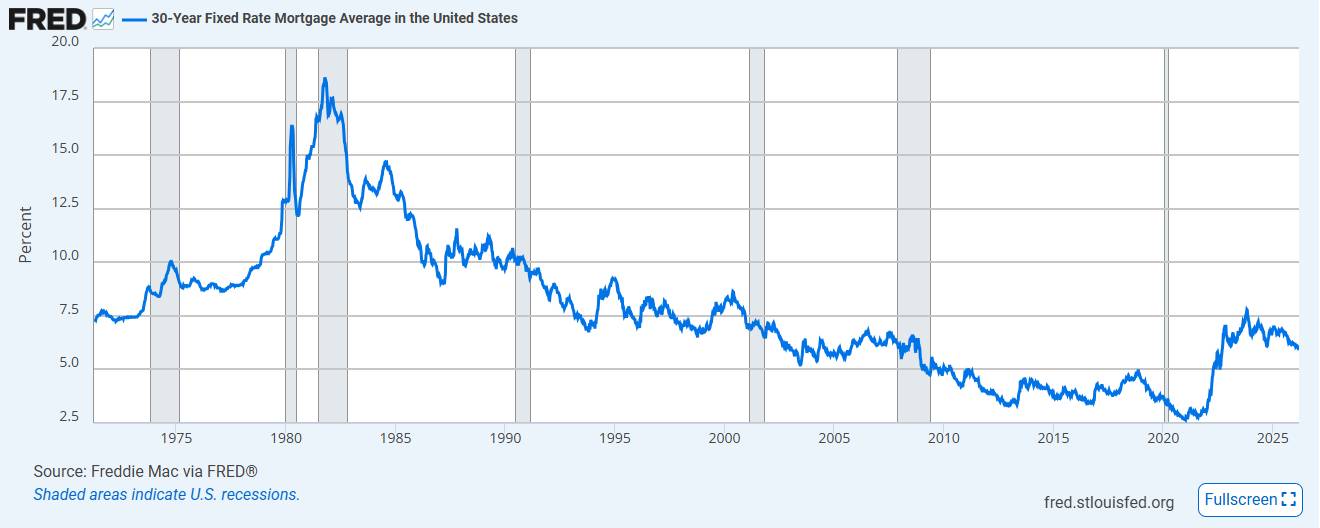
      I have 1 critique Nicholas; mortgage rates are not high. They are "normalized". The issue is post '08' people got used to cheap mortgage rates that then went into insanely cheap territory. And some without the perspective are basing feelings on skewed data set. Not necessarily a fult of yours, you've been conditioned this way. 

      Those of use with some "snow on the shingles" we remember things pre 90's. And I tell ya, while you may look back and say "but properties were so cheap in the 80's" let me tell ya they sure as heck didn't feel cheap at the time. Keep in mind minimum wage was UNDER $4hr. I recall working as a kid getting $4.25hr and I was so pumped over fact I got 10% commission on top of that for the light automotive repairs I did, which came out to like $0.70 per tire patch, lol. And oh-man when I got one I made $5.00 on, over-the-moon excited, lol. 

      Homes are not expensive. 

      Mortgage rates are not high. 

      The dollar has wildly declined in purchasing power, and will keep on doing that as it has for generations. 

      The issue is the disparity gap. Inflation has not been universal. Income inflation lag's expense inflation. And if try to equalize income inflation it just accelerates expense inflation. 

      Because we have a grown a GIGANTIC problem where 50% of the populace lives off other peoples money. Takes more then they give. By a long shot. And taxing top 10% won't work because the top 10% is other peoples money. Raise taxes on Walmart is not Walmart's money, it's your money you pay for things at Walmart, it's a tax on yourself, Walmart is just the middle person. 

      So it's that middle 40%, carrying the expense of all. The math don't math. 

      That is a mathematical construct for incomes lagging expense inflation. 

      It won't change until that math paradigm changes. Tax the top is a tax on the middle, the top just holds does the tax collecting from the middle. 

      You have to tax the bottom, full-stop. You have to stop bleeding out $ on the bottom, full-stop. It is the only way. 

      Or else this all has 1 inevitable end. Mathematically. 

      Hence a certain administrations efforts to change the script to a tariff based system which is a universal based tax system and thus, to equalize things. 

      If you don't equalize, inflation will continue to inflate at disparaged rates of impact. 

      Your income is the issue. Your taxes are the issue. The costs are just the convenient fall-guy to lay blame on so the true culprit doesn't have to own accountability. Because it would cost votes, the easiest votes to buy in existence. That's the reality of it. Math don't lie. 

  • Member since 2024 · 2 posts · 1 vote
    8mo

    Check out Ryan Lee's book, Retire in 10 Years of Less on Amazon. It addresses all of your questions and educates on the benefits of Real Estate and good debt to build a portfolio, reduce taxes and combat inflation. Happy to discuss further with anyone that is interested. 

  • Lender · Tampa, FL · Member since 2013 · 2k+ posts · 2k+ votes
    8mo

    Hi Garrett, I grew up across the river and a bit South of you. You got lots of comments, so I'll try not to repeat and my one piece of advice is contra to the fact that I also own a lender, but a huge mistake I see newer (and some more seasoned) investors make is that they over-leverage. I know it sounds sexy to use other people's money and put as little into a deal as you can, but borrowing too much will not only squash your profit margin, but also puts you in a rough spot in lean times. Interest costs can really eat up profit. Also, paying off debt is great, but make sure you are leaving yourself some liquidity in reserve. Not having some "dry powder" for a rainy day also means that the first time you stub your toe you could be in deep trouble. Just some advice from an old man that's done it for a while. Good luck to you in the Great White North. 

    • Ryan SpathBusiness Member
      Real Estate Agent · Boise, ID · Member since 2017 · 609 posts · 387 votes
      8mo
      Quote from @Doug Smith:

      Hi Garrett, I grew up across the river and a bit South of you. You got lots of comments, so I'll try not to repeat and my one piece of advice is contra to the fact that I also own a lender, but a huge mistake I see newer (and some more seasoned) investors make is that they over-leverage. I know it sounds sexy to use other people's money and put as little into a deal as you can, but borrowing too much will not only squash your profit margin, but also puts you in a rough spot in lean times. Interest costs can really eat up profit. Also, paying off debt is great, but make sure you are leaving yourself some liquidity in reserve. Not having some "dry powder" for a rainy day also means that the first time you stub your toe you could be in deep trouble. Just some advice from an old man that's done it for a while. Good luck to you in the Great White North. 


       Truer words have never been spoken....

  • Garrett KeithPro Member
    OP
    New to Real Estate · Dubuque, Dubuque Iowa · Member since 2026 · 37 posts · 19 votes
    8mo

    @Sam Tato

    That seems like a common theme for people who have the same or similar goals as me.

    Fair enough, goals and desired lifestyle can always shift down the line so just gotta kepe that in mind.

    Thanks for your response!

  • Garrett KeithPro Member
    OP
    New to Real Estate · Dubuque, Dubuque Iowa · Member since 2026 · 37 posts · 19 votes
    8mo

    @John Morgan

    Thank you for your thoughts. The thing is I am not looking to make the generational wealth the quickest. I see what you are saying though that good debt can really speed up the process and with the right safe guards in place can be very effective and not that risky.

    Thanks again!

    • John MorganPro Member
      Rental Property Investor · Grand Prairie, TX · Member since 2018 · 2k+ posts · 2k+ votes
      8mo
      Quote from @Garrett Keith:

      @John Morgan

      Thank you for your thoughts. The thing is I am not looking to make the generational wealth the quickest. I see what you are saying though that good debt can really speed up the process and with the right safe guards in place can be very effective and not that risky.

      Thanks again!

      Yeah if you have plenty of passive income already and don’t care to make much more, then pay them off and grow slowly if you even want to grow.  I’m at that stage now so I’ve got 14 paid off properties.  But when my goal was to make 20k/month profit within 7 or 8 years, then I leveraged my way up quickly to achieve that with loans and recycling my equity to scale up. Some people only want 2 or 3 paid off properties that don’t generate much income. And some would like to make 20-30k/month off the rentals to retire soon or whatever. That’s the beauty of real estate. So many ways to generate wealth. 
    • Joe MendePro Member
      Rental Property Investor · Chicago, IL · Member since 2016 · 67 posts · 12 votes
      8mo
      Quote from @John Morgan:
      Quote from @Garrett Keith:

      @John Morgan

      Thank you for your thoughts. The thing is I am not looking to make the generational wealth the quickest. I see what you are saying though that good debt can really speed up the process and with the right safe guards in place can be very effective and not that risky.

      Thanks again!

      Yeah if you have plenty of passive income already and don’t care to make much more, then pay them off and grow slowly if you even want to grow.  I’m at that stage now so I’ve got 14 paid off properties.  But when my goal was to make 20k/month profit within 7 or 8 years, then I leveraged my way up quickly to achieve that with loans and recycling my equity to scale up. Some people only want 2 or 3 paid off properties that don’t generate much income. And some would like to make 20-30k/month off the rentals to retire soon or whatever. That’s the beauty of real estate. So many ways to generate wealth. 

       I love this, John!  What was your main strategy in getting to that $20K/month number within 7 or 8 years?  It was funny reading that, because that's my cash flow goal and timeline as well.  I have a ways to go though!

  • Garrett KeithPro Member
    OP
    New to Real Estate · Dubuque, Dubuque Iowa · Member since 2026 · 37 posts · 19 votes
    8mo

    @Nicholas L.

    Thanks for the response!

    I am definitely open to a house hack, but the home I currently live in is my childhood home and so I don't really want just anyone living in it. Currently I have two of my closest friends living their and that has been great and likely another dude moving in in the fall. So for me it's less about who I'll be living next too and more about who I am letting live in my childhood home that I plan on keeping my whole life and would like to do everything I can to keep it as similar to the way it was when I was growing up because I am a very sentimental guy.

    With it not being a very great cash flow market is that why you are recommending the house hack because either way I wouldn't be getting cash flow so might as well build equity now?

    Thanks for the encouragement and thoughts!

  • Garrett KeithPro Member
    OP
    New to Real Estate · Dubuque, Dubuque Iowa · Member since 2026 · 37 posts · 19 votes
    8mo

    @Stephanie Bethea

    Thank you for the response!

    Will do! All about learning from others and how they have done it. Seems like from what you said he found a good balance between pay down and good debt.

    I will definitely reach out if any questions or thoughts come up.

  • Garrett KeithPro Member
    OP
    New to Real Estate · Dubuque, Dubuque Iowa · Member since 2026 · 37 posts · 19 votes
    8mo

    @Doug Smith

    Thanks for the response!

    Yeah that over leveraged position just sounds like a stressful place to be at and all just to be a little bit ahead. Do you recommend a 15 year mortgage then? Since ideally I'd start aggressively paying them down well within that window. I will definitely allocate dollars other places so that I don't have too many eggs in the debt pay down basket. It seems to me like all things in life a good balance is required. If you over leverage it can cause issues, if you over pay down it can cause issues, so just keep a good balance rolling.

    Thank you for sharing your wisdom. Appreciate ya!

    • Lender · Tampa, FL · Member since 2013 · 2k+ posts · 2k+ votes
      8mo
      Quote from @Garrett Keith:

      @Doug Smith

      Thanks for the response!

      Yeah that over leveraged position just sounds like a stressful place to be at and all just to be a little bit ahead. Do you recommend a 15 year mortgage then? Since ideally I'd start aggressively paying them down well within that window. I will definitely allocate dollars other places so that I don't have too many eggs in the debt pay down basket. It seems to me like all things in life a good balance is required. If you over leverage it can cause issues, if you over pay down it can cause issues, so just keep a good balance rolling.

      Thank you for sharing your wisdom. Appreciate ya!


       Cash flow is king, so I wouldn't do a 15 year mortgage. Make sure you're keeping rainy day liquidity. 

  • V.G JasonPro Member
    Investor · Member since 2022 · 3k+ posts · 3k+ votes
    8mo

    30 years and can always pay it off like it's 15, but do what's the most constructive given your entire financial situation. It's not a simple as one fits all.

    Stay liquid enough to be a rare source of funds in dry times. Stay invested enough to get enough upside from the market.

  • Buy and Hold Investor · Alexandria, VA · Member since 2013 · 181 posts · 51 votes
    8mo

    I would like to 2nd what @Ryan Spath said, "focus first on buying quality assets in good locations that produce solid cash flow. If the property is good, you’ll always have options later."


    Having good properties and good tenants makes your life so much easier. Buy in the best areas you can afford that have good schools.

  • Real Estate Agent · Chicago, IL · Member since 2017 · 2k+ posts · 2k+ votes
    8mo

    Tapping the equity refinancing for growth is what makes owning property so great! Owning real estate with no leverage or even very low leverage if never refi is a pretty awful return when can get 8-10% just buying an SP500 index with none of the liabilities or work of real estate and if want cashflow just sell some stock or the bond portion of a portfolio each year. In my mind the whole point of real estate is leverage to get a total return much higher then stocks (2x to 3x the total return). Leverage gives you not just more cashflow but also much higher total return due to the appreciation being leveraged aka 4x leverage your property goes up even 4% that year is a 16% return alone + your cashflow + your mortgage principal paydown. 

  • Member since 2026 · 32 posts · 32 votes
    8mo

    Hey Garrett, one thing I'd add to the great advice in this thread is to think about it through the lens of opportunity cost. When you put an extra dollar toward paying down a 7% mortgage, you're earning a guaranteed 7% return on that dollar — not bad at all. But if that same dollar could go toward a down payment on your next property where you might get 10-12% cash-on-cash, you're actually leaving returns on the table by paying down early. That said, I think the "sleep at night" factor others mentioned is real and honestly underrated — there's no spreadsheet that captures how much better you perform at your W-2 when you're not stressed about debt exposure. A hybrid approach might work well for your situation: acquire your 3-5 properties with reasonable leverage (say 75% LTV), then once you hit that target number of doors, snowball aggressively starting with the smallest balance. The cool thing about being 21 is even if you take the slower conservative path, compound appreciation over 20+ years does a ton of heavy lifting for you. What kind of cap rates are you seeing on small multifamily in the Dubuque area? That would really shift the math on which approach makes more sense for your specific market.

  • John MorganPro Member
    Rental Property Investor · Grand Prairie, TX · Member since 2018 · 2k+ posts · 2k+ votes
    8mo

    @Joe Mende My initial goal was as to have 10 paid off rentals and make 10k/month. I used to be a Dave Ramsey guy and thought you were supposed to pay off rentals. Then I found how easy it was leveraging and using “good debt” to make more cash flow vs taking years to slowly pay off rentals. And once the cash flow hit 5-10k/month, it piles up fast and makes it easy and quick to buy more and more properties with 20% down. I also kept recycling equity to scale up. I bought 14 rentals basically with zero of my own money. I got them all from doing cash out refis on rentals that had built up equity. It was a quick way to scale up with no money down. 

  • Investor · Milwaukee - Mequon, WI · Member since 2010 · 5k+ posts · 7k+ votes
    8mo

    Cash flow is basically a function of the equity you have. You can't have $20k/mo in cash flow without having lots of equity.

    And it always seems to settle in at around 6-7% of portfolio equity. Once you understand this, your thinking shifts.

    How can you grow equity? Down payment is how it starts, rehabs can force it, you can buy down dept and let the market appreciate. Usually a combination of all of the above. 

  • Real Estate Broker · Minneapolis, MN · Member since 2011 · 5k+ posts · 6k+ votes
    8mo

    Good question @Garrett Keith and first thing first, most have a very WRONG perspective of how they picture it all (more so a home owner mindset) and that is the first and most important thing is to use the CORRECT mindset for perception of it all (Housing as a Business Service). 

    So let's re-frame this in a context that may make it more readily clear. Instead of housing, picture you were considering things in context of an automotive repair business. 

    To do this service business, or repairing autos, you need tools. 

    Average every day Joe's have tools too. 

    If you approach the business in deciding what tools to have and what not like Everyday-Joe, well it's probably going to have serious performance troubles, right. 

    Everyday-joe can "get by" with a certain assortment of tools. You, coming at it as a business, have a very different perspective of you tools. (a) tool breakage and replacing tools is a hassle and interruption to revenue. So you (b) acquire QUALITY tools because while they cost more, they will return much more due to extended use and thus more revenue without interruption. (c) And you consider getting tools not by how neat they are but by what revenue they may unlock, and produce. 

    As a business you will have more tools than you "need" because it's about revenue production. And those tools are assets. Assets that when the time comes to hang-up things, you sell the excess tool-assets and trim down your tool size to that key "need to keep" tool grouping to the end of your days. And via the sale of the excess tools, those you keep are now effectively free. 

    On real estate we start at the end. 

    Say your end vision is 10 well performing rental properties. For simplicity were going to say these are just 10 SFR's.

    You come to this from your end vision of what reoccurring monthly revenue you will need. 

    Now NO, you don't get there by over time buying 10, and then stopping and waiting to pay off. That's a 50yr strategy. Because of capex. You'd literally have to effectively buy the entire property no less than twice. Holding for that duration means replacing everything at least once if not 2 or 3 times. Very very expensive approach. 

    It's done by understanding there is STAGES and PHASES you will work through to get to that end. And by also understanding EQUITY via OPM and APPRECIATION are the wealth BULDERS, not cash-flow. Cash-flow is Operational support, NOT a wealth generator. 

    So the first step is in getting 1. 1 that will perform well, and that has value-add aspect that over the next few years the appreciation and equity accrual combined with your capitol stacking will then unlock the ability to yes SELL (capex avoidance) so can turn the 1, into 2. 

    Yes, 1031 comes into play if doing it right because why not use tax payment as capitol investment leverage. 

    Now we have 2. Same thing as 1, but we can have a bit less pressure on us for value-add but it still matters, and same thing. We want to achieve a place in a few years to again run the cycle, SELL, pass-off the capex to someone else, reap the harvest of appreciation and equity accrual via OPM, and turn 2 into ideally 4, but minimum 3.

    We do this again. 4 into 8. We are now starting to get into scale of operation so most likely we are investing in A class property in path of progress as this is the simplest place to perform on such and to tap-into that appreciation aspect. New build with unfinished basements is a gold-mine for this. 

    8 into 16. 16 into 32 and were DONE with Growth Phase. Or say it wasn't a perfect double every time; and were at 15, ok, still done. Call it 15-32 units. 

    YES, 15-32 units for an end 10. 

    Now we are in CONSOLIDATION phase. 

    This is the time that you get laser focused and ask self for a long term vision, with all your experience as a Landlord, what is your "perfect" 10? Are they townhomes, what size, at what tenant demographic, etc etc. You have experience of things to back answering this question of who your #1 most ideal tenant is, and thus property type, location etc.. 

    Because now after a few years of again building that appreciation/equity in these, Now you key in on your "perfect" end unit, your on the hunt. And you start buying the "perfect" and selling the others. A structured portfolio liquidation. 

    Yes, most likely paying taxes at this point, maybe some or all, every situation varies. 

    The point is if done right, you will have 10 free & clear properties, or very low leveraged. 

    Now your into Phase 3; Dividend aka "Retirement". 

    Now you have you set chosen ideal few that maybe you do decide to hold forever. Or who knows, maybe your going to keep selling every 7yrs to replace with a like kind newer one. Point is, your at so low or no leverage that now it's a cash-flow tsunami. 

    Run the math. 

    If you just bought up to 10, and stopped, tried to get them paid off via "cash-flow" it will literally take DOUBLE the time or longer than the above. 

    Why? 

    Because the above uses the wealth generator, via scale, to achieve your "retirement" 10 low leverage/free & clear. 

    Not only is it possible to make $1k per month in appreciation & OPM paid equity accrual on a median market SFH, it's dang near "normal". But to get $1k per month free & clear cash-flow, post taxes, on a leveraged property, lol, good luck finding that unicorn.

    So it requires patience. 

    Time. 

    Strategy. Tactical actions. 

    Time..... 

    This is how real, enduring, generational WEALTH is created. 

    Utilizing performing debt, to GROW a portfolio, to a size that can be trimmed down to harvest equity and appreciation to deliver a quality retirement. 

    If you know a Hilton of a Heinz, you may be able to borrow the few million to get out there and get the properties to jump straight into consolidation. But for us normal plebians, yes it's gonna take years, many years, decades. But it's worth it. Because it's real. Attainable. Doable. Patience and well formulated Strategy is the key. 

    The hardest years are the early years. As it scales it hockey-sticks up faster and faster. It's the grinding 7yrs for the ok 7yrs for the "holy-smokes" 7yrs. 

    But it does require selling, 100%. Forever holds = forever expenses. Roofs, windows, siding, furnaces, water heaters, kitchen updates, bath updates, flooring, tile, cabinets on and on and on. These things gobble capital and returns like the cookie monster. 

    This is why we pass them off at key times to owner occupants who use a different perception of things. 

    That's the map of things. 

    DR isn't a fan of this because he failed miserably at it due to his impulsivity and lack of patience and discipline. And he's a narcissist, so in his world if he can't nobody can, his flaws are the worlds flaws. That just ain't true. Many are capable of having, or training into self the discipline and patience to be a millionaire. Or multi-millionaire. 

    For those who can't, are ok with impulsivity running them like a puppet, ok, you'll have to sacrifice the doubling/tripling of time for that. 

    Ironic isn't it, that the cost for impulsivity is having to wait longer, but it's true. Those people will have to camp on a forever property and suffer the capex cycles in full force. 
Join the conversationCreate a free account to reply, vote on answers and follow this thread.