3D Printed Houses
This is about to be real. People have pooh-poohed it for a long time, but the technology is nearly market ready.
http://mashable.com/2014/04/28/3d-printing-houses-china/
My question on this one is this. As buildings of this sort become common, what will happen to the demand for traditionally-constructed housing?
Most Popular Reply
Speaking about innovation in the construction industry, I found this company called Autovol in Idaho. It's interesting because they use robotics for their manufacturing of modular units. Here is the youtube video
I think quality will play a big role on whether or not these printers will see success. People admire custom work.
Don't hold your breath for printed houses.
"Each approximately 2,100 square-foot building costs less than $5,000 to construct."
You are looking at a $120,000 home, have only $5000 to put down, and looking at 30 years of $900/mo mortgage. And another $200 in property tax. That might make this house pretty appealing.
The big 'but' is where one would find land to build on. In parts of the world (US included) where there are homeless people and cheap land, this can help provide a solution. I just spent more than twice this amount to put a new roof on my re-hab. I wish I could have knocked it down and printed a new one in its place.
This thread sure came back from the dead!
I suspect that the technology will shortly be making a difference, but not with entirely printed homes. But I could sure see what would essentially be extruded-concrete foundations catching on. As well as various decorative masonry elements, when the tech gets that far.
@Richard C. Have you heard anything else on this? I just watches a YouTube video on it.. pretty real in 2019
@Diana Villalon I came across a company in Austin that is printing houses recently... they're doing a project in Mexico and Austin. Apparently it's cheaper and faster, they're called Icon. I'm thinking how to apply it, seems like a lot of applications.
I'm guessing this is just material cost. They still have to move the printers to the site, set it up, pay the workers, etc. My guess is a single house on one lot would end up costing a lot more (~50k or even more?). However, for mass construction of affordable housing you can probably get closer to a cheap house - but still missing A LOT of cost. Also - wonder how materials compare to US prices.
It would be interesting to see what the final impact will be. I know a company in the US already did one in Austin, TX:
3D-printed Austin house becomes international model
"According to Icon, the printer can cut the cost of building a home by 30 to 50 percent compared to the cost of traditional construction."
Seems more reasonable. This house was a tiny house too though but looks better than China's 2000 sq.ft. one :)
I love that Icon 3D printed prototype and their vision for setting up production in impoverished locations. Very inspiring & worthy goals. I do question how applicable that technology and method is for market rate US product. I do believe it's probably a question of 'when', not 'if', but at the moment, I don't see how that prototype saves any money, considering running wiring & plumbing with solid concrete walls (you'd likely furr over them with conventional stud framing, and would be building 2 walls instead of 1), meeting energy codes in different climates, envelope tightness, and satisfying aesthetic preferences. It's a great start though, and I look forward to v2.0.
I watched a video on the SQ4D company that legally built a 3D Printed house (selling for $300k in an average $550k market) just recently in Long Island, NY and they are getting better at tackling the plumbing, electrical, and making it custom made. SQ4D says the next version will do 2 stories and the next one after that for Skyscrapers. It'll be interesting where this technology goes. I don't think people will ignore it for long. Just a matter of 'When'.
I generally agree, but I go back and forth on this. I think its pretty obvious that technology is changing the way we do most things. No reason to think real estate is immune. Others would likely argue legislation is the biggest long-term threat to a successful well-positioned/lower LTV portfolio, but personally I'm more focused on the impact of 3-D printing. Assuming the technology advances to the point that it is considered similar quality to traditional builds and delivers huge reductions in final cost, the real question is - with trillions in market value and trillions in loans outstanding, will "they" allow 3-D printing that is so widespread that it crashes the market? That also heavily impacts local taxes as well. I have a hard time seeing that happening. Thoughts BP community?
Speaking about innovation in the construction industry, I found this company called Autovol in Idaho. It's interesting because they use robotics for their manufacturing of modular units. Here is the youtube video
House printed by Icon in austin is selling at $450/sf... hardly affordable housing... and half the house is stick framed. Texture created is cool but don't think this is the answer... check out...
3503 E 17th St Unit B4
@Emilio Ramirez I saw this a few weeks ago. It’s not different than electric car fad: useless but sounds good.
Rich, I know it has been some time since you posted this, however, I believe you bring a good point to the new construction community, especially now. I agree with you many people dislike this technology for no good reason. These homes are cheaper, well built and made from any kind of materials. I would like to know if you guys have seen any new details on up and coming 3 D tech.
These homes would be great for housing homeless all the way to building the most custom homes.
This building method would be the best solution for the world as we know it. To name a few elements; this technology withstands flooding, wildfires, and modern day attacks.
Just food for thought. Maybe we can connect to chat further about 3D Technology.
there's 3d printed houses going on in Austin. I visited the site and the project was running behind, they couldn't add a second story, and the cost is about the same as normal houses. it's 100 houses total it's a super small fraction of the entire building market and there are more than 10 companies co-invested in it. faaaaarrr away from anything. the technology isn't there
- Robert Ellis
- [email protected]
- 786-494-6766
Where is this development at? There is newer tech out there and even more on the way. It also comes down to the team organizing the build as well. It’s not like building the “normal house” , it is very sophisticated.
If you could let me know where this development is that would be great! Thank you in advance.
Wolf Ranch in Georgetown, TX
https://www.lennar.com/new-homes/texas/austin-central-texas/...
- Robert Ellis
- [email protected]
- 786-494-6766
very interesting, thanks for sharing the link! I kinda like the look, I wonder if there are any plans to bring this to the Midwest...
Ohio state has a research facility that is already printing these every day but the technology is too expensive right now. at some point maybe but stick frame is much cheaper than concrete. you still need a few techs on site the entire time when these are running. here is an article about ohio state doing this:
https://cdme.osu.edu/news/2023/01/collaborative-partnership-...
I pay attention to emerging technologies but this is far from perfect.
- Robert Ellis
- [email protected]
- 786-494-6766
@Robert Ellis
Issue also is all the printing is being done in controlled environments
Once they get outdoors and deal with temperature, humidity and sunlight it changes concrete dramatically
This is one reason it is slow moving as they have been saying for years this is next big thing. Same thing with tiny homes…. Keep promising but really no great use cases for retail
- Chris Seveney
Totally agree I don't see it touching the industry for 10 more years. Even panelized construction, modular, etc you can't change the industry. I don't think anyone has every worked for 6 years in preconstruction. can you build a few houses or 100 houses with 8 different partners in Texas with it? sure. but can you touch even 1% of the market with it? convince architects it's superior and cheaper than stick built? convince general contractors? push out truss designers? no one realizes every one of these houses has truss packages. They are literally just printing block walls. Can you convince customers block walls are nicer? are they as uniform? there's a million problems with the methods. I've even looked at the factories that can prebuild houses in big boxes and assemble them on site. The problem? Capacity. The factories take 300 houses a year max. This isn't going anywhere. In our market in columbus 95% of houses are stick built and will remain to be stick built for my 40 years in the industry I'm sure.
- Robert Ellis
- [email protected]
- 786-494-6766
I agree. Also stick built has come a long way, most framers now will panelize the framing. When we built our home 10 years ago trusses and framing was all panelized (no sheathing on exterior though) and our house which is above average size they were setting floor joists one day and framing the floor the next so within about a week to two weeks the house was framed.
Also regarding 3d - you still have to deal with plumbing and eletrical in wall rough ins etc. most of what is built is also very small and reality is it could have been framed in a similar amount of time.
Now there are certain climates/areas of the world that absolutely 3d printing can make a huge difference.
The other one that i have been watching is companies like boxabl, who can make tiny homes and are looking to further advance modular homes - I am curious how that will pan out - last I read they were being investigated by the SEC
- Chris Seveney
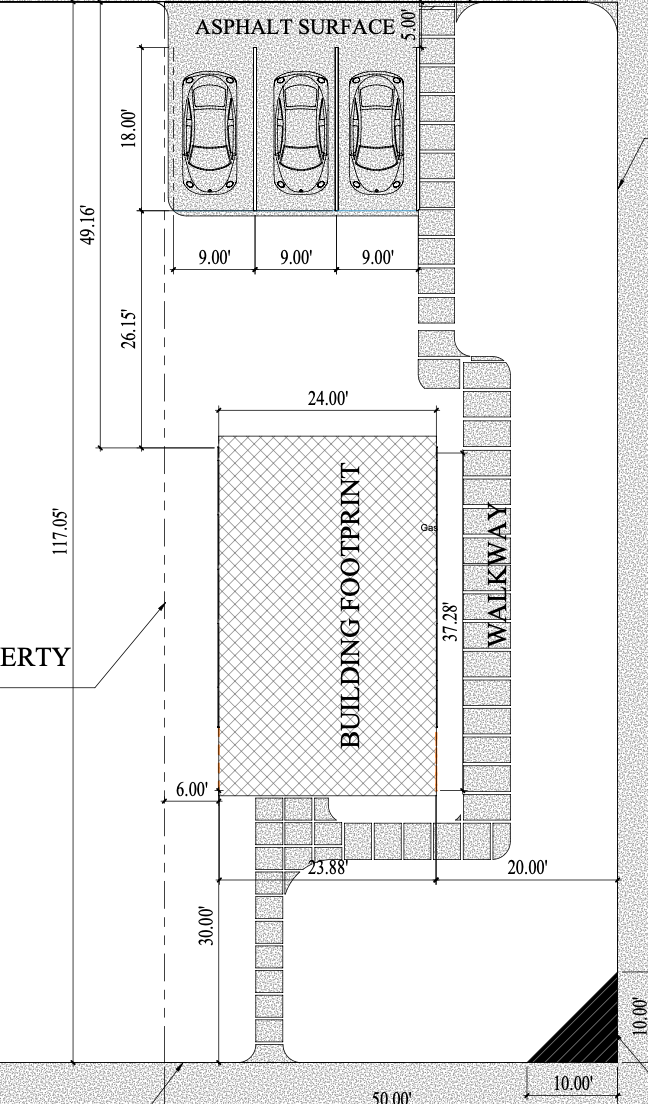
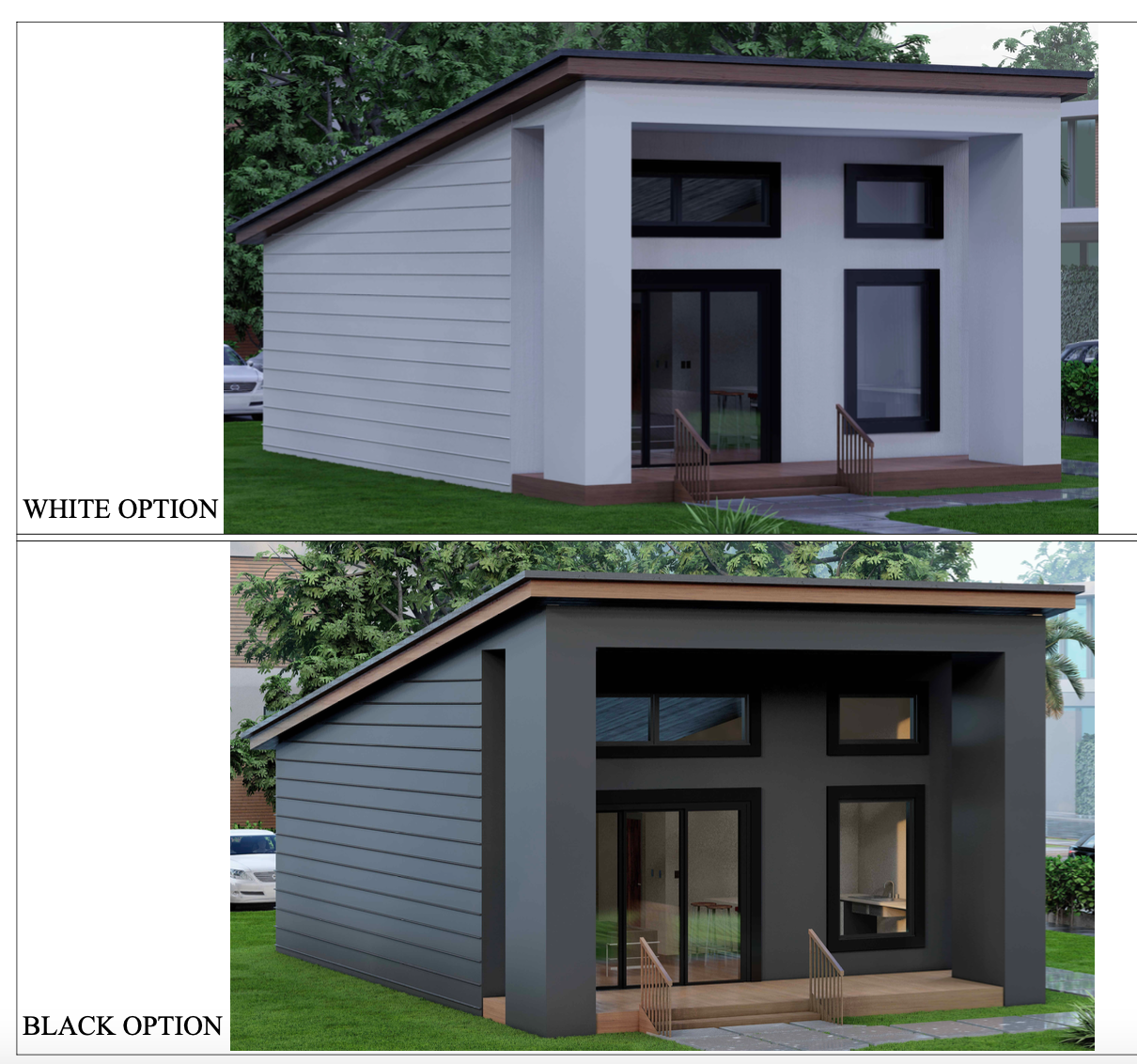
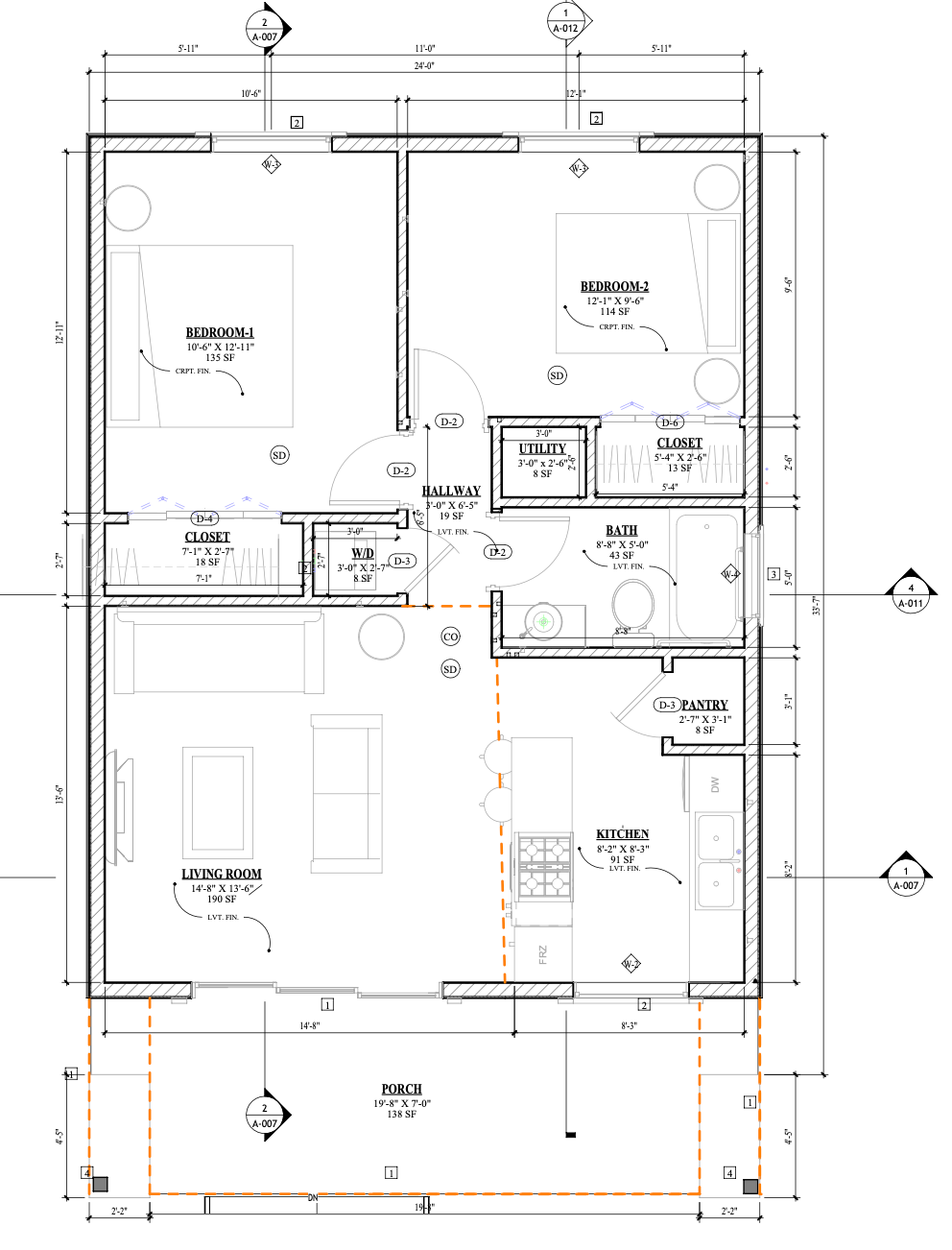
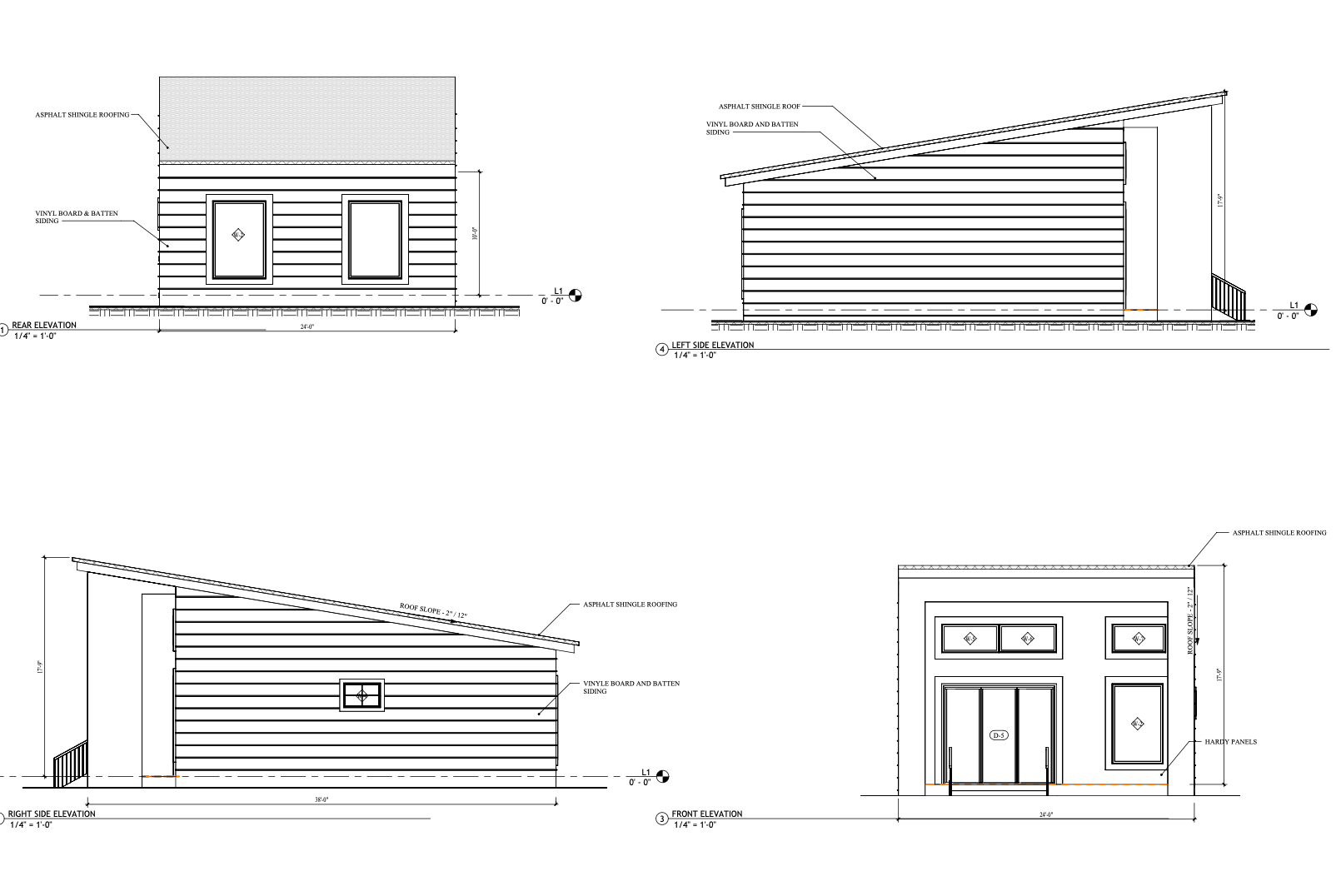
we started building homes the same size to compete. I'm working on a 700 sq ft 2 bed 1 bath that we took from our triplex and im building the first one soon. for every 100 sq ft you build less you get about $10 more per sq ft in our market. there's very little data on these but land at 10k, build this for 100k, sell for $300 a sq ft target. 96.5% of new builds in our market are priced higher than that which is great. anyone can buy it. I'm in the tail ends of the distribution curve. We do our first one and break ground in less than 30 days. all cash build with a group in New York in newark oh, a submarket of columbus. I attached some renderings if you want to talk about tiny homes. the smallest home sold in our market per year has been trending around 657 sq ft for the past 15 years. most the time they set some of the highest price per sq ft. I still have some modifications to design, etc but this is moving really fast. I'll have construction sets in about a week from my architect.
- Robert Ellis
- [email protected]
- 786-494-6766