Anyone done a "Morby Method" deal? Zero down creative strategy

Anyone done a "Morby Method" deal? Zero down creative strategy

Investor · United States · Member since 2020 · 202 posts · 284 votes

Heard about this on Pace Morby's Youtube channel - it's a zero down creative strategy that works when 1) the seller is open to seller finance, but 2) needs a sizeable DP for various reasons (i.e., pay off their existing loan, closing costs, and/ or put some cash in their pocket, etc)

There are 2 "legs" of the transaction. My understanding is it works like this:

Example: purchase price = $1M, seller still owes $200K, seller also needs addl $150K cash at close for whatever reason. But the buyer wants the property at zero down.

First leg:

-- Buyer secures a loan (1st position) for $350K and sends to title company (this is the amount needed to pay off sellers loan + their required cash at close)

-- Buyer also sends $650K cash to the title company (can put in your own cash, or do a temp loan from a transactional lender)

-- First leg of txn is now complete, and the $1M stays at the title company (this is bc you customized escrow instructions upfront to instruct them how to disperse money before escrow began)

Second leg:

-- Buyer and Seller enter into an agreement through an LLC which allows them both to be on title, and seller agrees to seller finance the buyer $650K of the purchase price (on whatever terms they agreed on). Being on title protects the seller from the buyer defaulting - it seems this is an alternative to "officially" putting them in a 2nd position)

-- Title company sends seller the $350K they require

-- Title company sends buyer back $650K (which they can use to pay off their transactional lender if they used one)

So now the seller is happy bc they got the $350K they needed, the buyer is happy bc they acquired a property for zero dollars out-of-pocket, and from what I understand the 1st position lender is happy bc due the LLC arrangement the seller finance component is not technically considered a second lien on the property. Plus all parties were protected throughout the entire transaction through the title company.

Have any of you completed a deal w/ this method? Am I understanding this right? I would love to hear your thoughts on the pros/ cons/ risks involved

6Reply
806 views

Most Popular Reply

Joe S.Pro Member
Investor · San Antonio · Member since 2020 · 3k+ posts · 3k+ votes
3y

Pace has an agenda to make it sound easy.

Nothing down does not happen very often and I’ve been doing sub2 for years brother. Of course I’m not selling you a course or Mentorship so I have no reason to ham it up. Even the few no money down deals I have done wasn’t really no money down deals, because I spent thousands upon thousands of dollars in marketing  and typically I had to do some sort of rehab to the property once I got it.

The last Sub2 deal idea I had to give the seller $17,000, pay all the closing cost, repaint the whole house, and make payments on the thing three months while I was getting it ready.

The one before that the guy was behind almost $7000, I had to change the carpet, I painted the whole house, I made a number of payments while I was getting it ready, and I paid the closing cost, and I probably spent close to $7000 on a marketing campaign .

See this reply in the discussion

52 Replies

Jump to latestLatest
  • Investor · Corpus Christi, TX · Member since 2012 · 2k+ posts · 1k+ votes
    3y

    Look up the definition of mortgage fraud. Classic case. 

  • Henry ClarkPro Member
    Developer · Member since 2020 · 4k+ posts · 4k+ votes
    3y

    This thread has got my mind going in several directions.

    1.  What zero down approaches can I think of:  A.  Join the military, attain E5 and do BAH., B.  Call my two bankers Saturday at 8am and let them know I need $1mm each on Monday.  But that is cross collateralization, so equity based., C.   Walk up to a homeowner and ask them for their house.  Already have my sales pitch and how to pick the owner. 


    2.  I have not understood why someone would write a book, do a seminar for whatever amount, say $5,000 per chair for 2 days, sell a mentor membership.  Probably being a hog, but I would want $5mm per person, otherwise it’s not worth it.  

    3.  Why would someone want to do a Zero down deal?  There is the obvious answer Zero down, but there is the behind the scenes as noted above.  Did door to door sales one time.  After I got trained got to a 1 out of 10 sale rate.  If I went with a concept similar to zero down my rate would be like 1 out of 200.   In the meantime I am losing my 1 out of 10 sales ratio.  
    .      
    OP thanks for the post.  Challenged my thought process.

  • Member since 2021 · 9 posts · 12 votes
    2y
    Quote from @Sean Bramble:

    Heard about this on Pace Morby's Youtube channel - it's a zero down creative strategy that works when 1) the seller is open to seller finance, but 2) needs a sizeable DP for various reasons (i.e., pay off their existing loan, closing costs, and/ or put some cash in their pocket, etc)

    There are 2 "legs" of the transaction. My understanding is it works like this:

    Example: purchase price = $1M, seller still owes $200K, seller also needs addl $150K cash at close for whatever reason. But the buyer wants the property at zero down.

    First leg:

    -- Buyer secures a loan (1st position) for $350K and sends to title company (this is the amount needed to pay off sellers loan + their required cash at close)

    -- Buyer also sends $650K cash to the title company (can put in your own cash, or do a temp loan from a transactional lender)

    -- First leg of txn is now complete, and the $1M stays at the title company (this is bc you customized escrow instructions upfront to instruct them how to disperse money before escrow began)

    Second leg:

    -- Buyer and Seller enter into an agreement through an LLC which allows them both to be on title, and seller agrees to seller finance the buyer $650K of the purchase price (on whatever terms they agreed on). Being on title protects the seller from the buyer defaulting - it seems this is an alternative to "officially" putting them in a 2nd position)

    -- Title company sends seller the $350K they require

    -- Title company sends buyer back $650K (which they can use to pay off their transactional lender if they used one)

    So now the seller is happy bc they got the $350K they needed, the buyer is happy bc they acquired a property for zero dollars out-of-pocket, and from what I understand the 1st position lender is happy bc due the LLC arrangement the seller finance component is not technically considered a second lien on the property. Plus all parties were protected throughout the entire transaction through the title company.

    Have any of you completed a deal w/ this method? Am I understanding this right? I would love to hear your thoughts on the pros/ cons/ risks involved


     Yes, I have completed this Method of purchasing, well before the glorified King of the creative finance space, Pace Morby, gave it a name.

    I have done well over 150 deals of which I applied this method of purchasing.  The last deal in which we utilized this method was back in Jan of 2024 (this year).

    Purchase Price: $700,000

    - 80% non-recourse loan coverage @ a 4.5 % interest rate fixed for 30 years 

    - 20% transactional lending partner {usually 1.75-2% regardless of market conditions}. 

    The seller was willing to loan me 30% on the second leg of the transaction or $210,000- Paid off my transactional lender of $140,000 and pocketed the difference.  

    Remember this, and I hope I'm clear " DO NOT DISCLOSE TO THE NON-RECOURSE LENDER THAT YOU'RE CONDUCTING THE MORBY METHOD". Not that it's "not allowed" but rather it will mitigate a lot of confusion.  For all your non-recourse lender is concerned, you are providing the 20% plus closing costs to the table (your skin in the game as far as the non-recourse lender is concerned).

    Trick to becoming a successful investor:  DON'T OVERTHINK, JUST DO IT!  FAIL FORWARD.  

  • Member since 2021 · 9 posts · 12 votes
    2y
    Quote from @Sean Bramble:

    Heard about this on Pace Morby's Youtube channel - it's a zero down creative strategy that works when 1) the seller is open to seller finance, but 2) needs a sizeable DP for various reasons (i.e., pay off their existing loan, closing costs, and/ or put some cash in their pocket, etc)

    There are 2 "legs" of the transaction. My understanding is it works like this:

    Example: purchase price = $1M, seller still owes $200K, seller also needs addl $150K cash at close for whatever reason. But the buyer wants the property at zero down.

    First leg:

    -- Buyer secures a loan (1st position) for $350K and sends to title company (this is the amount needed to pay off sellers loan + their required cash at close)

    -- Buyer also sends $650K cash to the title company (can put in your own cash, or do a temp loan from a transactional lender)

    -- First leg of txn is now complete, and the $1M stays at the title company (this is bc you customized escrow instructions upfront to instruct them how to disperse money before escrow began)

    Second leg:

    -- Buyer and Seller enter into an agreement through an LLC which allows them both to be on title, and seller agrees to seller finance the buyer $650K of the purchase price (on whatever terms they agreed on). Being on title protects the seller from the buyer defaulting - it seems this is an alternative to "officially" putting them in a 2nd position)

    -- Title company sends seller the $350K they require

    -- Title company sends buyer back $650K (which they can use to pay off their transactional lender if they used one)

    So now the seller is happy bc they got the $350K they needed, the buyer is happy bc they acquired a property for zero dollars out-of-pocket, and from what I understand the 1st position lender is happy bc due the LLC arrangement the seller finance component is not technically considered a second lien on the property. Plus all parties were protected throughout the entire transaction through the title company.

    Have any of you completed a deal w/ this method? Am I understanding this right? I would love to hear your thoughts on the pros/ cons/ risks involved


     You're incorrect above but close:

    Your example of a 1 million dollar purchase price would go like this:

    80%- Non-recourse loan or $800,000 

    20%- Transactional Lending or $200,000


    First leg:  All funds are sent to escrow (from both the non-recourse and transactional lenders respectively) Thus $1 million is received in escrow and closed. 

    Second Leg: Seller enters into a business partnership agreement with the buyer.  The seller loans 40% back to the seller (on a partnership agreement)  Thus, 40% of $1 million is $400,000.

    That $400,000 pays off your transactional lender ($200,000 plus closing costs and 2 % point) = $215,000

    $50,000 is utilized to renovate the property

    You will keep the remaining balance.

    Since you are giving the seller a large sum upfront, you should negotiate at least a 60-month 0 interest and 0 payments on or before(5 years).  

  • Don KonipolBusiness Member
    Investor · The Woodlands TX / Avon, CT · Member since 2009 · 6k+ posts · 10k+ votes
    2y

    Nothing down and subject to was a LOT easier 45 years ago when I started investing in real property…….    Truth is you REALLY need to know what you’re doing now.  I’d say that attending a training seminar/mentor/YOUTUBE videos, etc and trying to put a deal together based on that information makes putting the deal together a one in a hundred shot.  And if you do put it together there’s still a 90% chance you end up in a lawsuit.  Now, for those specializing in this with the experience of 150 transactions behind them, they probably have the knowledge, experience to make it work and to limit the problems of it ends up in court.  

    Private Mortgage Financing Partners, LLC
  • Member since 2021 · 9 posts · 12 votes
    2y
    Quote from @Account Closed:
    Quote from @Sean Bramble:

    Heard about this on Pace Morby's Youtube channel - it's a zero down creative strategy that works when 1) the seller is open to seller finance, but 2) needs a sizeable DP for various reasons (i.e., pay off their existing loan, closing costs, and/ or put some cash in their pocket, etc)

    There are 2 "legs" of the transaction. My understanding is it works like this:

    Example: purchase price = $1M, seller still owes $200K, seller also needs addl $150K cash at close for whatever reason. But the buyer wants the property at zero down.

    First leg:

    -- Buyer secures a loan (1st position) for $350K and sends to title company (this is the amount needed to pay off sellers loan + their required cash at close)

    -- Buyer also sends $650K cash to the title company (can put in your own cash, or do a temp loan from a transactional lender)

    -- First leg of txn is now complete, and the $1M stays at the title company (this is bc you customized escrow instructions upfront to instruct them how to disperse money before escrow began)

    Second leg:

    -- Buyer and Seller enter into an agreement through an LLC which allows them both to be on title, and seller agrees to seller finance the buyer $650K of the purchase price (on whatever terms they agreed on). Being on title protects the seller from the buyer defaulting - it seems this is an alternative to "officially" putting them in a 2nd position)

    -- Title company sends seller the $350K they require

    -- Title company sends buyer back $650K (which they can use to pay off their transactional lender if they used one)

    So now the seller is happy bc they got the $350K they needed, the buyer is happy bc they acquired a property for zero dollars out-of-pocket, and from what I understand the 1st position lender is happy bc due the LLC arrangement the seller finance component is not technically considered a second lien on the property. Plus all parties were protected throughout the entire transaction through the title company.

    Have any of you completed a deal w/ this method? Am I understanding this right? I would love to hear your thoughts on the pros/ cons/ risks involved

    Your comment: "Buyer and Seller enter into an agreement through an LLC which allows them both to be on title"

    Your comment: "Being on title protects the seller from the buyer defaulting"

    That isn't how things work. The buyer can still default. 

    Wow, that's one of the riskiest transactions I've ever heard of. Having someone on title with you that you don't know, as a "business partner" puts you in lawsuit risk for anything they do. Nope, wouldn't do it, "wouldn't be prudent" as George Bush Sr used to say.

    WHOA! "due the LLC arrangement the seller finance component is not technically considered a second lien on the property."

    Either you misunderstood what was said, or you are extremely likely to get yourself into all kinds of grief following that line of thinking. 


     No No NO! It's not "risky" as most on this thread make it sound.

    It's not a "risky business" opportunity because the "LLC" must only be created for that transaction ONLY (w/ a partnership agreement with the seller).    NO OTHER BUSINESS practices should be conducted by either party except for that property only.  You rather have an LLC agreement in which the seller holds the guarantor of the LLC (of which is the buyer) of the transaction.  

  • Rental Property Investor · Wichita Falls, TX · Member since 2018 · 353 posts · 79 votes
    2y
    Quote from @Jay Hinrichs:
    Quote from @Joe S.:

    Pace has an agenda to make it sound easy.

    Nothing down does not happen very often and I’ve been doing sub2 for years brother. Of course I’m not selling you a course or Mentorship so I have no reason to ham it up. Even the few no money down deals I have done wasn’t really no money down deals, because I spent thousands upon thousands of dollars in marketing  and typically I had to do some sort of rehab to the property once I got it.

    The last Sub2 deal idea I had to give the seller $17,000, pay all the closing cost, repaint the whole house, and make payments on the thing three months while I was getting it ready.

    The one before that the guy was behind almost $7000, I had to change the carpet, I painted the whole house, I made a number of payments while I was getting it ready, and I paid the closing cost, and I probably spent close to $7000 on a marketing campaign .


    YUp these are all convoluted fantasy land..  your going to find very few sellers will even remotely understand what your doing and if they go to legal advisor they will kill it.. your correct though its this sort of stuff that sells  books tapes mentorships susbscriptions etc..  Sub too is super easy in the right market conditions and we are coming into the right market conditions you just need a little jingle in your pocket t o pull these off..  All these folks are trying to do RE with no money and well thats again what sells ..  make millions with no money

     Biggest thing I have seen that he leaves out is this.  You can get a property 200k for no money down (Subto) but you better have a good nest egg.  You need 6 months reserves and 20k for repairs.  So it may be no money down bout you need to have 12k in reserves while getting it ready.  20k for repairs or anything that breaks.  What happens when you buy the property, its vacant for 3 months, and you have to repair the HVAC, and plumbing.  Now your out 20k and came in with no money down, no equity, and need to go find 20k since you didn't do an inspection.  

  • Investor · Member since 2024 · 52 posts · 47 votes
    2y
    Quote from @Tom Gimer:

    Good luck finding a seller who will essentially take an unsecured 2nd on a property that is 100% leveraged. Creative as in fantasy land. This transaction has forced sale written all over it.


     Not that I think this Morbey method is the way to buy houses, I will say that I disagree with you Tom. Nearly every property I bought was with creative owner financing. 100% VTB (1st) and even had one take their equity in an unsecured note. Anything is possible if your'e open to learn.

  • Tom GimerBusiness Member
    DMV · Member since 2017 · 3k+ posts · 3k+ votes
    2y
    Quote from @Jeremy Fleming:
    Quote from @Tom Gimer:

    Good luck finding a seller who will essentially take an unsecured 2nd on a property that is 100% leveraged. Creative as in fantasy land. This transaction has forced sale written all over it.


     Not that I think this Morbey method is the way to buy houses, I will say that I disagree with you Tom. Nearly every property I bought was with creative owner financing. 100% VTB (1st) and even had one take their equity in an unsecured note. Anything is possible if your'e open to learn.

    My comment was about the specific scenario in the original post.

    I love creative finance. The best investment I ever made was a long-listed property... put just enough down to get the agent paid and the owner financed the balance for 30 years.

    Gimer Law516 Reviews
  • Investor · Corpus Christi, TX · Member since 2012 · 2k+ posts · 1k+ votes
    2y
    Quote from @Gary Leonard:
    Quote from @Account Closed:
    Quote from @Sean Bramble:

    Heard about this on Pace Morby's Youtube channel - it's a zero down creative strategy that works when 1) the seller is open to seller finance, but 2) needs a sizeable DP for various reasons (i.e., pay off their existing loan, closing costs, and/ or put some cash in their pocket, etc)

    There are 2 "legs" of the transaction. My understanding is it works like this:

    Example: purchase price = $1M, seller still owes $200K, seller also needs addl $150K cash at close for whatever reason. But the buyer wants the property at zero down.

    First leg:

    -- Buyer secures a loan (1st position) for $350K and sends to title company (this is the amount needed to pay off sellers loan + their required cash at close)

    -- Buyer also sends $650K cash to the title company (can put in your own cash, or do a temp loan from a transactional lender)

    -- First leg of txn is now complete, and the $1M stays at the title company (this is bc you customized escrow instructions upfront to instruct them how to disperse money before escrow began)

    Second leg:

    -- Buyer and Seller enter into an agreement through an LLC which allows them both to be on title, and seller agrees to seller finance the buyer $650K of the purchase price (on whatever terms they agreed on). Being on title protects the seller from the buyer defaulting - it seems this is an alternative to "officially" putting them in a 2nd position)

    -- Title company sends seller the $350K they require

    -- Title company sends buyer back $650K (which they can use to pay off their transactional lender if they used one)

    So now the seller is happy bc they got the $350K they needed, the buyer is happy bc they acquired a property for zero dollars out-of-pocket, and from what I understand the 1st position lender is happy bc due the LLC arrangement the seller finance component is not technically considered a second lien on the property. Plus all parties were protected throughout the entire transaction through the title company.

    Have any of you completed a deal w/ this method? Am I understanding this right? I would love to hear your thoughts on the pros/ cons/ risks involved
    Your comment: "Buyer and Seller enter into an agreement through an LLC which allows them both to be on title"

    Your comment: "Being on title protects the seller from the buyer defaulting"

    That isn't how things work. The buyer can still default. 

    Wow, that's one of the riskiest transactions I've ever heard of. Having someone on title with you that you don't know, as a "business partner" puts you in lawsuit risk for anything they do. Nope, wouldn't do it, "wouldn't be prudent" as George Bush Sr used to say.

    WHOA! "due the LLC arrangement the seller finance component is not technically considered a second lien on the property."

    Either you misunderstood what was said, or you are extremely likely to get yourself into all kinds of grief following that line of thinking. 


     No No NO! It's not "risky" as most on this thread make it sound.

    It's not a "risky business" opportunity because the "LLC" must only be created for that transaction ONLY (w/ a partnership agreement with the seller).    NO OTHER BUSINESS practices should be conducted by either party except for that property only.  You rather have an LLC agreement in which the seller holds the guarantor of the LLC (of which is the buyer) of the transaction.  

    I don't even know where to begin with this. Just wow. I especially love the "It's not risky" part. 

  • Investor · Pacific Northwest · Member since 2026 · 65 posts · 16 votes
    6mo

    I'm the technical co-founder in a group doing this. One of the people we've got has done 200+ of these deals and was able to scale insanely quickly because of this method. The key for this to work is to get your underwriting and pro forma estimates locked down. I built the tools to keep us consistent with this and make sure that proper underwriting was at the forefront of deal qualification.

    • Realtor · Boulder, CO · Member since 2016 · 3k+ posts · 5k+ votes
      5mo
      Quote from @Andrew Caranto:

      I'm the technical co-founder in a group doing this. One of the people we've got has done 200+ of these deals and was able to scale insanely quickly because of this method. The key for this to work is to get your underwriting and pro forma estimates locked down. I built the tools to keep us consistent with this and make sure that proper underwriting was at the forefront of deal qualification.

      Wow that's a lot of risk exposure. Anything ever go wrong with any of your group's deals?
    • Investor · Pacific Northwest · Member since 2026 · 65 posts · 16 votes
      5mo

      @Steve K. Risk indeed, yes but the right modeling means a win even in the bear case. Deals have fallen through on the way and just a couple with due on sale called. No defaults yet but if there were, property rights go right back to the previous owner, improvements and all.

    • Jay HinrichsBusiness Member
      Real Estate Consultant · Summerlin, NV · Member since 2014 · 45k+ posts · 66k+ votes
      5mo
      Quote from @Andrew Caranto:

      @Steve K. Risk indeed, yes but the right modeling means a win even in the bear case. Deals have fallen through on the way and just a couple with due on sale called. No defaults yet but if there were, property rights go right back to the previous owner, improvements and all.


      property rights go back.. this is kind of BS. what if the property owner does not want it back what if you have a squatter tenant and you handing back a mess. There are tax implications your not mentioning.. I resuced a company in Portland who did this with 30 homes back when the last guru was pitching no money down no equity just turn it into a sandwich lease or rental. Once the first payment stopped from the renter or leasee the who ball of wax started to melt they got turned into the AG in Oregon and put out of bizz. Very lucky to not have charges against them they were under capitalized and could not pay off a mortgage if it was called or cash flow interrupted.. This is a very dangerous thing to do with others credit. IE the sellers.

      I paid off about 10 of them the rest were a freaking mess. 
    • Realtor · Boulder, CO · Member since 2016 · 3k+ posts · 5k+ votes
      5mo
      Quote from @Jay Hinrichs:
      Quote from @Andrew Caranto:

      @Steve K. Risk indeed, yes but the right modeling means a win even in the bear case. Deals have fallen through on the way and just a couple with due on sale called. No defaults yet but if there were, property rights go right back to the previous owner, improvements and all.


      property rights go back.. this is kind of BS. what if the property owner does not want it back what if you have a squatter tenant and you handing back a mess. There are tax implications your not mentioning.. I resuced a company in Portland who did this with 30 homes back when the last guru was pitching no money down no equity just turn it into a sandwich lease or rental. Once the first payment stopped from the renter or leasee the who ball of wax started to melt they got turned into the AG in Oregon and put out of bizz. Very lucky to not have charges against them they were under capitalized and could not pay off a mortgage if it was called or cash flow interrupted.. This is a very dangerous thing to do with others credit. IE the sellers.

      I paid off about 10 of them the rest were a freaking mess. 

       Agree with this Jay. "No defaults yet but if there were, property rights go right back to the previous owner, improvements and all" is an extremely loaded and overly-optimistic statement, almost to the point of being misleading. Should be more like, "Property must be foreclosed on or the deal unwound which could take many months or even years and cost many thousands of dollars to complete, plus a lot of time and headaches, and the property may be in much worse condition when you finally get it back, and there may be a squatter living in it who needs to be evicted". 

    • Don KonipolBusiness Member
      Investor · The Woodlands TX / Avon, CT · Member since 2009 · 6k+ posts · 10k+ votes
      5mo
      Quote from @Jay Hinrichs:
      Quote from @Andrew Caranto:

      @Steve K. Risk indeed, yes but the right modeling means a win even in the bear case. Deals have fallen through on the way and just a couple with due on sale called. No defaults yet but if there were, property rights go right back to the previous owner, improvements and all.


      property rights go back.. this is kind of BS. what if the property owner does not want it back what if you have a squatter tenant and you handing back a mess. There are tax implications your not mentioning.. I resuced a company in Portland who did this with 30 homes back when the last guru was pitching no money down no equity just turn it into a sandwich lease or rental. Once the first payment stopped from the renter or leasee the who ball of wax started to melt they got turned into the AG in Oregon and put out of bizz. Very lucky to not have charges against them they were under capitalized and could not pay off a mortgage if it was called or cash flow interrupted.. This is a very dangerous thing to do with others credit. IE the sellers.

      I paid off about 10 of them the rest were a freaking mess. 

      Concerning the transaction as outlined by the OP in their original post:

      WHY would the "seller" ever enter into this? There is little (no) if any benefit to the seller, and HUGE downsize. The seller is using their credit and property for a 35% LTV loan, and then signing over ownership/operating control to the "buyer" for a second lien on the property. Instead, the seller can obtain the same $350k cash out himself, and if he doesn't want to operate the property simply master lease it to an operator. Giving up total control of your property and all future benefits for the very dubious value of a second position lien signed by a borrower who has no investment in the property? If the seller is that desperate then he's either "upside down" in the property or the property is an over priced POS. And if that's the case the only upside to the deal for the buyer is (1) if the buyer is a well versed, knowledgeable, experienced and very talented real estate investor who is able to identify significant value missed by all others AND successfully manage the property to bring forth said value or (2) is going to run a short term revenue stripping by collecting rent and not expenses/note payments.

      I'm also VERY wary of posters with few posts and big claims (Big hat, no cattle).  Many contain outright lies, most others are massively misleading.  Here's an example, years ago a guy I knew went into hard money lending.  after almost 2 years he told me he had made about 30 loans, and never had a default!  Came to find out that all the loans he made had 24 months prepaid interest reserve.  In the next 2 years his default rate was 75%.  

      Private Mortgage Financing Partners, LLC
    • Jay HinrichsBusiness Member
      Real Estate Consultant · Summerlin, NV · Member since 2014 · 45k+ posts · 66k+ votes
      5mo
      Quote from @Don Konipol:
      Quote from @Jay Hinrichs:
      Quote from @Andrew Caranto:

      @Steve K. Risk indeed, yes but the right modeling means a win even in the bear case. Deals have fallen through on the way and just a couple with due on sale called. No defaults yet but if there were, property rights go right back to the previous owner, improvements and all.


      property rights go back.. this is kind of BS. what if the property owner does not want it back what if you have a squatter tenant and you handing back a mess. There are tax implications your not mentioning.. I resuced a company in Portland who did this with 30 homes back when the last guru was pitching no money down no equity just turn it into a sandwich lease or rental. Once the first payment stopped from the renter or leasee the who ball of wax started to melt they got turned into the AG in Oregon and put out of bizz. Very lucky to not have charges against them they were under capitalized and could not pay off a mortgage if it was called or cash flow interrupted.. This is a very dangerous thing to do with others credit. IE the sellers.

      I paid off about 10 of them the rest were a freaking mess. 

      Concerning the transaction as outlined by the OP in their original post:

      WHY would the "seller" ever enter into this? There is little (no) if any benefit to the seller, and HUGE downsize. The seller is using their credit and property for a 35% LTV loan, and then signing over ownership/operating control to the "buyer" for a second lien on the property. Instead, the seller can obtain the same $350k cash out himself, and if he doesn't want to operate the property simply master lease it to an operator. Giving up total control of your property and all future benefits for the very dubious value of a second position lien signed by a borrower who has no investment in the property? If the seller is that desperate then he's either "upside down" in the property or the property is an over priced POS. And if that's the case the only upside to the deal for the buyer is (1) if the buyer is a well versed, knowledgeable, experienced and very talented real estate investor who is able to identify significant value missed by all others AND successfully manage the property to bring forth said value or (2) is going to run a short term revenue stripping by collecting rent and not expenses/note payments.

      I'm also VERY wary of posters with few posts and big claims (Big hat, no cattle).  Many contain outright lies, most others are massively misleading.  Here's an example, years ago a guy I knew went into hard money lending.  after almost 2 years he told me he had made about 30 loans, and never had a default!  Came to find out that all the loans he made had 24 months prepaid interest reserve.  In the next 2 years his default rate was 75%.  


      there is no one on planet earth that has done any real volume in HML that has never had a default or a work out..  if someone claims that in my mind just not true.

      As for stripping these properties about the same time i was rescuing the one company that did 30 of these. The FBI came to my office and wanted to talk about a client of mine that had done many of these with the business plan.. to simply take the rent never pay anything until the bank foreclosed.. Sellers got royally Fubared  this guy did prison time.. But he was a crook.  HOwever just think about how many good intentioned folks will end up the same position then rob peter to pay paul and end up in the same place. they were not crooks per se but found themselve in a massive hole.. Just like the other company I was talking about and I helped them out.. Never intended to end up in trouble but trouble is what happened and this was in Portland as well. 
    • Investor · Get yourself trained before doing something inadvisable. · Member since 2024 · 3k+ posts · 1k+ votes
      5mo
      Quote from @Jay Hinrichs:
      Quote from @Don Konipol:
      Quote from @Jay Hinrichs:
      Quote from @Andrew Caranto:

      @Steve K. Risk indeed, yes but the right modeling means a win even in the bear case. Deals have fallen through on the way and just a couple with due on sale called. No defaults yet but if there were, property rights go right back to the previous owner, improvements and all.


      property rights go back.. this is kind of BS. what if the property owner does not want it back what if you have a squatter tenant and you handing back a mess. There are tax implications your not mentioning.. I resuced a company in Portland who did this with 30 homes back when the last guru was pitching no money down no equity just turn it into a sandwich lease or rental. Once the first payment stopped from the renter or leasee the who ball of wax started to melt they got turned into the AG in Oregon and put out of bizz. Very lucky to not have charges against them they were under capitalized and could not pay off a mortgage if it was called or cash flow interrupted.. This is a very dangerous thing to do with others credit. IE the sellers.

      I paid off about 10 of them the rest were a freaking mess. 

      Concerning the transaction as outlined by the OP in their original post:

      WHY would the "seller" ever enter into this? There is little (no) if any benefit to the seller, and HUGE downsize. The seller is using their credit and property for a 35% LTV loan, and then signing over ownership/operating control to the "buyer" for a second lien on the property. Instead, the seller can obtain the same $350k cash out himself, and if he doesn't want to operate the property simply master lease it to an operator. Giving up total control of your property and all future benefits for the very dubious value of a second position lien signed by a borrower who has no investment in the property? If the seller is that desperate then he's either "upside down" in the property or the property is an over priced POS. And if that's the case the only upside to the deal for the buyer is (1) if the buyer is a well versed, knowledgeable, experienced and very talented real estate investor who is able to identify significant value missed by all others AND successfully manage the property to bring forth said value or (2) is going to run a short term revenue stripping by collecting rent and not expenses/note payments.

      I'm also VERY wary of posters with few posts and big claims (Big hat, no cattle).  Many contain outright lies, most others are massively misleading.  Here's an example, years ago a guy I knew went into hard money lending.  after almost 2 years he told me he had made about 30 loans, and never had a default!  Came to find out that all the loans he made had 24 months prepaid interest reserve.  In the next 2 years his default rate was 75%.  


      there is no one on planet earth that has done any real volume in HML that has never had a default or a work out..  if someone claims that in my mind just not true.

      As for stripping these properties about the same time i was rescuing the one company that did 30 of these. The FBI came to my office and wanted to talk about a client of mine that had done many of these with the business plan.. to simply take the rent never pay anything until the bank foreclosed.. Sellers got royally Fubared  this guy did prison time.. But he was a crook.  HOwever just think about how many good intentioned folks will end up the same position then rob peter to pay paul and end up in the same place. they were not crooks per se but found themselve in a massive hole.. Just like the other company I was talking about and I helped them out.. Never intended to end up in trouble but trouble is what happened and this was in Portland as well. 
      The first 90 percent of the plan accounts for the first 90 percent of the delusion. The remaining 10 percent of the plan accounts for the other 90 percent of the time hiding and running. And after spending 180% of the time, the gig is up. 
      Their reasoning is as clear as mud.
  • Jake YuskaitisBusiness Member
    Lender · New Jersey, USA · Member since 2022 · 254 posts · 67 votes
    5mo

    most lenders will not allow this

  • Investor · Get yourself trained before doing something inadvisable. · Member since 2024 · 3k+ posts · 1k+ votes
    5mo
    Quote from @Sean Bramble: 

    @Andrew Caranto:


    Heard about this on Pace Morby's Youtube channel - it's a zero down creative strategy that works when 1) the seller is open to seller finance, but 2) needs a sizeable DP for various reasons (i.e., pay off their existing loan, closing costs, and/ or put some cash in their pocket, etc)

    There are 2 "legs" of the transaction. My understanding is it works like this:

    Example: purchase price = $1M, seller still owes $200K, seller also needs addl $150K cash at close for whatever reason. But the buyer wants the property at zero down.

    First leg:

    -- Buyer secures a loan (1st position) for $350K and sends to title company (this is the amount needed to pay off sellers loan + their required cash at close)

    -- Buyer also sends $650K cash to the title company (can put in your own cash, or do a temp loan from a transactional lender)

    -- First leg of txn is now complete, and the $1M stays at the title company (this is bc you customized escrow instructions upfront to instruct them how to disperse money before escrow began)

    Second leg:

    -- Buyer and Seller enter into an agreement through an LLC which allows them both to be on title, and seller agrees to seller finance the buyer $650K of the purchase price (on whatever terms they agreed on). Being on title protects the seller from the buyer defaulting - it seems this is an alternative to "officially" putting them in a 2nd position)

    -- Title company sends seller the $350K they require

    -- Title company sends buyer back $650K (which they can use to pay off their transactional lender if they used one)

    So now the seller is happy bc they got the $350K they needed, the buyer is happy bc they acquired a property for zero dollars out-of-pocket, and from what I understand the 1st position lender is happy bc due the LLC arrangement the seller finance component is not technically considered a second lien on the property. Plus all parties were protected throughout the entire transaction through the title company.

    Have any of you completed a deal w/ this method? Am I understanding this right? I would love to hear your thoughts on the pros/ cons/ risks involved
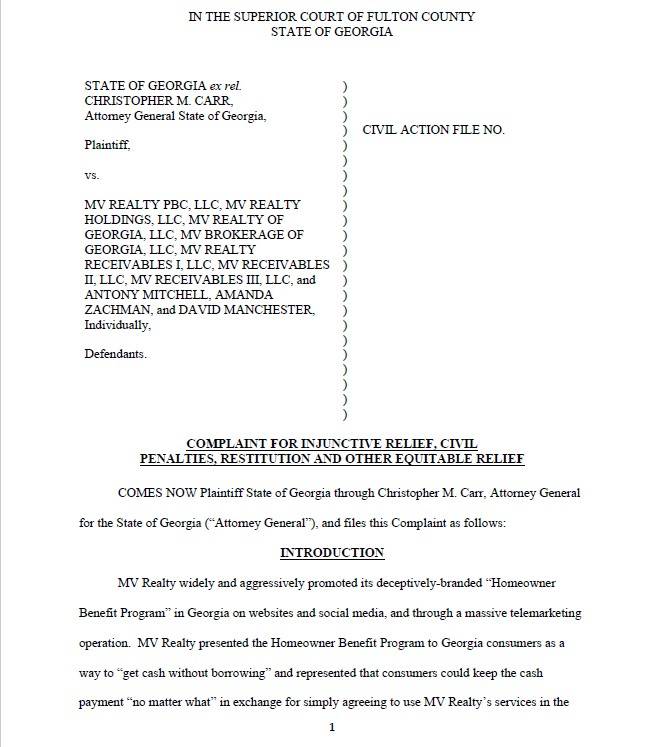
    And now, a partial answer to the OP's question:

    .

    • Don KonipolBusiness Member
      Investor · The Woodlands TX / Avon, CT · Member since 2009 · 6k+ posts · 10k+ votes
      5mo
      Quote from @Ken M.:
      Quote from @Sean Bramble: 

      @Andrew Caranto:


      Heard about this on Pace Morby's Youtube channel - it's a zero down creative strategy that works when 1) the seller is open to seller finance, but 2) needs a sizeable DP for various reasons (i.e., pay off their existing loan, closing costs, and/ or put some cash in their pocket, etc)

      There are 2 "legs" of the transaction. My understanding is it works like this:

      Example: purchase price = $1M, seller still owes $200K, seller also needs addl $150K cash at close for whatever reason. But the buyer wants the property at zero down.

      First leg:

      -- Buyer secures a loan (1st position) for $350K and sends to title company (this is the amount needed to pay off sellers loan + their required cash at close)

      -- Buyer also sends $650K cash to the title company (can put in your own cash, or do a temp loan from a transactional lender)

      -- First leg of txn is now complete, and the $1M stays at the title company (this is bc you customized escrow instructions upfront to instruct them how to disperse money before escrow began)

      Second leg:

      -- Buyer and Seller enter into an agreement through an LLC which allows them both to be on title, and seller agrees to seller finance the buyer $650K of the purchase price (on whatever terms they agreed on). Being on title protects the seller from the buyer defaulting - it seems this is an alternative to "officially" putting them in a 2nd position)

      -- Title company sends seller the $350K they require

      -- Title company sends buyer back $650K (which they can use to pay off their transactional lender if they used one)

      So now the seller is happy bc they got the $350K they needed, the buyer is happy bc they acquired a property for zero dollars out-of-pocket, and from what I understand the 1st position lender is happy bc due the LLC arrangement the seller finance component is not technically considered a second lien on the property. Plus all parties were protected throughout the entire transaction through the title company.

      Have any of you completed a deal w/ this method? Am I understanding this right? I would love to hear your thoughts on the pros/ cons/ risks involved
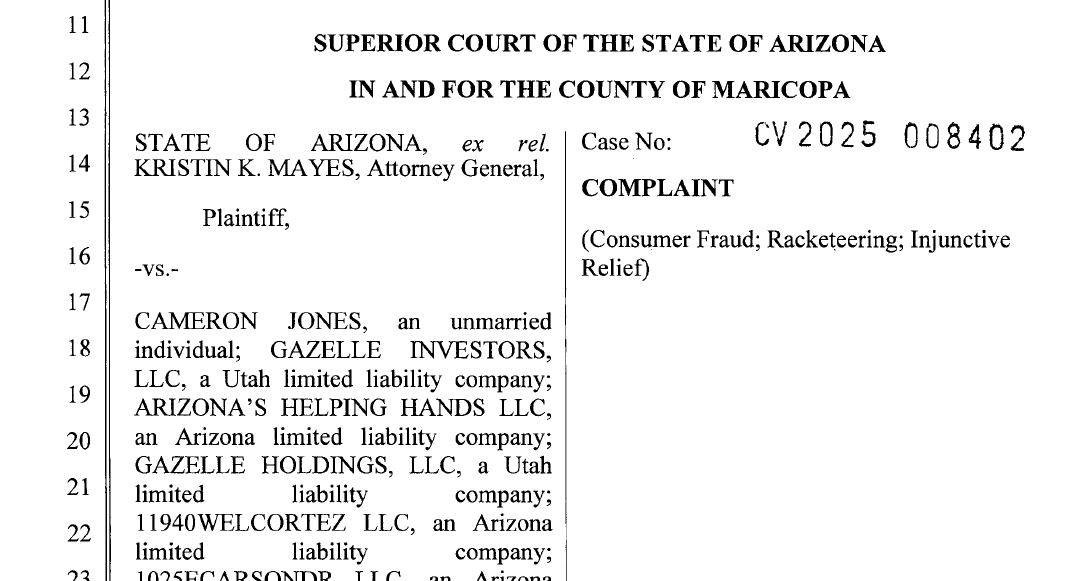
      And now, a partial answer to the OP's question:

      .

      Anytime you do a transaction with a HOMEOWNER and the deal goes south - especially if you rack up a number of “complaints”, the government authorities will attempt to find a way your actions “fit” into a law violation.  Do the same thing on a commercial property with an investor, business owner on the other side of the transaction and you have a much stronger argument for a “free market” transaction, as long as fraud was not committed. 

      At a minimum, in dealing with a homeowner (and probably a good idea dealing with anybody)

      1. Make sure there is truly FULL DISCLOSURE - especially of any repercussions/downside
      2. Put in place every safeguard possible - prepared by a real estate attorney experienced in just this sort of thing. 
      3. Make sure other party is advised in writing to seek legal counsel
      4. Have sufficient resources available to “rescue” the deal should it not pan out as anticipated
      5. Only do deals that are sustainable in all economic environments 

      Here are the top 5 signs that the deal may not work out as you anticipated 

      5. Your confidence is high because you think you’re a member of a “tribe” or other such nonsense.
      4. You have no other knowledge or experience in real estate other than what you were taught by a guru you found on YOUTUBE.
      3. Instead of a state specific contract produced for the specific transaction by a knowledgable real estate attorney you ask BP posters for a copy of the contract they used 
      2.  You know the deal wouldn’t close if you provided full disclosure 
      1. You need to borrow $500 earnest money
       
      Private Mortgage Financing Partners, LLC
    • Investor · Get yourself trained before doing something inadvisable. · Member since 2024 · 3k+ posts · 1k+ votes
      5mo
      Quote from @Don Konipol:
      Quote from @Ken M.:
      Quote from @Sean Bramble: 

      @Andrew Caranto:


      Heard about this on Pace Morby's Youtube channel - it's a zero down creative strategy that works when 1) the seller is open to seller finance, but 2) needs a sizeable DP for various reasons (i.e., pay off their existing loan, closing costs, and/ or put some cash in their pocket, etc)

      There are 2 "legs" of the transaction. My understanding is it works like this:

      Example: purchase price = $1M, seller still owes $200K, seller also needs addl $150K cash at close for whatever reason. But the buyer wants the property at zero down.

      First leg:

      -- Buyer secures a loan (1st position) for $350K and sends to title company (this is the amount needed to pay off sellers loan + their required cash at close)

      -- Buyer also sends $650K cash to the title company (can put in your own cash, or do a temp loan from a transactional lender)

      -- First leg of txn is now complete, and the $1M stays at the title company (this is bc you customized escrow instructions upfront to instruct them how to disperse money before escrow began)

      Second leg:

      -- Buyer and Seller enter into an agreement through an LLC which allows them both to be on title, and seller agrees to seller finance the buyer $650K of the purchase price (on whatever terms they agreed on). Being on title protects the seller from the buyer defaulting - it seems this is an alternative to "officially" putting them in a 2nd position)

      -- Title company sends seller the $350K they require

      -- Title company sends buyer back $650K (which they can use to pay off their transactional lender if they used one)

      So now the seller is happy bc they got the $350K they needed, the buyer is happy bc they acquired a property for zero dollars out-of-pocket, and from what I understand the 1st position lender is happy bc due the LLC arrangement the seller finance component is not technically considered a second lien on the property. Plus all parties were protected throughout the entire transaction through the title company.

      Have any of you completed a deal w/ this method? Am I understanding this right? I would love to hear your thoughts on the pros/ cons/ risks involved

      And now, a partial answer to the OP's question:

      .

      Anytime you do a transaction with a HOMEOWNER and the deal goes south - especially if you rack up a number of “complaints”, the government authorities will attempt to find a way your actions “fit” into a law violation.  Do the same thing on a commercial property with an investor, business owner on the other side of the transaction and you have a much stronger argument for a “free market” transaction, as long as fraud was not committed. 

      At a minimum, in dealing with a homeowner (and probably a good idea dealing with anybody)

      1. Make sure there is truly FULL DISCLOSURE - especially of any repercussions/downside
      2. Put in place every safeguard possible - prepared by a real estate attorney experienced in just this sort of thing. 
      3. Make sure other party is advised in writing to seek legal counsel
      4. Have sufficient resources available to “rescue” the deal should it not pan out as anticipated
      5. Only do deals that are sustainable in all economic environments 

      Here are the top 5 signs that the deal may not work out as you anticipated 

      5. Your confidence is high because you think you’re a member of a “tribe” or other such nonsense.
      4. You have no other knowledge or experience in real estate other than what you were taught by a guru you found on YOUTUBE.
      3. Instead of a state specific contract produced for the specific transaction by a knowledgable real estate attorney you ask BP posters for a copy of the contract they used 
      2.  You know the deal wouldn’t close if you provided full disclosure 
      1. You need to borrow $500 earnest money
       

      .
      You are exactly right that there is a major difference between doing SubTo with a business vs doing SubTo with a homeowner.

      There is an even bigger difference doing a Subto with a "protected class" homeowner and a middle class, "normal" homeowner. And the laws that affect the transaction with a "protected class" are broader and more stringent. 

      I think your number 5 of the second list "1. You need to borrow $500 earnest money."

      is the reality for most of these transactions. From the various things I've understood Mr. Morby to say, such as "not to worry about" because there are "gator" lenders you can get the money from. (He doesn't mention that the gator lenders expect to be paid back.)

      The other thing to not worry about he says, is getting the Due on Sale called An actual DOS says

      "18. Transfer of the Property or a Beneficial Interest in Borrower. As used in this Section 18, "Interest in the Property" means any legal or beneficial interest in the Property, including, but not limited to, those beneficial interests transferred in a bond for deed, contract for deed, installment sales contract or escrow agreement, the intent of which is the transfer of title by Borrower at a future date to purchaser."

      because apparently he knows the banks don't want the properties (I'm not sure what the insurers of the loans (US Govt for one)) would respond to that. 

      and no, using a trust to disguise ownership to pull it off doesn't work. And no, deeding it back to the original owner doesn't work either.

      On multiple occasions he has stated that the attorney general of the state of California has approved his actions. Well, we know the AG of any state is not going to say that. And I wouldn't be picking on any AG, especially California saying you are endorsed by him.

      I don't know if we should be calling him Pace Morby Madoff, we'll let let the AG's decide that one.

Join the conversationCreate a free account to reply, vote on answers and follow this thread.