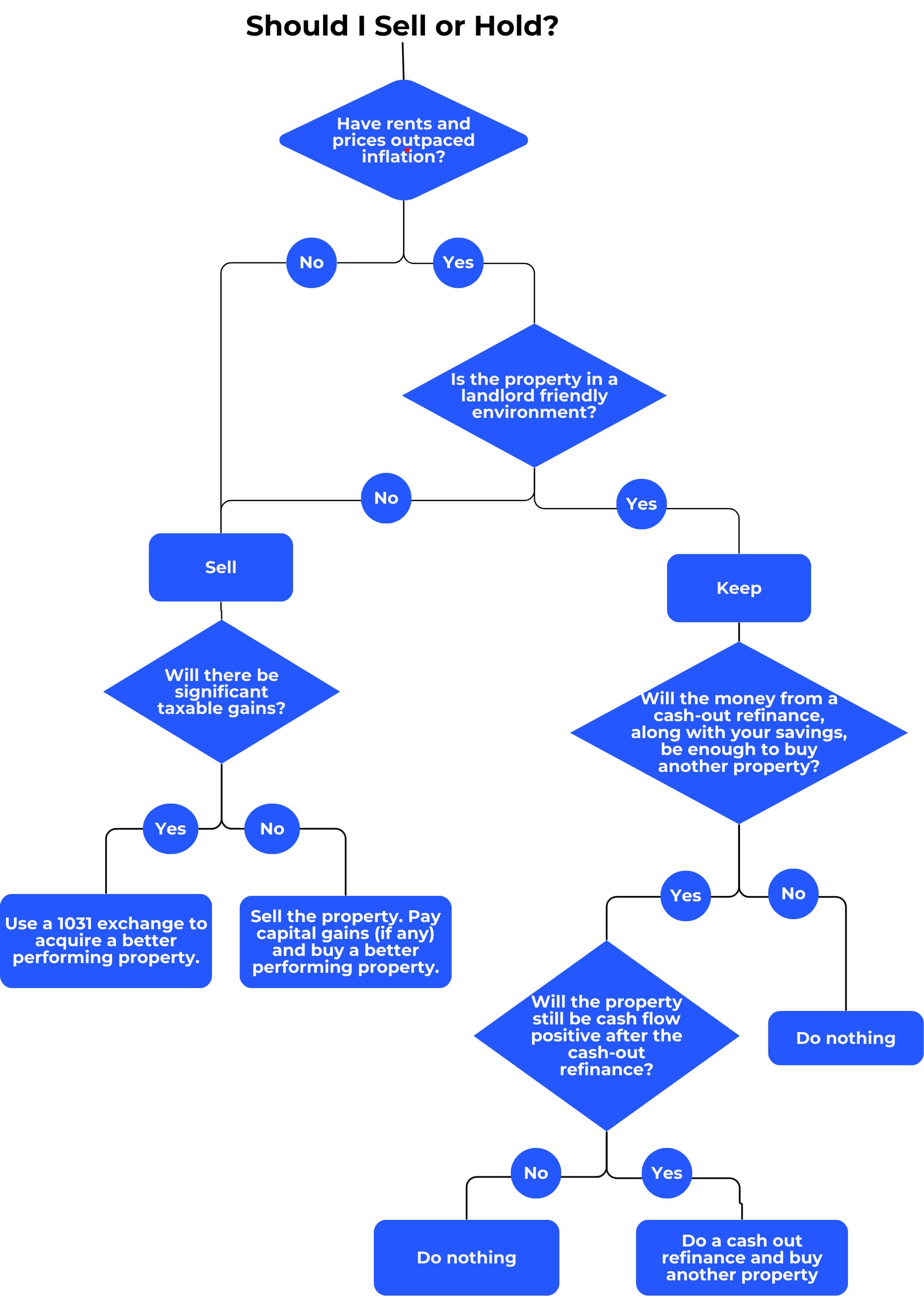
Is a 1031 Exchange Right for You? Helpful Tips
Taxes can be a real bummer when selling an investment property. But what if you could keep your profits working for you—without giving the IRS a considerable chunk upfront? Enter the 1031 Exchange, a powerful tax-deferral strategy savvy real estate investors use to grow their wealth faster. This post discusses achieving deferred taxes for Real Estate Investors using a 1031 Exchange.
Whether you’re expanding your portfolio, or simply looking for ways to improve cash flow, understanding 1031 Exchanges is a game-changer. Here’s everything you need to know about unlocking the full potential of this epic tax strategy.
What is a 1031 Exchange?
Named after Section 1031 of the Internal Revenue Code, a 1031 Exchange allows you to defer paying capital gains taxes when you sell an investment property as long as you reinvest the proceeds into another “like-kind” property. This tax break isn’t just a one-time deal—you can keep using it, growing your real estate portfolio without the drag of capital gains taxes.
Imagine upgrading from a small rental property to a large commercial space or swapping an underperforming asset for a high-yield investment—all while deferring taxes. That’s the power of the 1031 Exchange!
How Does a 1031 Exchange Work?
A 1031 Exchange isn’t just about selling one property and buying another. It’s a structured process with clear rules and timelines that must be followed to qualify for tax deferral:
- Sell Your Investment Property: When you sell your property, the sale proceeds must be held by a Qualified Intermediary (QI)—an independent third party that ensures the exchange meets IRS requirements.
- Identify Replacement Property: Within 45 days of the sale, you must identify up to three potential replacement properties. These properties must be “like-kind,” but the definition is broad and flexible.
- Close on the Replacement Property: You have 180 days from the sale date to close on one of the identified properties using the funds held by the Qualified Intermediary.
Pro Tip: Timing is everything! Missing these deadlines could disqualify the exchange and trigger immediate capital gains taxes.
Top Benefits of 1031 Exchange for Real Estate Investors
1. Defer Capital Gains Taxes
This is the most obvious benefit. By deferring capital gains taxes, you can reinvest the full amount of your sale proceeds, allowing you to upgrade to bigger and better properties without the tax drag.
2. Leverage for Faster Wealth Growth
By deferring taxes, you retain more capital to reinvest, accelerating your ability to build wealth. Imagine rolling over profits from property to property, growing your portfolio exponentially without paying taxes on each transaction.
3. Diversification of Your Portfolio
You’re not stuck with the same type of property. A 1031 Exchange allows you to swap into different property types, such as moving from residential rentals to commercial properties or even land. It’s a great way to diversify your portfolio and minimize risk.
4. Improve Cash Flow and Increase ROI
Moving out of low-performing properties and into high-yield opportunities can significantly boost your cash flow. This strategy allows you to optimize your portfolio and focus on properties that align with your financial goals.
5. Step-Up in Basis for Heirs
When you pass properties through inheritance, the heirs receive a step-up in basis, which can effectively eliminate capital gains taxes altogether. A 1031 Exchange can preserve wealth across generations.
Common Pitfalls to Avoid in a 1031 Exchange
While the benefits are substantial, there are critical rules and deadlines you must follow:
- Failing to Use a Qualified Intermediary (QI): The IRS requires that proceeds be held by a QI. Accessing the funds directly will disqualify your exchange.
- Missing Identification and Closing Deadlines: The 45-day identification period and 180-day closing period are non-negotiable. Planning ahead is essential.
- Improper Use of Funds: All proceeds must be reinvested into the replacement property. Any cash left over or taken out is subject to capital gains taxes.
Is a 1031 Exchange Right for You?
1031 Exchanges are incredibly powerful, but they’re not a one-size-fits-all solution. They work best when you have a clear strategy for growing and managing your portfolio, and when you’re committed to reinvesting in like-kind properties. Here are a few scenarios where a 1031 Exchange can be particularly beneficial:
- You Own High-Value Property and Want to Scale Up: Swapping a smaller asset for a larger, more profitable one is an excellent way to grow without triggering taxes.
- You Want to Diversify Your Investments: Whether it’s shifting from residential to commercial or vice versa, a 1031 allows you to explore new opportunities.
- You’re Focused on Long-Term Wealth Growth: Continually deferring taxes keeps more money working for you, creating a snowball effect of wealth accumulation.