Really long distance investing (International)
Lender · Littleton, CO · Member since 2021 · 23 posts · 18 votes
Hey everyone,
Im curious if anyone has really long distance investing (international)?
My wife and I are starting to delve into the rental market in Italy and we were looking to see if anyone else has experience investing in Italy.
Background: We travelled to Italy a year ago and fell in love and recently found out that my brother-in-law is going to be stationed in Italy. We would love to purchase a place near his base for him to live in while he's stationed in Italy, but we don't know anything about the rental market after he gets stationed elsewhere. Any tips would be greatly appreciated!
Hope this thread isn't completely dead, but I wanted to weigh in my views for investing in Italy.
I've been living here for almost 2 years now, and have been spending time trying to understand the market more. I will preface by saying that I haven't invested here, but I have spoken to other investors who are here. Additionally, I am in the South of Italy, so my perspective will be of that of someone who has studied the people here. (My profile photo is actually me on a boat going across the Adriatic Sea from Brindisi, Italy to Greece) The north and south seem to be different in their views of business, as the south are more relaxed and the north, so I've been told, are more capitalistic. This is only a guess, take it with a gain of salt. I am 'boots on the ground' in case anyone wants to use us to make calls or inquire more information. That said, here is what I've learned.
1. Employment Rate: Italy has historically had one of the lowest employment rates in Europe. In 2024, approximately 62% of Italians aged 15 and above were employed, compared to the European Union average of 71%. This figure represents the highest employment rate ever recorded in Italy, indicating a positive trend despite remaining below the EU average. https://www.statista.com/topics/12899/employment-in-italy/
2. Population Growth Rate: Italy's population has been experiencing a gradual decline. In 2025, the population is estimated at 58,518,843, marking a 0.3% decrease from 2024. This downward trend has been consistent over the past decade, with annual declines ranging from 0.15% to 0.44%. https://www.macrotrends.net/global-metrics/countries/ITA/ita...
3. Birth Rate: The birth rate in Italy has been steadily decreasing. In 2025, it is projected at 7.016 births per 1,000 people, a slight decline from 7.026 in 2024. Over the past decade, the birth rate has dropped from 8.354 in 2015 to 7.016 in 2025, reflecting a continuous decline. https://www.macrotrends.net/global-metrics/countries/ITA/ita...
4. Death Rate: The death rate has been gradually increasing. In 2025, it is projected at 11.119 deaths per 1,000 people, up from 11.026 in 2024. Over the past decade, the death rate has risen from 10.192 in 2014 to 11.119 in 2025. https://www.macrotrends.net/global-metrics/countries/ITA/ita...
Italy is in a unique position, where all the youth are either leaving for college, or once they get their degree, they leave Italy to go take jobs in other EU countries. Because they're EU citizens, they can live and work anywhere in the EU. The majority of people that are still in Italy, are the older population who are mostly on pension. I'm unsure if it's the entire EU, but forsure in Italy, they receive a pension at a certain age. This, and the work ethic here are completely different than a capitalistic country like the United States. With the given of pension so long as you work, most of the working class do not aspire or create businesses here. Additionally, the cost to create a business here is not as inexpensive as the United States, in some cases it can cost thousands of dollars to setup. While that is not a big hurdle, it should at least start to give you an understanding of the mentality the Italian government have towards business owners. Corporate Income Tax are 24%, however banks and insurances companies are higher with an additional 3.5%
Mortgage in Italy
It's also important to note that there are no Mortgage companies here, everything is done with 1 of the very few banks here. They hold all the cards. When I asked for a loan, they asked if my business received money in Euros. I told them no, they said the best they can do for a mortgage was for me to pay 50% down. That being said the, interest rate was very low. 1%-2%.
Appreciation Value
Over the entire country, the appreciation value of homes only increases 1%-2%. Look above and see the population to learn why.
1 Euro Houses
There are certain towns in Italy where the population growth had dropped dramatically, that some towns have been completely abandon. All the youth have left, maybe the elders are still there or they are deceased and the children don't want the property. Internet capabilities are low, and no one wants to live there. The houses are sold very cheap, however to fix them up, you are usually investing about $30k-$100k to make them livable. As an American, we love our amenities. So I'm sad to say, that because of the local italian government, any reconstruction of these types of buildings, must follow the guidelines of what is allowed and not allowed. You can rent these units out, but there aren't many people who want to rent and live in it. You could set it up as an Airbnb, but that brings me to the next section.
Airbnb & STR Value
Almost all of the major cites, especially Florence, have created bans on new Airbnbin their cities. For the case of Florence, there are college students there who are having a hard time finding housing due to all the units becoming Airbnbs. The government has now started creating laws to stop the growth of Airbnb. It's also important to note that because much of the Italian citizens that are there and can vote are in the older demographic, much of the laws and policies are to keep them happy, which means less development and growth. It also keeps to a nationalistic conservative agenda, and without capitalism, it is just cuts to programs, and no investment into other areas.
I have stayed at Airbnb's in Rome and Naples, and there are Airbnbs of course, but you really need to speak and learn the system. The one in Naples took a 4 bedroom, and divided it up to 4 Airbnb units.
Expat network
Most of the expats I've met here in the south are retired and want to just relax. Many from non-EU countries, and because of Brexit, some brits here that don't want to leave.
Military Housing
One opportunity I did hear about, is military housing. Apparently the US government will pay for the rent of enlisted men if the property is close to a military base. I think this actually happens all over the world, but some landlords will increase their rent to the amount that the US government is willing to spend on rent in that location. So while the rent prices on an island like Sardinia is low, the landlords will increase the prices for the military members because it comes out the US pocketbook.
Rehabs
There are no Home Depots, Walmarts, Costco's. This is on hard mode. What the local shop has, is what you get, unless you want to travel farther to see what else others have. Calling on the phone is usually useless as they'll tell you to come in. Even if you're hours away. And if you need to import something into Italy, add 20% to the cost of whatever it is you want in, due to the VAT tax. (This includes Amazon)
Equity Loan
The last opportunity I've thought about recently, is taking the equity out of the house here in Italy, and investing it into a property in the US where appreciation is higher. Since loans here can be as low as 1% interest, and the LTV is up to 50% a property, I think you can take the equity out, get a small loan here, and put the money into an investment property in the US. The money generated could pay for both loans, and even cash flow.
Italian Buraccuracy
I thought the United States is slow and has poor processes set, but here is absolutely worse. Imagine you aren't able to make a phone call to get information and you need to physically go to where the person is to speak with them. This is how much of the businesses are here, not even talking about the Italian government. The laws shift and change frequently, and no one really seems to understand the process, and if they do, they are never incentivized to actually help you. As I stated above, maybe it is because I'm in the south, but if you attempt to speak with people, conducting due diligence, they become offended you would question anything they provide.
Outside of Real Estate
Many of the business here in the south don't use digital marketing, ads, etc. So anyone who advertises or uses ANY marketing technique, can really advance businesses here.
When it makes sense to invest in Real Estate in Italy
If you are looking for appreciation growth, or increased rental rates, I don't think Italy will be a good investment unless you are getting some of the best areas. I have seen appreciation in Milan as a market. Rome is probably good too, any major city will be much better than the rest of Italy. When you get to rural areas, even in Tuscany, you need to more risk-adverse as the property value might not increase, unless you have another operating business on it like a boutique hotel or vineyard, that you can blast social media influencers to get more people to come. If you don't have a content deliver network to show why people should come to your rural region, you might have a much more difficult time. If you're investing in major cities, you'll have an easier time with occupancy rates for STR for Airbnb, but will have be very cautious about the changing laws. I'd recommend either being in Italy for some time out the year, every year you have property here, or have someone physically here (like me!) who can monitor your investment closely.
I hope this provides some perspective on the situation here in Italy! I'm happy to answer any additional questions as best as I can.
Haven't done it yet, but it's next on my list. Which part of Italy?
Haven't done it yet, but it's next on my list. Which part of Italy?
The place he will be stationed is north of Venice.
A good friend of mine vacations in that area a lot, but I've never been there. PM me if you want to jump on a call. I have done a good amount of research on investing in the Country, if I can be of any help.
With the exception of a few cities and areas, Italy is one of the rare places where tan estate prices have been going down over the last 15 - 20 years. The only investments I’d do there is in short-term rentals in either Rome, Venice or Florence. I wouldn’t touch long-term rentals as the laws are extremely in favor of renters. Taxes are very high and everything is super slow and bureaucratic.
With the exception of a few cities and areas, Italy is one of the rare places where tan estate prices have been going down over the last 15 - 20 years. The only investments I’d do there is in short-term rentals in either Rome, Venice or Florence. I wouldn’t touch long-term rentals as the laws are extremely in favor of renters. Taxes are very high and everything is super slow and bureaucratic.
I'm an Italian investor, and I will say that long term rental is a very risky option. I do have a long-term rental in my portfolio, but it is in the town where my husband was born - so we knew the tenants beforehand and keep a close eye on the situation. To be honest, we are good to them and they are good to us. They've become a sort of extended family.
Otherwise, I had done wholesale acquisitions and a live-in flip.
I have a YouTube channel with a few videos that discuss house hunting, nuances of buying real estate in Italy and show some of our renovation process.
I'm an Italian investor, and I will say that long term rental is a very risky option. I do have a long-term rental in my portfolio, but it is in the town where my husband was born - so we knew the tenants beforehand and keep a close eye on the situation. To be honest, we are good to them and they are good to us. They've become a sort of extended family.
Otherwise, I had done wholesale acquisitions and a live-in flip.
I have a YouTube channel with a few videos that discuss house hunting, nuances of buying real estate in Italy and show some of our renovation process. Here's a link to my channel if you're interested: https://www.youtube.com/c/them...
Hey everyone,
Im curious if anyone has really long distance investing (international)?
My wife and I are starting to delve into the rental market in Italy and we were looking to see if anyone else has experience investing in Italy.
Background: We travelled to Italy a year ago and fell in love and recently found out that my brother-in-law is going to be stationed in Italy. We would love to purchase a place near his base for him to live in while he's stationed in Italy, but we don't know anything about the rental market after he gets stationed elsewhere. Any tips would be greatly appreciated!
Not easy, we are trying to raise a BILLION, yes a billion, to build, " Miami Beach " in Tormina. I have a team there and its still not easy. Doing small projects not sure. Why would you want to? You can get 10% or better net caps in the US, all 100% hands off.
Hey everyone,
Im curious if anyone has really long distance investing (international)?
My wife and I are starting to delve into the rental market in Italy and we were looking to see if anyone else has experience investing in Italy.
Background: We travelled to Italy a year ago and fell in love and recently found out that my brother-in-law is going to be stationed in Italy. We would love to purchase a place near his base for him to live in while he's stationed in Italy, but we don't know anything about the rental market after he gets stationed elsewhere. Any tips would be greatly appreciated!
Not easy, we are trying to raise a BILLION, yes a billion, to build, " Miami Beach " in Tormina. I have a team there and its still not easy. Doing small projects not sure. Why would you want to? You can get 10% or better net caps in the US, all 100% hands off.
I've been dipping my toes into the whole "buy a house for $1" thing that Italy is doing. I have a contact at a military contractor that has employees transfer in for a 3-5 year gig. They are not allowed to buy a home due to tax and immigration reasons, so the company gives them a set amount for rent each month along with paying for other expenses.
We are looking at purchasing a few homes this way and renting them back to that companies employees, and keeping one or two for airbnbs. Each area has its own rules on how it works, but basically, you buy the house, pay a deposit and agree to rehab the house within a certain amount of time. Some of the logistics are fuzzy as we would have to travel there regulary, get to have a great understanding of the cultural differences, build a 'team' of people as there are no Home Depots on every corner, but for about $50k US, you can own a pretty cool place in Italy.
Best of luck to you!
Hey everyone,
Im curious if anyone has really long distance investing (international)?
My wife and I are starting to delve into the rental market in Italy and we were looking to see if anyone else has experience investing in Italy.
Background: We travelled to Italy a year ago and fell in love and recently found out that my brother-in-law is going to be stationed in Italy. We would love to purchase a place near his base for him to live in while he's stationed in Italy, but we don't know anything about the rental market after he gets stationed elsewhere. Any tips would be greatly appreciated!
Not easy, we are trying to raise a BILLION, yes a billion, to build, " Miami Beach " in Tormina. I have a team there and its still not easy. Doing small projects not sure. Why would you want to? You can get 10% or better net caps in the US, all 100% hands off.
Got it sorry I know nothing about the Italian RE market except it is very inexpensive to live there.
All the best
I've been dipping my toes into the whole "buy a house for $1" thing that Italy is doing. I have a contact at a military contractor that has employees transfer in for a 3-5 year gig. They are not allowed to buy a home due to tax and immigration reasons, so the company gives them a set amount for rent each month along with paying for other expenses.
We are looking at purchasing a few homes this way and renting them back to that companies employees, and keeping one or two for airbnbs. Each area has its own rules on how it works, but basically, you buy the house, pay a deposit and agree to rehab the house within a certain amount of time. Some of the logistics are fuzzy as we would have to travel there regulary, get to have a great understanding of the cultural differences, build a 'team' of people as there are no Home Depots on every corner, but for about $50k US, you can own a pretty cool place in Italy.
Best of luck to you!
Hope this thread isn't completely dead, but I wanted to weigh in my views for investing in Italy.
I've been living here for almost 2 years now, and have been spending time trying to understand the market more. I will preface by saying that I haven't invested here, but I have spoken to other investors who are here. Additionally, I am in the South of Italy, so my perspective will be of that of someone who has studied the people here. (My profile photo is actually me on a boat going across the Adriatic Sea from Brindisi, Italy to Greece) The north and south seem to be different in their views of business, as the south are more relaxed and the north, so I've been told, are more capitalistic. This is only a guess, take it with a gain of salt. I am 'boots on the ground' in case anyone wants to use us to make calls or inquire more information. That said, here is what I've learned.
1. Employment Rate: Italy has historically had one of the lowest employment rates in Europe. In 2024, approximately 62% of Italians aged 15 and above were employed, compared to the European Union average of 71%. This figure represents the highest employment rate ever recorded in Italy, indicating a positive trend despite remaining below the EU average. https://www.statista.com/topics/12899/employment-in-italy/
2. Population Growth Rate: Italy's population has been experiencing a gradual decline. In 2025, the population is estimated at 58,518,843, marking a 0.3% decrease from 2024. This downward trend has been consistent over the past decade, with annual declines ranging from 0.15% to 0.44%. https://www.macrotrends.net/global-metrics/countries/ITA/ita...
3. Birth Rate: The birth rate in Italy has been steadily decreasing. In 2025, it is projected at 7.016 births per 1,000 people, a slight decline from 7.026 in 2024. Over the past decade, the birth rate has dropped from 8.354 in 2015 to 7.016 in 2025, reflecting a continuous decline. https://www.macrotrends.net/global-metrics/countries/ITA/ita...
4. Death Rate: The death rate has been gradually increasing. In 2025, it is projected at 11.119 deaths per 1,000 people, up from 11.026 in 2024. Over the past decade, the death rate has risen from 10.192 in 2014 to 11.119 in 2025. https://www.macrotrends.net/global-metrics/countries/ITA/ita...
Italy is in a unique position, where all the youth are either leaving for college, or once they get their degree, they leave Italy to go take jobs in other EU countries. Because they're EU citizens, they can live and work anywhere in the EU. The majority of people that are still in Italy, are the older population who are mostly on pension. I'm unsure if it's the entire EU, but forsure in Italy, they receive a pension at a certain age. This, and the work ethic here are completely different than a capitalistic country like the United States. With the given of pension so long as you work, most of the working class do not aspire or create businesses here. Additionally, the cost to create a business here is not as inexpensive as the United States, in some cases it can cost thousands of dollars to setup. While that is not a big hurdle, it should at least start to give you an understanding of the mentality the Italian government have towards business owners. Corporate Income Tax are 24%, however banks and insurances companies are higher with an additional 3.5%
Mortgage in Italy
It's also important to note that there are no Mortgage companies here, everything is done with 1 of the very few banks here. They hold all the cards. When I asked for a loan, they asked if my business received money in Euros. I told them no, they said the best they can do for a mortgage was for me to pay 50% down. That being said the, interest rate was very low. 1%-2%.
Appreciation Value
Over the entire country, the appreciation value of homes only increases 1%-2%. Look above and see the population to learn why.
1 Euro Houses
There are certain towns in Italy where the population growth had dropped dramatically, that some towns have been completely abandon. All the youth have left, maybe the elders are still there or they are deceased and the children don't want the property. Internet capabilities are low, and no one wants to live there. The houses are sold very cheap, however to fix them up, you are usually investing about $30k-$100k to make them livable. As an American, we love our amenities. So I'm sad to say, that because of the local italian government, any reconstruction of these types of buildings, must follow the guidelines of what is allowed and not allowed. You can rent these units out, but there aren't many people who want to rent and live in it. You could set it up as an Airbnb, but that brings me to the next section.
Airbnb & STR Value
Almost all of the major cites, especially Florence, have created bans on new Airbnbin their cities. For the case of Florence, there are college students there who are having a hard time finding housing due to all the units becoming Airbnbs. The government has now started creating laws to stop the growth of Airbnb. It's also important to note that because much of the Italian citizens that are there and can vote are in the older demographic, much of the laws and policies are to keep them happy, which means less development and growth. It also keeps to a nationalistic conservative agenda, and without capitalism, it is just cuts to programs, and no investment into other areas.
I have stayed at Airbnb's in Rome and Naples, and there are Airbnbs of course, but you really need to speak and learn the system. The one in Naples took a 4 bedroom, and divided it up to 4 Airbnb units.
Expat network
Most of the expats I've met here in the south are retired and want to just relax. Many from non-EU countries, and because of Brexit, some brits here that don't want to leave.
Military Housing
One opportunity I did hear about, is military housing. Apparently the US government will pay for the rent of enlisted men if the property is close to a military base. I think this actually happens all over the world, but some landlords will increase their rent to the amount that the US government is willing to spend on rent in that location. So while the rent prices on an island like Sardinia is low, the landlords will increase the prices for the military members because it comes out the US pocketbook.
Rehabs
There are no Home Depots, Walmarts, Costco's. This is on hard mode. What the local shop has, is what you get, unless you want to travel farther to see what else others have. Calling on the phone is usually useless as they'll tell you to come in. Even if you're hours away. And if you need to import something into Italy, add 20% to the cost of whatever it is you want in, due to the VAT tax. (This includes Amazon)
Equity Loan
The last opportunity I've thought about recently, is taking the equity out of the house here in Italy, and investing it into a property in the US where appreciation is higher. Since loans here can be as low as 1% interest, and the LTV is up to 50% a property, I think you can take the equity out, get a small loan here, and put the money into an investment property in the US. The money generated could pay for both loans, and even cash flow.
Italian Buraccuracy
I thought the United States is slow and has poor processes set, but here is absolutely worse. Imagine you aren't able to make a phone call to get information and you need to physically go to where the person is to speak with them. This is how much of the businesses are here, not even talking about the Italian government. The laws shift and change frequently, and no one really seems to understand the process, and if they do, they are never incentivized to actually help you. As I stated above, maybe it is because I'm in the south, but if you attempt to speak with people, conducting due diligence, they become offended you would question anything they provide.
Outside of Real Estate
Many of the business here in the south don't use digital marketing, ads, etc. So anyone who advertises or uses ANY marketing technique, can really advance businesses here.
When it makes sense to invest in Real Estate in Italy
If you are looking for appreciation growth, or increased rental rates, I don't think Italy will be a good investment unless you are getting some of the best areas. I have seen appreciation in Milan as a market. Rome is probably good too, any major city will be much better than the rest of Italy. When you get to rural areas, even in Tuscany, you need to more risk-adverse as the property value might not increase, unless you have another operating business on it like a boutique hotel or vineyard, that you can blast social media influencers to get more people to come. If you don't have a content deliver network to show why people should come to your rural region, you might have a much more difficult time. If you're investing in major cities, you'll have an easier time with occupancy rates for STR for Airbnb, but will have be very cautious about the changing laws. I'd recommend either being in Italy for some time out the year, every year you have property here, or have someone physically here (like me!) who can monitor your investment closely.
I hope this provides some perspective on the situation here in Italy! I'm happy to answer any additional questions as best as I can.
Hope this thread isn't completely dead, but I wanted to weigh in my views for investing in Italy.
I've been living here for almost 2 years now, and have been spending time trying to understand the market more. I will preface by saying that I haven't invested here, but I have spoken to other investors who are here. Additionally, I am in the South of Italy, so my perspective will be of that of someone who has studied the people here. (My profile photo is actually me on a boat going across the Adriatic Sea from Brindisi, Italy to Greece) The north and south seem to be different in their views of business, as the south are more relaxed and the north, so I've been told, are more capitalistic. This is only a guess, take it with a gain of salt. I am 'boots on the ground' in case anyone wants to use us to make calls or inquire more information. That said, here is what I've learned.
1. Employment Rate: Italy has historically had one of the lowest employment rates in Europe. In 2024, approximately 62% of Italians aged 15 and above were employed, compared to the European Union average of 71%. This figure represents the highest employment rate ever recorded in Italy, indicating a positive trend despite remaining below the EU average. https://www.statista.com/topics/12899/employment-in-italy/
2. Population Growth Rate: Italy's population has been experiencing a gradual decline. In 2025, the population is estimated at 58,518,843, marking a 0.3% decrease from 2024. This downward trend has been consistent over the past decade, with annual declines ranging from 0.15% to 0.44%. https://www.macrotrends.net/global-metrics/countries/ITA/ita...
3. Birth Rate: The birth rate in Italy has been steadily decreasing. In 2025, it is projected at 7.016 births per 1,000 people, a slight decline from 7.026 in 2024. Over the past decade, the birth rate has dropped from 8.354 in 2015 to 7.016 in 2025, reflecting a continuous decline. https://www.macrotrends.net/global-metrics/countries/ITA/ita...
4. Death Rate: The death rate has been gradually increasing. In 2025, it is projected at 11.119 deaths per 1,000 people, up from 11.026 in 2024. Over the past decade, the death rate has risen from 10.192 in 2014 to 11.119 in 2025. https://www.macrotrends.net/global-metrics/countries/ITA/ita...
Italy is in a unique position, where all the youth are either leaving for college, or once they get their degree, they leave Italy to go take jobs in other EU countries. Because they're EU citizens, they can live and work anywhere in the EU. The majority of people that are still in Italy, are the older population who are mostly on pension. I'm unsure if it's the entire EU, but forsure in Italy, they receive a pension at a certain age. This, and the work ethic here are completely different than a capitalistic country like the United States. With the given of pension so long as you work, most of the working class do not aspire or create businesses here. Additionally, the cost to create a business here is not as inexpensive as the United States, in some cases it can cost thousands of dollars to setup. While that is not a big hurdle, it should at least start to give you an understanding of the mentality the Italian government have towards business owners. Corporate Income Tax are 24%, however banks and insurances companies are higher with an additional 3.5%
Mortgage in Italy
It's also important to note that there are no Mortgage companies here, everything is done with 1 of the very few banks here. They hold all the cards. When I asked for a loan, they asked if my business received money in Euros. I told them no, they said the best they can do for a mortgage was for me to pay 50% down. That being said the, interest rate was very low. 1%-2%.
Appreciation Value
Over the entire country, the appreciation value of homes only increases 1%-2%. Look above and see the population to learn why.
1 Euro Houses
There are certain towns in Italy where the population growth had dropped dramatically, that some towns have been completely abandon. All the youth have left, maybe the elders are still there or they are deceased and the children don't want the property. Internet capabilities are low, and no one wants to live there. The houses are sold very cheap, however to fix them up, you are usually investing about $30k-$100k to make them livable. As an American, we love our amenities. So I'm sad to say, that because of the local italian government, any reconstruction of these types of buildings, must follow the guidelines of what is allowed and not allowed. You can rent these units out, but there aren't many people who want to rent and live in it. You could set it up as an Airbnb, but that brings me to the next section.
Airbnb & STR Value
Almost all of the major cites, especially Florence, have created bans on new Airbnbin their cities. For the case of Florence, there are college students there who are having a hard time finding housing due to all the units becoming Airbnbs. The government has now started creating laws to stop the growth of Airbnb. It's also important to note that because much of the Italian citizens that are there and can vote are in the older demographic, much of the laws and policies are to keep them happy, which means less development and growth. It also keeps to a nationalistic conservative agenda, and without capitalism, it is just cuts to programs, and no investment into other areas.
I have stayed at Airbnb's in Rome and Naples, and there are Airbnbs of course, but you really need to speak and learn the system. The one in Naples took a 4 bedroom, and divided it up to 4 Airbnb units.
Expat network
Most of the expats I've met here in the south are retired and want to just relax. Many from non-EU countries, and because of Brexit, some brits here that don't want to leave.
Military Housing
One opportunity I did hear about, is military housing. Apparently the US government will pay for the rent of enlisted men if the property is close to a military base. I think this actually happens all over the world, but some landlords will increase their rent to the amount that the US government is willing to spend on rent in that location. So while the rent prices on an island like Sardinia is low, the landlords will increase the prices for the military members because it comes out the US pocketbook.
Rehabs
There are no Home Depots, Walmarts, Costco's. This is on hard mode. What the local shop has, is what you get, unless you want to travel farther to see what else others have. Calling on the phone is usually useless as they'll tell you to come in. Even if you're hours away. And if you need to import something into Italy, add 20% to the cost of whatever it is you want in, due to the VAT tax. (This includes Amazon)
Equity Loan
The last opportunity I've thought about recently, is taking the equity out of the house here in Italy, and investing it into a property in the US where appreciation is higher. Since loans here can be as low as 1% interest, and the LTV is up to 50% a property, I think you can take the equity out, get a small loan here, and put the money into an investment property in the US. The money generated could pay for both loans, and even cash flow.
Italian Buraccuracy
I thought the United States is slow and has poor processes set, but here is absolutely worse. Imagine you aren't able to make a phone call to get information and you need to physically go to where the person is to speak with them. This is how much of the businesses are here, not even talking about the Italian government. The laws shift and change frequently, and no one really seems to understand the process, and if they do, they are never incentivized to actually help you. As I stated above, maybe it is because I'm in the south, but if you attempt to speak with people, conducting due diligence, they become offended you would question anything they provide.
Outside of Real Estate
Many of the business here in the south don't use digital marketing, ads, etc. So anyone who advertises or uses ANY marketing technique, can really advance businesses here.
When it makes sense to invest in Real Estate in Italy
If you are looking for appreciation growth, or increased rental rates, I don't think Italy will be a good investment unless you are getting some of the best areas. I have seen appreciation in Milan as a market. Rome is probably good too, any major city will be much better than the rest of Italy. When you get to rural areas, even in Tuscany, you need to more risk-adverse as the property value might not increase, unless you have another operating business on it like a boutique hotel or vineyard, that you can blast social media influencers to get more people to come. If you don't have a content deliver network to show why people should come to your rural region, you might have a much more difficult time. If you're investing in major cities, you'll have an easier time with occupancy rates for STR for Airbnb, but will have be very cautious about the changing laws. I'd recommend either being in Italy for some time out the year, every year you have property here, or have someone physically here (like me!) who can monitor your investment closely.
I hope this provides some perspective on the situation here in Italy! I'm happy to answer any additional questions as best as I can.
Hi Chris,
Thank you for your well thought out and thorough response! My wife and I did come the the same conclusion on most of those same factors when we were looking in the north by Venice and Aviano.
We were originally going to purchase the property and rent it out to her brother who is stationed in Aviano. Much like what you've pointed out, the homes we could afford to put 50% down on needed a ton of work, plus we needed to set up bank accounts and such in Italy.
This is something we're still looking into, but we decided that we will need to make it a vacation home/permeant residence for us and continue most of our investing in the US and other countries for the time being.
OP. If your brother is an E5 or higher he can live off base. He should start using his Base housing Allowance to invest and sell at each base he goes to.
Interest rates are around 3% today. Yes requires higher downpayment but can get down to 30%. The banks and the towns work together to set the rates.
Just got back from Malta and Italy for Xmas and new years. Our son is based in Sicily and my brother is near Livorno, Italy. My brother who is civil service and retired military. They bought a house. They will make money even if they sale for the same price. Since they get BAH tax free.
If doing bank financing the property has to be up to spec. They looked at over 50 houses before they found one they liked and didn’t require to many technical adjustments to meet bank specs. To many types of issues to describe with each house.
Taxes are a lot higher on rental homes. Certain areas are not allowing them.
Ask your brother what his BAH is for his rank and location. Adjust what he or you buy, and also the bank payments to meet his BAH. With the two year as primary gain exclusion he can make a lot of money.
He can in turn sale when he leaves or keep and rent out to another military person.
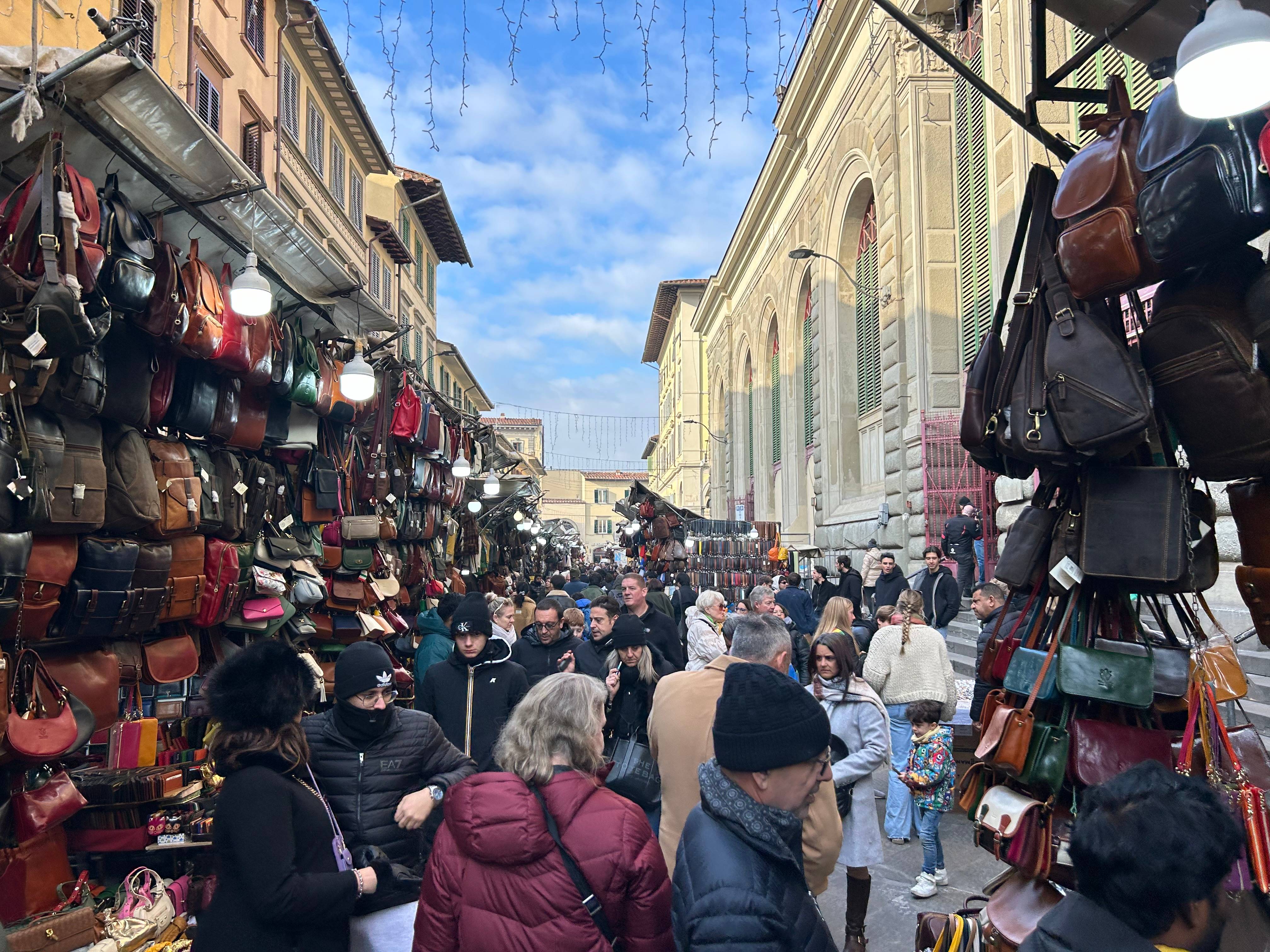


Great times in Malta and Italy.
I live near Nice France half the year. Europe is not a good market for investing. It’s too much to explain, just not worth it… Invest in America, vacation/live in Europe…
I live near Nice France half the year. Europe is not a good market for investing. It’s too much to explain, just not worth it… Invest in America, vacation/live in Europe…
While Europe might not have worked for some, it offers incredible opportunities depending on the market and strategy.
As someone living in Europe, specifically the Netherlands, I’ve found house flipping here to be a strong investment avenue, especially with the high demand for housing. Spain is also another promising market we’ve been exploring, particularly for its growing tourism and rental opportunities.
Currently, we’re also reaching out to US investors who might be interested in exploring these markets with us. The potential is definitely there for those who want to diversify and expand beyond the US market.
Would love to hear more about your experiences and why you feel Europe hasn’t worked for you. It’s always insightful to exchange views!
I live near Nice France half the year. Europe is not a good market for investing. It’s too much to explain, just not worth it… Invest in America, vacation/live in Europe…
While Europe might not have worked for some, it offers incredible opportunities depending on the market and strategy.
As someone living in Europe, specifically the Netherlands, I’ve found house flipping here to be a strong investment avenue, especially with the high demand for housing. Spain is also another promising market we’ve been exploring, particularly for its growing tourism and rental opportunities.
Currently, we’re also reaching out to US investors who might be interested in exploring these markets with us. The potential is definitely there for those who want to diversify and expand beyond the US market.
Would love to hear more about your experiences and why you feel Europe hasn’t worked for you. It’s always insightful to exchange views!
@Montse C. well put. Everyone has different reasons and criteria for investing. I've relocated to Spain and am very excited about rehab projects and a rental portfolio. There are some unique market opportunities to be tapped into. People need to remember that not everyone is filling in a spreadsheet with the most stringent numbers, there are lifestyle advantages to be considered as well.
OP it’s a good idea as long as you tie the investment to the military or civil service market. Higher rent, guaranteed rent payment, collections and damage you just call their commanding officer.
Give some examples of the Italy issues. Each country would be different. If you’re going to finance through a bank the property has to meet spec.
1. Property taxes need to be paid. They might not be paid simply because the Italian government hasn’t billed them. And they won’t do it quick just because you want to buy so you would need to close with some estimates on the sale bill. Lost time- you don’t find this out till your Geometra does his study.
2. The bottom floor is not tall enough. The current owner has to dig the floor out and replace the floor to meet spec. Lost time- you don’t find out till the Geometra does their study.
3. Brand new house. Lady from Russia just built. Built without any permits. Lost time- you don’t find out till Geometra study.
4. Same house above. It’s down a small road. The road has been there for a thousand years. But the road crosses 3 other properties for which there is no legal access. Different than the U.S. Lost time- geometra study.
5. Doesn’t meet Green standards. Needs to be brought up to spec by seller before bank will finance. Lost time- geometra study.
By now you might be asking why doesn’t the realtor or geometra tell you up front what is out of spec for bank financing? They just won’t. My brother had to look at over 50 houses. Italians like to avoid taxes thus they don’t necessarily go through the permit process. Plus they normally pay in cash to avoid the above issues. Different RE world.
Your brother might only be there 2 years. It might take you a year just to find a property. If you do say South Korea it’s a fast process because the above type issues are already taken care of.
6. Second home or Airbnb gets taxed higher.
7. Interest rates are lower, say 3% but downpayment may be 50%.
Belize- we built and own property there. No capital gain tax, small property tax- USD $50 per year on a $500k home, very low personal income tax- say zero. They make their money on tariffs. A new $50,000 car might have a 80% tariff.
It’s good to invest overseas, just the process and analysis can be totally different.
I live near Nice France half the year. Europe is not a good market for investing. It’s too much to explain, just not worth it… Invest in America, vacation/live in Europe…
While Europe might not have worked for some, it offers incredible opportunities depending on the market and strategy.
As someone living in Europe, specifically the Netherlands, I’ve found house flipping here to be a strong investment avenue, especially with the high demand for housing. Spain is also another promising market we’ve been exploring, particularly for its growing tourism and rental opportunities.
Currently, we’re also reaching out to US investors who might be interested in exploring these markets with us. The potential is definitely there for those who want to diversify and expand beyond the US market.
Would love to hear more about your experiences and why you feel Europe hasn’t worked for you. It’s always insightful to exchange views!
Thank you for your interest! Here are some general figures we’ve observed in our house flipping projects. As a Spaniard currently living in the Netherlands, I have experience in both markets and can offer you a comparative perspective based on our track record.
In the Netherlands, flipping projects typically generate net profits of 10-15% after renovations. For instance, a property purchased for €300,000, with a renovation budget of €50,000, could sell for €400,000, yielding a net profit of approximately €50,000 after costs.
In Spain, flipping projects often yield even higher returns of 15-20%, thanks to the growing demand for renovated properties. For example, a property purchased for €200,000, with €40,000 in renovations, could sell for €300,000, resulting in a net profit of around €60,000.
Additionally, rental opportunities are strong in both markets. In the Netherlands, rental yields can reach 5-7% annually, while in Spain, especially in tourist areas, annual yields often range between 8-10%.
If you’re interested, I can share more specific examples, like our current project "Casa Blanca". Feel free to send me a private message for further details or to explore potential opportunities together!
😊
@Montse C. well put. Everyone has different reasons and criteria for investing. I've relocated to Spain and am very excited about rehab projects and a rental portfolio. There are some unique market opportunities to be tapped into. People need to remember that not everyone is filling in a spreadsheet with the most stringent numbers, there are lifestyle advantages to be considered as well.
Hi Micki,
I see your point about lifestyle advantages, and I completely agree that they’re an important factor to consider. However, from my experience in Europe, particularly in the Netherlands and Spain, calculations still play a big role in ensuring the profitability of a flipping or rental project. Understanding the numbers is key to knowing whether a project will be successful or if it’s better to walk away.
That said, it’s also true that every market is different, and combining a solid business approach with lifestyle goals can create unique opportunities. I’d love to hear more about how you’re balancing both aspects in your projects in Spain—your perspective sounds really interesting!
Looking forward to staying connected and exchanging ideas.
@Montse C. you are correct. I didn't mean to imply that the numbers don't matter. My spreadsheet is always the key deciding factor. It was more that some people have hard rules about how much return is acceptable and are focused solely on numbers, tax rates etc. Whereas for me (at this stage of my investing career and my personal life) if a project is profitable and supports my ability to live somewhere with better cost of living and quality of life, the balance between the two can be just as valuable.
For example, I think when people look at rental rates in Spain they consider regular annual rentals and Airbnb-style rentals which are two ends of a spectrum and have their respective drawbacks (changing legislation, etc). However, there are types of tenants (similar to travel nurses in the US) which can be tapped into providing a consistent level of higher rents.
I live near Nice France half the year. Europe is not a good market for investing. It’s too much to explain, just not worth it… Invest in America, vacation/live in Europe…
Europe is as big as the US and the differences between markets is even bigger because Europe is made up of different countries. Like in the US, there are good and bad areas for investing. The area around Nice isn't the best area to invest (although you might get some nice capital gains there) but here are plenty of areas that are great and where you can get much higher returns than you generally get in the US. Real estate is local.
Hope this thread isn't completely dead, but I wanted to weigh in my views for investing in Italy.
I've been living here for almost 2 years now, and have been spending time trying to understand the market more. I will preface by saying that I haven't invested here, but I have spoken to other investors who are here. Additionally, I am in the South of Italy, so my perspective will be of that of someone who has studied the people here. (My profile photo is actually me on a boat going across the Adriatic Sea from Brindisi, Italy to Greece) The north and south seem to be different in their views of business, as the south are more relaxed and the north, so I've been told, are more capitalistic. This is only a guess, take it with a gain of salt. I am 'boots on the ground' in case anyone wants to use us to make calls or inquire more information. That said, here is what I've learned.
1. Employment Rate: Italy has historically had one of the lowest employment rates in Europe. In 2024, approximately 62% of Italians aged 15 and above were employed, compared to the European Union average of 71%. This figure represents the highest employment rate ever recorded in Italy, indicating a positive trend despite remaining below the EU average. https://www.statista.com/topics/12899/employment-in-italy/
2. Population Growth Rate: Italy's population has been experiencing a gradual decline. In 2025, the population is estimated at 58,518,843, marking a 0.3% decrease from 2024. This downward trend has been consistent over the past decade, with annual declines ranging from 0.15% to 0.44%. https://www.macrotrends.net/global-metrics/countries/ITA/ita...
3. Birth Rate: The birth rate in Italy has been steadily decreasing. In 2025, it is projected at 7.016 births per 1,000 people, a slight decline from 7.026 in 2024. Over the past decade, the birth rate has dropped from 8.354 in 2015 to 7.016 in 2025, reflecting a continuous decline. https://www.macrotrends.net/global-metrics/countries/ITA/ita...
4. Death Rate: The death rate has been gradually increasing. In 2025, it is projected at 11.119 deaths per 1,000 people, up from 11.026 in 2024. Over the past decade, the death rate has risen from 10.192 in 2014 to 11.119 in 2025. https://www.macrotrends.net/global-metrics/countries/ITA/ita...
Italy is in a unique position, where all the youth are either leaving for college, or once they get their degree, they leave Italy to go take jobs in other EU countries. Because they're EU citizens, they can live and work anywhere in the EU. The majority of people that are still in Italy, are the older population who are mostly on pension. I'm unsure if it's the entire EU, but forsure in Italy, they receive a pension at a certain age. This, and the work ethic here are completely different than a capitalistic country like the United States. With the given of pension so long as you work, most of the working class do not aspire or create businesses here. Additionally, the cost to create a business here is not as inexpensive as the United States, in some cases it can cost thousands of dollars to setup. While that is not a big hurdle, it should at least start to give you an understanding of the mentality the Italian government have towards business owners. Corporate Income Tax are 24%, however banks and insurances companies are higher with an additional 3.5%
Mortgage in Italy
It's also important to note that there are no Mortgage companies here, everything is done with 1 of the very few banks here. They hold all the cards. When I asked for a loan, they asked if my business received money in Euros. I told them no, they said the best they can do for a mortgage was for me to pay 50% down. That being said the, interest rate was very low. 1%-2%.
Appreciation Value
Over the entire country, the appreciation value of homes only increases 1%-2%. Look above and see the population to learn why.
1 Euro Houses
There are certain towns in Italy where the population growth had dropped dramatically, that some towns have been completely abandon. All the youth have left, maybe the elders are still there or they are deceased and the children don't want the property. Internet capabilities are low, and no one wants to live there. The houses are sold very cheap, however to fix them up, you are usually investing about $30k-$100k to make them livable. As an American, we love our amenities. So I'm sad to say, that because of the local italian government, any reconstruction of these types of buildings, must follow the guidelines of what is allowed and not allowed. You can rent these units out, but there aren't many people who want to rent and live in it. You could set it up as an Airbnb, but that brings me to the next section.
Airbnb & STR Value
Almost all of the major cites, especially Florence, have created bans on new Airbnbin their cities. For the case of Florence, there are college students there who are having a hard time finding housing due to all the units becoming Airbnbs. The government has now started creating laws to stop the growth of Airbnb. It's also important to note that because much of the Italian citizens that are there and can vote are in the older demographic, much of the laws and policies are to keep them happy, which means less development and growth. It also keeps to a nationalistic conservative agenda, and without capitalism, it is just cuts to programs, and no investment into other areas.
I have stayed at Airbnb's in Rome and Naples, and there are Airbnbs of course, but you really need to speak and learn the system. The one in Naples took a 4 bedroom, and divided it up to 4 Airbnb units.
Expat network
Most of the expats I've met here in the south are retired and want to just relax. Many from non-EU countries, and because of Brexit, some brits here that don't want to leave.
Military Housing
One opportunity I did hear about, is military housing. Apparently the US government will pay for the rent of enlisted men if the property is close to a military base. I think this actually happens all over the world, but some landlords will increase their rent to the amount that the US government is willing to spend on rent in that location. So while the rent prices on an island like Sardinia is low, the landlords will increase the prices for the military members because it comes out the US pocketbook.
Rehabs
There are no Home Depots, Walmarts, Costco's. This is on hard mode. What the local shop has, is what you get, unless you want to travel farther to see what else others have. Calling on the phone is usually useless as they'll tell you to come in. Even if you're hours away. And if you need to import something into Italy, add 20% to the cost of whatever it is you want in, due to the VAT tax. (This includes Amazon)
Equity Loan
The last opportunity I've thought about recently, is taking the equity out of the house here in Italy, and investing it into a property in the US where appreciation is higher. Since loans here can be as low as 1% interest, and the LTV is up to 50% a property, I think you can take the equity out, get a small loan here, and put the money into an investment property in the US. The money generated could pay for both loans, and even cash flow.
Italian Buraccuracy
I thought the United States is slow and has poor processes set, but here is absolutely worse. Imagine you aren't able to make a phone call to get information and you need to physically go to where the person is to speak with them. This is how much of the businesses are here, not even talking about the Italian government. The laws shift and change frequently, and no one really seems to understand the process, and if they do, they are never incentivized to actually help you. As I stated above, maybe it is because I'm in the south, but if you attempt to speak with people, conducting due diligence, they become offended you would question anything they provide.
Outside of Real Estate
Many of the business here in the south don't use digital marketing, ads, etc. So anyone who advertises or uses ANY marketing technique, can really advance businesses here.
When it makes sense to invest in Real Estate in Italy
If you are looking for appreciation growth, or increased rental rates, I don't think Italy will be a good investment unless you are getting some of the best areas. I have seen appreciation in Milan as a market. Rome is probably good too, any major city will be much better than the rest of Italy. When you get to rural areas, even in Tuscany, you need to more risk-adverse as the property value might not increase, unless you have another operating business on it like a boutique hotel or vineyard, that you can blast social media influencers to get more people to come. If you don't have a content deliver network to show why people should come to your rural region, you might have a much more difficult time. If you're investing in major cities, you'll have an easier time with occupancy rates for STR for Airbnb, but will have be very cautious about the changing laws. I'd recommend either being in Italy for some time out the year, every year you have property here, or have someone physically here (like me!) who can monitor your investment closely.
I hope this provides some perspective on the situation here in Italy! I'm happy to answer any additional questions as best as I can.
What a well thought out response! I'm curious with you and your wife, how did you decide it was worth it to put the 50% down and purchase? Because you plan to be there a long time? Was it cheaper in the long-run than renting?
