For those who have been investing in land for a while, what’s one mistake you’ve made that you wish you could go back and avoid? Trying to learn from others before getting too deep into certain types of deals. Anything specific you now always check before moving forward?
Buying land is much harder than buying homes, there is so much more that can be wrong and can't rely on a home inspection. From zoning and legal issues, to sub-soil conditions and buried problems from the past..
The reason why subdivision developers always sell off the original farm house and barn for dirt cheap instead or making it part of the new development is because the environmental risks. 3 generations of farmer have changed their tractors oil and in the driveway to keep the dust down and dumped the leftover herbicides and pesticides in front of the barn. And they had some nasty stuff in the 50s and 60s.
Paid like $4500 for a couple of acres that is completely useless. Still have it. I'll probably still have it in 30 years.
@Juan Cristales That’s a tough one, Juan - buying site-unseen, especially in a flood zone, is definitely a mistake a lot of investors can relate to. I imagine that’s a lesson you won’t forget. Do you think the property still has any potential, or is it more of a long-term hold/learning experience at this point?
Who knows really. Taxes are like $30/year... Think I'm just going to sit on it for a while.
We bought a lot that had a perc test from a private company which is often recommended because they are incentivized to please the paying customer vs a county inspector with environmental health. What they didn't disclose and we didn't know was that the neighbor has an old well and we can't put a septic within 50 feet of a well so it completely reconfigured the layout we had planned and thus the dimensions for the house on the lot.
That’s a tough one, especially since the issue wasn’t on your lot directly. Did that situation change how you evaluate surrounding properties or factor in layout flexibility when looking at new deals? It’s interesting how factors outside the property itself can end up driving the entire outcome.
For those who have been investing in land for a while, what’s one mistake you’ve made that you wish you could go back and avoid? Trying to learn from others before getting too deep into certain types of deals. Anything specific you now always check before moving forward?
Don't buy nuclear waste burial sites. No, I didn't, it's just a general warning. ;-)
😂noted! On a serious note though, what’s one less obvious issue you’ve seen trip people up when buying land?
Buying cheap lots near industrial areas in tax sales. Most are EPA problems and I guess a list is provided by the EPA so you can avoid those if you're smart.
And distance
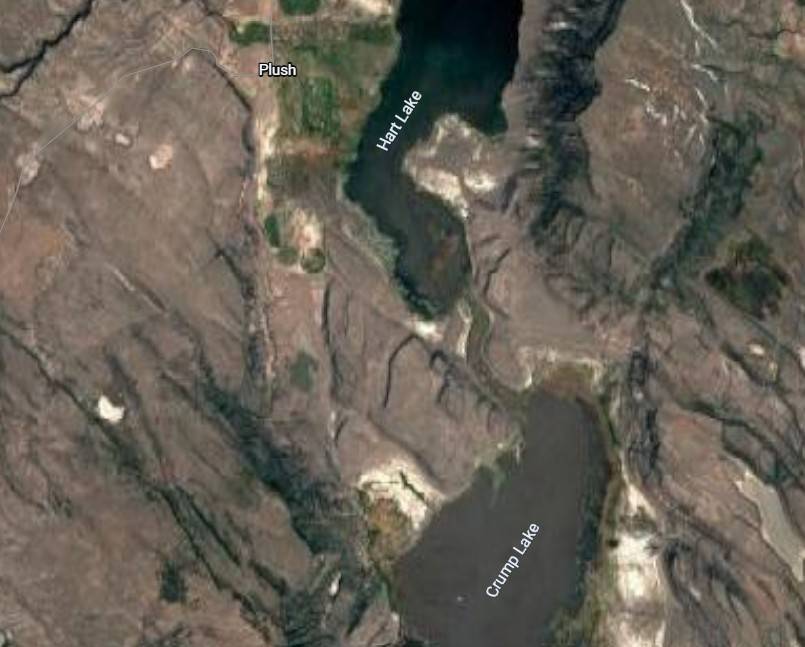
I took some land in exchange for coaching once & owned 80 acres in southeastern Oregon. Beautiful desert property, no trees though, between two lakes. But we lived 12 hours from it and the nearest hotel was about 3 hours away from the property. We had no plans to build and it wasn't farm land. Lots of cheap land out that way.
For those who have been investing in land for a while, what’s one mistake you’ve made that you wish you could go back and avoid? Trying to learn from others before getting too deep into certain types of deals. Anything specific you now always check before moving forward?
Don't buy nuclear waste burial sites. No, I didn't, it's just a general warning. ;-)
😂noted! On a serious note though, what’s one less obvious issue you’ve seen trip people up when buying land?
Buying cheap lots near industrial areas in tax sales. Most are EPA problems and I guess a list is provided by the EPA so you can avoid those if you're smart.
And distance
I took some land in exchange for coaching once & owned 80 acres in southeastern Oregon. Beautiful desert property, no trees though, between two lakes. But we lived 12 hours from it and the nearest hotel was about 3 hours away from the property. We had no plans to build and it wasn't farm land. Lots of cheap land out that way.
christmas valley the old land days of the 40s and 50s where it was all the rage to plat huge swaths of the moutain west. And of course FLA like Lehigh Acres
For those who have been investing in land for a while, what’s one mistake you’ve made that you wish you could go back and avoid? Trying to learn from others before getting too deep into certain types of deals. Anything specific you now always check before moving forward?
Don't buy nuclear waste burial sites. No, I didn't, it's just a general warning. ;-)
😂noted! On a serious note though, what’s one less obvious issue you’ve seen trip people up when buying land?
Buying cheap lots near industrial areas in tax sales. Most are EPA problems and I guess a list is provided by the EPA so you can avoid those if you're smart.
And distance
I took some land in exchange for coaching once & owned 80 acres in southeastern Oregon. Beautiful desert property, no trees though, between two lakes. But we lived 12 hours from it and the nearest hotel was about 3 hours away from the property. We had no plans to build and it wasn't farm land. Lots of cheap land out that way.
That’s a really good example of how “cheap” land can quietly turn into a liability fast. The EPA/tax sale angle makes sense too,it’s easy to get attracted to low prices without realizing the cleanup or history behind it. And that 12-hour drive story really drives home the distance issue… even great-looking land can become pretty much unusable if you can’t realistically access or manage it.
Definitely one of those situations where the hidden costs aren’t in the purchase price at all.
Buying land without seeing it bushhogged if it's not wooded. I bought a couple of acres to build a house on years ago that looked like a great clean lot with just overgrown grass and brush, but in reality it was the dumping ground for all the stumps and junk for the rest of the subdivision. I spent a fortune on grading and removing organics before I could dig a footer. This of course wasn't disclosed when I bought.
That’s a rough one! definitely the kind of hidden issue that can turn a “good deal” into a money pit fast 😬 Really good reminder that what’s underneath or behind the surface matters just as much as what you see when you walk it.
Buying land is much harder than buying homes, there is so much more that can be wrong and can't rely on a home inspection. From zoning and legal issues, to sub-soil conditions and buried problems from the past..
The reason why subdivision developers always sell off the original farm house and barn for dirt cheap instead or making it part of the new development is because the environmental risks. 3 generations of farmer have changed their tractors oil and in the driveway to keep the dust down and dumped the leftover herbicides and pesticides in front of the barn. And they had some nasty stuff in the 50s and 60s.
Exactly .. Zoning SEptic water survey access etc etc all those things need to be confirmed.
The one I see clients almost buy into constantly: a lot priced like it's rural, outside city limits, no city taxes — and it's sitting inside that city's ETJ. Zoning doesn't apply out there, but subdivision and permitting rules can, and annexation is a real possibility in growth corridors. Buyer prices it like county land, then finds out at plat submittal that city standards apply.
Second one, similar shape: land inside a MUD or PID with an assessment that runs with the property, not the seller. Doesn't show up as a lien issue at title in the way people expect, and it's a recurring cost for years that never made it into anyone's math at closing.
Both are a phone call to the planning department before you're under contract. Neither shows up walking the lot.
Curious on the assessments are those lumped into your ad valorum tax bill is that why you dont see them ? are those Bonds or some other mechanism ? I have used 1915 act bonds and Mello roos bonds when I was in CA doing subdivisions there.. Very common method for horizontal improvements that are public . Although with a title report the bonds show up as a lien and or are buried in the Ad valurum tax bill just like a school bond or other public bond is listed in your tax bill. So how do they do it in Texas ??
Good question, and you're right that they do surface — my "doesn't show up the way people expect" was about where people look, not that it's invisible. Texas does it two different ways, and they behave differently:
MUDs are actual taxing districts — they levy their own ad valorem rate that shows up as a separate line on the property tax bill, same as a school district. So it's visible if you read the tax bill. The trap is timing: on raw land in a newer district, the district may not have issued its bonds yet, so the current bill looks clean or minimal. The rate ramps as the district issues debt for infrastructure — the buyer underwrites off today's bill, and the real number shows up over the next several years.
PIDs are the closer cousin to what you used in CA — they're fixed assessments, not ad valorem, tied to the property and typically amortized over a set term. Texas requires seller notice of a PID assessment, and it's a recorded obligation, but on raw lots people miss it for the same timing reason: the assessment may not be fully levied yet, or the notice gets treated as boilerplate at closing.
So both are findable — the failure mode isn't disclosure, it's that the current tax bill on undeveloped land in a young district understates what the land will actually carry at buildout. That's the part that never makes it into anyone's math.
One mistake I've seen come up repeatedly is assuming a lot is buildable without fully verifying zoning, utility access, easements, and environmental restrictions. A great price can quickly become an expensive lesson if one of those issues limits development. Now I'd make those checks a priority before getting too invested in any deal.