Open door capital scam???
Minneapolis, MN · Member since 2018 · 33 posts · 53 votes
After listening to so many Brandon Turner/ Bigger pockets podcasts I finally decided to take the risk and invest some of my hard earned savings into a fund with Brandon. So in 2021, I put in 100k into the fund and have received $355 total so far. Just got off an emergency zoom call them saying the banks are close to taking the properties and they are looking for capital because they are underwater, aka we might not even see another dollar let alone our initial investment. I was going to go with Grant Cardone, but Brandon seemed like the more honest type i wanted to follow but maybe hes better at sales and marketing than real estate. Not trying to cause drama but this is my first experience with real estate, is this normal? Thanks!
@Joey Wilson, I would not classify this as a scam, but we are talking a bit semantics here.
As you noted, and others echoed, creating content can create a lot of trust. Raising investor capital is done on trust. But, the great content creators do not make for good investment managers, as you learned. In fact, the best operators/investment managers, are often NOT good marketers. They continue to play in the "who you know" space because they understand:
1. Their results will continue to attract the capital they need
2. When money is flowing in is often when the most money will be lost
3. They are too busy OPERATING, and don't have bandwidth to market
4. Not all attention is good attention. As many groups are seeing here: when you raise money from trust built on online forums, those same investors will also call you out on online forums.
But to you point, I don't think ODC is a scam. I think they got out over their skis for several reasons, but they did not go out with the intent of losing/taking your money.
@Bryn Kaufman I disagree. There are plenty of syndications built around quality real estate, a sound investment thesis, strong sponsors, and sensible capital stacks. When all of those elements are actually in place, it’s very unlikely for an LP to be completely wiped out.
There’s also a common theme among the LPs who do get wiped out. Many never truly understood what they were investing in. They didn’t grasp the real estate opportunity, the capital stack, the fee and distribution structure, or the underlying risks.
That shouldn’t be surprising, because a lot of LP investing today is driven more by name recognition than the merits of the real estate. And frankly, many syndicators actively target the most unsophisticated retail investors. That problem has grown with the rise of the education-to-syndication pipeline, where people are trained to raise capital and seek investors who won’t ask hard questions. Social media only makes this easier, giving someone with no real track record and a weak opportunity direct access to retail LPs.
But there’s also very little accountability on the LP side. It’s rare to see an investor admit they failed to do basic diligence. Instead, the immediate reaction is fraud, illegality, or some bad actor narrative. Sometimes the reality is much simpler: the deal was poorly structured, the underwriting was wrong, or the sponsor underperformed. Not everything is criminal. Some deals just aren’t good deals.
Look no further than this thread. There’s been no evidence of fraud or bad acts on the part of ODC. You can certainly question the sponsor team’s experience or their investment decisions, but it appears these deals were going to struggle from the moment the properties were acquired. Meanwhile the title jumps straight to “is this a scam,” written by someone who fits the exact profile I described earlier and likely had no business investing in syndications in the first place.
It doesn't take advanced real estate knowledge to vet these opportunities either, which is the sad part.
A long time ago I invested in Sunbelt Apartment Complexes in FL, TX, NC, & SC. (NONE of the people mentioned above were involved.) The LTV was 50%, so "only" 50% was borrowed. No overleverage here, Sunbelt, where everybody is moving to, what could go wrong. At first dividends, came like clockwork and everything is running smoothly. How could you lose in a low leveraged deal like this? The first sign to the contrary was when they gave one complex back to the bank in Texas. How can you be underwater when you only financed 50%? Easy when the value declined and now the complex was worth less than 50% of what it was formerly worth. That was the beginning of the end, some other assets were either given back to the back or sold for much less than the former value. T. Boone Pickens and Carl Icahn got involved to buy the remaining package at about 30 cents on the dollar. Never again!
@David Krulac what do you see the chances of us getting our initial investment back?
Anybody interested in participating as an LP in a syndication should read @Ian Ippolito's comments above. This is the correct methodology and questions to be asking when considering participating as an LP. I am convinced most who experience total wipe out losses spend more time evaluating which car to lease then where to invest $100K+ in a syndication.
Same for me..invested twice and both are underwater.. I wonder if any of their portfolios are returning positively
@Kammy Wesley It doesn't even seem likely that we will get our initial deposit back at this rate. Hopefully that's not the case. 🤞🏼
Looks like 15m of investors money was just flushed down the toilet.
Looks like 15m of investors money was just flushed down the toilet.
That's not true. I'd imagine a couple million in fees went to fund Brandon Turner's Hawaii lifestyle.
Looks like 15m of investors money was just flushed down the toilet.
That's not true. I'd imagine a couple million in fees went to fund Brandon Turner's Hawaii lifestyle.
To answer your original question, I feel scammed.
A loss is a loss. I lost every penny invested in Heights on Katy.
Did they know that if X happens, they would lose all the money invested, and they decided that, because it is not their money, they are willing to take the chance?
I believe Brandon did not lose a penny; he was a Class A investor, so to me that is a clue that he might have known Class B could lose it all, and he did not want to take that chance with his money, so he invested as Class A only.
The building's value does not go to $0; it was a nice property, so it is hard to understand how the structure is so bad that all Class B investors had to lose everything.
The building's value does not go to $0; it was a nice property, so it is hard to understand how the structure is so bad that all Class B investors had to lose everything.
To answer your original question, I feel scammed.
A loss is a loss. I lost every penny invested in Heights on Katy.
Did they know that if X happens, they would lose all the money invested, and they decided that, because it is not their money, they are willing to take the chance?
I believe Brandon did not lose a penny; he was a Class A investor, so to me that is a clue that he might have known Class B could lose it all, and he did not want to take that chance with his money, so he invested as Class A only.
The building's value does not go to $0; it was a nice property, so it is hard to understand how the structure is so bad that all Class B investors had to lose everything.
It's simple really. One would need to be naïve and stupid to ignore the obvious risks with the deal only working at generationally low rates. Brandon Turner isn't stupid enough to not realize that.
What he is though, is a greedy cut throat snake oil salesman. All of the people that fell for his "nice Christian guy who just wants to help people social media b/s" gotta come to grips with the fact that he isn't your friend. He does not care about you. And he has made millions in the biz while you all fell for his b/s hook line and sinker.
The building's value does not go to $0; it was a nice property, so it is hard to understand how the structure is so bad that all Class B investors had to lose everything.
To answer your original question, I feel scammed.
A loss is a loss. I lost every penny invested in Heights on Katy.
Did they know that if X happens, they would lose all the money invested, and they decided that, because it is not their money, they are willing to take the chance?
I believe Brandon did not lose a penny; he was a Class A investor, so to me that is a clue that he might have known Class B could lose it all, and he did not want to take that chance with his money, so he invested as Class A only.
The building's value does not go to $0; it was a nice property, so it is hard to understand how the structure is so bad that all Class B investors had to lose everything.
It's simple really. One would need to be naïve and stupid to ignore the obvious risks with the deal only working at generationally low rates. Brandon Turner isn't stupid enough to not realize that.
What he is though, is a greedy cut throat snake oil salesman. All of the people that fell for his "nice Christian guy who just wants to help people social media b/s" gotta come to grips with the fact that he isn't your friend. He does not care about you. And he has made millions in the biz while you all fell for his b/s hook line and sinker.
The building's value does not go to $0; it was a nice property, so it is hard to understand how the structure is so bad that all Class B investors had to lose everything.
The building's value does not go to $0; it was a nice property, so it is hard to understand how the structure is so bad that all Class B investors had to lose everything.
This will be my last response in this thread, as it seems to keep going in circles.
Yes, when I invested in this fund, I was required to meet the SEC’s accreditation requirements and provide the necessary documentation through ODC’s portal.
I also signed documents clearly outlining the risks of the investment. I chose to invest in equity, not debt, and I understood the risks that came with that decision. Throughout the many BT/ODC investments I’ve participated in, those risks have often been rewarded with strong returns.
What I find interesting is that nobody seems eager to discuss the funds that performed well. We’re only here talking about the few that struggled. Some investors appear unwilling to accept that they knowingly invested in a higher-risk opportunity and are now looking for someone else to blame when things didn’t go their way. To Brandon’s credit, he has been transparent, accountable, and willing to address difficult situations head-on.
Has ODC been perfect? No. In hindsight, some assumptions proved too aggressive given how dramatically interest rates and cap rates moved. But expecting FDIC-level safety while also expecting returns several times higher than what a bank account offers is unrealistic.
I can’t speak with certainty about whether Brandon personally made money on this particular fund, but my assumption is that he didn’t. Yes, management fees were collected to operate the business and pay staff, but I don’t believe Brandon was taking personal profits while investors were losing money.
James, your criticisms of Brandon don’t carry much weight with me because they seem to be based more on assumptions than facts. You are making strong accusations without having much information, trying to make yourself seem relevant.
The building's value does not go to $0; it was a nice property, so it is hard to understand how the structure is so bad that all Class B investors had to lose everything.
This will be my last response in this thread, as it seems to keep going in circles.
Yes, when I invested in this fund, I was required to meet the SEC’s accreditation requirements and provide the necessary documentation through ODC’s portal.
I also signed documents clearly outlining the risks of the investment. I chose to invest in equity, not debt, and I understood the risks that came with that decision. Throughout the many BT/ODC investments I’ve participated in, those risks have often been rewarded with strong returns.
What I find interesting is that nobody seems eager to discuss the funds that performed well. We’re only here talking about the few that struggled. Some investors appear unwilling to accept that they knowingly invested in a higher-risk opportunity and are now looking for someone else to blame when things didn’t go their way. To Brandon’s credit, he has been transparent, accountable, and willing to address difficult situations head-on.
Has ODC been perfect? No. In hindsight, some assumptions proved too aggressive given how dramatically interest rates and cap rates moved. But expecting FDIC-level safety while also expecting returns several times higher than what a bank account offers is unrealistic.
I can’t speak with certainty about whether Brandon personally made money on this particular fund, but my assumption is that he didn’t. Yes, management fees were collected to operate the business and pay staff, but I don’t believe Brandon was taking personal profits while investors were losing money.
James, your criticisms of Brandon don’t carry much weight with me because they seem to be based more on assumptions than facts. You are making strong accusations without having much information, trying to make yourself seem relevant.
Brandon & co got you on the PR payroll or something? lol
The building's value does not go to $0; it was a nice property, so it is hard to understand how the structure is so bad that all Class B investors had to lose everything.
@Brian Burke thanks for explaining what might have gone wrong. Had I known this could happen, I would not have invested, or I would have only invested in Class A shares.
By pointing this out, you're hopefully helping others in the future avoid the same fate.
I would add it might make sense to see if the General Partner is invested in Class B shares.
I don't understand this business, but from a Limited Partner perspective, it seems to me that if the General Partner is only willing to risk the Limited Partner's money, and the General Partner invests only in Class A shares, it tells you they are not confident in the deal and do not want to risk some of their own money.
I think it's important to be careful about assuming that "Class B" automatically means higher risk. What constitutes Class A versus Class B varies significantly from one syndication to another and is entirely dependent on the operating agreement and capital structure.
For example, Class A capital might be used to fund the entitlement and predevelopment phase of a project, while Class B capital is brought in later for vertical construction. In that scenario, the Class A investors are taking substantially more risk because they are investing before approvals are obtained, and they would typically expect a higher return as compensation.
Another example would be a recapitalization where early investors are designated as Class A and later investors are designated as Class B. Depending on the rights, preferences, and timing of each class, the later Class B investors may actually have lower risk because many of the major project uncertainties have already been resolved.
A third example is a phased development where Class A investors fund Phase 1 and Class B investors come in after infrastructure, utilities, roads, or site work have been completed. In that case, the Class B investors may be entering the project after many of the largest development risks have already been addressed.
Are there Class B raises that are merely lifeline capital raises? Sure, but the key takeaway is that the labels "Class A" and "Class B" by themselves tell you very little. The real questions an LP should be asking are what rights, priorities, timing, return structure, and risks are attached to each class under the operating agreement and project sequence. The fact a GP doesn't invest alongside Class B in itself isn't a red flag either.
Since a recurring theme in these forums among investors disappointed with their LP investment performance is an inability to clearly articulate what they actually invested in, I thought it would be helpful to clarify a few misconceptions that may arise from this post.
@Stuart Udis this is an extremely important point you just made. I ran into a situation recently where someone saw a presentation/analysis on a fund that outlined Class B being subordinate to Class A and the risks involved in this offering. The person doing this analysis clearly did not read the documents, because Class A and Class B did not have a priority and were pari passu. I also recommend people still use attorneys to review these types of documents, because I have seen ChatGPT or Claude also make significant errors when trying to analyze and review these documents. If they do not know, sometimes they just assume.

I think it's important to be careful about assuming that "Class B" automatically means higher risk. What constitutes Class A versus Class B varies significantly from one syndication to another and is entirely dependent on the operating agreement and capital structure.
For example, Class A capital might be used to fund the entitlement and predevelopment phase of a project, while Class B capital is brought in later for vertical construction. In that scenario, the Class A investors are taking substantially more risk because they are investing before approvals are obtained, and they would typically expect a higher return as compensation.
Another example would be a recapitalization where early investors are designated as Class A and later investors are designated as Class B. Depending on the rights, preferences, and timing of each class, the later Class B investors may actually have lower risk because many of the major project uncertainties have already been resolved.
A third example is a phased development where Class A investors fund Phase 1 and Class B investors come in after infrastructure, utilities, roads, or site work have been completed. In that case, the Class B investors may be entering the project after many of the largest development risks have already been addressed.
Are there Class B raises that are merely lifeline capital raises? Sure, but the key takeaway is that the labels "Class A" and "Class B" by themselves tell you very little. The real questions an LP should be asking are what rights, priorities, timing, return structure, and risks are attached to each class under the operating agreement and project sequence. The fact a GP doesn't invest alongside Class B in itself isn't a red flag either.
Since a recurring theme in these forums among investors disappointed with their LP investment performance is an inability to clearly articulate what they actually invested in, I thought it would be helpful to clarify a few misconceptions that may arise from this post.
Excellent post and all excellent points. There's no way to know just on labels what the actual level of risk is in a deal. To @Brian Burkes point, though, for the most part in the context of the forums and projects discussed as essentially REITs, pretty much the main difference is that B carries all the risk of wipeout and A is made whole, or as whole as can be made. None of the projects in here that I can remember are anything more than just acquiring something that's already in operation and "value add" or hold on assumption of appreciation. The kinds of projects you are describing would definitely be worthy of what are essentially early investors taking the major risks getting it off the ground and then bringing in subs to finish things off. That said, I don't think these types of investments that shield one class completely are a good idea. Most of what's been brought up as disasters have such a high B/A ratio that you could probably burn it to the ground and make the GPs whole with insurance money, ie they can fire sale the projects when they get tired of trying to make a go of it or just want their principles back and there's so much B money that it's virtually impossible for As to not be whole. That leaves little incentive other than reputation or threat of lawsuit to really pull out all stops to make it work.

A LOT of great posts and points made in this thread.
I’ve been syndicating real estate and mortgage note investments for 25 + years.
I also invest personally in other syndicators offerings
The average investor who wants passive real estate investments should invest in REITs and forget private syndications.
I don’t want to “cut my own throat” BUT - investing in private syndications is NOT passive. It takes a tremendous amount of research, investigation, due diligence, meetings, document reading, analysis, etc to confidently invest in private offerings.
For $400 per year I have all this information available to me along with model portfolios by one of the best REIT analysts in the market for REIT investments. With REITs I get liquidity, higher quality real estate, super low management fees, diversification, and (with careful selection) real estate at a discount to asset value.
Yes, I can probably average a higher return with private syndications - but can the average investor? I don’t think so.
After listening to so many Brandon Turner/ Bigger pockets podcasts I finally decided to take the risk and invest some of my hard earned savings into a fund with Brandon. So in 2021, I put in 100k into the fund and have received $355 total so far. Just got off an emergency zoom call them saying the banks are close to taking the properties and they are looking for capital because they are underwater, aka we might not even see another dollar let alone our initial investment. I was going to go with Grant Cardone, but Brandon seemed like the more honest type i wanted to follow but maybe hes better at sales and marketing than real estate. Not trying to cause drama but this is my first experience with real estate, is this normal? Thanks!
@Adam S. There are plenty of syndications that produce strong returns, utilize conservative underwriting, and invest in real estate with substantially stronger fundamentals than many of the opportunities discussed in these forums. The fact that your mind immediately goes to Grant Cardone suggests your perception of syndications is largely shaped by the social media influencer segment of the industry.
There is an entire world of real estate investment opportunities beyond the deals marketed by online salespeople and social media influencers. Unfortunately, most who invest in these syndications are choosing between offerings promoted through those same channels, and the GP's know they must make their deals appear competitive against one another. That often leads to similar assets and projected returns being shown on paper through aggressive leverage, short hold periods, optimistic rent growth and appreciation assumptions, or capital structures designed to maximize projected IRRs rather than produce superior risk-adjusted returns.
The lesson isn't that syndications are inherently flawed. Rather, many of the syndications consistently discussed in these forums are marketed to the same pool of LP investors, which naturally creates pressure to offer similar stories, similar projections, and similar return profiles. In many cases, that marketing competition becomes more important than the quality of the underlying real estate.
@Adam S. There are plenty of syndications that produce strong returns, utilize conservative underwriting, and invest in real estate with substantially stronger fundamentals than many of the opportunities discussed in these forums. The fact that your mind immediately goes to Grant Cardone suggests your perception of syndications is largely shaped by the social media influencer segment of the industry.
There is an entire world of real estate investment opportunities beyond the deals marketed by online salespeople and social media influencers. Unfortunately, most who invest in these syndications are choosing between offerings promoted through those same channels, and the GP's know they must make their deals appear competitive against one another. That often leads to similar assets and projected returns being shown on paper through aggressive leverage, short hold periods, optimistic rent growth and appreciation assumptions, or capital structures designed to maximize projected IRRs rather than produce superior risk-adjusted returns.
The lesson isn't that syndications are inherently flawed. Rather, many of the syndications consistently discussed in these forums are marketed to the same pool of LP investors, which naturally creates pressure to offer similar stories, similar projections, and similar return profiles. In many cases, that marketing competition becomes more important than the quality of the underlying real estate.
@Adam S. There are plenty of syndications that produce strong returns, utilize conservative underwriting, and invest in real estate with substantially stronger fundamentals than many of the opportunities discussed in these forums. The fact that your mind immediately goes to Grant Cardone suggests your perception of syndications is largely shaped by the social media influencer segment of the industry.
There is an entire world of real estate investment opportunities beyond the deals marketed by online salespeople and social media influencers. Unfortunately, most who invest in these syndications are choosing between offerings promoted through those same channels, and the GP's know they must make their deals appear competitive against one another. That often leads to similar assets and projected returns being shown on paper through aggressive leverage, short hold periods, optimistic rent growth and appreciation assumptions, or capital structures designed to maximize projected IRRs rather than produce superior risk-adjusted returns.
The lesson isn't that syndications are inherently flawed. Rather, many of the syndications consistently discussed in these forums are marketed to the same pool of LP investors, which naturally creates pressure to offer similar stories, similar projections, and similar return profiles. In many cases, that marketing competition becomes more important than the quality of the underlying real estate.
I agree with you, Adam. Unfortunately, it is too late for me. I lost my $100,000 shirt.
While I am sure there are good syndicators out there, most LPs do not have the knowledge to completely understand what they are getting into, so they are way better off simply buying Real Estate themselves and thereby eliminating the problem of the value of their investment going to $0.
@Adam S. There are plenty of syndications that produce strong returns, utilize conservative underwriting, and invest in real estate with substantially stronger fundamentals than many of the opportunities discussed in these forums. The fact that your mind immediately goes to Grant Cardone suggests your perception of syndications is largely shaped by the social media influencer segment of the industry.
There is an entire world of real estate investment opportunities beyond the deals marketed by online salespeople and social media influencers. Unfortunately, most who invest in these syndications are choosing between offerings promoted through those same channels, and the GP's know they must make their deals appear competitive against one another. That often leads to similar assets and projected returns being shown on paper through aggressive leverage, short hold periods, optimistic rent growth and appreciation assumptions, or capital structures designed to maximize projected IRRs rather than produce superior risk-adjusted returns.
The lesson isn't that syndications are inherently flawed. Rather, many of the syndications consistently discussed in these forums are marketed to the same pool of LP investors, which naturally creates pressure to offer similar stories, similar projections, and similar return profiles. In many cases, that marketing competition becomes more important than the quality of the underlying real estate.
I agree with you, Adam. Unfortunately, it is too late for me. I lost my $100,000 shirt.
While I am sure there are good syndicators out there, most LPs do not have the knowledge to completely understand what they are getting into, so they are way better off simply buying Real Estate themselves and thereby eliminating the problem of the value of their investment going to $0.
Oh wow, I'm really sorry to hear that. While these "opportunities" can sound promising on paper, I've unfortunately heard similar stories more often than I'd like. It's truly disappointing.
I wish there were stronger regulations, better oversight, and more rigorous vetting standards in place to help protect investors. Of course, no real estate investment comes with guarantees, but syndications can sometimes feel like the Wild West of real estate.
That's just my personal perspective, but situations like this are always difficult to see.
yep. my assumption has always been that the best syndications are the ones no one but the people in them knows about.
I agree with Stuart Udis. There are some good syndicators and they can open up opportunities in asset classes that individual investors can’t invest in on their own. They also open up opportunities to diversify because of the lower minimum investment. I have both direct investment in real estate and LP positions in syndications and they satisfy different objectives inside my overall portfolio.
I would not dismiss the entire asset class. However, it does take more work and experience to perform the due diligence because they do not have the same oversight from the SEC as stocks, bonds and many other investments. They are also many sponsors who have no business handling other people’s money and many fund raisers who don’t perform minimum levels of due diligence on their recommendations.
Two other concepts that have not been adequately discussed in this string are overall portfolio composition and diversification. If all your net worth is invested in real estate syndications that is probably a mistake. If you already have money invested in the stock market, direct real estate and other investments, than investing as an LP in some syndications opens up other asset classes. Ian Ippolito has some great comments on diversification. Not only across asset classes, but also time diversification in a cyclical asset. Anyone who invested in a multifamily syndication in 2021 or 2022 is probably regretting that decision. Anyone who invested in 2018, 2019, 2020, 2021 and 2022 probably has some good performers and bad performers and has a much different view. Anyone who invested in good operators across industrial, multifamily and mobile homes is probably in even better shape.
Joey Wilson lost all his investment with ODC and that is a horrible gut punch. I feel sorry for him – not only did he lose all his investment, he most likely feels he was tricked by someone he trusted. However, it was not a scam. It was a poorly structured deal for the economic environment it had to operate in. He now has two options; (1) he can use this as a lesson, learn more about how to find and evaluate good sponsors, find some like minded investors to share experience and invest again, or (2) put this in the “too hard” bucket and invest in other asset classes where he thinks he has a better advantage. Either path is acceptable.
@Alex Desroches Exactly. All you need to do is go back to the original post in this thread where Joey acknowledged he was deciding between ODC and Grant Cardone. Then, a year later, another poster in the same thread brings up Grant Cardone again. That alone sheds light on how many LPs are evaluating opportunities.
The reality is that many investors aren't conducting meaningful due diligence on the underlying real estate, underwriting assumptions, capital structure, or sponsor track record. Instead, they're choosing between whichever syndications appear in their social media feeds. The sponsors know this and structure their offerings accordingly.
One irony I continually notice in these forums is that LPs who get clobbered often criticize the GP for failing to manage risk, yet had those same LPs been presented with a more conservative offering featuring lower projected returns, longer hold periods, more conservative rental growth, and more conservative debt terms, most would have passed That does not excuse the GP entirely, but it does highlight that risk and return are inseparable. Many of the structures being criticized today were the very features that made the investment attractive when capital was being raised. At some point, LPs need to take responsibility for the risks they chose to accept and recognize that the pursuit of above market returns often requires accepting above market risk. That perspective is rarely discussed in these forums, where the conversation tends to focus exclusively on what the GP did wrong rather than whether the LP adequately understood the tradeoffs embedded in the investment from the outset.
@Bryn Kaufman I believe it's a mistake to view direct ownership as eliminating the risk of a total loss. Using an example that is very relevant to these forums: An investor purchases a $100,000 single-family home in middle-of-nowhere USA. They obtain 75% financing and invest approximately $35,000 between the down payment and closing costs. Shortly after closing, they discover the roof needs replacement and the curb trap has failed, resulting in $15,000 of unexpected capital expenditures.
The tenant who was assumed at closing stops paying rent, and it takes several months to remove them. On the way out, they leave the property in poor condition, creating another $5,000 of turnover costs. It then takes several months to re-lease the property, during which the investor incurs carrying costs and more expensive vacant-property insurance. Once the property is re-leased, the investor realizes the original rent assumptions were overly optimistic. Additional capital expenditures begin to surface, and it becomes clear the property cannot support the cost of ownership.
The investor decides to sell and receives an offer of $90,000. During the inspection period, the buyer identifies additional repair issues and renegotiates the purchase price down to $80,000. At that point, the investor has lost substantially more than their original investment and is likely bringing a check to settlement to pay off the loan. Trust me when I say this fact pattern plays out in real life far more often than you may believe.
@Bryn Kaufman I believe it's a mistake to view direct ownership as eliminating the risk of a total loss. Using an example that is very relevant to these forums: An investor purchases a $100,000 single-family home in middle-of-nowhere USA. They obtain 75% financing and invest approximately $35,000 between the down payment and closing costs. Shortly after closing, they discover the roof needs replacement and the curb trap has failed, resulting in $15,000 of unexpected capital expenditures.
The tenant who was assumed at closing stops paying rent, and it takes several months to remove them. On the way out, they leave the property in poor condition, creating another $5,000 of turnover costs. It then takes several months to re-lease the property, during which the investor incurs carrying costs and more expensive vacant-property insurance. Once the property is re-leased, the investor realizes the original rent assumptions were overly optimistic. Additional capital expenditures begin to surface, and it becomes clear the property cannot support the cost of ownership.
The investor decides to sell and receives an offer of $90,000. During the inspection period, the buyer identifies additional repair issues and renegotiates the purchase price down to $80,000. At that point, the investor has lost substantially more than their original investment and is likely bringing a check to settlement to pay off the loan. Trust me when I say this fact pattern plays out in real life far more often than you may believe.
This is in no way an apples to apples comparison. In a syndication the investor has absolutely no control over what happens to their money once it's invested.
In your comment you've outlined a series of asinine decisions made by a property owner. They were not forced into these decisions. Choosing which route to take when at a crossroads is very much in their control, unlike with a syndication.
Shortly after closing, they discover the roof needs replacement and the curb trap has failed, resulting in $15,000 of unexpected capital expenditures.
Roofs don't go from brand new, to needing a replacement overnight. Simply performing an inspection prior to buying the home would tell you everything you need to know.
The investor decides to sell and receives an offer of $90,000. During the inspection period, the buyer identifies additional repair issues and renegotiates the purchase price down to $80,000.
The investor decides to sell. The investors decides to accept $90,000. The investor later decides to accept $80,000. All 3 of these are fully in the investors control. The investor could say no at anyone of these points, unlike in a syndication.
Trying to make your scenario sound like the risk of total loss is the same, is like me saying there is a high risk of getting blown up by a road side bomb if they join the Army and go to war, with you responding with
"The risk in getting blown up by a roadside bomb is the same here at home as it is when at war as you could build your own bomb and blow yourself up."
@Bryn Kaufman I believe it's a mistake to view direct ownership as eliminating the risk of a total loss. Using an example that is very relevant to these forums: An investor purchases a $100,000 single-family home in middle-of-nowhere USA. They obtain 75% financing and invest approximately $35,000 between the down payment and closing costs. Shortly after closing, they discover the roof needs replacement and the curb trap has failed, resulting in $15,000 of unexpected capital expenditures.
The tenant who was assumed at closing stops paying rent, and it takes several months to remove them. On the way out, they leave the property in poor condition, creating another $5,000 of turnover costs. It then takes several months to re-lease the property, during which the investor incurs carrying costs and more expensive vacant-property insurance. Once the property is re-leased, the investor realizes the original rent assumptions were overly optimistic. Additional capital expenditures begin to surface, and it becomes clear the property cannot support the cost of ownership.
The investor decides to sell and receives an offer of $90,000. During the inspection period, the buyer identifies additional repair issues and renegotiates the purchase price down to $80,000. At that point, the investor has lost substantially more than their original investment and is likely bringing a check to settlement to pay off the loan. Trust me when I say this fact pattern plays out in real life far more often than you may believe.
@Bryn Kaufman I believe it's a mistake to view direct ownership as eliminating the risk of a total loss. Using an example that is very relevant to these forums: An investor purchases a $100,000 single-family home in middle-of-nowhere USA. They obtain 75% financing and invest approximately $35,000 between the down payment and closing costs. Shortly after closing, they discover the roof needs replacement and the curb trap has failed, resulting in $15,000 of unexpected capital expenditures.
The tenant who was assumed at closing stops paying rent, and it takes several months to remove them. On the way out, they leave the property in poor condition, creating another $5,000 of turnover costs. It then takes several months to re-lease the property, during which the investor incurs carrying costs and more expensive vacant-property insurance. Once the property is re-leased, the investor realizes the original rent assumptions were overly optimistic. Additional capital expenditures begin to surface, and it becomes clear the property cannot support the cost of ownership.
The investor decides to sell and receives an offer of $90,000. During the inspection period, the buyer identifies additional repair issues and renegotiates the purchase price down to $80,000. At that point, the investor has lost substantially more than their original investment and is likely bringing a check to settlement to pay off the loan. Trust me when I say this fact pattern plays out in real life far more often than you may believe.
This is exactly my point. You do not get $0 back like with passive; you received 80% of your money back, even if every single thing that could go wrong did.
Plus, as @James Wise mentioned, you have control. You don't just get an email that your money is all gone; you have decisions to make that can change things and fix the issues that went wrong, so perhaps you eventually end up getting all your money back.
You stated, "I believe it's a mistake to view direct ownership as eliminating the risk of a total loss."
However, even in your example where the investor made bad decisions on the roof, the tenant, and other things went wrong, you have them getting 80% of their money back.
@Bryn Kaufman I believe it's a mistake to view direct ownership as eliminating the risk of a total loss. Using an example that is very relevant to these forums: An investor purchases a $100,000 single-family home in middle-of-nowhere USA. They obtain 75% financing and invest approximately $35,000 between the down payment and closing costs. Shortly after closing, they discover the roof needs replacement and the curb trap has failed, resulting in $15,000 of unexpected capital expenditures.
The tenant who was assumed at closing stops paying rent, and it takes several months to remove them. On the way out, they leave the property in poor condition, creating another $5,000 of turnover costs. It then takes several months to re-lease the property, during which the investor incurs carrying costs and more expensive vacant-property insurance. Once the property is re-leased, the investor realizes the original rent assumptions were overly optimistic. Additional capital expenditures begin to surface, and it becomes clear the property cannot support the cost of ownership.
The investor decides to sell and receives an offer of $90,000. During the inspection period, the buyer identifies additional repair issues and renegotiates the purchase price down to $80,000. At that point, the investor has lost substantially more than their original investment and is likely bringing a check to settlement to pay off the loan. Trust me when I say this fact pattern plays out in real life far more often than you may believe.
This is exactly my point. You do not get $0 back like with passive; you received 80% of your money back, even if every single thing that could go wrong did.
Plus, as @James Wise mentioned, you have control. You don't just get an email that your money is all gone; you have decisions to make that can change things and fix the issues that went wrong, so perhaps you eventually end up getting all your money back.
You stated, "I believe it's a mistake to view direct ownership as eliminating the risk of a total loss."
However, even in your example where the investor made bad decisions on the roof, the tenant, and other things went wrong, you have them getting 80% of their money back.
I think what he is referring to is if you buy a $100,000 property and finance 75k and have 25k of your own money in it. you could still lose your $25k investment by selling the property back. The situation is similar, bank gets their money but any equity invested is gone.
I agree 100% that you are in control in this vs. a syndication, but the way I read it is there are a lot of investors who buy property and lose their initial investment (Equity) plus some on top of that.
@Bryn Kaufman I believe it's a mistake to view direct ownership as eliminating the risk of a total loss. Using an example that is very relevant to these forums: An investor purchases a $100,000 single-family home in middle-of-nowhere USA. They obtain 75% financing and invest approximately $35,000 between the down payment and closing costs. Shortly after closing, they discover the roof needs replacement and the curb trap has failed, resulting in $15,000 of unexpected capital expenditures.
The tenant who was assumed at closing stops paying rent, and it takes several months to remove them. On the way out, they leave the property in poor condition, creating another $5,000 of turnover costs. It then takes several months to re-lease the property, during which the investor incurs carrying costs and more expensive vacant-property insurance. Once the property is re-leased, the investor realizes the original rent assumptions were overly optimistic. Additional capital expenditures begin to surface, and it becomes clear the property cannot support the cost of ownership.
The investor decides to sell and receives an offer of $90,000. During the inspection period, the buyer identifies additional repair issues and renegotiates the purchase price down to $80,000. At that point, the investor has lost substantially more than their original investment and is likely bringing a check to settlement to pay off the loan. Trust me when I say this fact pattern plays out in real life far more often than you may believe.
You bring up a great point, and now I better understand what went wrong. It is the leverage that creates the 100% loss.
I was thinking that if you buy a house with cash, things can go wrong; you fix the issues, you hold the house for 5 to 10 years, and most likely you are going to be selling that house for more than you paid for it, especially with the new roof and the problems fixed.
My thought process was that you paid cash; you are not going to sell a fixed-up house for $0 in 5 or 10 years, so it would be very difficult to lose all your money.
I assume your example is what happened to Brandon Turner and Open Door Capital.
They used leverage; expenses were higher than they predicted, and, for reasons beyond my knowledge, they could no longer keep the property; they were forced to sell, so the deal's leverage created a 100% loss for all Class B investors.
It was similar to your purchase of a single property but on a larger scale, and luckily for them, it was my money and other investors' money they lost.
@Bryn Kaufman I believe it's a mistake to view direct ownership as eliminating the risk of a total loss. Using an example that is very relevant to these forums: An investor purchases a $100,000 single-family home in middle-of-nowhere USA. They obtain 75% financing and invest approximately $35,000 between the down payment and closing costs. Shortly after closing, they discover the roof needs replacement and the curb trap has failed, resulting in $15,000 of unexpected capital expenditures.
The tenant who was assumed at closing stops paying rent, and it takes several months to remove them. On the way out, they leave the property in poor condition, creating another $5,000 of turnover costs. It then takes several months to re-lease the property, during which the investor incurs carrying costs and more expensive vacant-property insurance. Once the property is re-leased, the investor realizes the original rent assumptions were overly optimistic. Additional capital expenditures begin to surface, and it becomes clear the property cannot support the cost of ownership.
The investor decides to sell and receives an offer of $90,000. During the inspection period, the buyer identifies additional repair issues and renegotiates the purchase price down to $80,000. At that point, the investor has lost substantially more than their original investment and is likely bringing a check to settlement to pay off the loan. Trust me when I say this fact pattern plays out in real life far more often than you may believe.
You bring up a great point, and now I better understand what went wrong. It is the leverage that creates the 100% loss.
I was thinking that if you buy a house with cash, things can go wrong; you fix the issues, you hold the house for 5 to 10 years, and most likely you are going to be selling that house for more than you paid for it, especially with the new roof and the problems fixed.
My thought process was that you paid cash; you are not going to sell a fixed-up house for $0 in 5 or 10 years, so it would be very difficult to lose all your money.
I assume your example is what happened to Brandon Turner and Open Door Capital.
They used leverage; expenses were higher than they predicted, and, for reasons beyond my knowledge, they could no longer keep the property; they were forced to sell, so the deal's leverage created a 100% loss for all Class B investors.
It was similar to your purchase of a single property but on a larger scale, and luckily for them, it was my money and other investors' money they lost.
Yes, Bryn, that’s right. And ODC could have syndicated the entire capital stack and paid cash for the multifamily property. Then a 100% loss would have been nearly impossible.
Trouble is, almost no one is happy with the returns of free-and-clear real estate. Not multifamily, and not Stuart's example self-owned SFR. Low returns (bad), but also low risk (good).
Or the alternative is potentially higher returns, but with higher risk. Leverage does amplify returns, but it also amplifies losses. Syndicates almost always use leverage because no one is funding them without it because of the low returns. Just like almost no one buys rental SFRs without getting a loan to juice returns. Everyone who uses a loan to buy real estate, of any kind and regardless of self-owned or through a syndicate, is at risk of 100% loss.
And to another point—the thought that self-owned real estate = control is incorrect. Just because you have the authority to sign the deed does not mean you control the resale market, rental market, your tenants, uninsured natural disasters, unexpected expensive mechanical equipment failures, and all the other hazards, risks, and factors that influence, and even destroy, even the best-laid investment plans by even the most competent owners. None of us are in control, we are all just making proactive and sometimes reactive decisions to further our goals.
@Bryn Kaufman I believe it's a mistake to view direct ownership as eliminating the risk of a total loss. Using an example that is very relevant to these forums: An investor purchases a $100,000 single-family home in middle-of-nowhere USA. They obtain 75% financing and invest approximately $35,000 between the down payment and closing costs. Shortly after closing, they discover the roof needs replacement and the curb trap has failed, resulting in $15,000 of unexpected capital expenditures.
The tenant who was assumed at closing stops paying rent, and it takes several months to remove them. On the way out, they leave the property in poor condition, creating another $5,000 of turnover costs. It then takes several months to re-lease the property, during which the investor incurs carrying costs and more expensive vacant-property insurance. Once the property is re-leased, the investor realizes the original rent assumptions were overly optimistic. Additional capital expenditures begin to surface, and it becomes clear the property cannot support the cost of ownership.
The investor decides to sell and receives an offer of $90,000. During the inspection period, the buyer identifies additional repair issues and renegotiates the purchase price down to $80,000. At that point, the investor has lost substantially more than their original investment and is likely bringing a check to settlement to pay off the loan. Trust me when I say this fact pattern plays out in real life far more often than you may believe.
You bring up a great point, and now I better understand what went wrong. It is the leverage that creates the 100% loss.
I was thinking that if you buy a house with cash, things can go wrong; you fix the issues, you hold the house for 5 to 10 years, and most likely you are going to be selling that house for more than you paid for it, especially with the new roof and the problems fixed.
My thought process was that you paid cash; you are not going to sell a fixed-up house for $0 in 5 or 10 years, so it would be very difficult to lose all your money.
I assume your example is what happened to Brandon Turner and Open Door Capital.
They used leverage; expenses were higher than they predicted, and, for reasons beyond my knowledge, they could no longer keep the property; they were forced to sell, so the deal's leverage created a 100% loss for all Class B investors.
It was similar to your purchase of a single property but on a larger scale, and luckily for them, it was my money and other investors' money they lost.
Yes, Bryn, that’s right. And ODC could have syndicated the entire capital stack and paid cash for the multifamily property. Then a 100% loss would have been nearly impossible.
Trouble is, almost no one is happy with the returns of free-and-clear real estate. Not multifamily, and not Stuart's example self-owned SFR. Low returns (bad), but also low risk (good).
Or the alternative is potentially higher returns, but with higher risk. Leverage does amplify returns, but it also amplifies losses. Syndicates almost always use leverage because no one is funding them without it because of the low returns. Just like almost no one buys rental SFRs without getting a loan to juice returns. Everyone who uses a loan to buy real estate, of any kind and regardless of self-owned or through a syndicate, is at risk of 100% loss.
And to another point—the thought that self-owned real estate = control is incorrect. Just because you have the authority to sign the deed does not mean you control the resale market, rental market, your tenants, uninsured natural disasters, unexpected expensive mechanical equipment failures, and all the other hazards, risks, and factors that influence, and even destroy, even the best-laid investment plans by even the most competent owners. None of us are in control, we are all just making proactive and sometimes reactive decisions to further our goals.
And to another point—the thought that self-owned real estate = control is incorrect.
I disagree with your characterizations of risk and control. You're putting a biased spin on this because you sell syndications for a living.
Just because you have the authority to sign the deed does not mean you control the resale market.
You may not control the market, but you control when you enter or do not enter the market. The choice of when to sell is yours, not out of your control like with a syndication.
rental market, your tenants,
You may not control your tenants, but you control WHO your tenants are. You have the ability to perform tenant screening and mitigate the risk of bad tenant behavior. With a syndication, you do not.
uninsured natural disasters,
You are in control of what is, and is not insured. It's up to you to pick the policy coverage. With a syndication, you cannot do this.
unexpected expensive mechanical equipment failures,
Like what? A $4,000 furnace? These things don't just explode. The mechanical equipment in a house furnace; hot water heater, AC, Appliances etc... has a predictable life expectancy. Unexpected failures are only unexpected because the owner doesn't know what they are doing.
I disagree with your characterizations of risk and control. You're putting a biased spin on this because you sell syndications for a living.
If the characterization that I sell syndications for a living were true, I would probably be bankrupt after a 4-year stretch of not buying a single syndicated property from 2021 until last June.
My bias here doesn’t stem from my role in syndicates (hopefully my track record for balance in my comments related to syndicates both on and off this site speaks for itself), but from my 37 years of experience as a direct owner of investment real estate across several residential and commercial asset types across the country.
Over 700 of the properties I’ve acquired in my career were situations where the previous owner lost 100% of any investment they had in the property. Many of these owners had no business ever owning property (but every right to do so). But many of them were smart, experienced, sophisticated people, who also perhaps initially thought that they were in control of everything.
My younger self would have been a cheerleader for your opinion that as owners we have control (I’ve thought that more times than I can even remember), but my older, perhaps more crotchety (or just cynical) self just sees the landscape from a different lens. I’m sure there’s room for both viewpoints here.
I disagree with your characterizations of risk and control. You're putting a biased spin on this because you sell syndications for a living.
If the characterization that I sell syndications for a living were true, I would probably be bankrupt after a 4-year stretch of not buying a single syndicated property from 2021 until last June.
My bias here doesn’t stem from my role in syndicates (hopefully my track record for balance in my comments related to syndicates both on and off this site speaks for itself), but from my 37 years of experience as a direct owner of investment real estate across several residential and commercial asset types across the country.
Over 700 of the properties I’ve acquired in my career were situations where the previous owner lost 100% of any investment they had in the property. Many of these owners had no business ever owning property (but every right to do so). But many of them were smart, experienced, sophisticated people, who also perhaps initially thought that they were in control of everything.
My younger self would have been a cheerleader for your opinion that as owners we have control (I’ve thought that more times than I can even remember), but my older, perhaps more crotchety (or just cynical) self just sees the landscape from a different lens. I’m sure there’s room for both viewpoints here.
Brian you're a syndication guy. That's why you are here. You would not be here if it did not generate interest in your syndication business. There isn't anything wrong with that. We're all here to make money. We're all here with bias. I sure as hell would not spend anytime here if it wasn't generating money for my business. And I have my obvious biases and interests as well.
You buying 700+ properties from fools who lost their money isn't all that surprising to me. I am not saying that there aren't a ton of idiots out there buying properties. I've dealt with, and continue to deal with, countless idiots every day, as I am sure you do. So we can agree there.
But just because there are a whole lotta stupid people out there buying real estate doesn't negate the obvious fact that everyone, (even the stupid ones) have more control over something that they own than those who just hand over the control of their money to someone else.
Hell, you can even argue that some of these dummy's would do better by handing their money over to someone smarter, I don't think investing in syndications is inherently bad. Syndications, like any other type of investment has it's nuances, pros, and cons. In the case of syndications; one of the biggest things folks need to understand is that they're handing over the control, for good or bad....In the case of handing control of their money over to some snake oil salesman like Brandon Turner, that turned out to be really bad.
Those "asinine" decisions play our regularly. You rarely hear about the fact pattern I described because most investors aren't promoting their losses. There's a huge misconception you can't experience a total loss through direct ownership and more broadly buying the most inexpensive homes carries less risk. I would make the argument those are the homes where the buyer is most inclined to experience a total loss through direct ownership. It's not a matter of having control, in many instances the minute the property settles it's going to be a total loss, just a matter of how long it takes for the owner to come to grips, sell and actually experience the total loss.
@Jay Hinrichs Also, you can make a strong argument that it is easier to find yourself upside down on a $100,000 property financed with 75%–80% leverage than on a more expensive property because many costs are fixed, or at least disproportionately impact lower-priced properties. As a result, those costs are less easily absorbed and can quickly erode an investor's equity.
OP. This and other LP Syndicator Loss posts have actually been educational and entertaining to read. Realize that is at the investor expense. Interest 3% versus conservative projection say 6% (EVERYONE already learned this during the Housing Bust; Occupancy rates/inventory when there should be a market study; Product being Dead Brand names, Broadway shows, Crypto trading, Ownership convertible to Debt, understanding leverage and Capital Stack, Capex issues and GP experience, even if you lose everything you can still get hit with Depreciation charges, etc etc.
I have always asked on these LP posts for them to show us their Due Diligence checklist, and no one has ever responded. Even have offered to help them to develop a checklist since this is very similar to our Self Storage investments other than the Capital Stack. No one wants to learn from these situations or pass on the experience to future investors, which to me is the value of BP. Can you imagine all of the responders above, giving input and refining a Syndication Due Diligence Checklist. I would think people would pay $10,000 just for an excel spreadsheet with that.
I'm actually dealing with the same Investor concerns in our business with my partner, my Wife. We do Self Storage Development and buying, Country Subdivision lots, Teak Plantations, and some other investments. All of these have different Risk Rewards, Timelines, Financing mechanisms. Our returns actual/projected range from 120%/200%/400%/1000%/5000%. Over time frames of 10 months, 2 years, 5 years, 25years.
Actually, have one investment the very week after we invested, we lost 30%. This will still end up being a 200% gain over 2 years. This one hurt the worst in her confidence over our (my) business deals. All other experiences and returns were washed to the wayside. Only represents about 5% of our wealth, the original investment. But still lost a lot of "Trust".
I don't like "Trust". Both of us are Accountants by trade. I believe in numbers and assumptions. And Risk scenarios. Although I lay out all of the Business Deal Analysis, or the work, she refuses to go thru the Deal Analysis, logic and Risk scenarios.
My point. I am married to my investor/partner. She Trusts me. Refuses to look at the Deal Analysis and Risk Scenarios, even though she is totally qualified and trained. The only deal where I have ever lost money was raising Cattle and that was more of a hobby. Took me 10 years to finally learn the business and then got out when our son came along.
Now all of our deals have been GREAT. But the difference between these LP posts and our deals are ours were Successful. But otherwise, they are the same story, my investor/Partner never did the deep dive into the Deal Analysis.
Recommendation. Start a Post. Make the first pass at doing a LP Syndication Deal Analysis yourself. Then ask people to provide input and suggestions. Then Sell it on BP for $10,000 per Excel spreadsheet. People will still not use it. Offer them $500 for 2 hours of you walking them thru the logic and understanding the issues. This is Cheap. Cheap???
I use BP to kill time between projects. Was spraying weeds, stopped for dinner. Get on BP and make some posts. IF we would help people do Self Storage deals, we would charge $1,000,000 payable within 5 years "After" the deal is done. Only if the $1,000,000 value was created. If only $800,000 then they don't pay. Now that's a great Syndication or Coaching program. You pay only if your meet the success target, after the fact when you have the value, within a certain timeframe.
So yes, your $10,000 for a LP Syndication spreadsheet and 2 hours personal time is Cheap.
Sell 10 of these and you have $105,000.
Remember to Diversify.
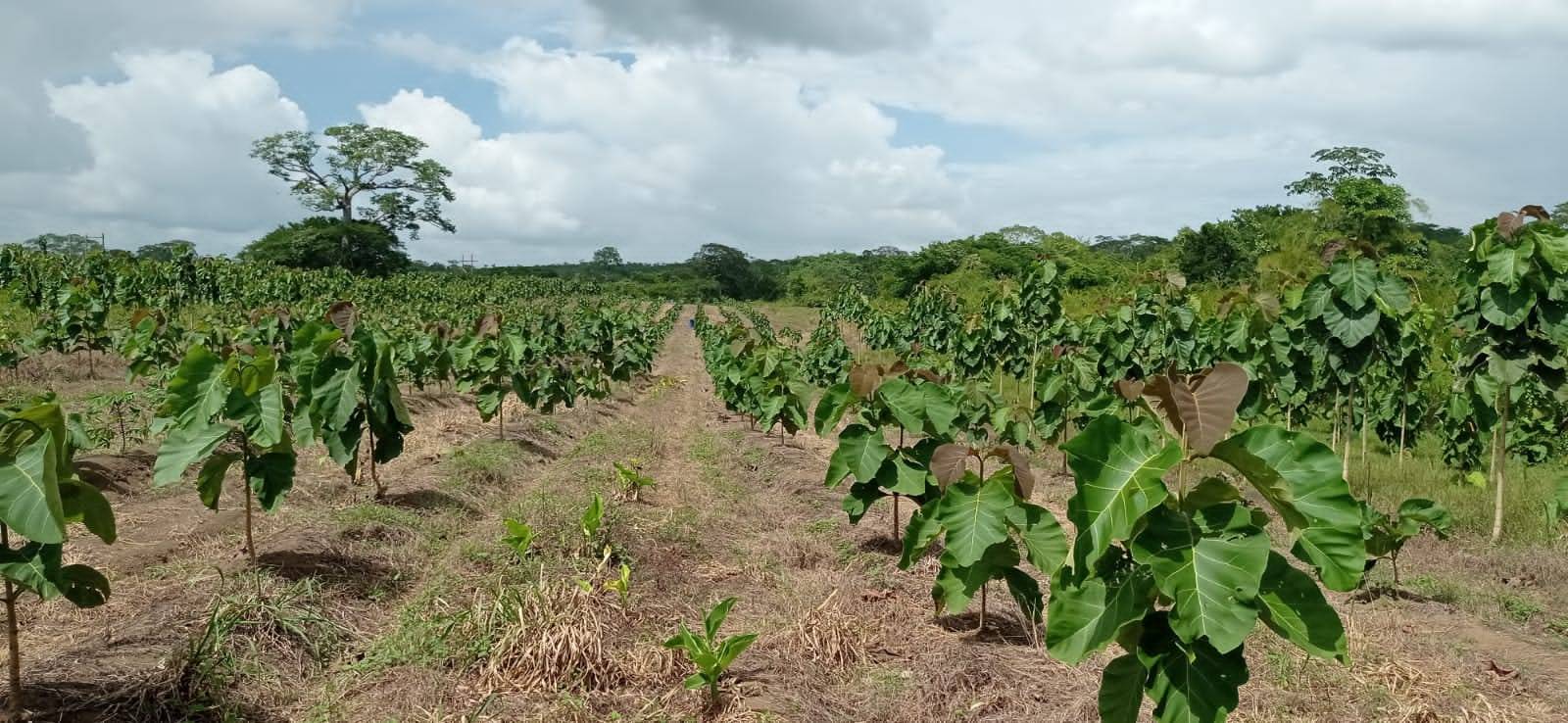
OP. This and other LP Syndicator Loss posts have actually been educational and entertaining to read. Realize that is at the investor expense. Interest 3% versus conservative projection say 6% (EVERYONE already learned this during the Housing Bust; Occupancy rates/inventory when there should be a market study; Product being Dead Brand names, Broadway shows, Crypto trading, Ownership convertible to Debt, understanding leverage and Capital Stack, Capex issues and GP experience, even if you lose everything you can still get hit with Depreciation charges, etc etc.
I have always asked on these LP posts for them to show us their Due Diligence checklist, and no one has ever responded. Even have offered to help them to develop a checklist since this is very similar to our Self Storage investments other than the Capital Stack. No one wants to learn from these situations or pass on the experience to future investors, which to me is the value of BP. Can you imagine all of the responders above, giving input and refining a Syndication Due Diligence Checklist. I would think people would pay $10,000 just for an excel spreadsheet with that.
I'm actually dealing with the same Investor concerns in our business with my partner, my Wife. We do Self Storage Development and buying, Country Subdivision lots, Teak Plantations, and some other investments. All of these have different Risk Rewards, Timelines, Financing mechanisms. Our returns actual/projected range from 120%/200%/400%/1000%/5000%. Over time frames of 10 months, 2 years, 5 years, 25years.
Actually, have one investment the very week after we invested, we lost 30%. This will still end up being a 200% gain over 2 years. This one hurt the worst in her confidence over our (my) business deals. All other experiences and returns were washed to the wayside. Only represents about 5% of our wealth, the original investment. But still lost a lot of "Trust".
I don't like "Trust". Both of us are Accountants by trade. I believe in numbers and assumptions. And Risk scenarios. Although I lay out all of the Business Deal Analysis, or the work, she refuses to go thru the Deal Analysis, logic and Risk scenarios.
My point. I am married to my investor/partner. She Trusts me. Refuses to look at the Deal Analysis and Risk Scenarios, even though she is totally qualified and trained. The only deal where I have ever lost money was raising Cattle and that was more of a hobby. Took me 10 years to finally learn the business and then got out when our son came along.
Now all of our deals have been GREAT. But the difference between these LP posts and our deals are ours were Successful. But otherwise, they are the same story, my investor/Partner never did the deep dive into the Deal Analysis.
Recommendation. Start a Post. Make the first pass at doing a LP Syndication Deal Analysis yourself. Then ask people to provide input and suggestions. Then Sell it on BP for $10,000 per Excel spreadsheet. People will still not use it. Offer them $500 for 2 hours of you walking them thru the logic and understanding the issues. This is Cheap. Cheap???
I use BP to kill time between projects. Was spraying weeds, stopped for dinner. Get on BP and make some posts. IF we would help people do Self Storage deals, we would charge $1,000,000 payable within 5 years "After" the deal is done. Only if the $1,000,000 value was created. If only $800,000 then they don't pay. Now that's a great Syndication or Coaching program. You pay only if your meet the success target, after the fact when you have the value, within a certain timeframe.
So yes, your $10,000 for a LP Syndication spreadsheet and 2 hours personal time is Cheap.
Sell 10 of these and you have $105,000.
Remember to Diversify.
You're inhaling too much of that weed killer if you think folks are dropping $10k on an excel spreadsheet from some rando on BP.
OP. This and other LP Syndicator Loss posts have actually been educational and entertaining to read. Realize that is at the investor expense. Interest 3% versus conservative projection say 6% (EVERYONE already learned this during the Housing Bust; Occupancy rates/inventory when there should be a market study; Product being Dead Brand names, Broadway shows, Crypto trading, Ownership convertible to Debt, understanding leverage and Capital Stack, Capex issues and GP experience, even if you lose everything you can still get hit with Depreciation charges, etc etc.
I have always asked on these LP posts for them to show us their Due Diligence checklist, and no one has ever responded. Even have offered to help them to develop a checklist since this is very similar to our Self Storage investments other than the Capital Stack. No one wants to learn from these situations or pass on the experience to future investors, which to me is the value of BP. Can you imagine all of the responders above, giving input and refining a Syndication Due Diligence Checklist. I would think people would pay $10,000 just for an excel spreadsheet with that.
I'm actually dealing with the same Investor concerns in our business with my partner, my Wife. We do Self Storage Development and buying, Country Subdivision lots, Teak Plantations, and some other investments. All of these have different Risk Rewards, Timelines, Financing mechanisms. Our returns actual/projected range from 120%/200%/400%/1000%/5000%. Over time frames of 10 months, 2 years, 5 years, 25years.
Actually, have one investment the very week after we invested, we lost 30%. This will still end up being a 200% gain over 2 years. This one hurt the worst in her confidence over our (my) business deals. All other experiences and returns were washed to the wayside. Only represents about 5% of our wealth, the original investment. But still lost a lot of "Trust".
I don't like "Trust". Both of us are Accountants by trade. I believe in numbers and assumptions. And Risk scenarios. Although I lay out all of the Business Deal Analysis, or the work, she refuses to go thru the Deal Analysis, logic and Risk scenarios.
My point. I am married to my investor/partner. She Trusts me. Refuses to look at the Deal Analysis and Risk Scenarios, even though she is totally qualified and trained. The only deal where I have ever lost money was raising Cattle and that was more of a hobby. Took me 10 years to finally learn the business and then got out when our son came along.
Now all of our deals have been GREAT. But the difference between these LP posts and our deals are ours were Successful. But otherwise, they are the same story, my investor/Partner never did the deep dive into the Deal Analysis.
Recommendation. Start a Post. Make the first pass at doing a LP Syndication Deal Analysis yourself. Then ask people to provide input and suggestions. Then Sell it on BP for $10,000 per Excel spreadsheet. People will still not use it. Offer them $500 for 2 hours of you walking them thru the logic and understanding the issues. This is Cheap. Cheap???
I use BP to kill time between projects. Was spraying weeds, stopped for dinner. Get on BP and make some posts. IF we would help people do Self Storage deals, we would charge $1,000,000 payable within 5 years "After" the deal is done. Only if the $1,000,000 value was created. If only $800,000 then they don't pay. Now that's a great Syndication or Coaching program. You pay only if your meet the success target, after the fact when you have the value, within a certain timeframe.
So yes, your $10,000 for a LP Syndication spreadsheet and 2 hours personal time is Cheap.
Sell 10 of these and you have $105,000.
Remember to Diversify.
You're inhaling too much of that weed killer if you think folks are dropping $10k on an excel spreadsheet from some rando on BP.
I hate to admit this, but when i see a post come to the top of my feed and the last comment is from James Wise, I am always curious which direction the post is going to be headed as you know you are getting an unfiltered opinion.
$10k for an excel sheet of any DD checklist is insane. Pay an attorney to review the offering and hire a broker dealer for 2% commission to review the deal.
As a sidenote, for those mentioning no place to get checklists, there are many on linkedin and other places. I know we have posted a short version and a 30 page due diligence checklist (for free) to people on linkedin, podcast, website and other places. Finding a DD checklist is easy to find. We even tell people what are good vs bad answers....
OP. This and other LP Syndicator Loss posts have actually been educational and entertaining to read. Realize that is at the investor expense. Interest 3% versus conservative projection say 6% (EVERYONE already learned this during the Housing Bust; Occupancy rates/inventory when there should be a market study; Product being Dead Brand names, Broadway shows, Crypto trading, Ownership convertible to Debt, understanding leverage and Capital Stack, Capex issues and GP experience, even if you lose everything you can still get hit with Depreciation charges, etc etc.
I have always asked on these LP posts for them to show us their Due Diligence checklist, and no one has ever responded. Even have offered to help them to develop a checklist since this is very similar to our Self Storage investments other than the Capital Stack. No one wants to learn from these situations or pass on the experience to future investors, which to me is the value of BP. Can you imagine all of the responders above, giving input and refining a Syndication Due Diligence Checklist. I would think people would pay $10,000 just for an excel spreadsheet with that.
I'm actually dealing with the same Investor concerns in our business with my partner, my Wife. We do Self Storage Development and buying, Country Subdivision lots, Teak Plantations, and some other investments. All of these have different Risk Rewards, Timelines, Financing mechanisms. Our returns actual/projected range from 120%/200%/400%/1000%/5000%. Over time frames of 10 months, 2 years, 5 years, 25years.
Actually, have one investment the very week after we invested, we lost 30%. This will still end up being a 200% gain over 2 years. This one hurt the worst in her confidence over our (my) business deals. All other experiences and returns were washed to the wayside. Only represents about 5% of our wealth, the original investment. But still lost a lot of "Trust".
I don't like "Trust". Both of us are Accountants by trade. I believe in numbers and assumptions. And Risk scenarios. Although I lay out all of the Business Deal Analysis, or the work, she refuses to go thru the Deal Analysis, logic and Risk scenarios.
My point. I am married to my investor/partner. She Trusts me. Refuses to look at the Deal Analysis and Risk Scenarios, even though she is totally qualified and trained. The only deal where I have ever lost money was raising Cattle and that was more of a hobby. Took me 10 years to finally learn the business and then got out when our son came along.
Now all of our deals have been GREAT. But the difference between these LP posts and our deals are ours were Successful. But otherwise, they are the same story, my investor/Partner never did the deep dive into the Deal Analysis.
Recommendation. Start a Post. Make the first pass at doing a LP Syndication Deal Analysis yourself. Then ask people to provide input and suggestions. Then Sell it on BP for $10,000 per Excel spreadsheet. People will still not use it. Offer them $500 for 2 hours of you walking them thru the logic and understanding the issues. This is Cheap. Cheap???
I use BP to kill time between projects. Was spraying weeds, stopped for dinner. Get on BP and make some posts. IF we would help people do Self Storage deals, we would charge $1,000,000 payable within 5 years "After" the deal is done. Only if the $1,000,000 value was created. If only $800,000 then they don't pay. Now that's a great Syndication or Coaching program. You pay only if your meet the success target, after the fact when you have the value, within a certain timeframe.
So yes, your $10,000 for a LP Syndication spreadsheet and 2 hours personal time is Cheap.
Sell 10 of these and you have $105,000.
Remember to Diversify.
You're inhaling too much of that weed killer if you think folks are dropping $10k on an excel spreadsheet from some rando on BP.
I hate to admit this, but when i see a post come to the top of my feed and the last comment is from James Wise, I am always curious which direction the post is going to be headed as you know you are getting an unfiltered opinion.
$10k for an excel sheet of any DD checklist is insane. Pay an attorney to review the offering and hire a broker dealer for 2% commission to review the deal.
As a sidenote, for those mentioning no place to get checklists, there are many on linkedin and other places. I know we have posted a short version and a 30 page due diligence checklist (for free) to people on linkedin, podcast, website and other places. Finding a DD checklist is easy to find. We even tell people what are good vs bad answers....
It's only insane if you ain't high on herbicides bro.
OP. This and other LP Syndicator Loss posts have actually been educational and entertaining to read. Realize that is at the investor expense. Interest 3% versus conservative projection say 6% (EVERYONE already learned this during the Housing Bust; Occupancy rates/inventory when there should be a market study; Product being Dead Brand names, Broadway shows, Crypto trading, Ownership convertible to Debt, understanding leverage and Capital Stack, Capex issues and GP experience, even if you lose everything you can still get hit with Depreciation charges, etc etc.
I have always asked on these LP posts for them to show us their Due Diligence checklist, and no one has ever responded. Even have offered to help them to develop a checklist since this is very similar to our Self Storage investments other than the Capital Stack. No one wants to learn from these situations or pass on the experience to future investors, which to me is the value of BP. Can you imagine all of the responders above, giving input and refining a Syndication Due Diligence Checklist. I would think people would pay $10,000 just for an excel spreadsheet with that.
I'm actually dealing with the same Investor concerns in our business with my partner, my Wife. We do Self Storage Development and buying, Country Subdivision lots, Teak Plantations, and some other investments. All of these have different Risk Rewards, Timelines, Financing mechanisms. Our returns actual/projected range from 120%/200%/400%/1000%/5000%. Over time frames of 10 months, 2 years, 5 years, 25years.
Actually, have one investment the very week after we invested, we lost 30%. This will still end up being a 200% gain over 2 years. This one hurt the worst in her confidence over our (my) business deals. All other experiences and returns were washed to the wayside. Only represents about 5% of our wealth, the original investment. But still lost a lot of "Trust".
I don't like "Trust". Both of us are Accountants by trade. I believe in numbers and assumptions. And Risk scenarios. Although I lay out all of the Business Deal Analysis, or the work, she refuses to go thru the Deal Analysis, logic and Risk scenarios.
My point. I am married to my investor/partner. She Trusts me. Refuses to look at the Deal Analysis and Risk Scenarios, even though she is totally qualified and trained. The only deal where I have ever lost money was raising Cattle and that was more of a hobby. Took me 10 years to finally learn the business and then got out when our son came along.
Now all of our deals have been GREAT. But the difference between these LP posts and our deals are ours were Successful. But otherwise, they are the same story, my investor/Partner never did the deep dive into the Deal Analysis.
Recommendation. Start a Post. Make the first pass at doing a LP Syndication Deal Analysis yourself. Then ask people to provide input and suggestions. Then Sell it on BP for $10,000 per Excel spreadsheet. People will still not use it. Offer them $500 for 2 hours of you walking them thru the logic and understanding the issues. This is Cheap. Cheap???
I use BP to kill time between projects. Was spraying weeds, stopped for dinner. Get on BP and make some posts. IF we would help people do Self Storage deals, we would charge $1,000,000 payable within 5 years "After" the deal is done. Only if the $1,000,000 value was created. If only $800,000 then they don't pay. Now that's a great Syndication or Coaching program. You pay only if your meet the success target, after the fact when you have the value, within a certain timeframe.
So yes, your $10,000 for a LP Syndication spreadsheet and 2 hours personal time is Cheap.
Sell 10 of these and you have $105,000.
Remember to Diversify.
You're inhaling too much of that weed killer if you think folks are dropping $10k on an excel spreadsheet from some rando on BP.
OP. This and other LP Syndicator Loss posts have actually been educational and entertaining to read. Realize that is at the investor expense. Interest 3% versus conservative projection say 6% (EVERYONE already learned this during the Housing Bust; Occupancy rates/inventory when there should be a market study; Product being Dead Brand names, Broadway shows, Crypto trading, Ownership convertible to Debt, understanding leverage and Capital Stack, Capex issues and GP experience, even if you lose everything you can still get hit with Depreciation charges, etc etc.
I have always asked on these LP posts for them to show us their Due Diligence checklist, and no one has ever responded. Even have offered to help them to develop a checklist since this is very similar to our Self Storage investments other than the Capital Stack. No one wants to learn from these situations or pass on the experience to future investors, which to me is the value of BP. Can you imagine all of the responders above, giving input and refining a Syndication Due Diligence Checklist. I would think people would pay $10,000 just for an excel spreadsheet with that.
I'm actually dealing with the same Investor concerns in our business with my partner, my Wife. We do Self Storage Development and buying, Country Subdivision lots, Teak Plantations, and some other investments. All of these have different Risk Rewards, Timelines, Financing mechanisms. Our returns actual/projected range from 120%/200%/400%/1000%/5000%. Over time frames of 10 months, 2 years, 5 years, 25years.
Actually, have one investment the very week after we invested, we lost 30%. This will still end up being a 200% gain over 2 years. This one hurt the worst in her confidence over our (my) business deals. All other experiences and returns were washed to the wayside. Only represents about 5% of our wealth, the original investment. But still lost a lot of "Trust".
I don't like "Trust". Both of us are Accountants by trade. I believe in numbers and assumptions. And Risk scenarios. Although I lay out all of the Business Deal Analysis, or the work, she refuses to go thru the Deal Analysis, logic and Risk scenarios.
My point. I am married to my investor/partner. She Trusts me. Refuses to look at the Deal Analysis and Risk Scenarios, even though she is totally qualified and trained. The only deal where I have ever lost money was raising Cattle and that was more of a hobby. Took me 10 years to finally learn the business and then got out when our son came along.
Now all of our deals have been GREAT. But the difference between these LP posts and our deals are ours were Successful. But otherwise, they are the same story, my investor/Partner never did the deep dive into the Deal Analysis.
Recommendation. Start a Post. Make the first pass at doing a LP Syndication Deal Analysis yourself. Then ask people to provide input and suggestions. Then Sell it on BP for $10,000 per Excel spreadsheet. People will still not use it. Offer them $500 for 2 hours of you walking them thru the logic and understanding the issues. This is Cheap. Cheap???
I use BP to kill time between projects. Was spraying weeds, stopped for dinner. Get on BP and make some posts. IF we would help people do Self Storage deals, we would charge $1,000,000 payable within 5 years "After" the deal is done. Only if the $1,000,000 value was created. If only $800,000 then they don't pay. Now that's a great Syndication or Coaching program. You pay only if your meet the success target, after the fact when you have the value, within a certain timeframe.
So yes, your $10,000 for a LP Syndication spreadsheet and 2 hours personal time is Cheap.
Sell 10 of these and you have $105,000.
Remember to Diversify.
You're inhaling too much of that weed killer if you think folks are dropping $10k on an excel spreadsheet from some rando on BP.
I hate to admit this, but when i see a post come to the top of my feed and the last comment is from James Wise, I am always curious which direction the post is going to be headed as you know you are getting an unfiltered opinion.
$10k for an excel sheet of any DD checklist is insane. Pay an attorney to review the offering and hire a broker dealer for 2% commission to review the deal.
As a sidenote, for those mentioning no place to get checklists, there are many on linkedin and other places. I know we have posted a short version and a 30 page due diligence checklist (for free) to people on linkedin, podcast, website and other places. Finding a DD checklist is easy to find. We even tell people what are good vs bad answers....
It's only insane if you ain't high on herbicides bro.
I made a post over in the Commercial section. Put @James Wise but you don’t show. Please give your input on it. Thanks.
OP. This and other LP Syndicator Loss posts have actually been educational and entertaining to read. Realize that is at the investor expense. Interest 3% versus conservative projection say 6% (EVERYONE already learned this during the Housing Bust; Occupancy rates/inventory when there should be a market study; Product being Dead Brand names, Broadway shows, Crypto trading, Ownership convertible to Debt, understanding leverage and Capital Stack, Capex issues and GP experience, even if you lose everything you can still get hit with Depreciation charges, etc etc.
I have always asked on these LP posts for them to show us their Due Diligence checklist, and no one has ever responded. Even have offered to help them to develop a checklist since this is very similar to our Self Storage investments other than the Capital Stack. No one wants to learn from these situations or pass on the experience to future investors, which to me is the value of BP. Can you imagine all of the responders above, giving input and refining a Syndication Due Diligence Checklist. I would think people would pay $10,000 just for an excel spreadsheet with that.
I'm actually dealing with the same Investor concerns in our business with my partner, my Wife. We do Self Storage Development and buying, Country Subdivision lots, Teak Plantations, and some other investments. All of these have different Risk Rewards, Timelines, Financing mechanisms. Our returns actual/projected range from 120%/200%/400%/1000%/5000%. Over time frames of 10 months, 2 years, 5 years, 25years.
Actually, have one investment the very week after we invested, we lost 30%. This will still end up being a 200% gain over 2 years. This one hurt the worst in her confidence over our (my) business deals. All other experiences and returns were washed to the wayside. Only represents about 5% of our wealth, the original investment. But still lost a lot of "Trust".
I don't like "Trust". Both of us are Accountants by trade. I believe in numbers and assumptions. And Risk scenarios. Although I lay out all of the Business Deal Analysis, or the work, she refuses to go thru the Deal Analysis, logic and Risk scenarios.
My point. I am married to my investor/partner. She Trusts me. Refuses to look at the Deal Analysis and Risk Scenarios, even though she is totally qualified and trained. The only deal where I have ever lost money was raising Cattle and that was more of a hobby. Took me 10 years to finally learn the business and then got out when our son came along.
Now all of our deals have been GREAT. But the difference between these LP posts and our deals are ours were Successful. But otherwise, they are the same story, my investor/Partner never did the deep dive into the Deal Analysis.
Recommendation. Start a Post. Make the first pass at doing a LP Syndication Deal Analysis yourself. Then ask people to provide input and suggestions. Then Sell it on BP for $10,000 per Excel spreadsheet. People will still not use it. Offer them $500 for 2 hours of you walking them thru the logic and understanding the issues. This is Cheap. Cheap???
I use BP to kill time between projects. Was spraying weeds, stopped for dinner. Get on BP and make some posts. IF we would help people do Self Storage deals, we would charge $1,000,000 payable within 5 years "After" the deal is done. Only if the $1,000,000 value was created. If only $800,000 then they don't pay. Now that's a great Syndication or Coaching program. You pay only if your meet the success target, after the fact when you have the value, within a certain timeframe.
So yes, your $10,000 for a LP Syndication spreadsheet and 2 hours personal time is Cheap.
Sell 10 of these and you have $105,000.
Remember to Diversify.
You're inhaling too much of that weed killer if you think folks are dropping $10k on an excel spreadsheet from some rando on BP.
I hate to admit this, but when i see a post come to the top of my feed and the last comment is from James Wise, I am always curious which direction the post is going to be headed as you know you are getting an unfiltered opinion.
$10k for an excel sheet of any DD checklist is insane. Pay an attorney to review the offering and hire a broker dealer for 2% commission to review the deal.
As a sidenote, for those mentioning no place to get checklists, there are many on linkedin and other places. I know we have posted a short version and a 30 page due diligence checklist (for free) to people on linkedin, podcast, website and other places. Finding a DD checklist is easy to find. We even tell people what are good vs bad answers....
It's only insane if you ain't high on herbicides bro.
I made a post over in the Commercial section. Put @James Wise but you don’t show. Please give your input on it. Thanks.
Sure, post the link and I'll take a look.
OP. This and other LP Syndicator Loss posts have actually been educational and entertaining to read. Realize that is at the investor expense. Interest 3% versus conservative projection say 6% (EVERYONE already learned this during the Housing Bust; Occupancy rates/inventory when there should be a market study; Product being Dead Brand names, Broadway shows, Crypto trading, Ownership convertible to Debt, understanding leverage and Capital Stack, Capex issues and GP experience, even if you lose everything you can still get hit with Depreciation charges, etc etc.
I have always asked on these LP posts for them to show us their Due Diligence checklist, and no one has ever responded. Even have offered to help them to develop a checklist since this is very similar to our Self Storage investments other than the Capital Stack. No one wants to learn from these situations or pass on the experience to future investors, which to me is the value of BP. Can you imagine all of the responders above, giving input and refining a Syndication Due Diligence Checklist. I would think people would pay $10,000 just for an excel spreadsheet with that.
I'm actually dealing with the same Investor concerns in our business with my partner, my Wife. We do Self Storage Development and buying, Country Subdivision lots, Teak Plantations, and some other investments. All of these have different Risk Rewards, Timelines, Financing mechanisms. Our returns actual/projected range from 120%/200%/400%/1000%/5000%. Over time frames of 10 months, 2 years, 5 years, 25years.
Actually, have one investment the very week after we invested, we lost 30%. This will still end up being a 200% gain over 2 years. This one hurt the worst in her confidence over our (my) business deals. All other experiences and returns were washed to the wayside. Only represents about 5% of our wealth, the original investment. But still lost a lot of "Trust".
I don't like "Trust". Both of us are Accountants by trade. I believe in numbers and assumptions. And Risk scenarios. Although I lay out all of the Business Deal Analysis, or the work, she refuses to go thru the Deal Analysis, logic and Risk scenarios.
My point. I am married to my investor/partner. She Trusts me. Refuses to look at the Deal Analysis and Risk Scenarios, even though she is totally qualified and trained. The only deal where I have ever lost money was raising Cattle and that was more of a hobby. Took me 10 years to finally learn the business and then got out when our son came along.
Now all of our deals have been GREAT. But the difference between these LP posts and our deals are ours were Successful. But otherwise, they are the same story, my investor/Partner never did the deep dive into the Deal Analysis.
Recommendation. Start a Post. Make the first pass at doing a LP Syndication Deal Analysis yourself. Then ask people to provide input and suggestions. Then Sell it on BP for $10,000 per Excel spreadsheet. People will still not use it. Offer them $500 for 2 hours of you walking them thru the logic and understanding the issues. This is Cheap. Cheap???
I use BP to kill time between projects. Was spraying weeds, stopped for dinner. Get on BP and make some posts. IF we would help people do Self Storage deals, we would charge $1,000,000 payable within 5 years "After" the deal is done. Only if the $1,000,000 value was created. If only $800,000 then they don't pay. Now that's a great Syndication or Coaching program. You pay only if your meet the success target, after the fact when you have the value, within a certain timeframe.
So yes, your $10,000 for a LP Syndication spreadsheet and 2 hours personal time is Cheap.
Sell 10 of these and you have $105,000.
Remember to Diversify.
You're inhaling too much of that weed killer if you think folks are dropping $10k on an excel spreadsheet from some rando on BP.
I hate to admit this, but when i see a post come to the top of my feed and the last comment is from James Wise, I am always curious which direction the post is going to be headed as you know you are getting an unfiltered opinion.
$10k for an excel sheet of any DD checklist is insane. Pay an attorney to review the offering and hire a broker dealer for 2% commission to review the deal.
As a sidenote, for those mentioning no place to get checklists, there are many on linkedin and other places. I know we have posted a short version and a 30 page due diligence checklist (for free) to people on linkedin, podcast, website and other places. Finding a DD checklist is easy to find. We even tell people what are good vs bad answers....
It's only insane if you ain't high on herbicides bro.
I made a post over in the Commercial section. Put @James Wise but you don’t show. Please give your input on it. Thanks.
Sure, post the link and I'll take a look.
@Bryn Kaufman Your most recent post helps me understand your viewpoint. You’re not understanding why your LP investment was wiped out. Hope this helps: The 80% is borrowed money, there is still an obligation to repay it. When you’re writing a check at settlement as is the case in my very realistic hypothetical that means the investor lost all of their money. Actually more than their initial investment.
The parallel would be: LP makes investment then agrees to capital calls and later recieved no return of capital. Same thing, total loss. I would find it to be very unlikely for the syndicated real estate to be reduced to a value of zero. The reason why the LP is wiped out is because there’s loans on the real estate that are priority repayments, plus expenses and costs associated with exiting the real estate which together compromises the LP equity. No different than equity in direct ownership real estate.
Yes, there is greater control with direct ownership but control in itself does prevent a total loss of investment capital from occurring. I truly hope this concept is understood before you venture into any further real estate investments whether through direct ownership or partnerships/syndications.
Sorry to hear about this. I'm fairly new to this space and didn't know about syndications until a few years ago. So it sucks to see stories like this that I'm sure has to leave a bad taste and I can imagine likely cause much more pain. I do feel like marketing has its place in any business though, especially these days where capital isn't as easy to raise as it might have been in the past (or so I've heard from other syndicators). But yeah, marketing shouldn't be a replacement for experience, and experiece should absolutely come first, and people should take substantial time vetting and building relationships with operators before investing. Unfortunately marketing can make people forget or dismiss those things. Hope things turn out okay for you.
I have bought hundreds of properties where the previous owners lost 100% of their investments. That would include all properties bought at Tax Sales, Sheriff Sales, HUD & VA properties, bank owned properties,and other forced sales. I bought a whole development at a Sheriff Sale where the foreclosing entitiy was a nursing home. I bought a multi-unit apartment building directly from the owner (not lsited) where he sold it to me for the same price that he paid three years earlier. It was his one and only rental and he decided being a landlord was not for him. He was glad to rid himself of the burden of landlording. In some force sales the bidding exceeds the amount of taxes, mortgages, judgements and liens owed, but not very often does the original owner get any proceeds.

