How We Standardized Materials to Reduce Maintenance Costs

How We Standardized Materials to Reduce Maintenance Costs

James JonesPro Member
Investor · Collierville, TN 38017 · Member since 2017 · 592 posts · 445 votes

Most landlords think maintenance is unpredictable. It’s not. It’s usually the result of inconsistent rehab decisions, mismatched materials, and every property looking like it was renovated by a different contractor. The more variation you have, the more money you lose.

We solved this problem by standardizing the materials across our entire portfolio. The result: lower costs, faster turns, fewer surprises, and crews who can walk into any property and know exactly what to do.

Here’s how we did it:

1. One flooring type across all rentals.

LVP looks good, but it fails under heavy use and moisture. We switched to durable tile in high-traffic areas because it survives long-term Section 8 tenancy. Our turn costs dropped immediately.

2. One paint color for every property.

We use the same color, same sheen, and the same trim combination across all units.

Benefits:

• No mismatched touch-up areas

• Bulk purchasing power

• Faster turns because crews don’t have to ask questions

It’s simple and cost-efficient.

3. One standard vanity, cabinet, and hardware package.

We picked materials that are durable, stocked, and always available. No special orders. No delays.

If a drawer breaks, we swap it. If a cabinet fails, we already have the replacement spec. Zero surprises.

4. One lighting and fixture package.

Lights, faucets, door hardware, all identical.

Our crews carry a small kit of replacements that fit every property.

Fewer SKUs mean fewer mistakes, faster repairs, and lower labor time.

5. Standardized tubs, tile walls, and plumbing fixtures.

We avoid custom showers entirely. They look great until they start leaking.

Standard = cheaper to install, cheaper to repair, cheaper to replace.

6. One set of exterior materials.

Same door type. Same windows. Same locks.

This consistency creates efficiency not just in repairs, but in safety, security, and inspections.

7. All of this feeds into predictable bids.

Because every rehab uses the same materials, our contractors bid faster and more accurately.

If a 3-bedroom takes X paint, Y tile, Z fixtures, the numbers become predictable.

Predictability = control.

Control = profitability.

Standardization isn’t just a rehab strategy.

It’s an entire operational system that protects cash flow, accelerates scaling, and turns maintenance into a manageable, predictable line item.

What materials have cost you the most money over the years, and what did you switch to?

3Reply
81 views

Most Popular Reply

Drew SygitBusiness Member
Property Manager · Royal Oak, MI · Member since 2012 · 12k+ posts · 9k+ votes
9mo

What about partial rehabs?

Not every property needs a full rehab or It doesn't always make economic sense.

So, we also have stadardized materials - with flexibility. 

We have 3 color-schemes, that we can adapt to most existing schemes.

Same goes for flooring: we try to save hardwood whenver possible, otherwise LVP, last carpet. 

Every light fixture replaced now is with LED.

See this reply in the discussion

6 Replies

Jump to latestLatest
  • Eric FernwoodBusiness Member
    Realtor · Las Vegas, NV · Member since 2014 · 992 posts · 1k+ votes
    9mo

    Excellent post, @James Jones.

    We standardized all major renovation components in 2017. We've completed over 600 renovations of clients' properties, and almost all interiors look the same. Our target demographic is families with young children and household incomes between $60,000 and $85,000. Our demographic prefers single-family homes. Our average tenant stay exceeds 5 years, and we rarely experience significant property damage. I believe this is due to the skill of the property manager we work with, our renovation method, and the pro-landlord laws in Nevada.

    A huge advantage of standardization is that the installation method is the same in all properties. We complete 4 to 7 renovations each month, and we have a dedicated team member who goes on-site every other day and takes a progress video for our clients. While the person is on-site, she validates that all installations meet our quality standards.

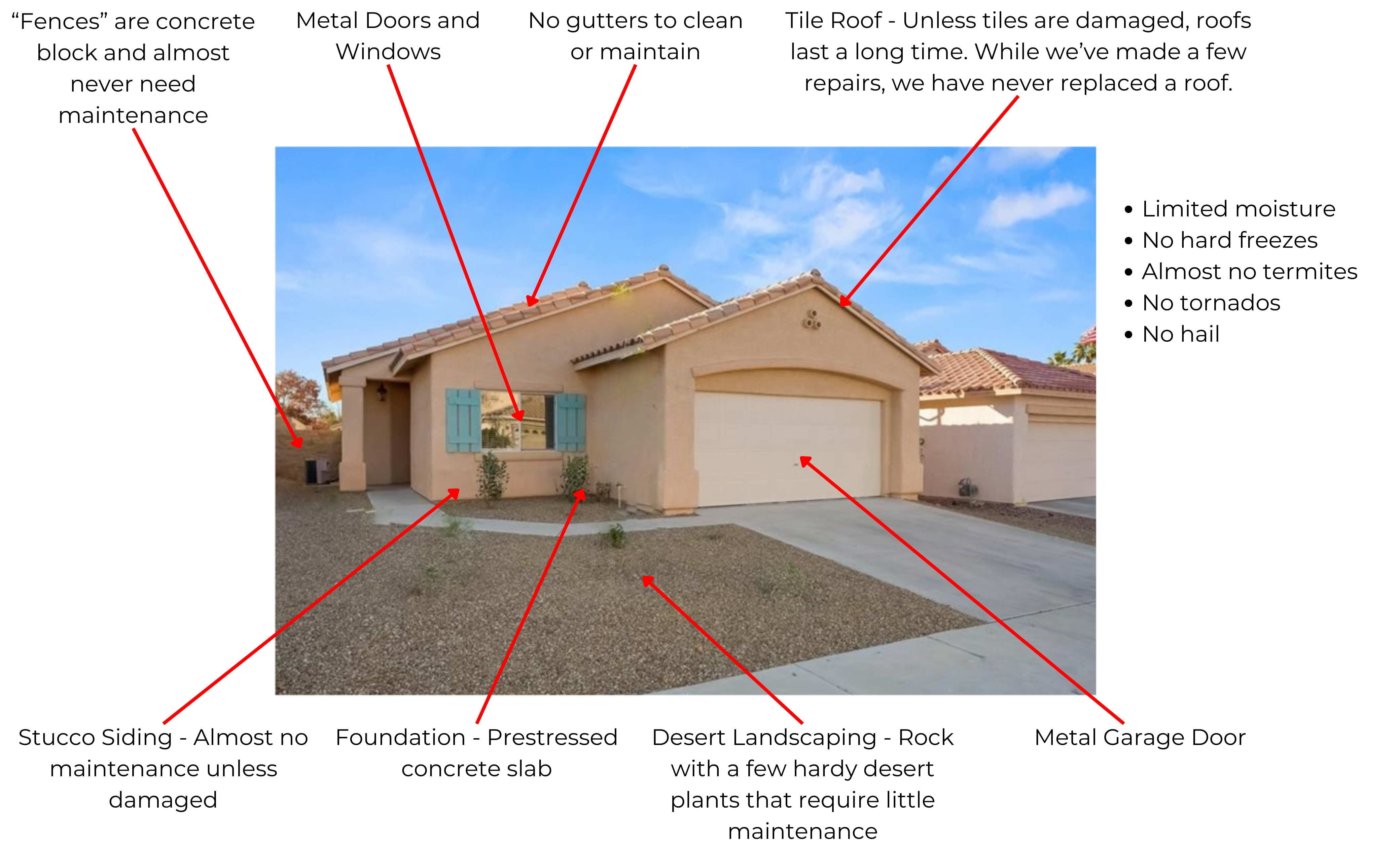
    Las Vegas is in the Mojave Desert, which requires specific construction materials to survive the heat. See the image below for a typical rental property. So, the exteriors are very durable.

    Some of the standardized materials include:

    Paint

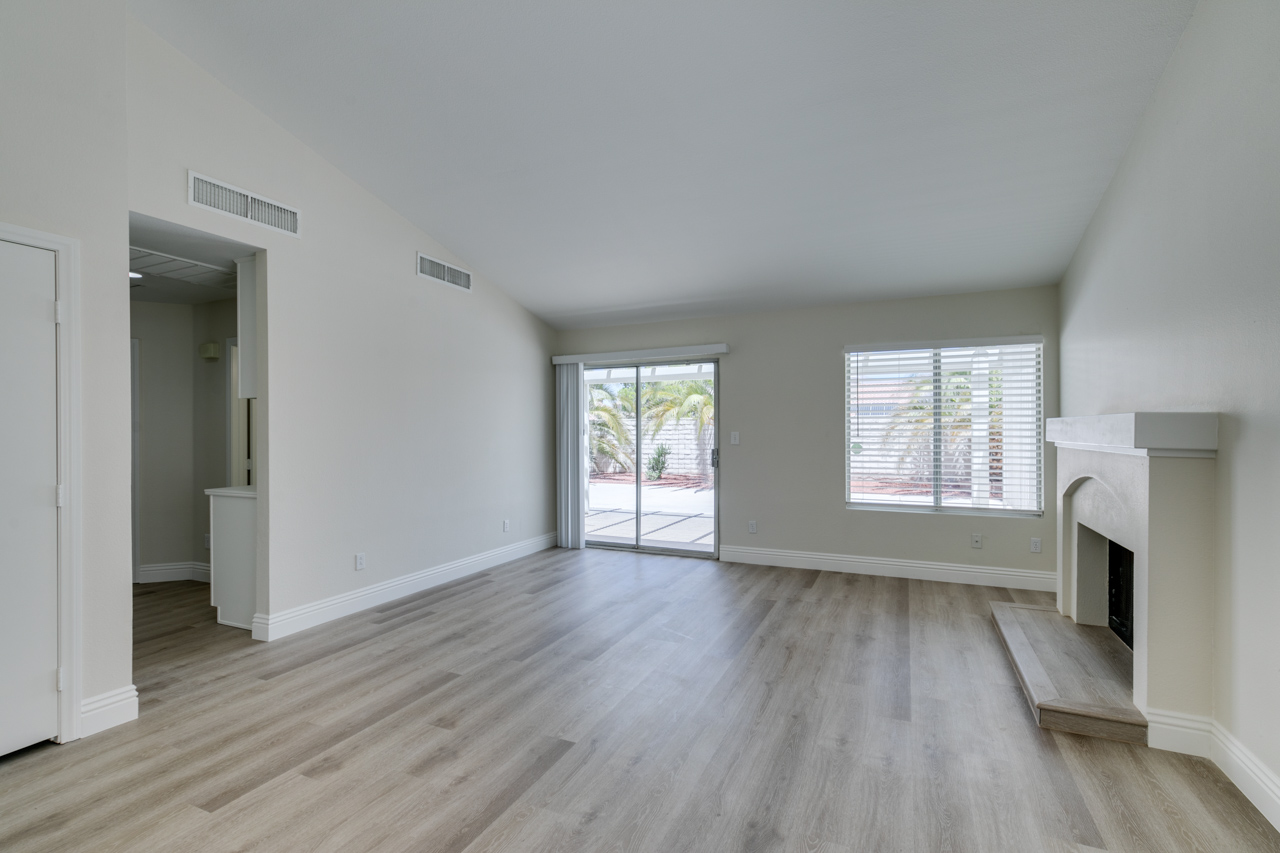
    We use the same color scheme on every property. See the photo below.

    We use eggshell sheen on the walls because we can touch up eggshell, and it does not show. We cannot touch up flat paint because every touch-up shows. Also, with eggshell, we can wash the walls and remove most marks without painting. We use a light tan paint on the walls because our demographic prefers this color scheme.

    Flooring

    We standardized on one color, one manufacturer of LVP. We have had almost no issues with LVP damage. The three main renovation vendors we work with buy LVP directly from the manufacturer, reducing costs.

    Light Fixtures

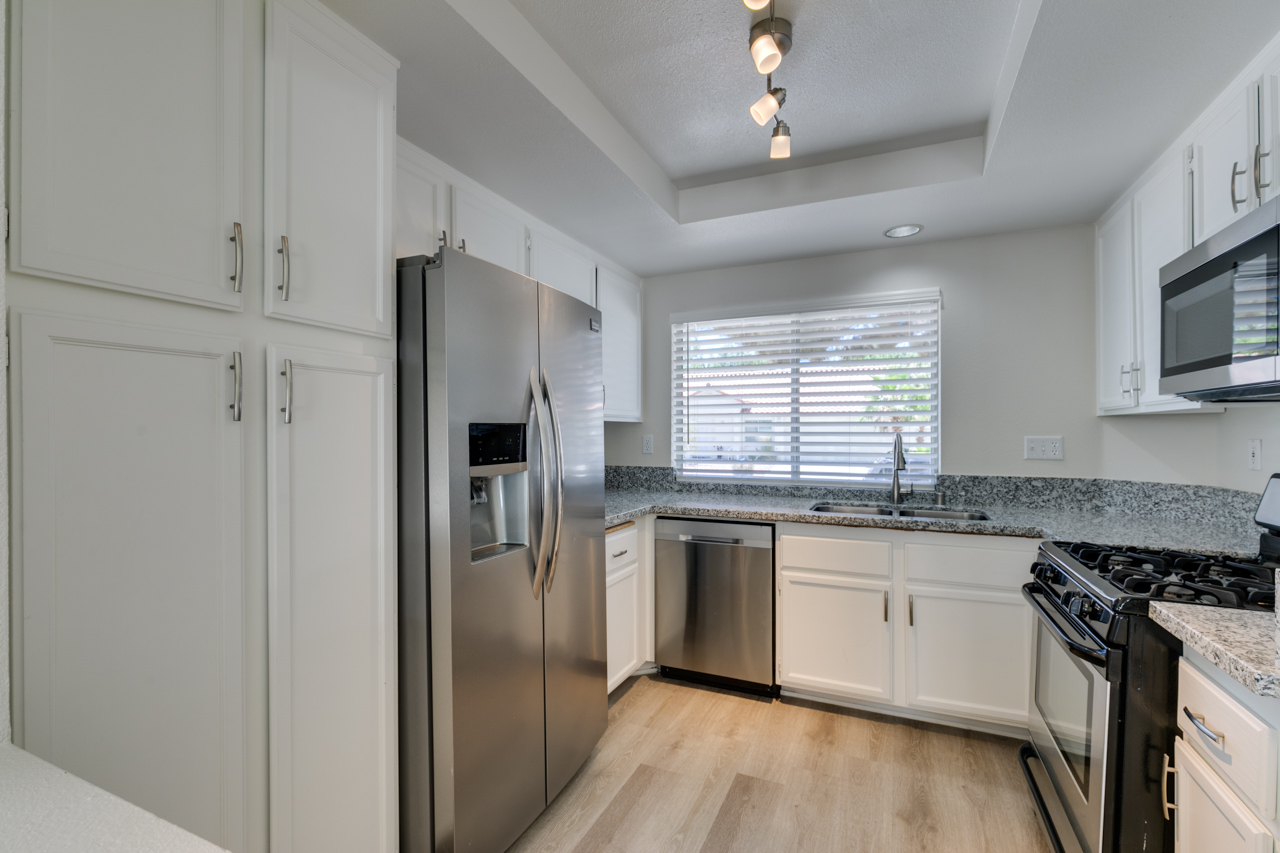
    We use a track light in the kitchens, as shown below. All lightbulbs are 4000K lights. Based on our research, properties rent faster with this color of light.

    Countertops

    We primarily use engineered quartz countertops. We use the same material on all jobs.

    Appliances

    We typically install used appliances. There is a used appliance seller who saves the best for us because of our purchase volume.

    What We Remove

    To reduce potential liability issues and service calls, we remove or replace specific items. A partial list is below.

    • Hazardous plants, including cactus, rose bushes, and anything with thorns.
    • All window screens. Windows are rarely opened due to the climate, and we have almost no flying insects in the desert.
    • All monitoring-type devices, including Ring doorbells, alarms, cameras, etc.
    • All trip hazards: larger loose rocks or bricks.
    • Water conditioners and RO systems.

    Basically, if any item does not increase the rent or decrease the time to rent, we remove it.

    FERNWOOD Team, KW VIP Realty520 Reviews
    • James JonesPro Member
      OP
      Investor · Collierville, TN 38017 · Member since 2017 · 592 posts · 445 votes
      9mo
      Quote from @Eric Fernwood:

      Excellent post, @James Jones.

      We standardized all major renovation components in 2017. We've completed over 600 renovations of clients' properties, and almost all interiors look the same. Our target demographic is families with young children and household incomes between $60,000 and $85,000. Our demographic prefers single-family homes. Our average tenant stay exceeds 5 years, and we rarely experience significant property damage. I believe this is due to the skill of the property manager we work with, our renovation method, and the pro-landlord laws in Nevada.

      A huge advantage of standardization is that the installation method is the same in all properties. We complete 4 to 7 renovations each month, and we have a dedicated team member who goes on-site every other day and takes a progress video for our clients. While the person is on-site, she validates that all installations meet our quality standards.

      Las Vegas is in the Mojave Desert, which requires specific construction materials to survive the heat. See the image below for a typical rental property. So, the exteriors are very durable.

      Some of the standardized materials include:

      Paint

      We use the same color scheme on every property. See the photo below.

      We use eggshell sheen on the walls because we can touch up eggshell, and it does not show. We cannot touch up flat paint because every touch-up shows. Also, with eggshell, we can wash the walls and remove most marks without painting. We use a light tan paint on the walls because our demographic prefers this color scheme.

      Flooring

      We standardized on one color, one manufacturer of LVP. We have had almost no issues with LVP damage. The three main renovation vendors we work with buy LVP directly from the manufacturer, reducing costs.

      Light Fixtures

      We use a track light in the kitchens, as shown below. All lightbulbs are 4000K lights. Based on our research, properties rent faster with this color of light.

      Countertops

      We primarily use engineered quartz countertops. We use the same material on all jobs.

      Appliances

      We typically install used appliances. There is a used appliance seller who saves the best for us because of our purchase volume.

      What We Remove

      To reduce potential liability issues and service calls, we remove or replace specific items. A partial list is below.

      • Hazardous plants, including cactus, rose bushes, and anything with thorns.
      • All window screens. Windows are rarely opened due to the climate, and we have almost no flying insects in the desert.
      • All monitoring-type devices, including Ring doorbells, alarms, cameras, etc.
      • All trip hazards: larger loose rocks or bricks.
      • Water conditioners and RO systems.

      Basically, if any item does not increase the rent or decrease the time to rent, we remove it.


      Appreciate that, Eric. Great points, especially around installation consistency and tenant profile. I’ve seen the same thing. When materials, install methods, and expectations are standardized, quality goes up and surprises go down.

      I also like that you tied it back to management and local laws. Standardization works best when it’s paired with the right tenant base and strong on-the-ground oversight. Different markets, same principle: fewer variables equals better performance over time.
  • Dan H.Pro Member
    Investor · Poway, CA · Member since 2015 · 7k+ posts · 8k+ votes
    9mo

    We used to paint all inis the same with same LVF.   The issue is the gray/silver color paint got dated.   The same grayish LVF did not work as will with other colors.

    We still attempt to minimize colors, but not to the extreme.

    We recognize advantages of single color paint options, same flooring, etc, but we also recognize the advantages of not having dated units.    A compromise has to be maintained.

    Good luck


    • James JonesPro Member
      OP
      Investor · Collierville, TN 38017 · Member since 2017 · 592 posts · 445 votes
      9mo
      Quote from @Dan H.:

      We used to paint all inis the same with same LVF.   The issue is the gray/silver color paint got dated.   The same grayish LVF did not work as will with other colors.

      We still attempt to minimize colors, but not to the extreme.

      We recognize advantages of single color paint options, same flooring, etc, but we also recognize the advantages of not having dated units.    A compromise has to be maintained.

      Good luck


      Great point, Dan. I agree there’s a balance to be struck, especially in markets where tenant expectations or aesthetics move faster than ours.

      For us, the goal of standardization isn’t rigidity, it’s predictability. We still evolve specs over time, but we do it intentionally and portfolio-wide rather than reactively property by property. When we change a paint color or finish, it’s a controlled shift, not a one-off decision.

      I also think market and tenant profile matter a lot here. In our case, durability, ease of maintenance, and inspection consistency tend to outweigh design trends, especially when you’re optimizing for long-term cash flow and fast turns.

      Appreciate you adding the perspective. This is exactly the kind of nuance newer investors need to hear.
  • Drew SygitBusiness Member
    Property Manager · Royal Oak, MI · Member since 2012 · 12k+ posts · 9k+ votes
    9mo

    What about partial rehabs?

    Not every property needs a full rehab or It doesn't always make economic sense.

    So, we also have stadardized materials - with flexibility. 

    We have 3 color-schemes, that we can adapt to most existing schemes.

    Same goes for flooring: we try to save hardwood whenver possible, otherwise LVP, last carpet. 

    Every light fixture replaced now is with LED.

    • James JonesPro Member
      OP
      Investor · Collierville, TN 38017 · Member since 2017 · 592 posts · 445 votes
      9mo
      Quote from @Drew Sygit:

      What about partial rehabs?

      Not every property needs a full rehab or It doesn't always make economic sense.

      So, we also have stadardized materials - with flexibility. 

      We have 3 color-schemes, that we can adapt to most existing schemes.

      Same goes for flooring: we try to save hardwood whenver possible, otherwise LVP, last carpet. 

      Every light fixture replaced now is with LED.


      Great point. I actually agree with this more than people might expect.

      When I say “standardization,” I’m not talking about full gut rehabs across the board. I’m talking about standard outcomes and materials, not standard scopes. Most of our rehabs are partial by design.

      If a floor is solid, we keep it. If cabinets are functional, they stay. The key is that when something does need to be replaced, it gets replaced with the same spec every time. That’s where the cost control comes from.

      We’ve found the biggest wins come from:
      • Knowing exactly what to replace and what to leave alone
      • Limiting decision-making during turns
      • Making sure crews don’t “get creative” mid-job

      Flexibility in scope, rigidity in materials. That combination keeps costs down without over-renovating properties that don’t need it.
Join the conversationCreate a free account to reply, vote on answers and follow this thread.