250k Fourplex Remodel and Househack/BRRR in Minneapolis

250k Fourplex Remodel and Househack/BRRR in Minneapolis

Investor · Minneapolis, MN · Member since 2019 · 129 posts · 210 votes

Investment Info: Househack/Buy and Hold Fourplex in Minneapolis, MN

Back to document another completed project. This one was stabilized in May and refinanced in July.

Purchase & Rehab

Purchase Price: 413,000

Remodel Budget: 249k + 38k in holding costs

Remodel & Value-Add: Turned from a 4-bed/4-bath with 3250 gross rents to 9-bed/6-bath with 7630 gross rents when fully occupied 

Refinance

ARV: Appraisal was for 730k (initially 700k, but I appealed)

Refinance Loan Terms: Owner occupant cash out refi. 30 yr fixed, 6.875% interest rate (0.3 pts). 75% LTV at 730k value = 547.5k

All in costs: 422k (purchase + closing costs) + 249k (reno) + 38k (holding costs) +  8k (refi closing costs) = 717k

Cash in the deal: ~170k 

Units rent for $2145, $2095, $1695 (x2, but I occupy the 4th as of now).

Gross rents: $7630 (as a full rental). Technically 7830 but I removed a $50 utility fee/unit which offsets single metered gas in the CF analysis

PITI: $4613

Phantom Cash Flow (Rents - PITI): ~$3000/month

Actual Estimated CF: ~$1840/month assuming 3% vacancy, -350 for water/garbage (high because 4plex, and there is 6 bathrooms/4 laundry), $100/unit/month for repairs and turnover costs, $50/unit/month for CapEx

Cash on cash return: 13%

Yield on cost: 9%

What made you interested in investing in this type of deal?

I got a job in Brooklyn Center and this fourplex shortened my commute and was in a great location, St Anthony East neighborhood of NE Mpls. I've found my passion for real estate is mostly in remodeling properties to add value, both with my own DIY and managing contractors so I wanted to up the ante with a bigger project (my previous remodels were 80k or less). And I got my GC license to learn how to navigate the permitting and inspection process with the city of Minneapolis.

How did you find this deal and how did you negotiate it?

Pocket listing from a realtor I've worked with before. Whisper price was 400k but there were others interested and I knew the potential for the property was high, so I went over that. A different offer was accepted initially but they were out of state and backed out due to getting a sky high bid to replace Federal Pacific electrical panels. It still cost me a pretty penny but you can save a lot when you know the right people.

How did you finance this deal?

5% down conventional for purchase

Had 180k in HELOCs from previous househacks for the remodel, plus my own savings and some 0% APR credit cards. One thing to note for the 0% credit cards is I did not need to use these, but I chose to as I was able to earn a lot of sign up bonuses, and also I knew I could just pay them off with my HELOCs towards the end of the promo period as those were not fully tapped out. I would not rely on a hitting a lofty refinance value to pay off potentially high interest credit cards.

How did you add value to the deal?

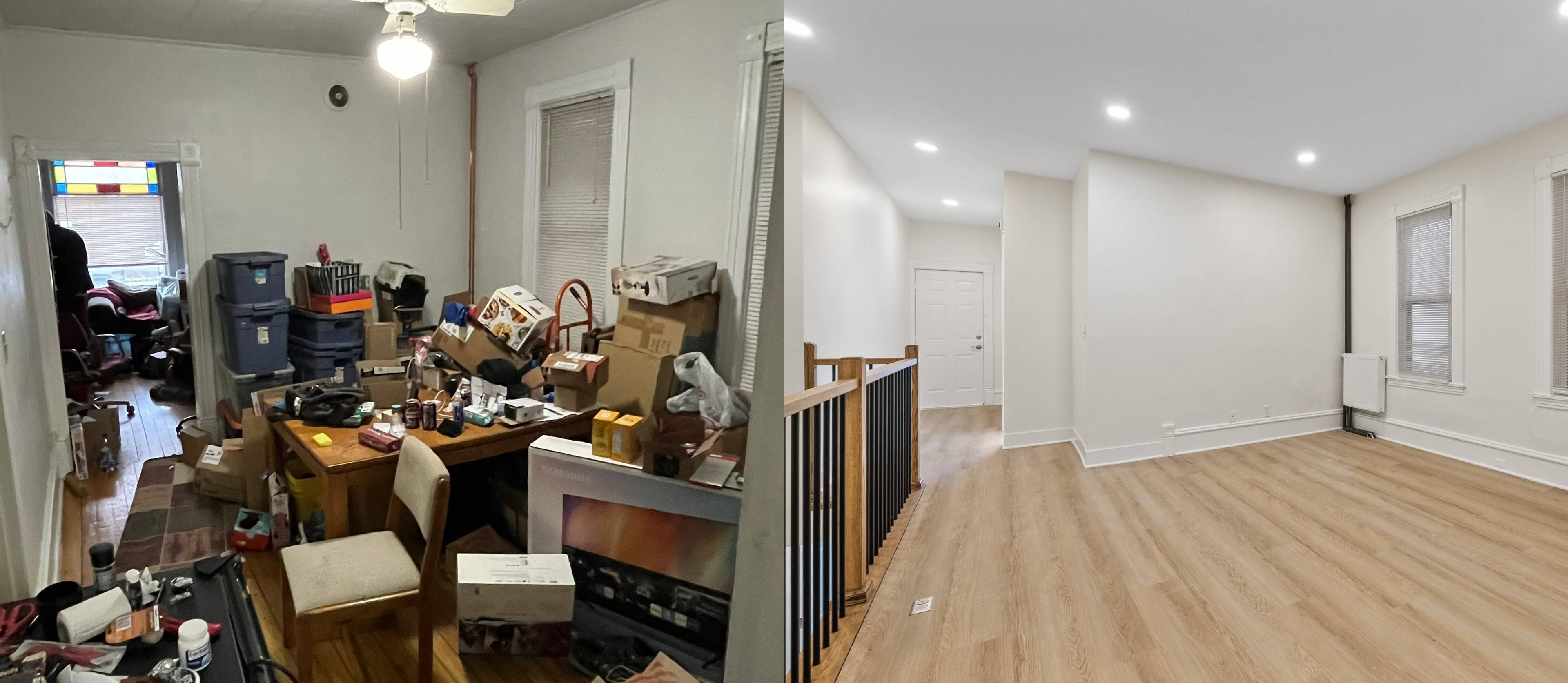
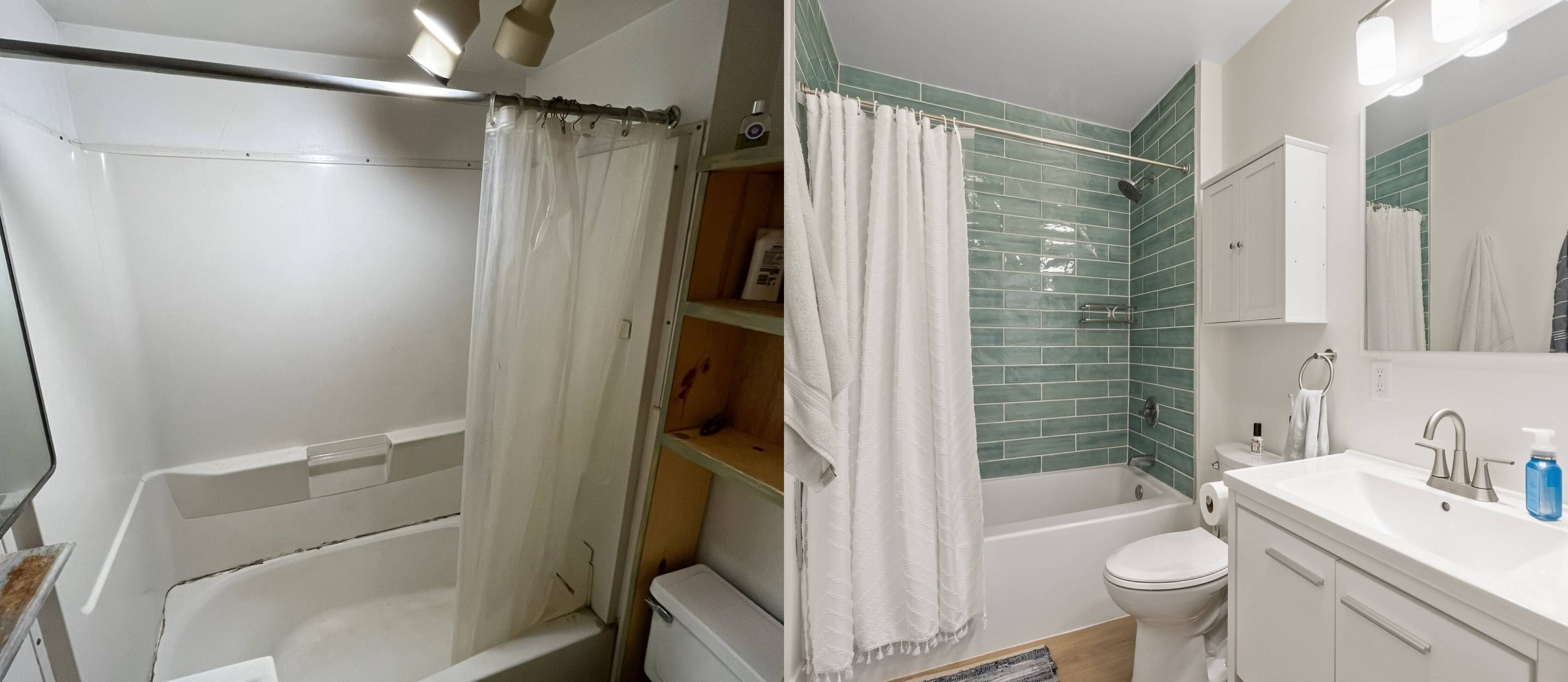
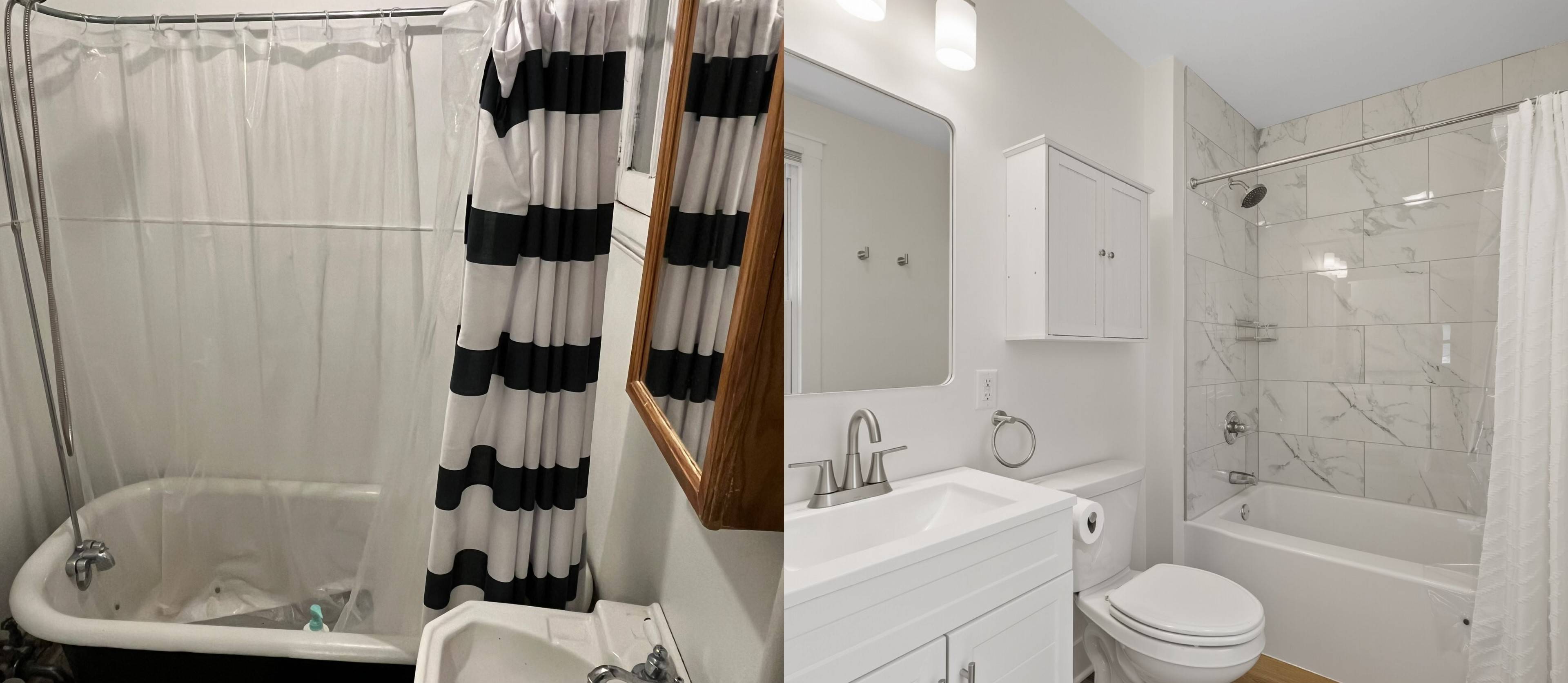
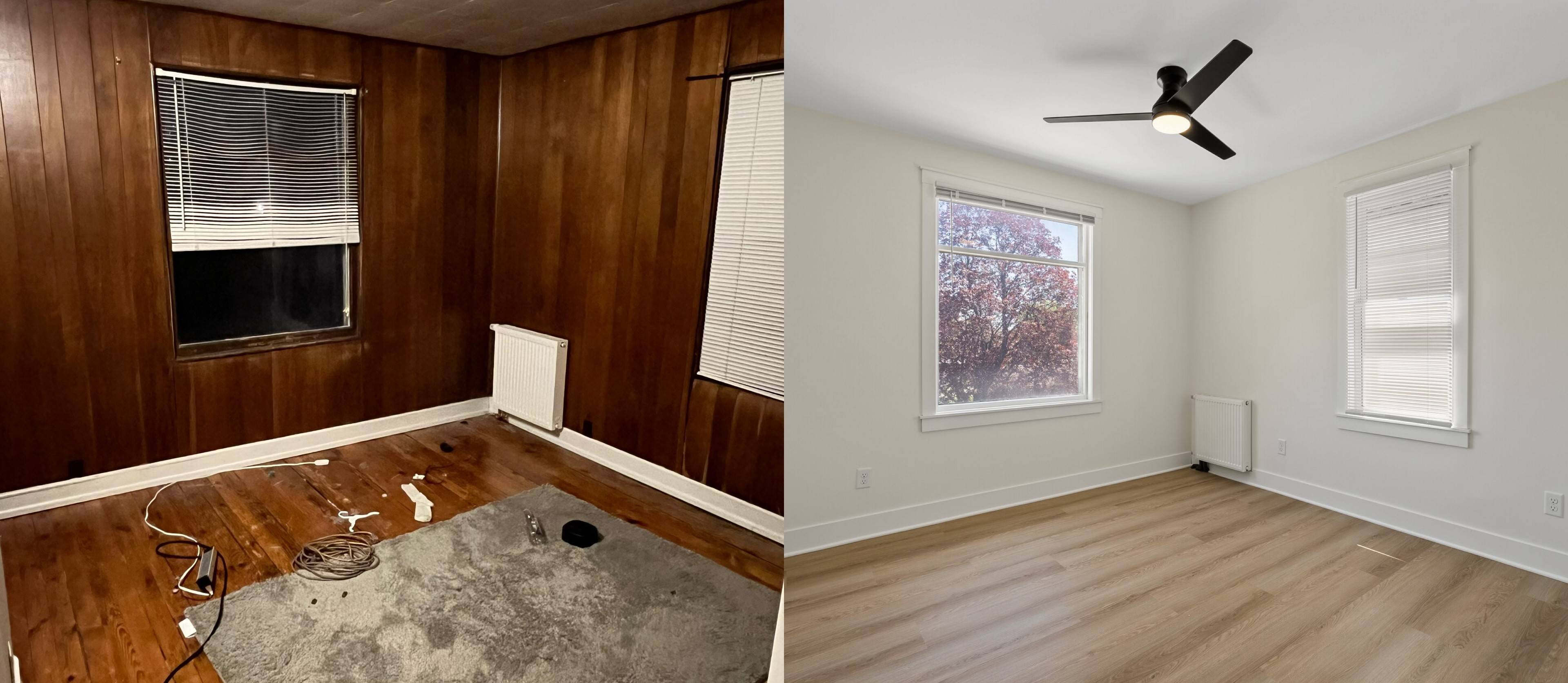
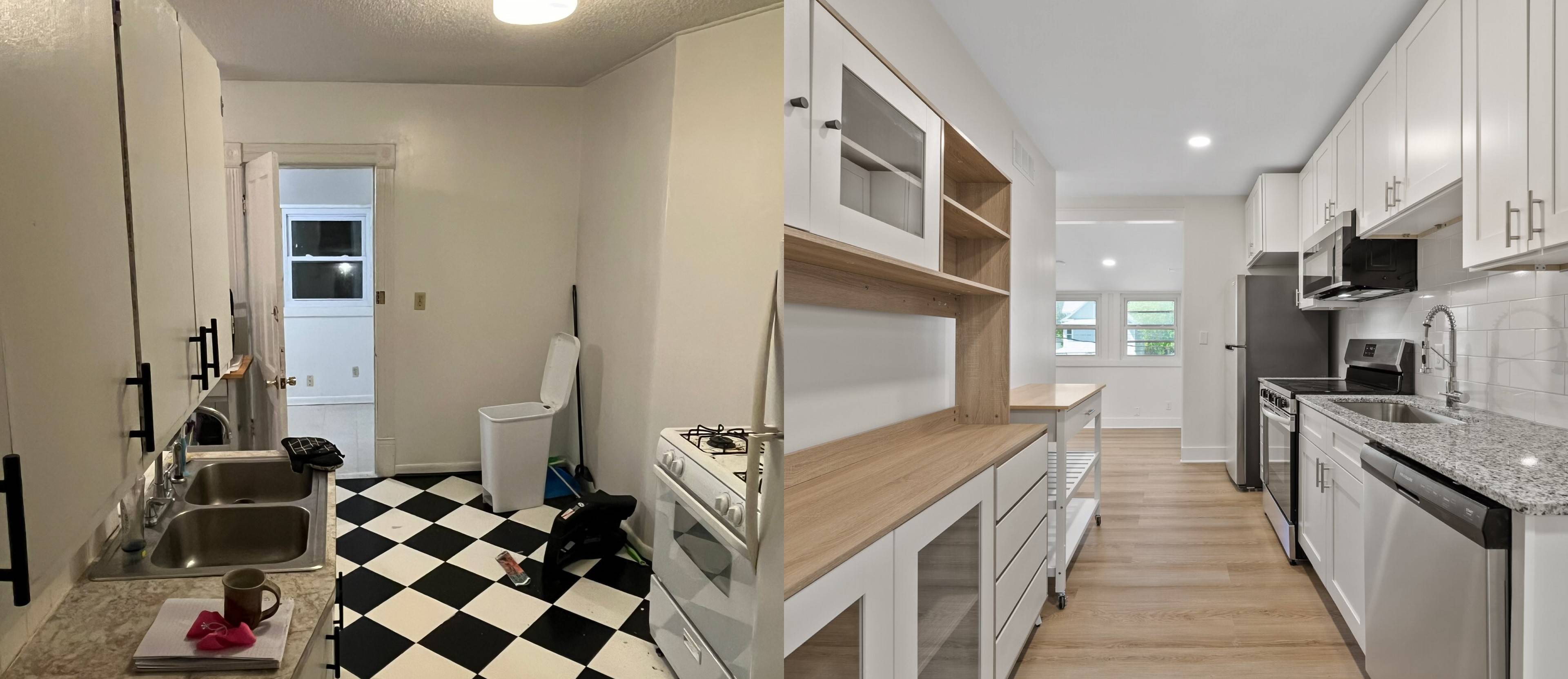
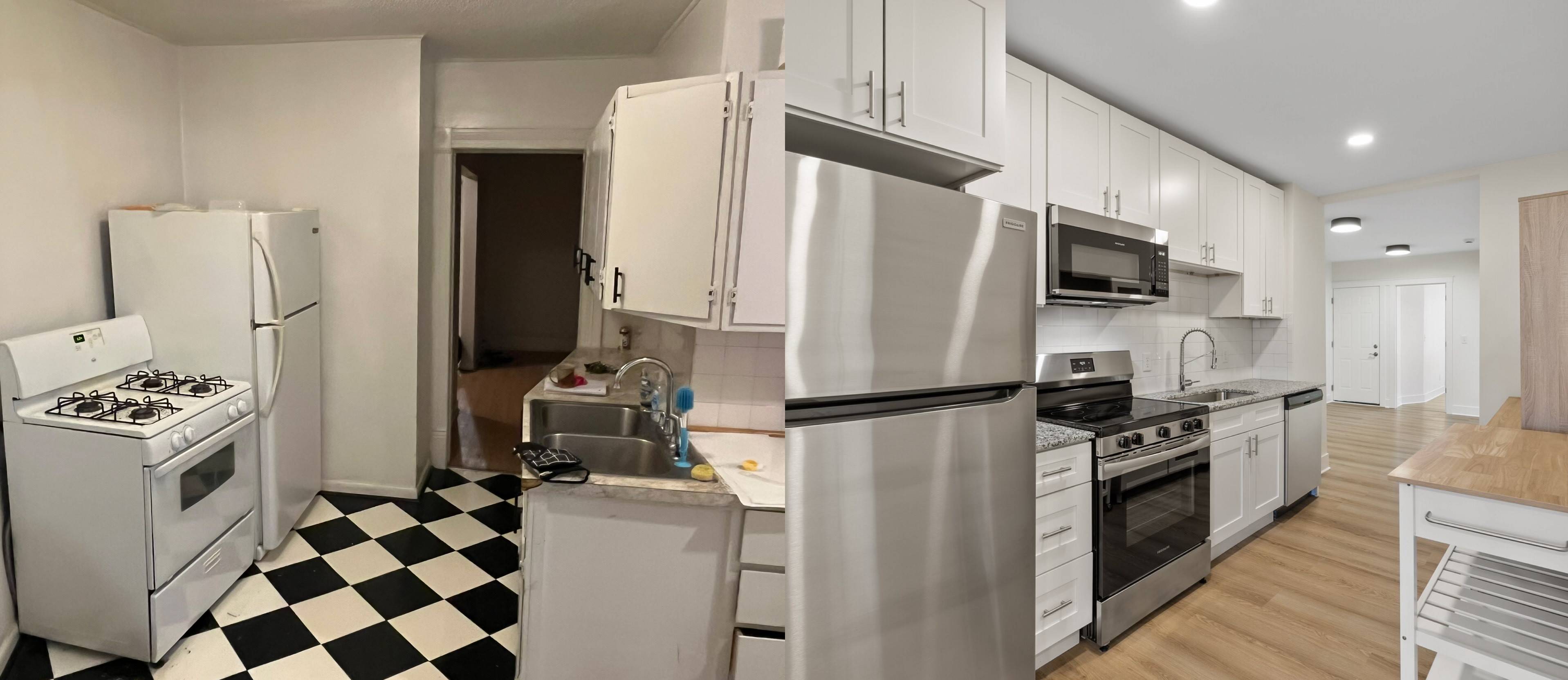
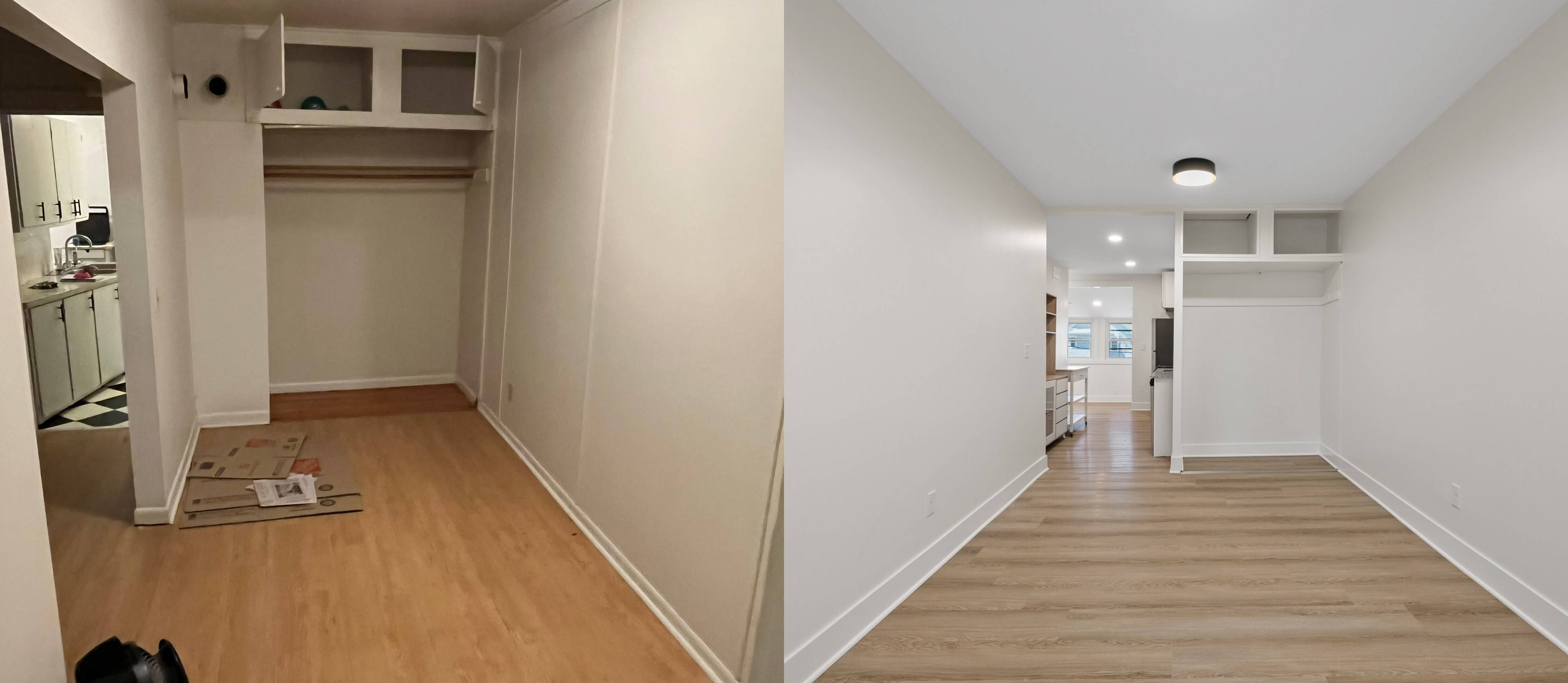
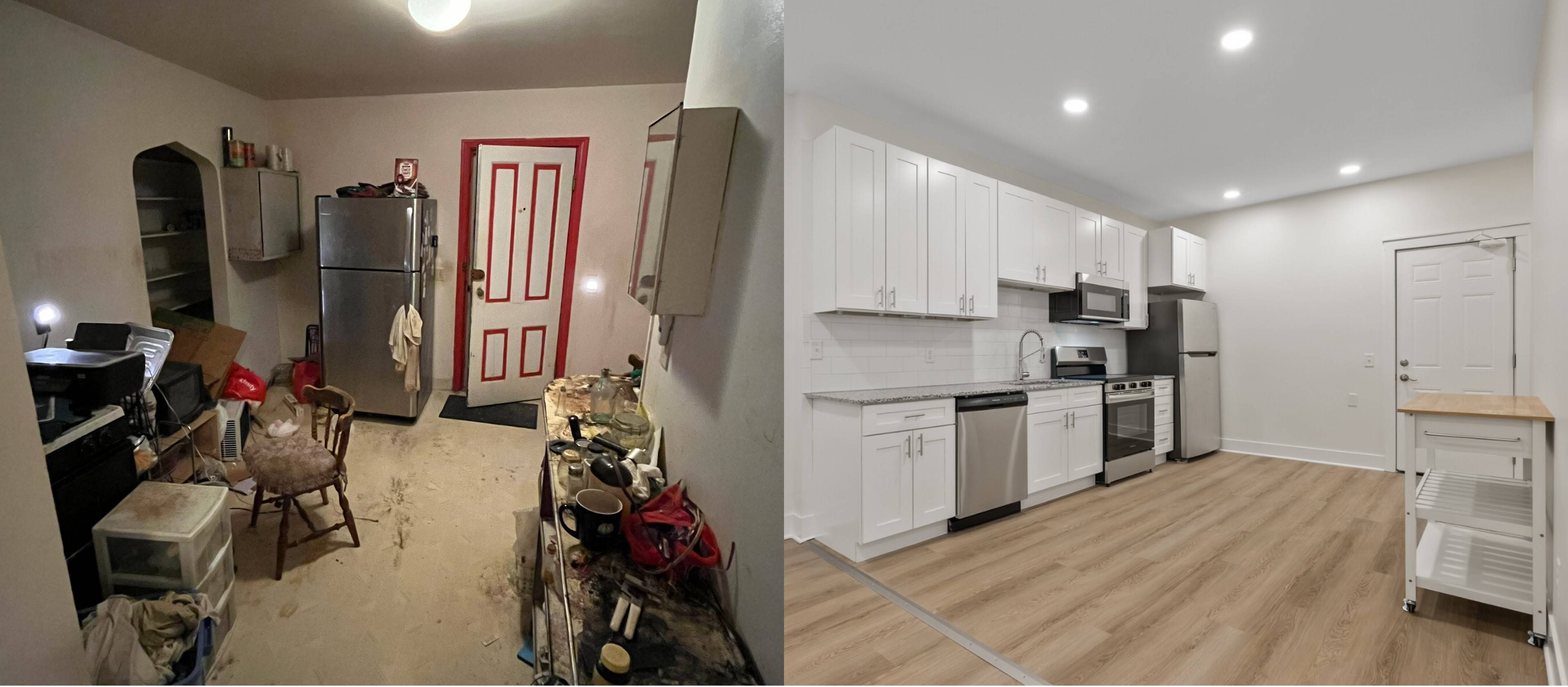
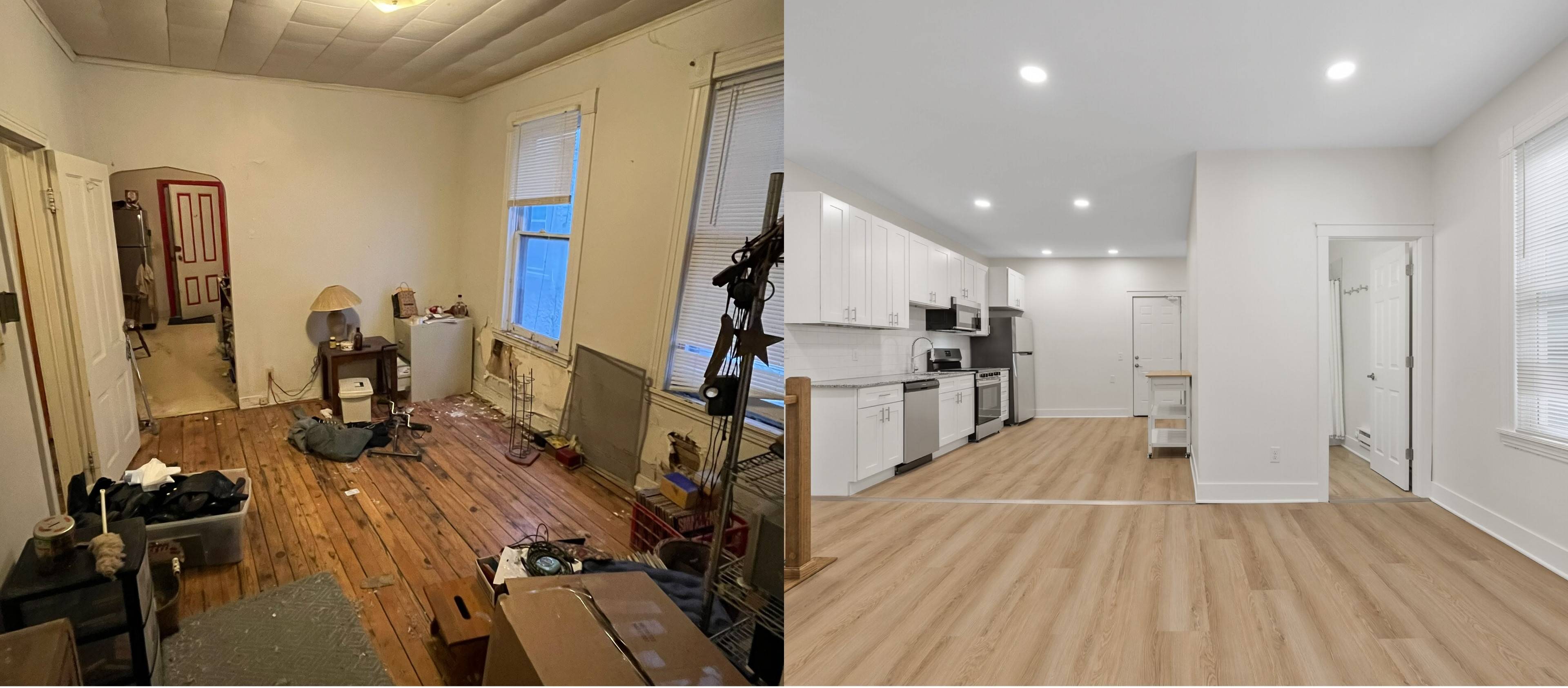
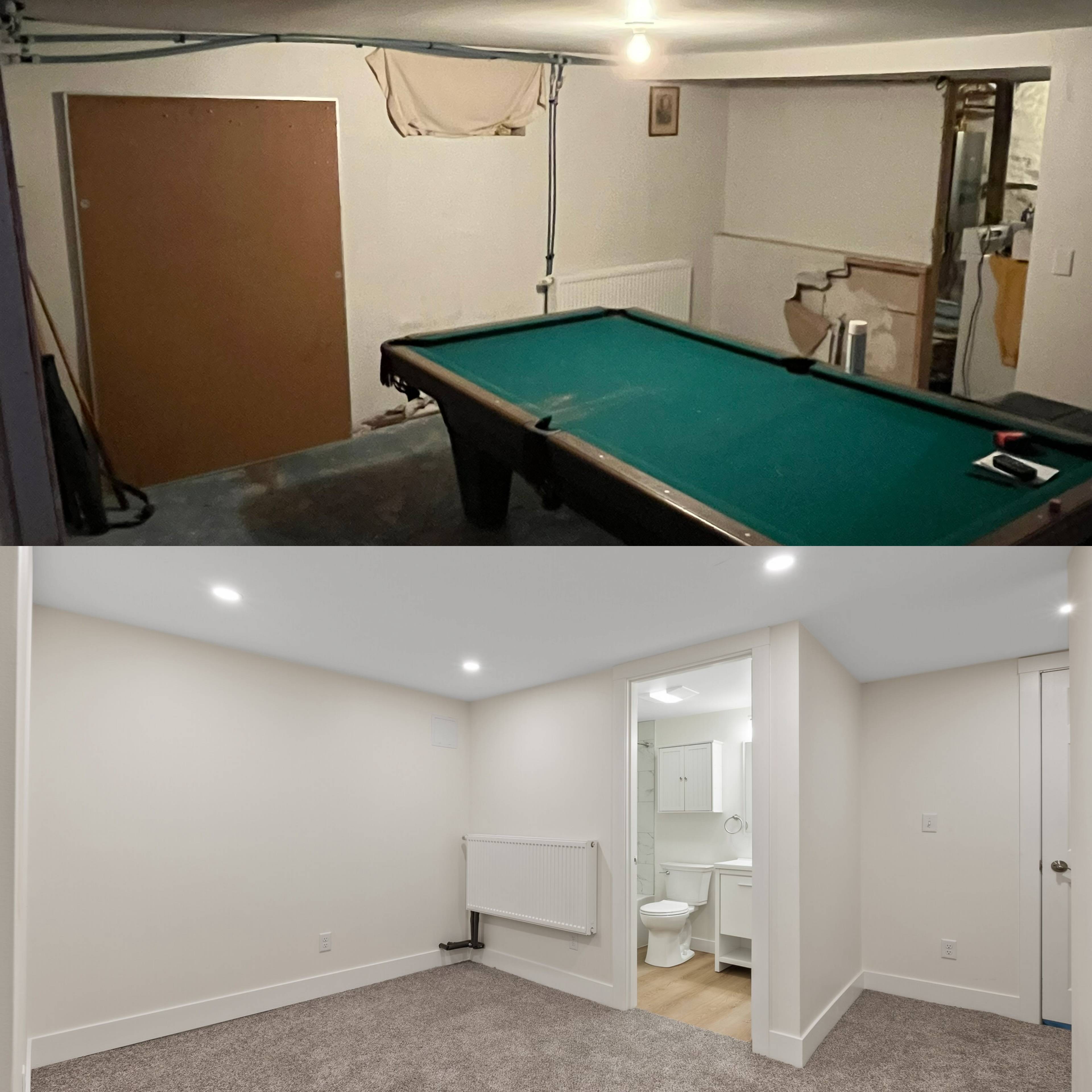
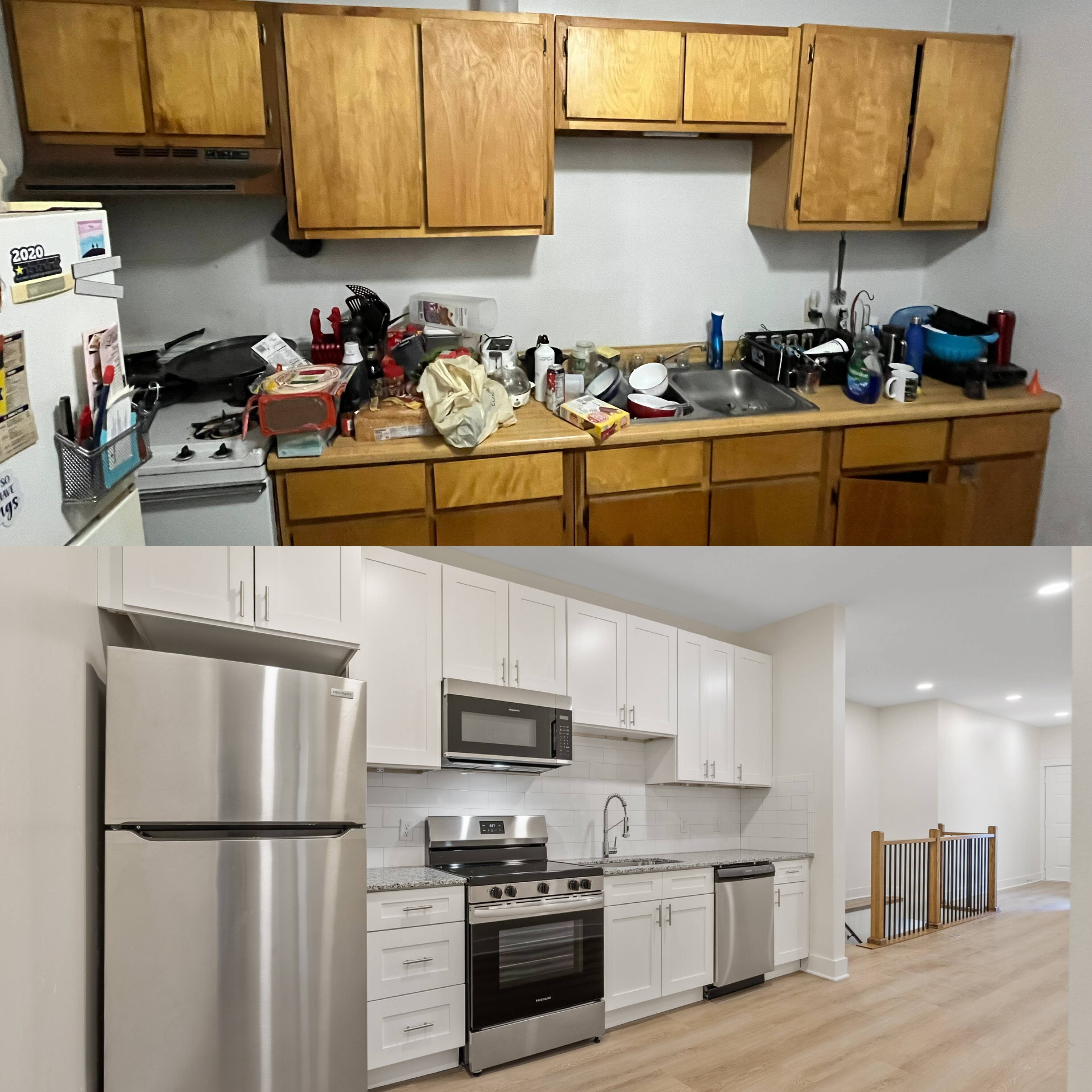
4-bed/4-bath to 9-bed/6-bath. Finished the basements, all new kitchens and bathrooms, reconfigured the floor plans as there was so much wasted space in the original layout. Essentially all new plumbing and electrical which blew my budget, whole property got new flooring and paint of course too. It wasn't a full gut but it was pretty damn close, the drywall cost me ~23k. 

What was the outcome?

From an equity building perspective, not good if you take the appraisal at face value as I was all in for just under 720k and it appraised at 730k. If I looked at my own wage with the crazy hours I put in to this project it'd be far below minimum wage. With that said, this is a tough product to comp as there's not a lot of fourplexes in the area and really none of them are fully remodeled to this level and achieving over 7600 in gross rents, so I was drawn down to the comps. My est ARV was more in the 750-800k range, but even there it's not a great equity builder given the complexity, timeline (rehab was ~9 months here, plus another 9 months of partially occupancy with tenants moving out), and amount of time I put in.

But living for free as of now and having a true cash flow of almost 2k/month exceeded my expectations, since my refi loan was smaller than anticipated. Not only that, but I really feel like I hit a groove on this project in terms of managing the stress, loving the process, and learning so much about building code and working with inspectors as a licensed GC here.

Taking the financing variable away, my yield on cost here is just under 9%, which is pretty great especially for a 'B' area. I would say most properties in this area are below 7%, which yield negative cash flow, and sometimes negative leverage at current interest rates.

I also closed a HELOC at 85% CLTV for ~73k here, more dry powder for my next remodel, whenever that comes :)

Lessons learned? Challenges?
While some of my last deals I've essentially hit my projections right on, on this one I underestimated the rehab budget, but also underestimated the stabilized rents, which balanced out. Part of the reason is while I saw a vision for the property and knew it had potential given the location, I didn't know what the final product would be and how much everything would cost to get it there. Even though I'd remodeled 9 units prior, doing a remodel at this scale has so many more unknowns with the code that it's tough to budget accurately when you're stretching far beyond your current knowledge. But I trusted myself and the evidence I've built up from working long hours on past projects, and my excitement for a massive project outweighed the fear and uncertainty of it.

Challenges included trying to stick to a rehab budget at this scope (I failed wildly here, lol), and just the sheer amount of work and managing trades with a project this complex. Getting through the uncertainty of knowing what the inspector would require was tough at times too, but I found my inspector to be very understanding and reasonable.

What's next?

I'm looking for 1-4 unit value add deals in NE Mpls, especially if they are on a large lot and could be a development play in the future. Zoning and built form overlay also matter here but I won't get too technical on that. Ultimately I want to keep honing my craft as a remodeler/investor and would love to try my hand at small scale development down the line, but I'd want to do that with a property/lot that isn't dependent on the development to make the deal decent, because I know construction costs are so high that build to rent product is difficult to pencil now. 

If you find something interesting in my buy box let me know! I'm letting my license expire/going to referral broker so I will happily pay you a commission for any deal I can make work right now, as that's the hardest thing to find at this time, and I doubt it's changing anytime soon
11Reply
397 views

Most Popular Reply

Tim SwierczekPro Member
Lender · White Bear Township, MN · Member since 2016 · 1k+ posts · 1k+ votes
8mo

Thanks for sharing with such detail.

See this reply in the discussion

19 Replies

Jump to latestLatest
  • Real Estate Agent · Kansas City · Member since 2018 · 4k+ posts · 3k+ votes
    8mo

    Nice job! That is a hefty rehab but you got it done

  • Investor · Minneapolis, MN · Member since 2019 · 129 posts · 210 votes
    8mo

    forgot to add pictures but here are some before and afters

  • Member since 2026 · 15 posts · 8 votes
    8mo

    Nice breakdown — appreciate you sharing real numbers and lessons learned.

    One thing that stands out is how tight the equity creation was relative to rehab complexity, even with strong rent growth. This feels like a good example of why yield on cost and stabilized cash flow matter more than headline BRRRR metrics in higher-cost rehab environments.

    Curious — if rates were 50–75 bps higher at refi, would the deal still clear your minimum DSCR comfortably?

    • Investor · Minneapolis, MN · Member since 2019 · 129 posts · 210 votes
      8mo
      Quote from @Kevin Poler:

      Nice breakdown — appreciate you sharing real numbers and lessons learned.

      One thing that stands out is how tight the equity creation was relative to rehab complexity, even with strong rent growth. This feels like a good example of why yield on cost and stabilized cash flow matter more than headline BRRRR metrics in higher-cost rehab environments.

      Curious — if rates were 50–75 bps higher at refi, would the deal still clear your minimum DSCR comfortably?


      Thanks Kevin! My NOI here is ~$5350/month and PI is just under $3600, so DSCR is ~1.49. So yeah, I ended up having a healthy cash flow margin on this property and could have taken out more debt or done so at a higher interest rate if needed, or stuck with my existing loan and refinanced at a more opportune time.

      Speaking of that, one thing I didn't get into much was the decision on the refi. My initial loan PITI was around $3800. It was a little over a 400k loan but with PMI and a 7.625% interest rate. Going down less than 1% in interest rate isn't normally a slam dunk refi, by any means, but I had so much money into it and knowing that the value was much higher and I could use the new loan to pay off all the HELOC debt I had (which I was paying ~8% on) and get rid of ~$200/month in PMI in one fell swoop made the decision easier.

      If rates were closer to my initial interest rate I probably would have held off. As it stands rates ended up going down after I locked and I probably could have gotten 6.5% or possibly lower, if I went with the absolute lowest I could find vs a local lender.

  • Tim SwierczekPro Member
    Lender · White Bear Township, MN · Member since 2016 · 1k+ posts · 1k+ votes
    8mo

    Thanks for sharing with such detail.

  • Member since 2026 · 15 posts · 8 votes
    8mo

    Appreciate it, Tim.

    Deals like this really highlight how sensitive outcomes are to financing assumptions — especially rates and reserves — even when execution and rent growth are strong.

    Curious from a lender's perspective: are you seeing borrowers stress-test DSCR at +50–100 bps right now, or still underwriting closer to in-place terms?

    • Tim SwierczekPro Member
      Lender · White Bear Township, MN · Member since 2016 · 1k+ posts · 1k+ votes
      8mo
      Quote from @Kevin Poler:

      Appreciate it, Tim.

      Deals like this really highlight how sensitive outcomes are to financing assumptions — especially rates and reserves — even when execution and rent growth are strong.

      Curious from a lender's perspective: are you seeing borrowers stress-test DSCR at +50–100 bps right now, or still underwriting closer to in-place terms?


      Kevin, I do not see many stress testing their DSCR deals. I would say most do not contact me before they get within a month of the remodel being completed.

    • Member since 2026 · 15 posts · 8 votes
      8mo
      That tracks with what I see as well. Most of the risk is already baked in by the time financing becomes the focus, which is why small assumption misses early on end up feeling much bigger later. Stress-testing DSCR earlier doesn’t kill deals — it usually just forces better structure and pacing. Appreciate the lender-side perspective.

      Kevin, I do not see many stress testing their DSCR deals. I would say most do not contact me before they get within a month of the remodel being completed.


  • Member since 2026 · 15 posts · 8 votes
    8mo

    Appreciate the added context — that refi decision makes a lot of sense given PMI removal + HELOC payoff.

    This is a great example of why headline BRRRR outcomes can look mediocre on equity, but still be excellent when the capital stack and DSCR buffer are handled correctly.

    Strong execution.

  • Josh C.Pro Member
    Property Manager · Indianapolis, IN · Member since 2010 · 1k+ posts · 1k+ votes
    8mo

    I think some of your expenses are estimated a little low. But that’s a great house hack and jump onto the world. Awesome work!

    • Investor · Minneapolis, MN · Member since 2019 · 129 posts · 210 votes
      8mo
      Quote from @Josh C.:

      I think some of your expenses are estimated a little low. But that’s a great house hack and jump onto the world. Awesome work!


      Possibly. I've used 5% vacancy in the past but I've been self managing in my market for coming on 6 years now and my vacancy historically is ~1%, so I split the difference here. And since I put 250k in on the remodel and it's basically all new on the inside I think for the first few years I should be come in below my maintenance and capex expenses, but on a longer term I could see it being accurate or low. A roof replacement can eat those reserves quick and it's not as easy to get those covered by insurance nowadays

  • Investor · Minneapolis, MN · Member since 2014 · 743 posts · 927 votes
    8mo

    If this is the one I remember walking pre renovation, you did an amazing job.  Congratulations as there were many obstacles.  This was not an easy project.  Keep focused on finding the right project and another will come available, as you are positioned right!

    • Investor · Minneapolis, MN · Member since 2019 · 129 posts · 210 votes
      8mo
      Quote from @Bruce Runn:

      If this is the one I remember walking pre renovation, you did an amazing job.  Congratulations as there were many obstacles.  This was not an easy project.  Keep focused on finding the right project and another will come available, as you are positioned right!


       Yup that is the one. Thanks Bruce!

  • Real Estate Agent · Chicago, IL · Member since 2017 · 2k+ posts · 2k+ votes
    8mo

    Sounds like an awesome deal in a good appreciating area congrats! 

  • Real Estate Agent · Chicago, IL · Member since 2017 · 2k+ posts · 2k+ votes
    7mo

    By the way how did you pretty much gut and add bedrooms at only $55k per a unit? Did you do the labor mostly yourself or the time spent did you mean you spent managing? In my market when change layouts the price gets way higher per a unit then that. 

    • Investor · Minneapolis, MN · Member since 2019 · 129 posts · 210 votes
      7mo
      Quote from @Henry Lazerow:

      By the way how did you pretty much gut and add bedrooms at only $55k per a unit? Did you do the labor mostly yourself or the time spent did you mean you spent managing? In my market when change layouts the price gets way higher per a unit then that. 


      I appreciate that you think the rehab was done affordably, it certainly didn't feel that way in the moment but ultimately I'm happy with how it turned out. I have built up a pretty good rolodex of contractors too so I was able to get competitive pricing on MEP and drywall which was a big chunk of the budget, as well as paint and flooring. But yeah I put also ton of hours into this project between demo/trashout, carpentry, and finishes, and the misc small tasks that all add up. If I tried to calculate an hourly wage on this project in terms of my equity built (not $ saved) it would be hilariously low. But I truly enjoy the DIY and it's one of my favorite ways to spend my nights and weekends when I have a project going on.

  • Adam TafelBusiness Member
    Real Estate Agent · St. Paul, MN · Member since 2017 · 577 posts · 395 votes
    4mo

    Awesome, thanks for sharing

    Upside Property Sales 4.9108 Reviews
  • Contractor · NYC/Los Angeles · Member since 2019 · 91 posts · 54 votes
    4mo

    Adam that number looks staggering on paper but for a Minneapolis fourplex the devil is always in the mechanicals and the city code requirements. If you are touching MEP on all four units plus fire separation $250k can vanish before you even pick out a kitchen cabinet. Instead of looking at the total you have to look at the Rehab Velocity.

    Was that $250k spent on Defensive Work like a $40k roof and new HVAC stacks or Offensive Work like adding bedrooms or high-end finishes that actually drive the appraisal? In a BRRR the appraiser does not care that you replaced a main sewer line but they care immensely if you turned a 1-bed into a 2-bed.

    The real question is what that dollar did for your ARV. If that $250k remodel took the value from $400k to $800k you won. If it took it from $400k to $550k you just paid for a very expensive hobby. I recently did a forensic audit on a bid where a $10k error was buried in the electrical rough-in because the contractor was double-counting the fixture install. On a fourplex those overlaps happen at four times the scale.

    Did you have to do a full service upgrade for the building or were you able to keep the existing panels? That is usually the make or break line item on these older Minneapolis multis. If you still have the line items handy I would be curious to see where the bulk of the hard costs landed. You can even run it through CostCheckGPT for free if you want to see how those numbers stack up against current market averages.

    • Investor · Minneapolis, MN · Member since 2019 · 129 posts · 210 votes
      3mo
      Quote from @Richard Golding:

      Adam that number looks staggering on paper but for a Minneapolis fourplex the devil is always in the mechanicals and the city code requirements. If you are touching MEP on all four units plus fire separation $250k can vanish before you even pick out a kitchen cabinet. Instead of looking at the total you have to look at the Rehab Velocity.

      Was that $250k spent on Defensive Work like a $40k roof and new HVAC stacks or Offensive Work like adding bedrooms or high-end finishes that actually drive the appraisal? In a BRRR the appraiser does not care that you replaced a main sewer line but they care immensely if you turned a 1-bed into a 2-bed.

      The real question is what that dollar did for your ARV. If that $250k remodel took the value from $400k to $800k you won. If it took it from $400k to $550k you just paid for a very expensive hobby. I recently did a forensic audit on a bid where a $10k error was buried in the electrical rough-in because the contractor was double-counting the fixture install. On a fourplex those overlaps happen at four times the scale.

      Did you have to do a full service upgrade for the building or were you able to keep the existing panels? That is usually the make or break line item on these older Minneapolis multis. If you still have the line items handy I would be curious to see where the bulk of the hard costs landed. You can even run it through CostCheckGPT for free if you want to see how those numbers stack up against current market averages.

      I would say it was a mix of both, mostly the extent of the upgrades I wanted to do necessitated the large capital investment. I was shifting location for kitchens and bathrooms and also adding bathrooms so the plumbing really did have to get scrapped and started from scratch. Electrical was similar - I ended up adding in unit laundry, electric ranges, dishwashers, microwaves, and 1 baseboard heater/unit (required heat source in bathroom) so I needed the house electrical upgraded to 400A to support (5) 100 amp panels, 1 for each unit and a common area panel. The previous service was only 200A for 40amp panels. Coming up with the more functional layout to maximize the space was probably the big value unlock here but also very costly.

      Ultimately the value add wasn't great - all in for 717k and the original refi appraisal was 730k, more recent one came in at 760k. So that's a pretty small spread for a project of this magnitude, especially given all my time in the project. But I still consider a home run for all that I learned, truly enjoying the process, and the yield on cost ended up pretty good too :)
Join the conversationCreate a free account to reply, vote on answers and follow this thread.