Corner Miami Duplex → $5,525/Month After Light Rehab

Corner Miami Duplex → $5,525/Month After Light Rehab

Damian GonzalezPro Member
Miami Beach, FL · Member since 2017 · 27 posts · 10 votes

Investment Info:

Small multi-family (2-4 units) buy & hold investment.

Purchase price: $600,000
Cash invested: $150,000

Deal Snapshot

Location: Miami, FL
Property Type: Duplex (2 Units)
Purchase Price: $600,000
Cash Invested: $150,000
Strategy: Buy & Hold + Light Cosmetic Rehab
Current Rent: $5,525/month
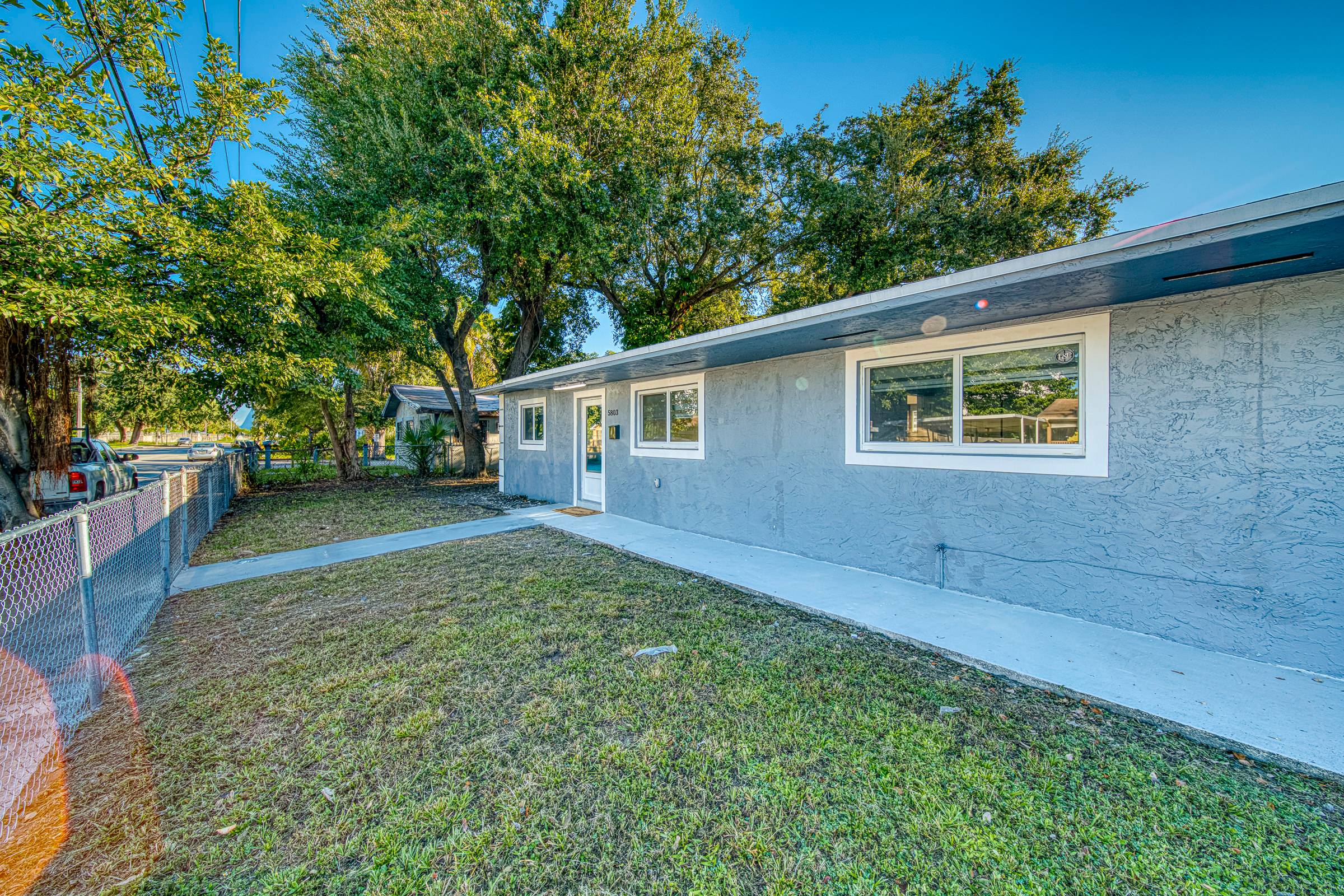
Condition: Impact windows & doors, new roof, minimal repairs needed
Always open to connecting with other investors looking to buy small multifamily properties in Miami.

What made you interested in investing in this type of deal?

Small multifamily properties have always been my favorite asset class because they provide strong cash flow while still being manageable to operate. Duplexes are especially attractive because you can increase income through small improvements without taking on the complexity of larger apartment buildings. In Miami, rental demand is extremely strong, so when I saw a solid duplex in a good location with impact windows, a newer roof, and minimal deferred maintenance, it immediately stood out as a s

How did you find this deal and how did you negotiate it?

As a realtor and investor in Miami, I constantly monitor the market for small multifamily opportunities. When this property came up, I moved quickly because corner lots and well-maintained duplexes are always in demand. The property already had strong fundamentals, so the negotiation focused on making sure the numbers made sense based on the rental potential and the light improvements I planned to make after closing.

How did you finance this deal?

The property was financed with a conventional investment loan and approximately $150,000 in cash invested. My approach is usually to structure deals conservatively so the property performs well even if market conditions change. This allows the investment to remain stable while generating consistent rental income.

How did you add value to the deal?

The value-add strategy was simple but effective. I focused on cosmetic upgrades that make a big difference to tenants without over-renovating the property. I refreshed the interiors with bright white paint, installed vinyl flooring in the bedrooms, added new baseboards and crown molding around the doors, updated light fixtures, and installed stainless steel appliances. One kitchen received a full update while the other only needed new cabinet doors. The goal was to create clean, modern units tha

What was the outcome?

After completing the improvements, the units were reset to market rent levels and the property now generates approximately $5,525 per month in rental income. The property runs smoothly with minimal maintenance issues and provides strong, stable cash flow.

Lessons learned? Challenges?

One of the biggest lessons in real estate is that buying the right property from the start makes everything easier. Properties with solid fundamentals—good structure, newer roofs, and impact windows—tend to perform better and require fewer unexpected repairs. Keeping renovations simple, clean, and functional also helps maximize return on investment.

Did you work with any real estate professionals (agents, lenders, etc.) that you'd recommend to others?

I handled much of the deal personally since I’m both a realtor and an active real estate investor who manages my own portfolio. Working closely with reliable contractors and property professionals is still critical to keeping projects efficient and maintaining the property long term. I’m always happy to connect with other investors looking to buy or sell multifamily properties in the Miami market.
3Reply
101 views

Most Popular Reply

Brooklyn, NY · Member since 2026 · 28 posts · 14 votes
6mo

Nice deal. Duplexes in markets like Miami can be really solid when the property already has good fundamentals like impact windows and a newer roof. That takes a lot of the big ticket risk off the table.

I also like the approach of keeping the renovations simple. A lot of investors over improve units and eat into their returns, but clean cosmetic updates like flooring, paint, lighting, and appliances usually move rents without blowing up the budget.

At $5,525/month it sounds like the property is performing well. Deals like that show how small multifamily can still work in higher priced markets if the purchase price and renovation scope are controlled from the start.

See this reply in the discussion

10 Replies

Jump to latestLatest
  • Rental Property Investor · Member since 2025 · 84 posts · 34 votes
    6mo

    Congratulations on a successful project! How do you define a good area in Miami for a small multi-family investment?

    • Damian GonzalezPro Member
      OP
      Miami Beach, FL · Member since 2017 · 27 posts · 10 votes
      6mo
      Quote from @Dan Ikon:

      Congratulations on a successful project! How do you define a good area in Miami for a small multi-family investment?


      MLS

  • Brooklyn, NY · Member since 2026 · 28 posts · 14 votes
    6mo

    Nice deal. Duplexes in markets like Miami can be really solid when the property already has good fundamentals like impact windows and a newer roof. That takes a lot of the big ticket risk off the table.

    I also like the approach of keeping the renovations simple. A lot of investors over improve units and eat into their returns, but clean cosmetic updates like flooring, paint, lighting, and appliances usually move rents without blowing up the budget.

    At $5,525/month it sounds like the property is performing well. Deals like that show how small multifamily can still work in higher priced markets if the purchase price and renovation scope are controlled from the start.

    • Damian GonzalezPro Member
      OP
      Miami Beach, FL · Member since 2017 · 27 posts · 10 votes
      6mo
      Quote from @Jake Nissan:

      Nice deal. Duplexes in markets like Miami can be really solid when the property already has good fundamentals like impact windows and a newer roof. That takes a lot of the big ticket risk off the table.

      I also like the approach of keeping the renovations simple. A lot of investors over improve units and eat into their returns, but clean cosmetic updates like flooring, paint, lighting, and appliances usually move rents without blowing up the budget.

      At $5,525/month it sounds like the property is performing well. Deals like that show how small multifamily can still work in higher priced markets if the purchase price and renovation scope are controlled from the start.


       thank you 

  • Member since 2026 · 32 posts · 31 votes
    6mo

    Solid pickup Damian. Running the quick math on this — $5,525/mo puts you at $66,300 gross annually, which is roughly a 9x GRM on a $600k buy in Miami. That's honestly pretty decent for that market right now. The number I'm most curious about is what your actual NOI looks like after taxes, insurance, and maintenance though. Miami-Dade property taxes and insurance have been brutal lately, so I'd guess you're somewhere around a 5-5.5% cap rate depending on how those shake out. If you financed the $450k at anything above 7%, the cash-on-cash on that $150k is probably tight or slightly negative on paper — are you cash flowing monthly right now, or is this more of an appreciation and equity play for you at this point? Either way, getting into a duplex in Miami at $600k feels like it'll look really smart in 3-5 years.

    • Damian GonzalezPro Member
      OP
      Miami Beach, FL · Member since 2017 · 27 posts · 10 votes
      6mo
      Quote from @Alex Rastorgouev:

      Solid pickup Damian. Running the quick math on this — $5,525/mo puts you at $66,300 gross annually, which is roughly a 9x GRM on a $600k buy in Miami. That's honestly pretty decent for that market right now. The number I'm most curious about is what your actual NOI looks like after taxes, insurance, and maintenance though. Miami-Dade property taxes and insurance have been brutal lately, so I'd guess you're somewhere around a 5-5.5% cap rate depending on how those shake out. If you financed the $450k at anything above 7%, the cash-on-cash on that $150k is probably tight or slightly negative on paper — are you cash flowing monthly right now, or is this more of an appreciation and equity play for you at this point? Either way, getting into a duplex in Miami at $600k feels like it'll look really smart in 3-5 years.


       thanks im in the process of refing all the high loans i bought 2 years ago

    • Damian GonzalezPro Member
      OP
      Miami Beach, FL · Member since 2017 · 27 posts · 10 votes
      6mo
      Quote from @Alex Rastorgouev:

      Solid pickup Damian. Running the quick math on this — $5,525/mo puts you at $66,300 gross annually, which is roughly a 9x GRM on a $600k buy in Miami. That's honestly pretty decent for that market right now. The number I'm most curious about is what your actual NOI looks like after taxes, insurance, and maintenance though. Miami-Dade property taxes and insurance have been brutal lately, so I'd guess you're somewhere around a 5-5.5% cap rate depending on how those shake out. If you financed the $450k at anything above 7%, the cash-on-cash on that $150k is probably tight or slightly negative on paper — are you cash flowing monthly right now, or is this more of an appreciation and equity play for you at this point? Either way, getting into a duplex in Miami at $600k feels like it'll look really smart in 3-5 years.

      That’s a fair breakdown — and you’re right, on paper it’s tight.

      What really made me pull the trigger though was the basis. Seller was highly motivated and I got it about $100k under where it should’ve traded. That margin is what made the deal make sense.

      Last year with rates north of 7%, I wasn’t exactly eager to stack more properties — I picked up three and it definitely dried up liquidity quick. So I wasn’t chasing deals… this one just checked too many boxes to pass on.

      Right now I’m in the process of refinancing those loans down into the low 6’s, which should open things up a bit on the monthly side.

      So between:
      • Buying under market
      • Stabilized asset with minimal capex
      • And improving the debt over time

      It becomes less about today’s cash flow and more about locking in a strong position and letting the numbers improve as financing loosens.

      That’s really the play here.


  • Member since 2026 · 32 posts · 31 votes
    6mo

    Really solid numbers on this one. Running through the math — $5,525/month is $66,300/year gross. On a $600K purchase that's an 11.05% gross rent multiplier which is strong for Miami. Even after typical expenses (let's say 35-40% expense ratio for taxes, insurance, maintenance, vacancy on a duplex), you're looking at roughly $39,800-43,100 in NOI, which puts your cap rate around 6.6-7.2% on the purchase price.

    The part that really jumps out is the financing structure. With $150K cash invested on a $600K property, that's 25% down and a $450K loan. At today's rates around 7.25%, your annual debt service would be roughly $36,800/year. Against that $39,800-43,100 NOI, your DSCR is sitting around 1.08-1.17 — tight but workable. Cash-on-cash return on the $150K invested would be somewhere in the $3,000-6,300/year range, so roughly 2-4.2% right now.

    Where this deal really shines is the appreciation play and the fact that you bought with good bones — impact windows, new roof. Those are the $30-50K cap-ex items that kill returns on older duplexes. Having those already done means your operating costs should stay well below average for the next 10-15 years. Corner lot in Miami with stable tenants and minimal deferred maintenance is a great long-term hold.

  • Investor · Pacific Northwest · Member since 2026 · 511 posts · 287 votes
    6mo

    @Damian Gonzalez 

    Most people are going to look at this and say:

    “Nice clean deal.”

    “Solid for Miami.”

    “Good long-term hold.”

    And they’re not wrong.

    But they’re also only looking at the surface layer — the property.

    What actually made this work wasn’t the duplex. It was the alignment of a few key pieces at the same time:

    • Strong rental demand already in place

    • Major capex (roof, impact windows) already handled

    • Light rehab path to push rents without overcapitalizing

    • Entry basis that still leaves room in a tight market

    That combination is what carries the deal — not any single metric.

    Because if you isolate the numbers, this is tight.

    At current rates, you’re basically operating right on the edge of break-even to modest cash flow depending on how expenses shake out. A small shift in taxes, insurance, or vacancy and the “cash flow deal” narrative changes pretty quickly.

    But that’s the interesting part.

    This isn’t really a cash flow deal — it’s a stability + positioning deal.

    You locked in:

    A durable asset (low deferred maintenance)

    In a high-demand market (Miami)

    With operational simplicity (duplex)

    So instead of chasing yield, you reduced the number of things that can go wrong.

    That’s a different strategy than most people analyzing this will recognize.

    The lesson here isn’t just “buy good fundamentals.”

    It’s that in markets like Miami, the deals that work aren’t always the ones with the best headline returns — they’re the ones where the system around the property is already stable.

    That’s what gives you time.

    And in tight markets, time is usually the real edge.

    • Damian GonzalezPro Member
      OP
      Miami Beach, FL · Member since 2017 · 27 posts · 10 votes
      6mo
      Quote from @Michael Eskenasy:

      @Damian Gonzalez 

      Most people are going to look at this and say:

      “Nice clean deal.”

      “Solid for Miami.”

      “Good long-term hold.”

      And they’re not wrong.

      But they’re also only looking at the surface layer — the property.

      What actually made this work wasn’t the duplex. It was the alignment of a few key pieces at the same time:

      • Strong rental demand already in place

      • Major capex (roof, impact windows) already handled

      • Light rehab path to push rents without overcapitalizing

      • Entry basis that still leaves room in a tight market

      That combination is what carries the deal — not any single metric.

      Because if you isolate the numbers, this is tight.

      At current rates, you’re basically operating right on the edge of break-even to modest cash flow depending on how expenses shake out. A small shift in taxes, insurance, or vacancy and the “cash flow deal” narrative changes pretty quickly.

      But that’s the interesting part.

      This isn’t really a cash flow deal — it’s a stability + positioning deal.

      You locked in:

      A durable asset (low deferred maintenance)

      In a high-demand market (Miami)

      With operational simplicity (duplex)

      So instead of chasing yield, you reduced the number of things that can go wrong.

      That’s a different strategy than most people analyzing this will recognize.

      The lesson here isn’t just “buy good fundamentals.”

      It’s that in markets like Miami, the deals that work aren’t always the ones with the best headline returns — they’re the ones where the system around the property is already stable.

      That’s what gives you time.

      And in tight markets, time is usually the real edge.Michael, this is one of the more accurate takes I’ve seen. Most people stop at “nice deal” and move on, but you nailed what actually matters — the structure behind it. For me, it was never about squeezing max cash flow day one. In Miami, that game gets risky fast. One bad roof, one insurance spike, one headache tenant… and your “great deal” turns into a problem. I look at it more like this: If I can eliminate the big variables upfront — capex, tenant issues, heavy management — I’m buying myself consistency. And consistency compounds way harder than chasing an extra few hundred a month. This deal gave me exactly that: low maintenance, clean units, strong rental demand, and room to operate without forcing anything. Could I have chased higher returns? Sure. But it would’ve come with more moving parts. At this stage, I’d rather stack stable assets that run smooth and let the market do its thing over time. That’s where Miami really pays you — not in the first year, but in the hold. Appreciate you breaking it down the way you did 👊


Join the conversationCreate a free account to reply, vote on answers and follow this thread.