Fix and Flip Case Study

Fix and Flip Case Study

Investor · San Antonio, TX · Member since 2019 · 31 posts · 14 votes

Investment Info:

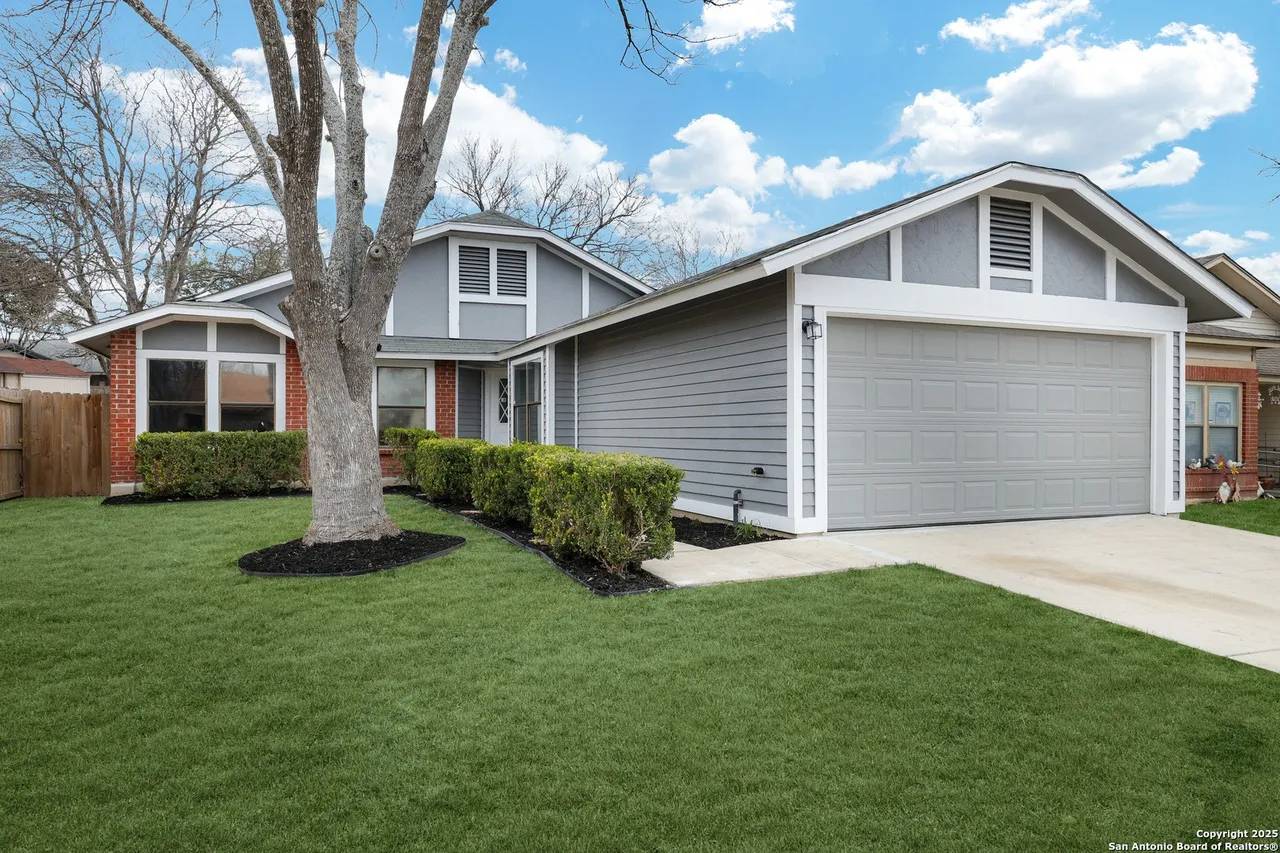
Single-family residence fix & flip investment.

Purchase price: $215,000
Cash invested: $6,000
Sale price: $260,000

Wrapped a fix-and-flip with a partner in five months, but a tough lesson learned as a newbie. We went over budget due to foundation issues. Even though we planned for foundation repairs, the work triggered additional problems we didn’t anticipate—like severed pipes that had to be fixed. End result: $6K loss.

Key takeaways:
Always get a thorough inspection—no exceptions.
Build in a solid contingency budget.
Include a percentage buffer in your underwriting—protect your margins.

What made you interested in investing in this type of deal?

The potential profit when I didn't have to put up any upfront money.

How did you find this deal and how did you negotiate it?

Wholesaler with no negotiations taking place.

How did you finance this deal?

Partner funded the deal through a private money lender.

How did you add value to the deal?

I found the deal and brought it to partner; I did odd end things to facilitate completion of the fix and flip.

What was the outcome?

The rehab turned out well with modern appliances and significant conversion. However, loss $6K in deal.

Did you work with any real estate professionals (agents, lenders, etc.) that you'd recommend to others?

Always get a thorough inspection—no exceptions; Build in a solid contingency budget; Include a percentage buffer in your underwriting.
0Reply
97 views

3 Replies

Jump to latestLatest
  • Rod HanksBusiness Member
    Insurance Agent · Dallas, TX · Member since 2013 · 743 posts · 462 votes
    6mo

    @Tyren Robinson

    Good lesson here—and honestly a pretty common one on early flips.

    Foundation work is where deals go sideways fast, so I’d push back a bit on “inspection solves it.” Even with inspections, those secondary issues (plumbing, structural surprises) are hard to fully uncover upfront. The real protection is a heavier contingency (10–20% on older homes) and buying deeper on the front end—especially on wholesale deals where there’s no negotiation.

    Also worth noting: “no money in” deals can be misleading—your risk just shifts to thinner margins. In this case, a slightly better purchase price or bigger buffer likely turns this into a win.

    Overall, a $6K loss on your first deal isn’t bad tuition—rehab looks solid, and you finished. That’s a bigger win than most realize.

    Rod Hanks Insurance4.9152 Reviews
  • Flipper/Rehabber · San Antonio, TX · Member since 2026 · 20 posts · 19 votes
    6mo

    SA guy here, done 14 of my 22 flips right in your backyard. Foundation work in this city has a rule nobody mentions upfront -- the main repair is never where it ends. The soil here moves, and when a foundation company pushes piers or does mudjack work, whatever's sitting above it moves with it. Sewer lines, water supply under slab -- they shift or crack. That's not bad luck, that's just what happens nearly every time.

    I stopped bidding on foundation deals a few years back. The scope balloons the second demo starts and you can't accurately price it upfront. Inspectors catch the main issue but they can't always tell you what the repair triggers downstream. So I just skip those deals now and move on.

    On the numbers -- $215K to $260K is a thin margin for SA even before foundation and five months of carrying costs. Your wholesaler priced that based on clean comps. That spread needed to be $70-80K gross to absorb what foundation work brings with it. Not saying it was a bad call for a first one, you got a finished project and got out. But next time if foundation is on the scope I'd need it baked into the price or I'm walking.

  • Member since 2026 · 1 post · 0 votes
    8h

    Hi Tyren — I came across your San Antonio fix-and-flip case study and found it especially interesting because you shared a deal that ended in a loss after the foundation and plumbing issues.

    We’re a small team testing a structured system for analyzing real-estate investment deals, and we specifically don’t want to validate it only against successful investments.

    We’re looking for one completed deal where we can first analyze only the information that was available before the purchase decision, freeze our analysis, and then compare it with what actually happened.

    Would you be open to letting us use this deal, or another completed deal, in anonymized form? Nothing needs to be prepared specifically for us — even partial original information or documents you already have would be useful.

    If you’re open to it, please give me a note and I’ll try to send you my email. Email would be much easier for exchanging any deal information or documents.

    Thank you,
    Taras

Join the conversationCreate a free account to reply, vote on answers and follow this thread.