Active Acquisition: 115-Acre Income Producing Alabama Pecan Orchard

Active Acquisition: 115-Acre Income Producing Alabama Pecan Orchard

Investor · San Diego California / Hurtsboro, AL · Member since 2026 · 22 posts · 2 votes

Investment Info:

Other commercial investment investment.

Purchase price: $1,400,000
Cash invested: $10,000

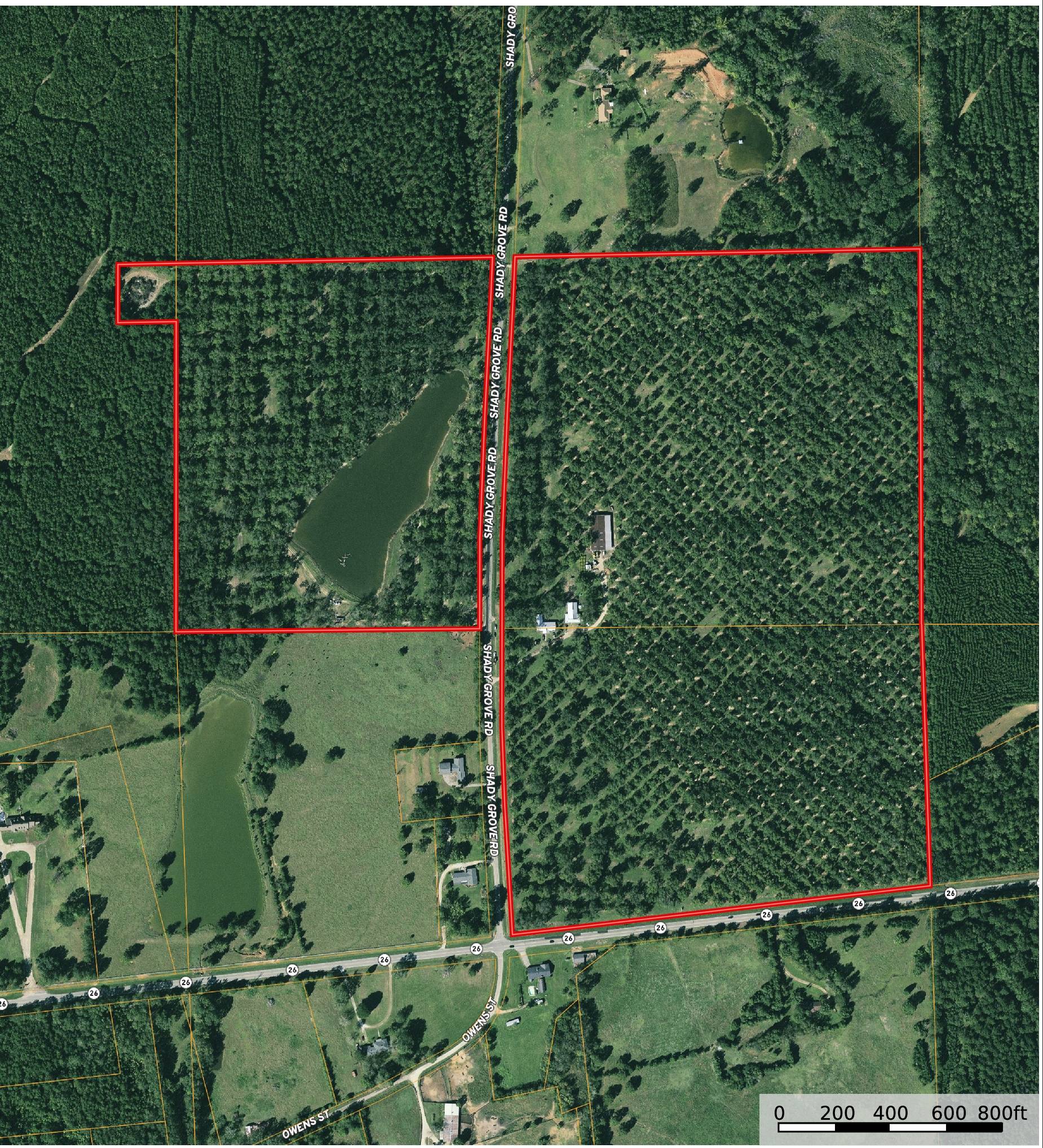
Acquisition and long-term operation of a 115-acre income-producing pecan orchard with mature tree inventory, on-site residence, and existing agricultural infrastructure in Russell County, Alabama. Structured as a leveraged commercial farm acquisition with private capital participation, agricultural lending support, and long-hold yield strategy.

What made you interested in investing in this type of deal?

I have been specifically seeking income-producing agricultural land with existing perennial crop production rather than raw speculative acreage. This orchard offers established mature pecan inventory, operational infrastructure, and a long-term yield profile that aligns with a durable land-backed investment thesis.

How did you find this deal and how did you negotiate it?

The opportunity was sourced through direct agricultural property channels in Russell County, Alabama and evaluated as an off-market style transition acquisition. Negotiations have centered around purchase structure, operational continuity, and integration of private capital with commercial agricultural financing.

How did you finance this deal?

Current financing structure combines sponsor cash participation, targeted private investor capital, and agricultural/commercial lending support. The acquisition is being modeled with leveraged debt placement supported by the orchard's existing income-producing characteristics and long-term production outlook.

How did you add value to the deal?

Value was created through underwriting the existing mature orchard production, evaluating tree density and infrastructure, and structuring a long-hold leveraged acquisition model rather than treating the property as simple raw land. The existing income component significantly improves debt supportability.

What was the outcome?

The acquisition is currently in active structuring and capital alignment phase with the objective of entering the upcoming operational season under stabilized ownership and long-term production management.

Lessons learned? Challenges?

The primary challenge has been balancing acquisition timing, agricultural seasonality, and capital stack formation while maintaining operational continuity. Agricultural acquisitions require synchronization between lender confidence, investor participation, and crop-cycle timing.

Did you work with any real estate professionals (agents, lenders, etc.) that you'd recommend to others?

Current coordination includes agricultural property brokerage channels, lender discussions, and private capital relationship development. Additional strategic agricultural finance and investor connections remain welcome.
1Reply
136 views

Most Popular Reply

Investor · Dallas · Member since 2025 · 12 posts · 15 votes
5mo

I would suggest looking into USDA backed lenders.  If the investment qualifies as a USDA backed loan which given the description it might, you can get a strong capital backer.

Just as background, USDA has a $50B backed loan program that has existed for years.  They guarantee up 90% of the loan's principal, and there are certain non-bank lenders who are actively looking for deals such as this.

See this reply in the discussion

8 Replies

Jump to latestLatest
  • Investor · San Diego California / Hurtsboro, AL · Member since 2026 · 22 posts · 2 votes
    5mo
    Quote from @Davy Pough:

    Investment Info:

    Other commercial investment investment.

    Purchase price: $1,400,000
    Cash invested: $10,000

    Acquisition and long-term operation of a 115-acre income-producing pecan orchard with mature tree inventory, on-site residence, and existing agricultural infrastructure in Russell County, Alabama. Structured as a leveraged commercial farm acquisition with private capital participation, agricultural lending support, and long-hold yield strategy.

    What made you interested in investing in this type of deal?

    I have been specifically seeking income-producing agricultural land with existing perennial crop production rather than raw speculative acreage. This orchard offers established mature pecan inventory, operational infrastructure, and a long-term yield profile that aligns with a durable land-backed investment thesis.

    How did you find this deal and how did you negotiate it?

    The opportunity was sourced through direct agricultural property channels in Russell County, Alabama and evaluated as an off-market style transition acquisition. Negotiations have centered around purchase structure, operational continuity, and integration of private capital with commercial agricultural financing.

    How did you finance this deal?

    Current financing structure combines sponsor cash participation, targeted private investor capital, and agricultural/commercial lending support. The acquisition is being modeled with leveraged debt placement supported by the orchard's existing income-producing characteristics and long-term production outlook.

    How did you add value to the deal?

    Value was created through underwriting the existing mature orchard production, evaluating tree density and infrastructure, and structuring a long-hold leveraged acquisition model rather than treating the property as simple raw land. The existing income component significantly improves debt supportability.

    What was the outcome?

    The acquisition is currently in active structuring and capital alignment phase with the objective of entering the upcoming operational season under stabilized ownership and long-term production management.

    Lessons learned? Challenges?

    The primary challenge has been balancing acquisition timing, agricultural seasonality, and capital stack formation while maintaining operational continuity. Agricultural acquisitions require synchronization between lender confidence, investor participation, and crop-cycle timing.

    Did you work with any real estate professionals (agents, lenders, etc.) that you'd recommend to others?

    Current coordination includes agricultural property brokerage channels, lender discussions, and private capital relationship development. Additional strategic agricultural finance and investor connections remain welcome.


    • Investor · San Diego California / Hurtsboro, AL · Member since 2026 · 22 posts · 2 votes
      5mo
      Quote from @Davy Pough:
      Quote from @Davy Pough:

      Investment Info:

      Other commercial investment investment.

      Purchase price: $1,400,000
      Cash invested: $10,000

      Acquisition and long-term operation of a 115-acre income-producing pecan orchard with mature tree inventory, on-site residence, and existing agricultural infrastructure in Russell County, Alabama. Structured as a leveraged commercial farm acquisition with private capital participation, agricultural lending support, and long-hold yield strategy.

      What made you interested in investing in this type of deal?

      I have been specifically seeking income-producing agricultural land with existing perennial crop production rather than raw speculative acreage. This orchard offers established mature pecan inventory, operational infrastructure, and a long-term yield profile that aligns with a durable land-backed investment thesis.

      How did you find this deal and how did you negotiate it?

      The opportunity was sourced through direct agricultural property channels in Russell County, Alabama and evaluated as an off-market style transition acquisition. Negotiations have centered around purchase structure, operational continuity, and integration of private capital with commercial agricultural financing.

      How did you finance this deal?

      Current financing structure combines sponsor cash participation, targeted private investor capital, and agricultural/commercial lending support. The acquisition is being modeled with leveraged debt placement supported by the orchard's existing income-producing characteristics and long-term production outlook.

      How did you add value to the deal?

      Value was created through underwriting the existing mature orchard production, evaluating tree density and infrastructure, and structuring a long-hold leveraged acquisition model rather than treating the property as simple raw land. The existing income component significantly improves debt supportability.

      What was the outcome?

      The acquisition is currently in active structuring and capital alignment phase with the objective of entering the upcoming operational season under stabilized ownership and long-term production management.

      Lessons learned? Challenges?

      The primary challenge has been balancing acquisition timing, agricultural seasonality, and capital stack formation while maintaining operational continuity. Agricultural acquisitions require synchronization between lender confidence, investor participation, and crop-cycle timing.

      Did you work with any real estate professionals (agents, lenders, etc.) that you'd recommend to others?

      Current coordination includes agricultural property brokerage channels, lender discussions, and private capital relationship development. Additional strategic agricultural finance and investor connections remain welcome.


  • Investor · San Diego California / Hurtsboro, AL · Member since 2026 · 22 posts · 2 votes
    5mo

    I am actively seeking introductions to agricultural lenders, orchard operators, and passive capital partners experienced with Southeastern farmland acquisitions. Insight on structuring, debt placement, or investor participation is highly appreciated.

  • Lender · Chicago, IL · Member since 2025 · 204 posts · 101 votes
    5mo

    This is a solid deal. You are buying an operating asset, not just land.

    1. Income first

    You targeted a producing orchard with mature trees. That gives you:

    • Existing income
    • Verifiable production history
    • A financeable asset

    2. Proper capital stack

    Sponsor cash, private capital, and ag or commercial debt is the right approach. This is a business acquisition, not a standard real estate deal.

    3. Strategy fits the asset

    A long hold aligns with pecan production:

    • Recurring yield
    • Income that holds up with inflation
    • Land appreciation

    Where I would tighten the deal

    Focus on structure over rate:

    • Underwrite using average production, not peak years
    • Consider interest only periods if needed
    • Make sure DSCR works under conservative numbers

    Income will not come in monthly.

    • Build reserves
    • Align debt payments with harvest cycles
    • Avoid lenders who treat this like rental income

    You are stepping into an active system:

    • Labor and management
    • Harvest timing
    • Equipment
    • Buyer relationships

    Execution here will impact year one performance.

    This is a hybrid deal. Part real estate, part operating business. Most investors avoid these because they do not know how to structure them, which is where the opportunity comes in.

    How are you structuring the debt around income timing?

    Are you using interest only with reserves or full amortization based on average production?

    If you are still working through the financing, I can help structure the leverage and capital stack so it performs long term.

  • Investor · San Diego California / Hurtsboro, AL · Member since 2026 · 22 posts · 2 votes
    5mo

    Excellent perspective, Ebonie, and I appreciate the detailed feedback.

    You are exactly right that this is not a conventional land acquisition, but the purchase of an income-producing agricultural operation with real estate attached, which requires a different underwriting lens.

    Current planning has been centered around conservative production averages, reserve allocation, harvest-cycle payment timing, and maintaining equipment continuity so year-one performance remains protected.

    I agree completely that structure matters more here than headline rate.

    I would welcome connecting further regarding lender appetite for agricultural hybrid acquisitions structured for long-term performance.

    Thank you again for taking the time to weigh in.

  • Josh C.Pro Member
    Property Manager · Indianapolis, IN · Member since 2010 · 1k+ posts · 1k+ votes
    5mo

    Interesting and something we don’t see on BP much. Thanks for sharing. Can you share more details? How did you only put down 10k. What is expected gross revenue and net profit? How long do the trees keep producing? Do you have to buy tons of tractors and what not or did it come with all that? Why are you looking for passive capital partners right after you bought it?

  • Investor · Dallas · Member since 2025 · 12 posts · 15 votes
    5mo

    I would suggest looking into USDA backed lenders.  If the investment qualifies as a USDA backed loan which given the description it might, you can get a strong capital backer.

    Just as background, USDA has a $50B backed loan program that has existed for years.  They guarantee up 90% of the loan's principal, and there are certain non-bank lenders who are actively looking for deals such as this.

  • Investor · San Diego California / Hurtsboro, AL · Member since 2026 · 22 posts · 2 votes
    5mo

    Great questions, Josh, and I appreciate you asking them because this is exactly where agricultural acquisitions differ from standard residential or small commercial deals.

    The $10k was not presented as the full acquisition capital, but rather the currently committed sponsor cash entering the structure while debt, equipment continuity, and passive capital are being layered around the producing asset itself.

    This orchard is attractive because it is not raw land — it is a mature income-producing pecan operation with an existing production history, established tree life remaining, and annual harvest cycles that can be underwritten.

    Mature pecan trees can continue producing for decades when properly maintained, which makes this more comparable to buying a cash-flowing business with appreciating land underneath than simply buying vacant acreage.

    Equipment is a major consideration, which is why continuity of harvesting, spraying, and maintenance infrastructure is part of the acquisition planning rather than treated as an afterthought.

    As for passive capital, the intent is not “raising money after the fact,” but structuring the overall capital stack intelligently from day one so reserves, operations, and debt timing are stabilized around seasonal income rather than forcing the asset into a traditional monthly-payment box.

    That is where this type of acquisition becomes interesting.

Join the conversationCreate a free account to reply, vote on answers and follow this thread.