Starting a business to fill Vacancies
Don KonipolBusiness Member
Investor · The Woodlands TX / Avon, CT · Member since 2009 · 6k+ posts · 10k+ votesI love it. Great example of adapting to the realities of the market. Many lenders materially reduced exposure to tenant fit-outs, creating friction between tenant requirements and the rental economics landlords require to justify incurring substantial improvement costs. The disconnect is particularly pronounced in the hospitality sector where it is rarely economical for landlords to fund significant tenant improvements and provide concessions, when relying solely upon traditional rental income. Same holds true for smaller retail tenants who similarly struggle to obtain funding.
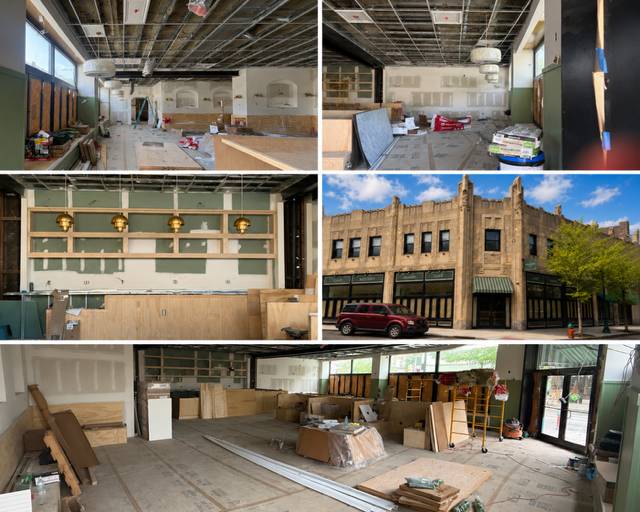
I learned this lesson the hard way trying to lease a vacant restaurant space. After running the numbers, I concluded it made more sense to build out the space turnkey at cost and acquire a liquor license and partner with an experienced operator. I could collect fair market rent plus a revenue share for less than it would cost for me to fund tenant requested improvements, incur their requested concessions, brokerage fees, and other incentives which are almost always required under a traditional lease in this market. This is a direct result of the tenant becoming increasingly reliant on the building owner to play the role or financier as well as landlord.
I expect to see far more creativity in the small retail and hospitality sectors moving forward and I don't see that changing anytime soon.
I love it. Great example of adapting to the realities of the market. Many lenders materially reduced exposure to tenant fit-outs, creating friction between tenant requirements and the rental economics landlords require to justify incurring substantial improvement costs. The disconnect is particularly pronounced in the hospitality sector where it is rarely economical for landlords to fund significant tenant improvements and provide concessions, when relying solely upon traditional rental income. Same holds true for smaller retail tenants who similarly struggle to obtain funding.
I learned this lesson the hard way trying to lease a vacant restaurant space. After running the numbers, I concluded it made more sense to build out the space turnkey at cost and acquire a liquor license and partner with an experienced operator. I could collect fair market rent plus a revenue share for less than it would cost for me to fund tenant requested improvements, incur their requested concessions, brokerage fees, and other incentives which are almost always required under a traditional lease in this market. This is a direct result of the tenant becoming increasingly reliant on the building owner to play the role or financier as well as landlord.
I expect to see far more creativity in the small retail and hospitality sectors moving forward and I don't see that changing anytime soon.


