Quote from @Kasey Harris:
Hi all! Would love some input — what would you do in our shoes?
My husband and I are new to real estate investing and would love some outside perspective. We're in kind of a unique situation that there may be creative options we haven’t thought of, so any ideas are welcome!
Our situation:
We’re Americans currently living in Australia - my husband took a position with a US company contracted with the Australian Navy. Because of this, our cost of living is low and we’ve been able to save aggressively. Over the past year we’ve saved $100K for a down payment, and we’re now planning our move back to the US to be closer to family.
We have flexibility, but also two family markets pulling us:
• My family is in California (we’ve largely ruled this out - too expensive in desirable areas)
• His family is in Maine, specifically the Falmouth/Cumberland area just outside Portland
Maine is looking promising to us. From what we can see, homes are appreciating, rents are rising, the rental market is undersupplied, and inventory moves fast. We’ve also already connected with a realtor in the area, and his family is local - meaning they could check out a home for us, facilitate the inspection, and help manage the property if we decided to rent it out.
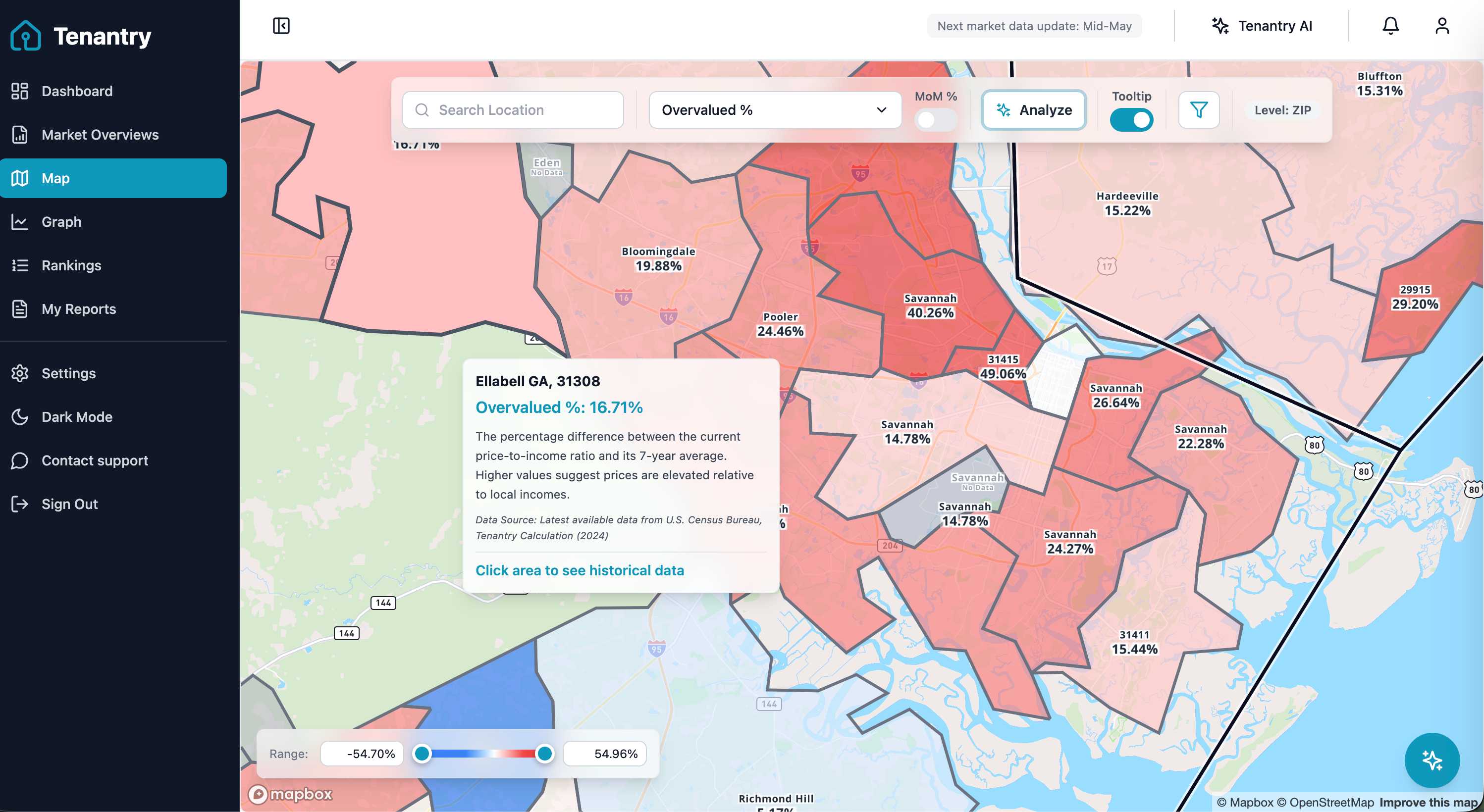
We’re also open to other markets entirely - Savannah, GA has caught our eye and since our jobs are flexible with location we don't have anything tying us down.
Our finances:
We have $150k cash saved that we could use as a down payment, plus additional money in the market that we had planned on pulling as well. So we have some flexibility on how much we could put down depending on the strategy.
One asset we haven’t fully figured out how to use:
My husband has a VA loan benefit. We’ve been loosely thinking we could use it to buy a primary residence, live there for a year, then convert it to a rental and move or repeat. But we’re not sure if that’s the smartest play.
Our two big questions:
1. Should we buy a primary residence first, or jump straight into an investment home? (If the latter, what investment strategy would you employ)?
2. Are there markets we should be considering that we haven’t mentioned?
We’re genuinely open - not locked into any location or strategy.
I'd love any input or advice you have for us. Thank you!
If you want to be RE investors, then focus on buying a property that will be a great rental as opposed to a property you personally like!
- Be analytical, not emotional.
SECOND:A really good option is buying a 2-4 unit property.
Live in one unit, rent the rest.
This will expose you to all the challenges of being a landlord, helping you decide if it's for you.
THIRD:
The challenge with the VA loan - it's 0% down & no MIP/PMI is great for starting out, but how does it help you?
1) Putting 0% down is HIGHLY unlikely to allow you to cashflow when you convert to a rental in 12-24 months.
2) No MIP/PMI is great, but if you put 20% down you won't have it anyways.
3) Interest rates are the same as conventional, so no VA benefit
4) You MAY cashflow on a 3-4 unit property with less than 20% down
--- Especially if you find one with deferred maintenance/updates that you address while you're living in the property, which allows you to increase rents.
LOCATION:
A common issue, so Copy & Paste info below (pick what applies):
You’re ALWAYS better off investing locally, where it’s easier to:
- Learn the market
- Network to find deals
- Network to find contractors
- Be more hands-on
- Driveby property to keep tabs on it
- Network to find a decent Property Management Company (PMC)
Next best location is somewhere else you lived, where you have an existing network of family & friends to help you as accomplish the above list as needed.
One of the biggest mistake we see investors making in our market, over and over again, is not fully understanding Neighborhood/Property/Tenant Classes and how they impact your probability of success!
They all run their ROI numbers assuming Class A results – when buying Class B, C & even D rentals.
Then they’re shocked when their performance expectations aren't met😞
If you choose to invest OOS, and have little to no landlord experience, we highly recommend targeting Class B Neighborhoods/Properties/Tenants. If you target Class C, you better be prepared emotionally & financially for plenty of challenges.
You can find Class B properties in the Midwest to BRRRR, but it will take more digging and YOU will need to understand how to analyze & identify them - because a lot of agents, wholesalers, PMCs, etc. will try to sell you Class C or D misrepresented as Class B:
- Many of them don't know/care what Class the properties are, so they're incompetent.
- Others know exactly what they are doing, so should be labeled as crooks!
EITHER WAY YOU LOSE!
Why is Property Class so important for investors to understand and apply in their investing strategies?
Because the Property Class dictates the Class of the tenant pool that the property will attract.
The Tenant Class greatly impacts rental income stability and property maintenance/damage by tenants.
Both Property Class and Tenant Class will affect what type of contractors, handymen and property management companies you should target and be willing to deal with a property.
The Property Class will also impact the maintenance & renovations you do to, “Maintain to the Neighborhood”.
Why is that important?
Well, if you buy & renovate a property in Class D area to Class A standards, what Tenant Class will actually rent it?
Or, if you put several Class D tenants in a Class A four-plex, what do you think will happen to the property?
So, if you fail to apply the correct assumptions to a property, your expectations won’t be met, and it may even be a financial disaster.
We use the following to rank Property Classes, in order of importance:
- Property Tenant Pool: closely linked to location, but not always.
- Property Location: closely linked to tenant pool, but not always.
- Property Condition & Amenities: it’s important to, “Maintain to the Neighborhood.”
Key metrics for each Property Class:
Class A Properties:
Tenant Pool: Majority of FICO scores 680+, no convictions/evictions in last 7 years.
Tenant Default: 0-5% probability of eviction or early lease termination.
Section 8: Class A rents are too high and won’t be approved.
Vacancies: 5-10%, depending on market conditions.
Cashflow vs Appreciation: Typically, 3-5 years for positive cashflow, but you get highest relative rent & value appreciation.
Class B Properties:
Tenant Pool: Majority of FICO scores 620-680, some blemishes, no convictions/evictions in last 5 years.
Tenant Default: 5-10% probability of eviction or early lease termination.
Vacancies: 10-15%, depending on market conditions.
Cashflow vs Appreciation: Typically, 1-3 years for positive cashflow, balanced amounts of relative rent & value appreciation.
Section 8: Class B rents are usually too high for the Section 8 program.
Class C Properties:
Tenant Pool: Majority of FICO scores 560-620, many blemishes, but should have no convictions/evictions in last 3 years. Verifying recent 2-years of rental history very important! Same for 2-years of job/income stability.
Tenant Default: 10-20% probability of eviction or early lease termination.
Section 8: Class C rents usually meet program requirements, proper screening still recommended.
Vacancies: 10-20%, depending on market conditions and tenant screening.
Cashflow vs Appreciation: Should cashflow immediately, at the lower end of relative rent & value appreciation.
Class D Properties:
Tenant Pool: Majority of FICO scores under 560, little to no good tradelines, lots of collections & chargeoffs, but should have no convictions/evictions in last 12 months. Verifying last 2-years of rental history and income/employment extremely important to find the “best of the worst”.
Tenant Default: 20-30% probability of eviction or early lease termination.
Section 8: Class D rents meet program requirements, often challenges to pass Section 8 inspection.
Vacancies: 20%+, depending on market conditions and tenant screening.
Cashflow vs Appreciation: Typically, all cashflow with little, maybe even negative, relative rent & value appreciation.
Where did we get our FICO credit score information from?
Check out this chart:
|
FICO Score
|
Pct of Population
|
Default Probability
|
|
800 or more
|
13.00%
|
1.00%
|
|
750-799
|
27.00%
|
1.00%
|
|
700-749
|
18.00%
|
4.40%
|
|
650-699
|
15.00%
|
8.90%
|
|
600-649
|
12.00%
|
15.80%
|
|
550-599
|
8.00%
|
22.50%
|
|
500-549
|
5.00%
|
28.40%
|
|
Less than 499
|
2.00%
|
41.00%
|
Source: Fair Isaac Company
Make sure you understand the Class of properties you are looking at and the corresponding results to expect.
For example, Metro Detroit has 132 cities and the City of Detroit 183 Neighborhoods, which we’re analyzing and classifying to make better investing decisions.
Horror Stories from those that did NOT Understand What they were Buying:
https://www.biggerpockets.com/forums/48/topics/1137397-baltimore-a-path-to-never-ending-pain
https://www.biggerpockets.com/forums/432/topics/1231840-sell-at-a-loss-or-rent-at-a-loss
https://www.biggerpockets.com/forums/311/topics/840134-memphis-turnkey-tenant-turnover-costs
https://www.biggerpockets.com/forums/963/topics/1195280-experience-of-oos-investing-in-cleveland-after-15-years