I keep seeing and hearing the midwest is the new hot spot
Most Popular Reply
Investor · Costa Mesa, CA · Member since 2016 · 1k+ posts · 1k+ votes
2y32 Replies
- Specialist · Long Beach, CA · Member since 2011 · 879 posts · 398 votes2y
- 2ySamuel DioufBusiness MemberReal Estate Agent · Columbus & Cleveland, OH · Member since 2023 · 1k+ posts · 1k+ votes
 Reafco - Samuel Diouf528 Reviews
 - Real Estate Broker · Kansas City Metro · Member since 2015 · 2k+ posts · 1k+ votes2y
- 2yEvan HoppleBusiness MemberReal Estate Agent · Columbus Cleveland Dayton, OH · Member since 2023 · 284 posts · 420 votes
 Reafco Real Estate
 - 2yJimmy LieuBusiness MemberReal Estate Agent · Columbus, OH · Member since 2019 · 3k+ posts · 2k+ votes
 Jimmy Lieu, Red 1 Realty4.9120 Reviews
 - Investor · Arroyo Grande, CA · Member since 2014 · 1k+ posts · 1k+ votes2y
Yes, the midwest is cheap yet compared to most of the country. And yes, there has been some good appreciation.
But you're late to the game in most places (e.g. Columbus and Cleveland).
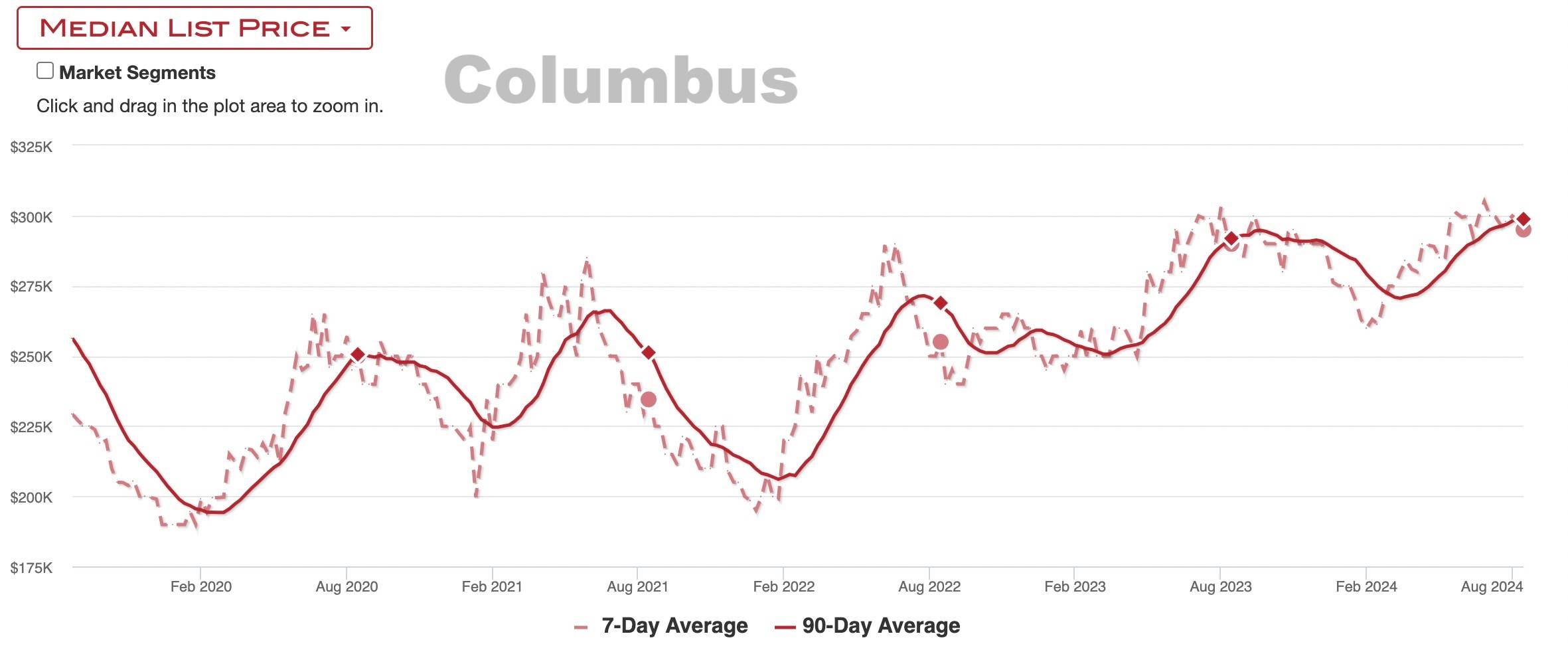
Here is the median list price for Columbus, Cleveland, and Detroit for the last 5 years.
Which one sticks out to you?
I believe both Columbus and Cleveland will do ok in terms of appreciation going forward. But my money is (literally) on Detroit to grossly outperform both markets.
Hard to beat that momentum!


- 2yPatrick DruryBusiness MemberReal Estate Agent · Columbus, OH & Cleveland OH · Member since 2021 · 1k+ posts · 2k+ votes
- Real Estate Broker · Cleveland Dayton Cincinnati Toledo Columbus & Akron, OH · Member since 2013 · 30k+ posts · 20k+ votes2y
- 2yJay HinrichsBusiness MemberReal Estate Consultant · Summerlin, NV · Member since 2014 · 45k+ posts · 66k+ votes
- 2yMilton ChamberlainPro MemberReal Estate Agent · Kansas City, MO · Member since 2019 · 236 posts · 107 votes
- Investor · Costa Mesa, CA · Member since 2016 · 1k+ posts · 1k+ votes2y
- Real Estate Agent · Chicago, IL · Member since 2017 · 2k+ posts · 2k+ votes2y
- Real Estate Agent · Chicago, IL · Member since 2017 · 2k+ posts · 2k+ votes2y
- 2yDrew SygitBusiness MemberProperty Manager · Royal Oak, MI · Member since 2012 · 12k+ posts · 9k+ votes
 Logical Property Management4.9460 Reviews
 - 2yJay HinrichsBusiness MemberReal Estate Consultant · Summerlin, NV · Member since 2014 · 45k+ posts · 66k+ votes
- Real Estate Agent · Chicago, IL · Member since 2017 · 2k+ posts · 2k+ votes2y
- Investor · Madison WI · Member since 2021 · 176 posts · 103 votes2y
- Investor · Madison WI · Member since 2021 · 176 posts · 103 votes2y
- 2yMatt McCurdyBusiness MemberReal Estate Broker · Cedar Rapids, IA · Member since 2019 · 143 posts · 56 votes
- 2yJay HinrichsBusiness MemberReal Estate Consultant · Summerlin, NV · Member since 2014 · 45k+ posts · 66k+ votes


Join the conversationCreate a free account to reply, vote on answers and follow this thread.