


Can a Primary Residence Create Income Without Becoming a Longterm Rental or Airbnb?
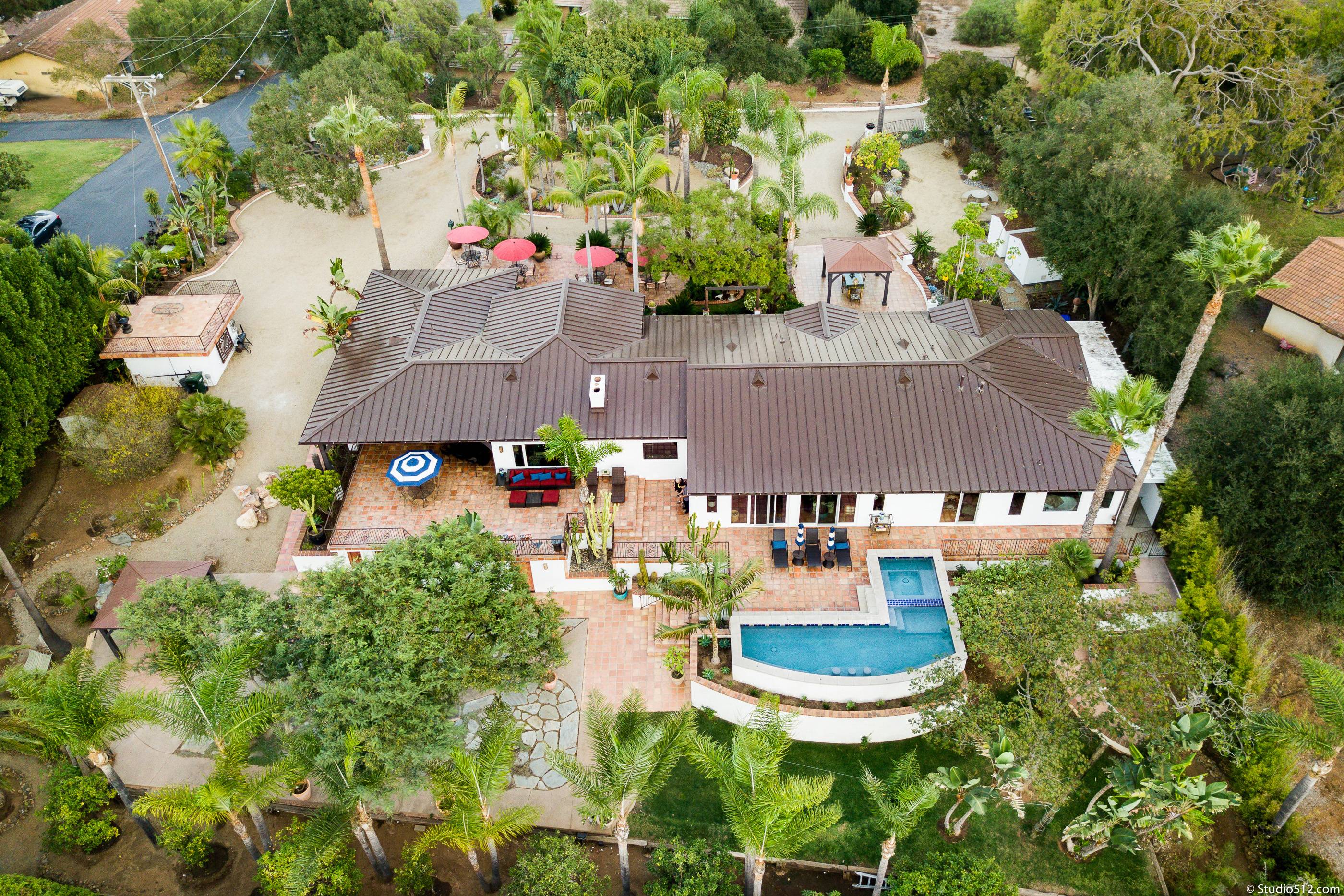
I’m working through an idea that may apply to others here, especially owners who are aging in place, sitting on larger properties, or trying to make a long-held family home carry more of its own weight.
After 50 years in construction, real estate development, and family business, I recently stepped away from day-to-day operations. My wife and I still live in our longtime family home in North San Diego County, and we have no intention of leaving.
But like many empty-nesters, we’re now looking at a property that is larger than the two of us technically need, takes real money to maintain, and still has a lot of useful life and value beyond simply being our residence.
The usual paths seem to be:
Sell and downsize.
Convert part of it to a rental.
Create an ADU.
Turn it into a short-term rental.
Do nothing and keep absorbing the maintenance costs.
None of those felt quite right for us.
We do not want overnight guests.
We do not want an Airbnb.
We do not want parties or events.
We do not want to create a problem for the neighborhood.
And we definitely do not want to turn our home into something we no longer enjoy living in.
So we’re taking a different path.
We are positioning the property as a hosted creative location for limited daytime uses such as photography, video, brand shoots, interviews, and small creative productions.
In other words, people are not renting the house to live in it. They are using the property for a specific creative purpose, during a defined time window, with the owner present or closely involved.
To me, that distinction matters.
This is closer to a controlled location-use model than a hospitality model.
Some of the things we’re working through:
Insurance and COI requirements
Clear use restrictions
No overnight stays
No open parties or events
Parking limits
Neighborhood impact
Screening users carefully
Written agreements
Property damage protection
Hourly or half-day pricing
Which areas of the property are included or off-limits
How to preserve privacy while still making the location useful
Our formal rollout is planned for January 2027, so we’re in the preparation phase now: cleaning up deferred maintenance, improving presentation, building photo/video assets, tightening rules, and thinking through the operating model.
The bigger question I’m wrestling with is this:
For owners with unique primary residences or larger legacy properties, is there a viable middle path between “sell it” and “turn it into a rental”?
I’m not suggesting this works for every property. It probably does not. Location, access, parking, neighborhood tolerance, layout, visual appeal, owner temperament, and local rules all matter.
But for the right property, I do think there may be a way to create a modest income stream while still aging in place and preserving the property’s primary identity as a home.
I’d be interested in hearing from anyone who has tried something similar.
Have you monetized an owner-occupied property without making it an STR?
Have you rented a home or estate for photo/video production?
What insurance or liability issues surprised you?
How did you price it?
What would you absolutely not do again?
I’m not looking to turn this into a hotel, event venue, or party house. The goal is controlled use, limited hours, careful screening, and enough revenue to help offset maintenance while keeping the property alive, useful, and enjoyable.
Curious how others here would underwrite or structure something like this.