Fix and Flip Case Study - 2 Family vs. Single Family Flip

Fix and Flip Case Study - 2 Family vs. Single Family Flip

Jonathan BombaciBusiness Member
Real Estate Agent · Lowell, MA · Member since 2019 · 1k+ posts · 1k+ votes

Investment Info:

Single-family residence fix & flip investment.

Purchase price: $135,000
Cash invested: $18,295
Sale price: $330,000

Project Overview
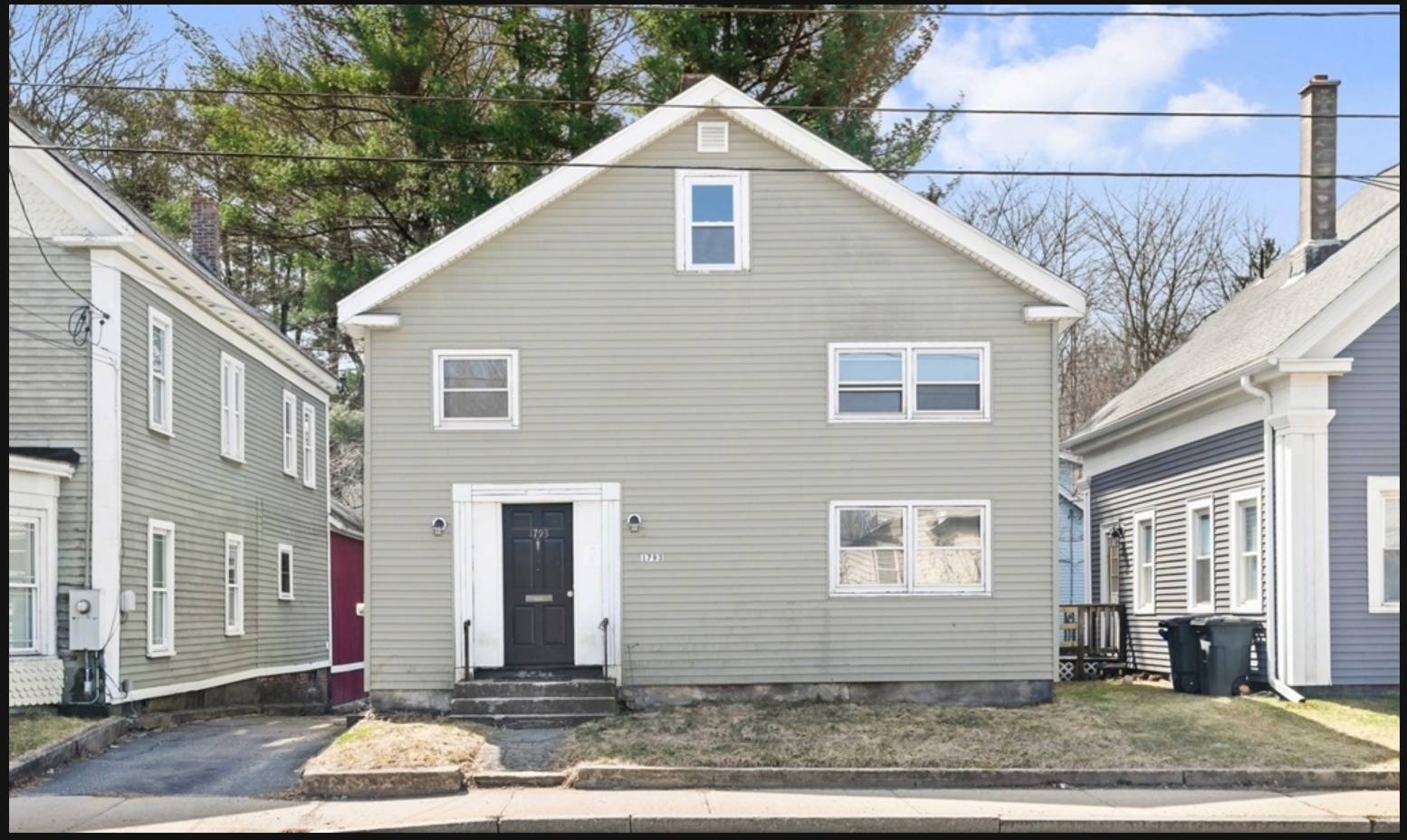
1793 Main Street in Athol was a property we bought for $135,000. It was legally a two family, but it had been used as a single family for years. On paper, it looked like a strong opportunity. In reality, it became one of the more challenging projects we have done in the area. The primary challenge was dealing with extremely difficult tenants, which led to frequent police activity and even DEA involvement.

How did you find this deal and how did you negotiate it?

The eviction process was lengthy, and when possession was finally regained, the property had been left in very poor condition. Because access had been limited during tenancy, the full scope of needed repairs wasn’t clear until after they moved out, resulting in higher renovation costs than expected. At that point, the key decision became whether to restore the property as a two-family or convert and sell it as a single-family home.

How did you add value to the deal?

The Problem We Were Solving
After analyzing both options, the team determined the property could sell for about $350,000 as a two-family, but that would require significantly more work. A single-family renovation was simpler, with an expected sale price of $300,000–$330,000.
A key breakthrough came from knowing the property had previously been a legal two-family. we knew there should be another bathroom upstairs somewhere. When we started opening walls and cleaning things out, we found it.

What was the outcome?

The Result
This allowed us to restore the second bathroom relatively easily. Instead of selling it as a one bath home, we were able to sell it as a two bath single family, which made a big difference in value and buyer appeal. We ultimately sold it for $330,000. Even though the project took longer and cost more than expected, we had bought it right and protected our downside. We still walked away with a solid profit.

Lessons learned? Challenges?

Buying right gives you options. The fact that we knew the property’s history as a legal two family gave us confidence to look for hidden value. Market knowledge also mattered. Because we had already completed another project in Athol, we understood buyer demand and felt comfortable choosing the single family route instead of overbuilding it as a two family.

Did you work with any real estate professionals (agents, lenders, etc.) that you'd recommend to others?

This deal could have gone very differently if it had been our first project in the area. Experience, local knowledge, and flexibility turned what could have been a bad project into a good one.
1Reply
60 views

4 Replies

Jump to latestLatest
  • Drew SygitBusiness Member
    Property Manager · Royal Oak, MI · Member since 2012 · 12k+ posts · 9k+ votes
    6mo

    Solving problems a seller can't/won't is one of the best ways to profit!

  • Investor · Cody WY, USA · Member since 2020 · 50 posts · 31 votes
    6mo

    Nice turnaround on that one. Sounds like the tenant situation made it way more complicated than the deal looked on paper.

    I had something similar happen once and it completely changed how I approach tenant-occupied properties. I bought a place thinking the existing tenant was a bonus because it meant immediate cash flow. Turned out the guy was basically a professional tenant scammer. He’d stop paying, get evicted, then sue the landlord and bury them in filings hoping they’d pay him to go away.

    After digging into it later with my lawyer, I found he’d done it to multiple landlords before and was known around town. Even did a little jail time. 

    Ever since then I’m really cautious about buying anything with an existing tenant unless I can do a deep dive on them first. Sometimes that “built-in rent” ends up being the biggest risk in the deal.

    Buying right definitely saved you here.

  • Member since 2026 · 32 posts · 31 votes
    6mo

    Really solid case study Jonathan. The numbers here are interesting to me -- $135k purchase, $18,295 cash in, $330k sale. That $195k gross spread is massive for that price point. I'm curious what the total rehab ended up costing though? You mentioned it came in higher than expected once you got in and saw the full damage. Even if rehab ran $80-90k all-in, you're still looking at close to a 60% gross margin on the sale price which is excellent for a project that had that many curveballs thrown at it.

    The 2-family vs single-family decision is what really stands out to me. Most people I think would've defaulted to the higher ARV option at $350k without really thinking through the extra renovation complexity and time cost. The fact that you chose the simpler path and still hit $330k because of that hidden second bathroom -- that's the kind of thing you only catch when you actually know the property's history. Basically turned a $300k comp into a $330k sale just by knowing where to look.

    How long did the full project take from purchase to close? With the eviction timeline on top of the rehab, I'd imagine the holding costs were significant and I'm wondering how that affected your net profit.

  • Brooklyn, NY · Member since 2026 · 28 posts · 14 votes
    6mo

    Really interesting project, especially dealing with the tenant situation. Those are the kinds of variables that can completely change the numbers on a flip.

    One thing that stood out to me is buying it at $135k with the ARV potential in the $300k+ range. That probably gave you the flexibility to pivot once you realized the rehab scope was going to be bigger than expected.

    Curious, when you originally analyzed the deal, did you assume you’d convert it back to a two-family, or was the single-family option always part of the plan?

    Also finding that second bathroom must have been a huge win. That’s one of those small things that can make a big difference in resale value and buyer demand.

    Nice example of how buying right and staying flexible can save a deal when things don’t go exactly as planned.

Join the conversationCreate a free account to reply, vote on answers and follow this thread.