Why Investors Are Watching the Coachella Valley Right Now
Population Growth, Tourism, and Infrastructure Are Shaping the Next Phase of the Market
The Coachella Valley in Southern California has long been known as a destination for golf, seasonal tourism, and second homes. In recent years, however, the region has begun attracting more attention from real estate investors looking at long-term demographic and economic trends.
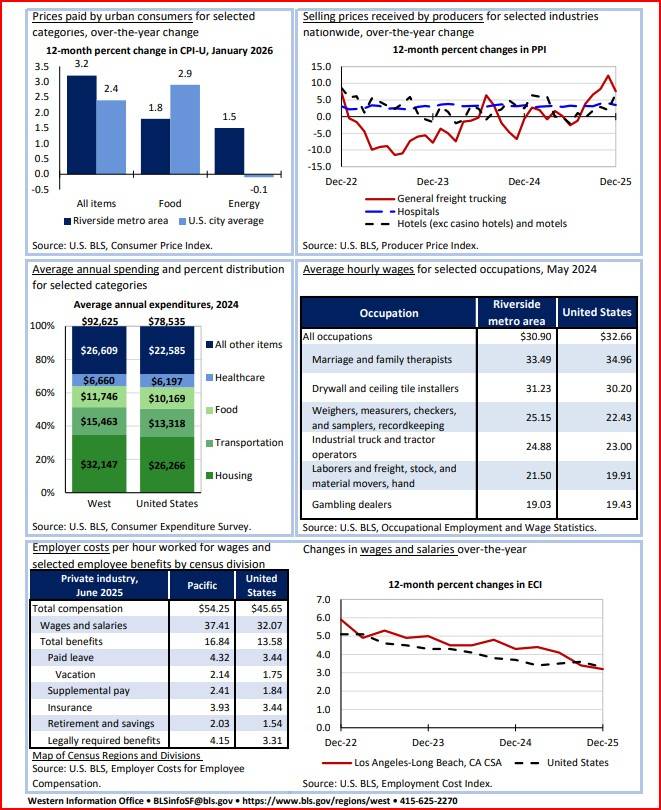
Several factors are converging at once: population migration from coastal California, tourism growth, infrastructure investment, and continued demand for housing in lifestyle markets.
For investors evaluating new markets, the Coachella Valley offers an interesting case study of how regional economic forces can shape real estate opportunities.
Migration From Coastal California
One of the largest drivers of housing demand in Riverside County is migration from higher-cost coastal markets.
Many households relocating to the Inland Empire originate from:
-
Los Angeles County
-
Orange County
-
San Diego County
As housing costs in those areas have increased significantly over the past decade, inland markets have become attractive alternatives offering larger homes, warmer climates, and a different lifestyle.
Population projections estimate Riverside County could grow from roughly 2.4 million residents today to more than 3.6 million by 2060, making it one of California’s fastest-growing regions.
The Coachella Valley—home to cities such as Palm Springs, Palm Desert, Indio, La Quinta, and Rancho Mirage—captures part of that migration because it offers a unique combination of lifestyle amenities and relatively attainable housing compared with coastal California.
Tourism Remains a Major Economic Driver
Tourism is one of the primary engines of the local economy.
Several major annual events attract large numbers of visitors to the valley each year, including:
-
the BNP Paribas Open tennis tournament
-
the Coachella Valley Music and Arts Festival
-
the Stagecoach country music festival
-
the Palm Springs International Film Festival
In addition, the region has more than 125 golf courses, resort casinos, and extensive outdoor recreation opportunities. Seasonal tourism from winter visitors—often referred to locally as "snowbirds"—also contributes to consistent demand for housing during peak months.
For real estate investors, this tourism base helps support multiple property strategies, including vacation rentals, seasonal rentals, and long-term housing for workers in hospitality and service industries.
Airport Expansion and Improved Access
Another indicator of the region’s growth is the expansion of Palm Springs International Airport.
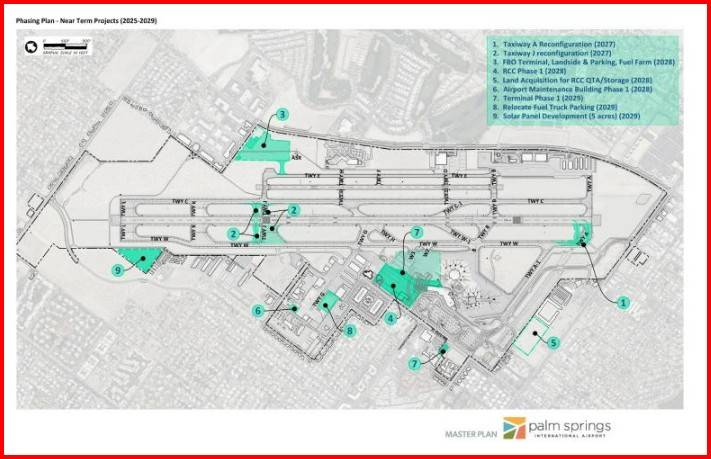
Passenger traffic has increased significantly in recent years, prompting long-term infrastructure planning that includes terminal expansion, additional gates, and increased parking capacity.
Current projections anticipate approximately three million annual passengers by the early 2040s.
Improved air connectivity tends to support resort markets because it increases accessibility for vacation travelers, second-home buyers, and remote workers who split time between multiple locations.
A Diversifying Regional Economy
While tourism remains central to the valley’s economy, several other industries are growing as well, including:
-
healthcare and medical services
-
renewable energy development
-
agriculture and food production
-
logistics and transportation
Eastern Riverside County is one of the largest renewable energy zones in the United States, with significant solar and wind development.
Economic diversification can help stabilize housing demand because it broadens the local employment base beyond a single industry.
Infrastructure and Transportation Corridors
The valley benefits from several major transportation connections.
Interstate 10 runs directly through the region, linking Southern California to Arizona and the rest of the Southwest. State Route 86 connects the valley to cross-border trade routes with Mexico, while rail infrastructure and multiple airports support tourism and freight transportation.
Infrastructure investments often play an important role in shaping long-term real estate demand, particularly in growing regions.
Housing Supply and Renovation Opportunities
Like many parts of California, the Coachella Valley faces ongoing housing supply constraints.
As a result, many buyers and investors have begun focusing on:
-
renovation of older housing stock
-
infill development opportunities
-
accessory dwelling units (ADUs)
-
repositioning properties that may be outdated but well located
In markets where new construction is limited, improving existing housing can sometimes create value if the underlying location remains desirable.
A Market With Multiple Investment Strategies
One interesting aspect of the Coachella Valley market is the variety of property types available to investors.
Depending on location and regulations, investors may explore strategies such as:
-
single-family rentals
-
vacation or seasonal rentals
-
mid-term rentals
-
condominium investments
-
renovation and resale projects
Different cities within the valley also have varying rules around short-term rentals, which can significantly influence investment strategies.
Final Thoughts
The Coachella Valley sits at the intersection of several long-term trends: migration from coastal California, strong tourism demand, infrastructure investment, and lifestyle appeal.
While every real estate market moves through cycles, the region’s underlying economic drivers have drawn increasing attention from investors studying population growth and tourism-based economies.
For those analyzing potential markets, the Coachella Valley provides an example of how demographics, infrastructure, and tourism can interact to shape real estate opportunities over time.