Manassas, VA · Member since 2015 · 118 posts · 21 votes
Learned by a coworker who does another full time job investing in class A properties in Columbus, OH that it is a hot market , while he was just seeking to borrow money with an enticing return for every 4 months , but I do not do that with anyone anymore , while he has a full time team now helping him, I got some experience investing, wanted to check if multifamily in this Columbus market is hot and worth trying as what my coworker does of rehabbing old SFH in novice class A areas , or it is just not as good, also is it also good market for land development and commercial properties building as well , appreciate any info and ideas
I know the Columbus market well. Since the early 1990s, Columbus has consistently been one of Ohio's strongest real estate markets. I've lived on the north side (the 161 area), downtown Columbus, and in Grove City, so I know the area firsthand.
Right now, properties near Ohio State University (OSU) and on the east side of Columbus offer some of the best opportunities due to their relatively low entry prices and strong investment potential. The Hilltop area can also be a good market, but investors should proceed carefully and perform thorough due diligence.
As a broker, I have access to more than 267 lending sources and can help secure financing, even for new investors who are just getting started.
Columbus can work for small multifamily, but I would not chase your coworker's 4 month return story without seeing his actual numbers. Underwrite to a 1.25x DSCR or better after real taxes, insurance and vacancy, not the pro forma. Land development and ground up commercial is a different animal, way more entitlement and carry risk than buying an existing 4plex. I am a broker in Sacramento and manage 100 plus Airbnb properties (DRE 02085666), so I lean toward boring cash flow first. Hope this helps
Ehab, the four month return story is the tell. Annualized, that implies roughly 300% on cost, which only clears if someone else's recourse debt is absorbing the downside. Ask for the note, the HUD, and the actual exit before you model anything. Columbus small multifamily is a legitimate market, but at 6.0 to 6.5 caps on class B and a 6.75% coupon, your debt constant lands near 7.8%. That is negative leverage before a single vacancy.
Noah is correct on DSCR, and it is the binding constraint, not LTV. At a 1.25x floor and a 7.8% constant, the asset supports about 62% of NOI as debt service, which caps proceeds near 65% LTC on stabilized value. Push to 80% LTC and you sit at 1.02x, one HVAC replacement from default. Sponsor equity plugs that gap, and that is precisely where your coworker's model quietly breaks.
Ground up is a different balance sheet. Budget $45k to $60k per unit in horizontal infrastructure before vertical construction, carry 18 to 24 months of entitlement on an S-curve draw, and fund an interest reserve sized to the slowest six months. LTARV caps at 65% to 70%, not LTC. Entitlement risk is binary and it does not amortize.
Ehab, what does your coworker's note actually say about recourse, and who is signing the guaranty?
Learned by a coworker who does another full time job investing in class A properties in Columbus, OH that it is a hot market , while he was just seeking to borrow money with an enticing return for every 4 months , but I do not do that with anyone anymore , while he has a full time team now helping him, I got some experience investing, wanted to check if multifamily in this Columbus market is hot and worth trying as what my coworker does of rehabbing old SFH in novice class A areas , or it is just not as good, also is it also good market for land development and commercial properties building as well , appreciate any info and ideas
I have been buying multifamily in Columbus, Ohio since 2017. It is a hot market, but it has cooled recently. Prices have stopped increasing rapidly, and there are some good opportunities on the market right now
Columbus is a solid market. "Hot" is the catch, though. A lot of capital has moved in, and small multis often trade at caps below today's borrowing cost.Here's a quick screen before you get excited about a listing. At 7% on a 30-year, the loan constant is about 8%. On a $600K fourplex with 25% down, debt service is about $36K a year. To hit the 1.25x DSCR most lenders want, you need roughly $45K NOI, which is a 7.5% cap. Plenty of Columbus listings sit at 6%.On the coworker's setup: borrowing at a fixed return paid every 4 months is fine. Just put it in a written note, ideally secured and recorded. I'd leave land and ground-up commercial until you've done a few small rentals.
It's still a great market for long term buy & hold with some good opportunities out there. Really just depends on what part of town you'd like to be in and what your strategy is for the future with the properties.
@Ehab Tadrous I don't know Columbus well enough to tell you if it's hot. When a market's hot, though, it usually shows up in the purchase price, and on a rental that's the number everything else depends on. I'd run real taxes, insurance, vacancy and capex on a small multi before getting too excited about the area. Ground-up land and commercial development is a whole different animal. I'd keep that separate from figuring out the first small multifamily.
Learned by a coworker who does another full time job investing in class A properties in Columbus, OH that it is a hot market , while he was just seeking to borrow money with an enticing return for every 4 months , but I do not do that with anyone anymore , while he has a full time team now helping him, I got some experience investing, wanted to check if multifamily in this Columbus market is hot and worth trying as what my coworker does of rehabbing old SFH in novice class A areas , or it is just not as good, also is it also good market for land development and commercial properties building as well , appreciate any info and ideas
Hey Ehab, multifamily can definitely be worth exploring, but I’d focus more on the numbers, neighborhood, and rental demand whether a market is considered hot. The Midwest has some solid opportunities for out-of-state investors, especially in small multifamily and value-add properties. Having a reliable local team to handle renovations and property management makes a huge difference when investing remotely.
I know the Columbus market well. Since the early 1990s, Columbus has consistently been one of Ohio's strongest real estate markets. I've lived on the north side (the 161 area), downtown Columbus, and in Grove City, so I know the area firsthand.
Right now, properties near Ohio State University (OSU) and on the east side of Columbus offer some of the best opportunities due to their relatively low entry prices and strong investment potential. The Hilltop area can also be a good market, but investors should proceed carefully and perform thorough due diligence.
As a broker, I have access to more than 267 lending sources and can help secure financing, even for new investors who are just getting started.
Columbus is worth researching, but I'd compare specific neighborhoods and property numbers rather than relying on the overall market reputation. For multifamily, I'd pay close attention to rental demand, operating expenses, property taxes, and whether the cash flow supports your financing costs. Rehabbing single-family homes and developing commercial properties involve different risks and capital requirements, so narrowing down your strategy first would help. Are you considering purchasing an existing multifamily property or leaning more toward rehab projects?
The grass always seems greener on the other side, but Columbus did not even make the top 30. Invest in your backyard, you have the homefield advantage, that's worth a lot.
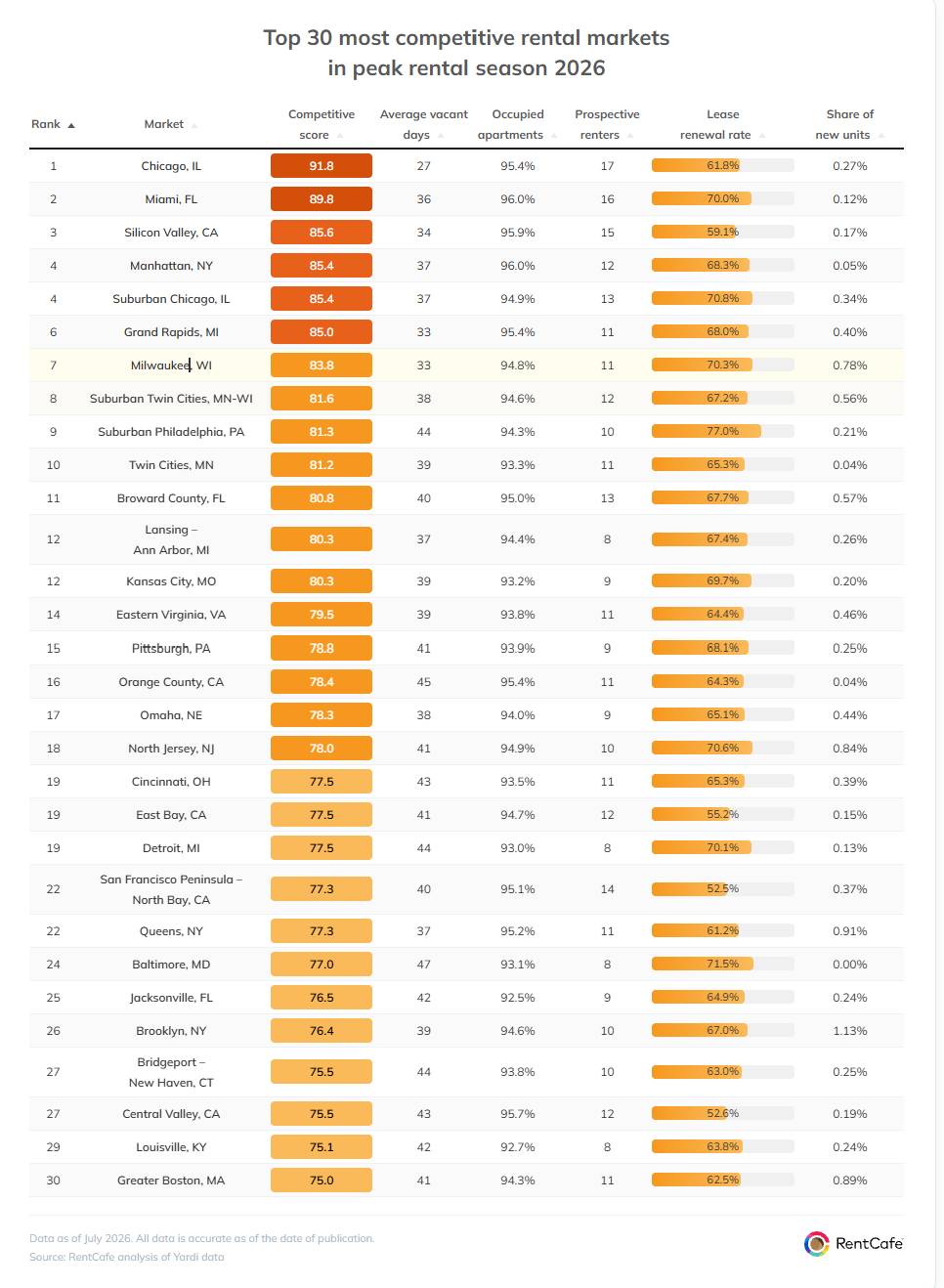
@Ehab Tadrous , I'd pick one lane before picking a market. Multifamily, rehabbing single family homes and land development are different business with different risks. I'd run the numbers on a few Columbus multifamily deals before deciding it's a hot market based on your coworker's success. I've owned property all over the US, and I'm open to talking strategy if you'd like. Do you plan to manage the first property yourself? Which strategy fits the time you can actually give it?
Ehab, all three can work, but they're very different on financing. Small multifamily (2-4 units) is usually the easiest place to start, since DSCR loans qualify off the rent, while land and commercial need more cash and experience. I host a monthly DSCR class that walks through exactly this, and I'm happy to send you the invite. If you want to talk through a specific property, send me a good phone number.
@Ehab TadrousColumbus has strong job growth and demand, making small multifamily a solid play. Just verify your numbers carefully and vet any local team before jumping in. Good luck!
Hi Ehab, "Hot" is a weather report, not a business plan.
Columbus has real demand, but apartments are working through a huge wave of new supply. New class A buildings are competing for the same tenants, and rent growth has been close to flat. The pipeline is slowing, so the picture may look better in a year or two than it does today. If multifamily appeals to you, small 2–4 unit buildings in neighborhoods without a crane on every corner are a calmer place to start.
Your coworker's play, the worst house on a great street, is the easiest one to learn on. There are plenty of comps, appraisals are predictable, and you have two exits: sell it, or refinance and hold.
Land and commercial are a different sport: approvals, longer timelines, more cash tied up. Watch the hype map too. Intel's Ohio plant got pushed out years, so dirt priced for those jobs may be early.
From the lending side, the exit decides the loan. Before picking a lane, know three numbers: what it rents for, what it appraises for, and who buys it from you.
Take the stairs, not the elevator. Flip, then rentals, then multi, then dirt. Jim,
Hey Ehab! Columbus is definitely worth exploring, but the right submarket and deal numbers make all the difference. I work with investors in Ohio and would be happy to connect and exchange insights. Feel free to DM me!
Columbus is worth exploring, particularly for multifamily and workforce housing. However, I would look closely at submarket-level vacancy, rental demand, and new construction supply before committing capital. Class A properties may offer stability, but older properties with value-add potential could present interesting opportunities if acquired at the right basis. For land development and commercial projects, zoning, infrastructure, and local employment growth are equally important. I would prioritize the numbers and exit strategy over market popularity.