Who do I sue first?

Who do I sue first?

Investor · Miami, FL · Member since 2013 · 807 posts · 475 votes

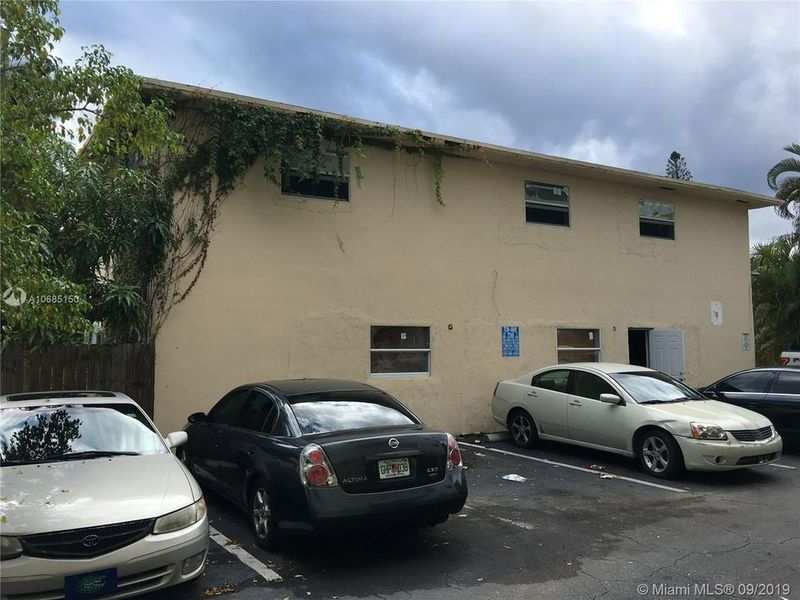
I purchased a property in Dade County in 2013. The property was on the same parcel as another condominium building.

The purchase contract stated this in the additional terms-

“Seller, as a condition subsequent to closing, shall remove and sever the subject properties from the condominium regime.”

When I recently went to sell the building, the buyers attorney informed me the land was never separated from the condominium with the city. Furthermore the city will not allow the separation as it would not meet their size and setback requirements. The buyer therefor backed out of the sale.

After extensive investigation, it was discovered that the sellers attorney executed the separation of the property with the county but not with the city.

The city will not issue any permits for work on the property unless it rejoins the condominium association.

Rejoining the condominium could trigger them to ask for backpay of 7 years HOA dues. It will also reduce the value of the building as it will be tied to a HOA and have ongoing fees payable.

I am trying to decide the best course of action forward.

1. Make a claim with the title insurance company because I feel they never should have issued title insurance on the property to begin with. I am unsure if I can make a valid claim and would value any feedback here.

2. Request the seller and his attorney hire a zoning attorney to battle with the city and obtain a variance to allow the plot to be legalised.

3. Sue the seller alleging they had an intention of fraud. I would argue they were aware the city would not allow the separation due to the size and setbacks, hence they sold the property and said the severance would be done after the sale. I am not sure how much I would try to claim in damages though?

I purchased the building for 80k. Funds spent over the years adds up to 40k.

The recent contract I had to sell the building was for 150k.

1Reply
245 views

Most Popular Reply

Specialist · Winter Springs, FL · Member since 2009 · 1k+ posts · 747 votes
6y

The first thing you should do is submit a claim to the title insurance underwriter, not the agent that sold you the policy.  Assuming its a Florida Modified 2006 form ALTA policy the place to submit a claim should be found under Conditions 18 of the policy.  There may also be an online claims submission web site, try searching the underwriter's name and "claims" to see if you can find it.  I would also pull out a copy of your title policy and look at the legal description under Schedule A 4 and see how the property is described.  If it says a part of the condominium described in the declaration of condominium for XYZ Condominium as recorded in Official Record Book 1234, Page 5678, Public Records of Miami-Dade County I think there's a good chance there will also be an exception for the Dec of Condo on Schedule B and the underwriter will deny coverage because they insured the property as part of the condo.  If those two things are not there, it may be covered.

This sounds like it wasn't a run of the mill sale.  Were you represented by an attorney at closing?  If so I would immediately contact him/her.

If the release of the property was a condition of closing I would expect the settlement agent, who probably issued the policy, would have addressed the requirement so I would also contact them and ask how.  Along those lines, look at the title commitment that you should have received in advance of the closing and see if there is a Schedule B-1 requirement for the release from the Dec.  If its not there I suspect the policy will describe the property as above.

If it all goes south you're going to need a good real estate attorney to fix this.  I don't know what you paid but the repair probably won't be cheap.  If you need a referral I've retained an attorney in South Florida to fix many complex title related problems I'd be happy to refer you to.  Good luck. 

See this reply in the discussion

112 Replies

Jump to latestLatest
  • Investor · Miami, FL · Member since 2013 · 807 posts · 475 votes
    6y

    @Brian Van Pelt

    The course of action you have outlined is exactly what I am going to undertake.

    I appreciate everyone here helping me flesh out the situation and figure out the way forward.

  • Rental Property Investor · Concord, GA · Member since 2015 · 3k+ posts · 3k+ votes
    6y
    Originally posted by @Nat C.:

    @John Teachout

    I was out of the country for 80% of the time I owned the building. The issue only came to light when I recently went to sell the building.

    So it was vacant when you purchased it and was empty the entire time you owned it? I assume you had a plan for it when you bought it but then went in a different direction?

  • Investor · Miami, FL · Member since 2013 · 807 posts · 475 votes
    6y
    Originally posted by @John Teachout:
    Originally posted by @Nat C.:

    @John Teachout

    I was out of the country for 80% of the time I owned the building. The issue only came to light when I recently went to sell the building.

    So it was vacant when you purchased it and was empty the entire time you owned it? I assume you had a plan for it when you bought it but then went in a different direction?

    Well there are a lot of additional personal issues to address this question. I was in my early 20s when I purchased it and prior to that I had only dealt with SFR remodels. I should have looked for a partner with more experience. I paid a contractor 20k upfront and he did work without obtaining permits and then did a runner. I then paid for architectural plans to submit to the city for permits and found another licenced contractor. Unfortunately I then had to leave the US and I have been out of the country for the past 4 years and the building had just been sitting there.

  • Investor · Miami, FL · Member since 2013 · 807 posts · 475 votes
    6y
    Originally posted by @Peter Walther:

    Nat, this is a very complex issue.  First, I would hesitate to rely on a complaint drafted by a UK attorney for you to file yourself (pro se).  I believe if he's recommending a quiet title suit he doesn't understand the problem.

    Second, I'm unclear what you purchased.  Generally condo real property is in one of three categories, units, common elements and limited common elements.  Generally only units are sold to purchasers with a pro rata interest in the common elements and a exclusive right to use the limited common elements servicing that unit coming with it.  To sever any of those three from the condominium requires the agreement of anyone have an interest in the condo including the developer if (s)he continues to own units, the condo association, anyone owning a unit in the condo and any lender having a mortgage on any of the three including units because the lender also has a lien on the unit owners undivided interest in the common elements.  What did you buy?

    Third, to remove real property from a condo requires strict compliance with Florida laws governing condominiums.  You need an attorney with condominium experience if you want to fix this problem.  If everyone with an interest is in agreement with severing the property, perhaps they would also agree to allow you to purchase some additional land adjacent to what you bought sufficient to meet the city's requirement.

    Fourth, is your former attorney correct when she writes the initial contract did not have any contingencies?  If so had did the contingency get added?

    Last, I believe this matter is way to complicated for you to rely on any advice you receive on this board.  If you want to salvage anything other than a lesson well learned you need to sit down with a good attorney and figure out what your options are.


    Peter thanks again for your continued excellent advice. I am now confused about what the building is, based on your comments too.

    When I purchased the building I was told it belonged to the condominium developers. The seller's name on the documents is of an individual. I am told he was and still is on the condo board. I don’t know what percentage he owns.

    The condition of the seller severing the property was on the original purchase agreement. It wasn’t added at a later stage. When my attorney, Miss C, said there were no contingencies, I believe she means the due diligence period was already over when she started handling the closing.

    You are correct that the situation is messy. I disagree that I can't rely on feedback from you all here, to help me navigate the situation. On the contrary, it helps me immensely to understand the situation before I contact a zoning attorney.


    I apologize if I have failed to address any of the items you mentioned correctly
  • Investor · Miami, FL · Member since 2013 · 807 posts · 475 votes
    6y
    Originally posted by @Clint Shelley:

    If the county allowed it to be severed, what is the city's hangup. New regs or just one of those municipalities that are hard to deal with? I would definitely get new outside counsel. I think you're best chance is to try to squeeze the city into a variance or subdivision, etc. Although it'll be a pain it will likely be the cheapest route to go. See if you can get a joint meeting with the city and county representative. Have your new attorney meet with their attorneys to figure out why one would allow and the other not. Try to get this done in lieu of a lawsuit that will bring everyone in. The threat of a big suit will hopefully help you get to where you want to be. Play the victim, and see if they will be favorable toward you. If that doesn't work your best shot at relief would be against the seller, as they would have sold you an illegal lot, though they could argue the contrary since the county approved. This is messy and who knows what will happen. Keep is posted and good luck.

    Clint

    I am loving your advice, Clint. It’s definitely a conundrum that the county allowed the separation but the city will not.
    You are most correct that they have a reputation for being difficult and I am also told there is a high level of corruption within their organization.

    I am outside of the country for at least another six months which makes it impossible to go in there in person and play the victim card. The seller and his attorney recently paid for a survey to be done and also paid someone to spend a lot of time at the city to persuade them. Unfortunately the city wouldn’t budge.

    And yes, the seller's attorney has already argued with me that the contract terms were met because he executed the separation with the county.  

    An ex-colleague (a broker) suggested to self-expel and relegate my property from the city jurisdiction and join Unincorporated Dade County. I always thought Unincorporated Dade County was strictly a geographical area outside of the city limits but he said there are unincorporated parcels dotted throughout the city area. I don't know what process to undertake to such an endeavor would be. This plan sounds a little far-fetched to me. Does anyone know anything about this?

  • Rental Property Investor · Durham, NC · Member since 2016 · 7k+ posts · 7k+ votes
    6y

    @Nat Chan the amount of money involved here limits your options.

    I wouldn’t sue anyone as it’ll take years and tons of cash to MAYBE win.

    Have you gotten an actual quote from the city or an attorney to just sever the property yourself?

    Suing the seller or your closing attorney is unlikely to go anywhere

  • Investor · Miami, FL · Member since 2013 · 807 posts · 475 votes
    6y

    That's not the issue, Caleb. It's not a matter of paying for the separation. It's that the city WONT allow the separation. The county has already processed the separation, which means the property is stuck in no-man's-land. The ARV is well over 500k, so it's a lot of potential left to rot.

  • Investor · Chicago, IL · Member since 2017 · 40 posts · 33 votes
    6y

    I can't for the life of me understand why the contract asked the seller to do something 'subsequent to' sale as opposed to prior to the closing. Especially something so critical to the value and use of the property! The time to negotiate is before the contract is signed not after!

    That said, now is not the time to get a bargain lawyer and go to court pro se. You need a really experienced attorney who has dealt with multiple local zoning matters. If this lawyer has connections in city hall, all the better.

  • Specialist · Easton, PA · Member since 2018 · 1k+ posts · 2k+ votes
    6y

    @Nat Chan

    You must have bad luck. This is the 2nd post of yours I’ve seen talking about suing someone.

  • Rental Property Investor · Durham, NC · Member since 2016 · 7k+ posts · 7k+ votes
    6y

    @Nat Chan you’re best bet is then getting your neighbor to sell you the necessary land, so the city allows the separation.

    Most people will tell you to just “speak with an attorney” which is smart but also lazy advice. You can spend a lot of money on attorneys and not get anywhere.

    Your closing attorney on this very property is a good example.

    Best idea is to figure out how to solve it mostly solve it yourself and then involve an attorney.

    Also don’t think of suing anyone as that won’t get you anywhere.

  • Rental Property Investor · Durham, NC · Member since 2016 · 7k+ posts · 7k+ votes
    6y

    @Matt M. She didn’t read the contract closely and now (7 years later) is figuring that out.

    Always read what you’re signing. Without keeping a large amount of cash from the seller in escrow, getting them to do anything post close is absurd.

  • Investor · Miami, FL · Member since 2013 · 807 posts · 475 votes
    6y

    @Caleb Heimsoth

    Correct. I didn’t have the knowledge or experience to read and fully comprehend a complex contract in my early 20s in a foreign country. Hence why I paid a lawyer $2000 to represent me and look out for my interest.

  • Investor · Miami, FL · Member since 2013 · 807 posts · 475 votes
    6y

    @Matt M.

    Really? I think over the course of 10 years and doing nearly 100 deals, that at least 2% are going to breach a contract in some way.

    I’m surprised that you’ve had such good luck in real estate to never have a buyer or seller dishonour something they’ve signed.

  • Investor · Miami, FL · Member since 2013 · 807 posts · 475 votes
    6y

    @Caleb Heimsoth

    I agree that solutions are better than arguing about the problem.

    I hope someone will sell me some land!

    There’s 3 bordering properties, so 3 different people to ask.

  • Tom GimerBusiness Member
    DMV · Member since 2017 · 3k+ posts · 3k+ votes
    6y

    @Nat C. Whatever you do on pursuing legal action, it should be immediate. Like tomorrow.  Actions on contracts 5 years, on negligence 4 years (I may have those backwards)... either way both out of SOL currently and discovery rule is not favorable to those who are not paying attention. Good luck. 

    Gimer Law516 Reviews
  • Clint ShelleyPro Member
    Surveyor · Dothan, AL · Member since 2014 · 425 posts · 391 votes
    6y

    @Nat Chan

    Let me get this straight in my mind. You own a building on the same parcel as another condo building? What type/use is your building? How many units are in your building? Your building falls under the same HOA as the other parcel. You purchased under the condition that your building would be located on its own parcel by way of a subdivision and freedom from a HOA. The county approved the subdivision but the city didn't. Do I have it straight?

    Clint

  • Investor · Miami, FL · Member since 2013 · 807 posts · 475 votes
    6y

    @Clint Shelley

    You have it clear and correct, Clint.

    There’s actually further complications with the number of units.

    The property came with 3 seperate folio number. The prior owner had obtained architectural plans to have it built out as three units. After I bought it I found out the city would only allow two units under their zoning regulations.

    I’ve had to still pay 3 seperate lots of tax on it each year for each folio.

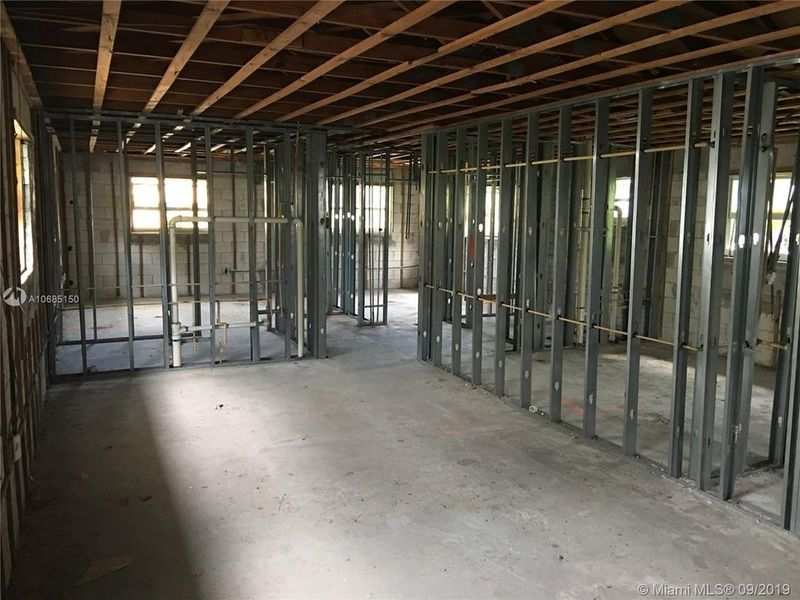
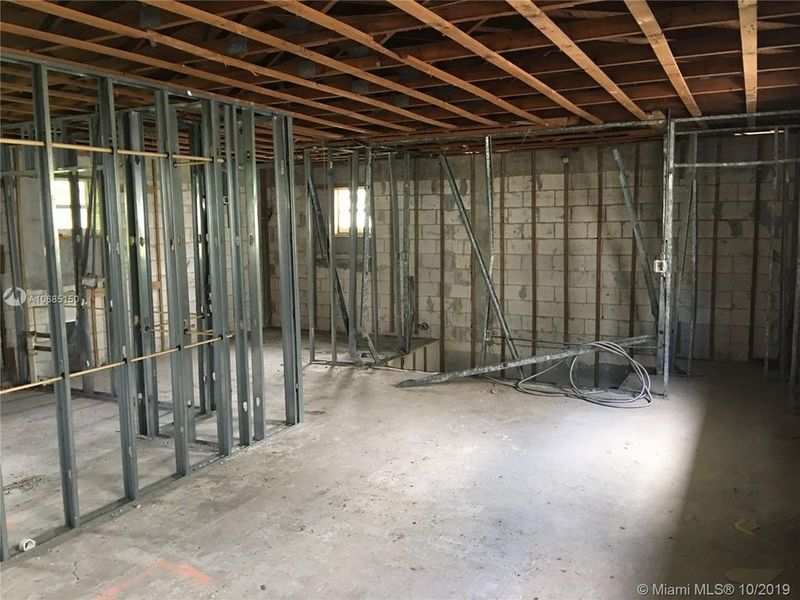
    As is, the building is pretty much open space requiring full build-out.

  • San Jose, CA · Member since 2015 · 4k+ posts · 3k+ votes
    6y

    @Nat C. The lawyer who said you could sue under breach of contract is wrong.  The statute of limitations has passed - the time you have to sue is gone.  You don't have a case against the title insurance, because they only insure you that the title is clear, they don't guarantee a seller will do what he says he'll do after the sale.  

    You can't sue the attorney for malpractice, because that SOL has also passed.

    BUT, there is a statute of limitations that is 12 years for fraud.  So, if you think your attorney committed fraud, or anyone else committed fraud, you can sue them for fraud.

    So, I'd be talking to an attorney who specializes in suing for fraud, including suing attorneys for fraud.  If you threaten to sue an attorney for fraud, they might be quick to settle, because if they are found to have committed fraud, they could lose their license.

    Getting them in trouble for committing a crime won't get you any money.  A criminal trial is different from a civil suit.  In a civil suit, you can get awarded money.

    I think you're more likely to collect from an attorney than anyone else, because, like I said, they have a lot to lose by losing a lawsuit for fraud.

    Of course, you now know not to give anyone your money or the keys, etc., until you have what you want first.  You never should have given the seller money until he had already given you everything you wanted from him.  When you give someone money to do something before they do it, you risk the great likelihood that they will take off with the money and never give you what they promised.

    Good luck.

    Here's a website where the law is explained:  https://jflawfirm.com/civil-fraud-litigation-in-florida/

    There's a 4 year SOL, but it starts to run after you encounter a problem after doing your due diligence, it says.  But, it must be within 12 years from when it happened.  So, if you meet the due diligence criteria, which I think you should - because you had good reason to believe the attorneys, you should be okay, because it's still within the 12 year time frame.  Anyway, this is the type of attorney you need.  

  • Investor · Miami, FL · Member since 2013 · 807 posts · 475 votes
    6y
  • Clint ShelleyPro Member
    Surveyor · Dothan, AL · Member since 2014 · 425 posts · 391 votes
    6y

    @Nat Chan

    Ok. So the buyer wants the building but not be under the other HOA umbrella? If so, could you just create your own HOA for your building? Then, new buyer could be the president and control things. There would still be some shared grounds maintenance, parking lot etc, but I'm sure your situation has been tackled before. I do not deal with condos or HOAs very much, so there are likey ordinances you'll have to navigate. This may be a more feasible route. Someone has figured this out already, you'll just need to find out what they did. It's weird the county approved, but the city didn't. If so it should show up on the tax assessor's map as its own parcel. That would put the city in control of the county. Not sure what that's about. Good luck with it.

  • San Jose, CA · Member since 2015 · 4k+ posts · 3k+ votes
    6y
    Originally posted by @Clint Shelley:

    @Nat Chan

    Ok. So the buyer wants the building but not be under the other HOA umbrella? If so, could you just create your own HOA for your building? Then, new buyer could be the president and control things. There would still be some shared grounds maintenance, parking lot etc, but I'm sure your situation has been tackled before. I do not deal with condos or HOAs very much, so there are likey ordinances you'll have to navigate. This may be a more feasible route. Someone has figured this out already, you'll just need to find out what they did. It's weird the county approved, but the city didn't. If so it should show up on the tax assessor's map as its own parcel. That would put the city in control of the county. Not sure what that's about. Good luck with it.

     Yeah, this may be something that could be negotiated in a lawsuit for fraud against the attorney, etc. - tell them you'll settle for them just getting this all worked out with the city plus her attorneys fees.

  • Investor · Miami, FL · Member since 2013 · 807 posts · 475 votes
    6y
    Originally posted by @Clint Shelley:

    The property appraiser website shows the property on the same parcel as the condominium. Now that you mention it, I have no evidence to show that the county processed the separation, apart from the selling attorney telling me that.

    Creating my own HOA sounds like a sophisticated move. It would be nice to hear from others if this could be possible.

    @Wayne Brooks @Tom Gimer @Peter Walther

  • San Jose, CA · Member since 2015 · 4k+ posts · 3k+ votes
    6y

    A homeowners association is a group of homeowners in a development.  You don't have that.  

    Have you been getting bills to pay HOA fees? If not, why not? If the HOA doesn't consider you part of the HOA, then why not? If not, then there must have been some agreement that your property is not considered to be part of the HOA.

    Really, if the only issue is the HOA association, and the HOA agrees your property isn't in it, that's probably all you would need anyway, now that I think about it. So, just get an official letter from the president of the HOA saying your property is no longer in the HOA. Take that to the city.

  • Investor · Miami, FL · Member since 2013 · 807 posts · 475 votes
    6y
    Originally posted by @Account Closed:

    A homeowners association is a group of homeowners in a development.  You don't have that.  

    Have you been getting bills to pay HOA fees? If not, why not? If the HOA doesn't consider you part of the HOA, then why not? If not, then there must have been some agreement that your property is not considered to be part of the HOA.

    Really, if the only issue is the HOA association, and the HOA agrees your property isn't in it, that's probably all you would need anyway, now that I think about it. So, just get an official letter from the president of the HOA saying your property is no longer in the HOA. Take that to the city.

    The issue isn't with the HOA of the front building. The seller who I purchased from is/was on the HOA board. My purchase contract states that I will not pay HOA dues.

    The issue is the plot is non-conforming and doesn't meet the cities size and set back requirements to be its own separate parcel. 

  • San Jose, CA · Member since 2015 · 4k+ posts · 3k+ votes
    6y
    Originally posted by @Nat C.:
    Originally posted by @Account Closed:

    A homeowners association is a group of homeowners in a development.  You don't have that.  

    Have you been getting bills to pay HOA fees? If not, why not? If the HOA doesn't consider you part of the HOA, then why not? If not, then there must have been some agreement that your property is not considered to be part of the HOA.

    Really, if the only issue is the HOA association, and the HOA agrees your property isn't in it, that's probably all you would need anyway, now that I think about it. So, just get an official letter from the president of the HOA saying your property is no longer in the HOA. Take that to the city.

    The issue isn't with the HOA of the front building. The seller who I purchased from is/was on the HOA board. My purchase contract states that I will not pay HOA dues.

    The issue is the plot is non-conforming and doesn't meet the cities size and set back requirements to be its own separate parcel. 

    But then why would re-joining the HOA allow work to be done on the property? Why would being a member of the HOA somehow bypass the zoning laws for size and setback requirements?

    It just doesn't make any sense to me how one has anything to do with the other.

    Sounds like maybe the seller you bought it from, being the prez of the HOA, sold the place to you fraudulently, if he knew you wanted to build on that lot, and he knew you wouldn't be able to.

    But, this just all isn't making any kind of sense to me.  I wish you good luck, though.

Join the conversationCreate a free account to reply, vote on answers and follow this thread.