





Notes from Omaha: Reflections on the 2026 Berkshire Meeting
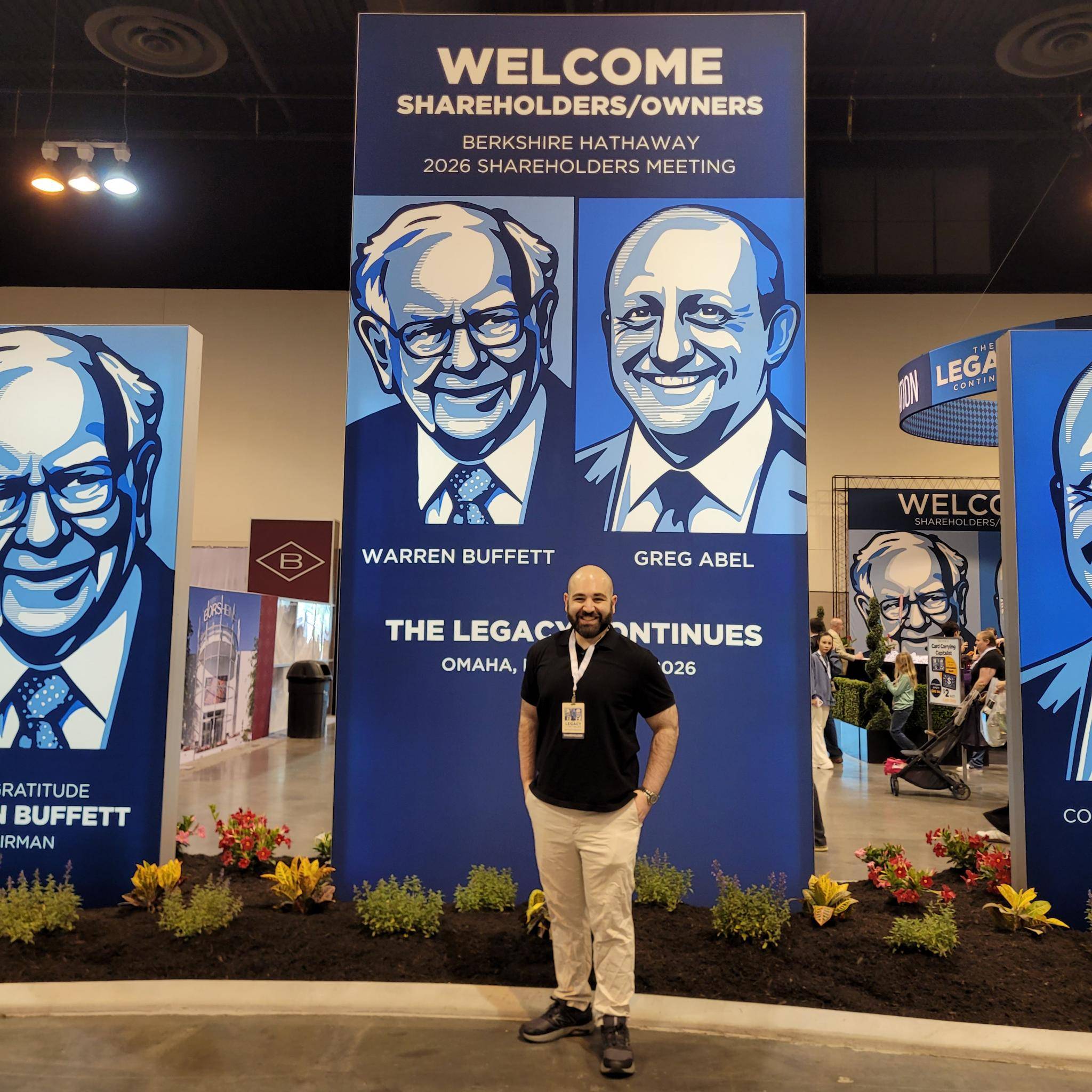
I spent my fourth year in Omaha this weekend at the Berkshire Hathaway annual meeting. My first visit was the first meeting after the COVID-19 pandemic, my second visit was the last year Charlie Munger would appear on stage and my third visit was the final meeting with Warren Buffett as Chief Executive Officer.
This year, Greg Abel took the reins. Naturally, I was impressed with Greg and I think shareholders will benefit as he will likely be more aggressive than Warren when the next downturn comes around. However, attendance was down significantly which is unsurprising.
Personally, I took this as an opportunity to get more access to some incredible minds in the world of value investing. This year, I traded networking for notetaking: fewer coffees, more sessions, and a front-row seat to Bill Ackman, Guy Spier, Mohnish Pabrai, Tom Gaynor and Bob Robotti.
Naturally, most Berkshire attendees are focused on public-equities, but the discipline travels across asset classes.
Below, four takeaways that apply to public markets as well as they do to real estate.
1. Cash is a position, not a sin. Berkshire's record cash pile isn't capitulation. It's optionality with a coupon. We're at a moment when bid-ask gaps are narrowing but stress isn't fully priced in. Don't confuse motion for progress.
2. Temperament compounds faster than IQ. The sponsors and LPs who came through the 2022–2025 rate shock intact were not necessarily the sharpest underwriters. They were almost certainly more disciplined on leverage however.
3. Specialists beat generalists. Berkshire's wholly-owned businesses are run by operators who know one lane cold. In my field, real estate, the data tells the same story: top-quartile returns cluster around sponsors deeply specialized by product type and geography. Something I will personally be mulling on quite a bit over the summer.
4. Underwriting is as much about character as it is math. The spreadsheet is commodity. What separates the people who come through difficult periods intact from the ones who do not is intellectual honesty. Cycles don't punish the dumb. They punish the overconfident.
None of this is new gospel but it was useful to reinforce the ethos of investing by those who have compounded capital for decades through every cycle this country has produced. Whether we are discussing public equities or real estate, the market rewards patience, specialization, and clean balance sheets.
Most Popular Reply

Agreed. Basically, load every dollar into an asset and let the Fed ride you up because they won't let the ship sink. If there's turbulence, they will bail.
The top grifters of our country cannot tolerate a significant scale down of their economies. They only care if it hurts them, and that would hurt them. And at some points it will hurt them, but not for terribly long.
Only real black swans can show up, but those would be quicker money printing reactions. Right now, nothing we've discussed is a black swan type event. Not even my stance on Altman being a fraud.
Right now, almost any person in the bottom 97% is seeing their life divide from anyone in the top 3%. Nothing impacts the top 3%, everything impacts the bottom 50% and the other 47% just are slowly getting squeezed annually every dollar they saddle themselves with consumer debt versus an asset. Geographic arbitrage will be a necessity for anyone out of the top 3%.